
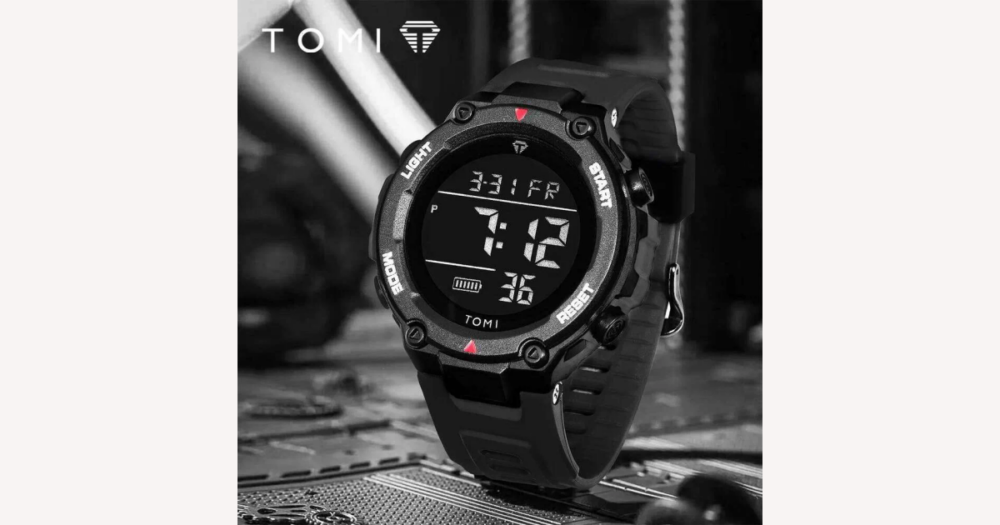
If you’re browsing DHgate for a “top rated” tactical watch, don’t start with the badges or camo styling—start by asking whether the watch is built like a tool for rough outdoor use. This guide shows you how to read DHgate listings for real durability, materials, readability and seller signals, then turn those details into a practical pre-purchase checklist that works alongside DHgate’s payment, shipping, refund and dispute systems.
What “tactical watch” really means on DHgate (and why “top rated” isn’t enough)
On DHgate, “tactical watch” is marketing shorthand that gets attached to a wide range of listings: genuinely rugged field watches, ordinary sports watches, fashion pieces with camo patterns, and even generic fitness trackers. If you want something for outdoor or combat-style scenarios, you have to treat “tactical” and “top rated” as advertising, not proof that the watch will survive hard use. The real question is whether the watch can stay intact and readable when it’s knocked, soaked, or used in bad weather.
A truly tactical watch is a tool built for rough conditions: a case that can take impacts, a strap that doesn’t fall apart in sweat or rain, a crystal that resists scratching and cracking, and a display you can read quickly under stress. Everyday dress or office watches prioritise slim profiles and looks; generic fitness trackers often emphasise step counts and basic notifications. Both can be fine for light wear, but without credible specs and construction details they are tactical in style only, not in performance.
On DHgate, search rankings, “top rated” badges, and army-style colours or logos mainly show how a listing is promoted or how buyers reacted overall; they do not guarantee shock resistance, water resistance, or long-term durability. Before you consider placing an order or trusting a rating, you need to see clear specs, close-up photos, and consistent material descriptions, then combine that with basic checks on the seller’s history and refund or dispute policies. The rest of this guide focuses on translating that tactical marketing language into concrete durability, material, and usability checks you can apply to DHgate listings instead of chasing generic lists of “best” models.
Core durability and materials: how to judge a watch’s toughness from its specs
For tactical use, toughness comes down to how the watch is built: the case and bezel, the crystal, the strap, and any stated resistance to water, shock, or temperature extremes. Thick stainless steel or reinforced resin cases, solid-looking casebacks, and robust nylon or rubber straps generally cope better with knocks, abrasion, sweat and rain than thin decorative housings or delicate bracelets. A practical crystal (mineral or sapphire) and a clear water-resistance rating are more meaningful than vague promises that a watch is “strong” or “waterproof.”
When you scan DHgate listings, look for specific material names rather than generic phrases like “high-quality alloy” or “premium material.” Check that the title, description and photos all tell the same story about what the case, crystal and strap are made of, and use close-up images to judge thickness and finish—sharp edges, flimsy lugs or very thin straps can hint at style-first construction. If the listing barely mentions durability, lists inconsistent materials, or relies on buzzwords without concrete specs or photos, it’s safer to treat that watch as a fashion piece that may not hold up to field-style abuse.
| Material type | Typical behaviour under rough use | Comfort and weight trade-offs | Listing details to look for |
|---|---|---|---|
| Stainless steel case | Resists impacts and general abrasion; less likely to crack than thin alloys. | Heavier on the wrist; can feel bulky under tight sleeves. | Clear “stainless steel” wording, close-up photos of solid lugs and caseback thickness. |
| Resin or polymer case | Good shock absorption; less prone to denting, but may scratch more easily. | Very light and often more comfortable for long wear. | Named resin or polymer material, uniform moulding, no obvious gaps or flash marks in photos. |
| Carbon-reinforced composite case | Designed to be both stiff and light; can handle knocks with less weight. | Usually comfortable and low-weight, but finish quality varies. | Explicit mention of carbon or composite, consistent texture across images, no signs of brittle edges. |
| Mineral glass crystal | Handles everyday bumps fairly well but can pick up scratches over time. | Standard weight; most users find it fine for daily and outdoor use. | “Mineral glass” in specs, photos showing a slightly raised but well-seated crystal. |
| Sapphire crystal | Very high scratch resistance; good for sand, brush and contact with hard surfaces. | Can add cost and a little weight but rarely affects comfort much. | “Sapphire” clearly stated, not just “hard glass”; consistent mention across title and description. |
| Acrylic/plastic crystal | More prone to scratching but can flex slightly under impact and be polished. | Lightweight and comfortable; may look less premium. | Explicit plastic or acrylic wording; expect more cosmetic wear, so treat as lighter-duty. |
| Nylon strap | Handles sweat, mud and water well; abrasion-resistant if woven tightly. | Breathable and often comfortable in heat; can feel rough if edges are unfinished. | Listing mentions nylon or fabric, close-up shots of stitching, multiple adjustment holes. |
| Silicone or rubber strap | Resists water and sweat; flexible and forgiving under movement. | Soft feel, but can trap sweat if very thick or unvented. | “Silicone” or “rubber” named, photos showing even thickness and secure connection to lugs. |
| Leather strap | Can be comfortable but tends to suffer in heavy sweat, mud and frequent soaking. | Usually soft on the wrist; less ideal for consistently wet or muddy use. | Clear “leather” wording, photos of stitching and thickness; better for light-duty or mixed office/outdoor wear. |
Matching features to your outdoor or combat-style scenarios
- Day hiking and field training: Prioritise a clear, legible display (large numerals or uncluttered dial), a dependable backlight or lume for dawn, dusk and low-light situations, and basic stopwatch/timer and alarm functions for pacing drills or rest breaks. If navigation is genuinely part of your activity, look for simple, clearly described extras like a compass or altimeter; if the listing just throws in “tactical compass” without explaining how it works, treat that as marketing rather than a critical capability.
- Airsoft, paintball and similar combat-style games: Focus on shock resistance and straightforward timekeeping you can read at a glance between moves. Large, well-separated buttons are easier to operate with gloves than tiny flush ones, and simple timers or countdowns are usually more useful than complex sensor bundles you won’t have time to interpret. On DHgate, watch out for listings that advertise long feature lists but show very busy screens or small sub-dials in the photos—those can be harder to use under stress than a basic, tough design.
- Water-heavy environments (rain, rivers, coastal training): Make credible water resistance and corrosion-resistant materials the priority. Look for a specific rating (such as 50 m or 100 m) rather than vague “waterproof” claims, and pair that with resin, polymer, stainless steel, nylon or rubber elements that tolerate repeated wetting. Photos should show solid caseback sealing and sturdy strap hardware; if the description promises extreme water performance but gives no rating and only generic material wording, assume the watch is better suited to light splashes than serious immersion.
- Choosing features by activity, not hype: Start from what you actually do—how long you’re outside, how rough the environment is, whether you truly need navigation data—and pick a simpler, tougher watch that nails those basics. On DHgate, a watch with clear specs for durability, legibility, alarms and timing is usually a safer choice than one that lists survival-style sensors without explaining them or showing them clearly in photos.
- Being cautious with vague tactical claims: When a listing leans heavily on phrases like “military tactical,” “special forces style” or long feature lists but gives little detail on how those functions work, that’s a sign to be skeptical. Missing or inconsistent descriptions of key features—such as water resistance, compass accuracy, or backlight behaviour—suggest the watch is mainly styled to look tactical, and you should avoid treating those advertised capabilities as reliable tools for outdoor or combat-style use.
Rugged traditional watches vs tactical-style smartwatches
Once you know which features you actually need, the next choice is watch type. Traditional rugged analog or digital tactical watches usually have simpler constructions with fewer electronic failure points and long-lasting replaceable batteries. Thick cases, raised bezels and basic segmented digital screens or clear analog dials tend to shrug off knocks, dirt and rough handling better than delicate touchscreens, making these designs well suited to repeated abuse and low-maintenance outdoor use.
Tactical-style smartwatches, by contrast, can add GPS, mapping, training metrics, notifications and app integration. Those capabilities are genuinely useful if you rely on navigation data, performance tracking or staying connected to your phone ecosystem. The trade-off is that they need regular charging, often use more delicate glass screens, and depend on software and Bluetooth connectivity for full functionality—if the battery dies or the watch loses connection, many advanced features disappear and you are left with something less reliable than a simple field watch.
Personally, for harsh outdoor conditions I would lean toward a straightforward rugged watch with clear specs, strong construction and long runtime over a feature-heavy smartwatch. If your priority is hard use, minimal maintenance and being able to read the time and basic timers in any situation, classic analog or digital tactical designs are usually the safer choice. If you genuinely need continuous GPS tracks, structured training metrics or tight integration with your phone and are willing to accept charging and fragility as part of the deal, a tactical-style smartwatch can still make sense.
On DHgate, traditional rugged watches are often signalled by simpler dials or segment-style digital displays, modest feature lists (time, date, alarms, stopwatch, maybe basic sensors) and no mention of apps or Bluetooth. Smart or semi-smart models tend to show full-colour or icon-heavy screens, advertise app control, Bluetooth sync, heart-rate or GPS tracking, and may reference specific phone platforms. Whatever the style, avoid assuming that a watch that looks like a premium tactical brand automatically matches its toughness or smart feature set—judge each listing by its own detailed specs, materials and construction photos rather than by its resemblance to high-end gear.
Readability and interface: will you actually see and use it under stress?
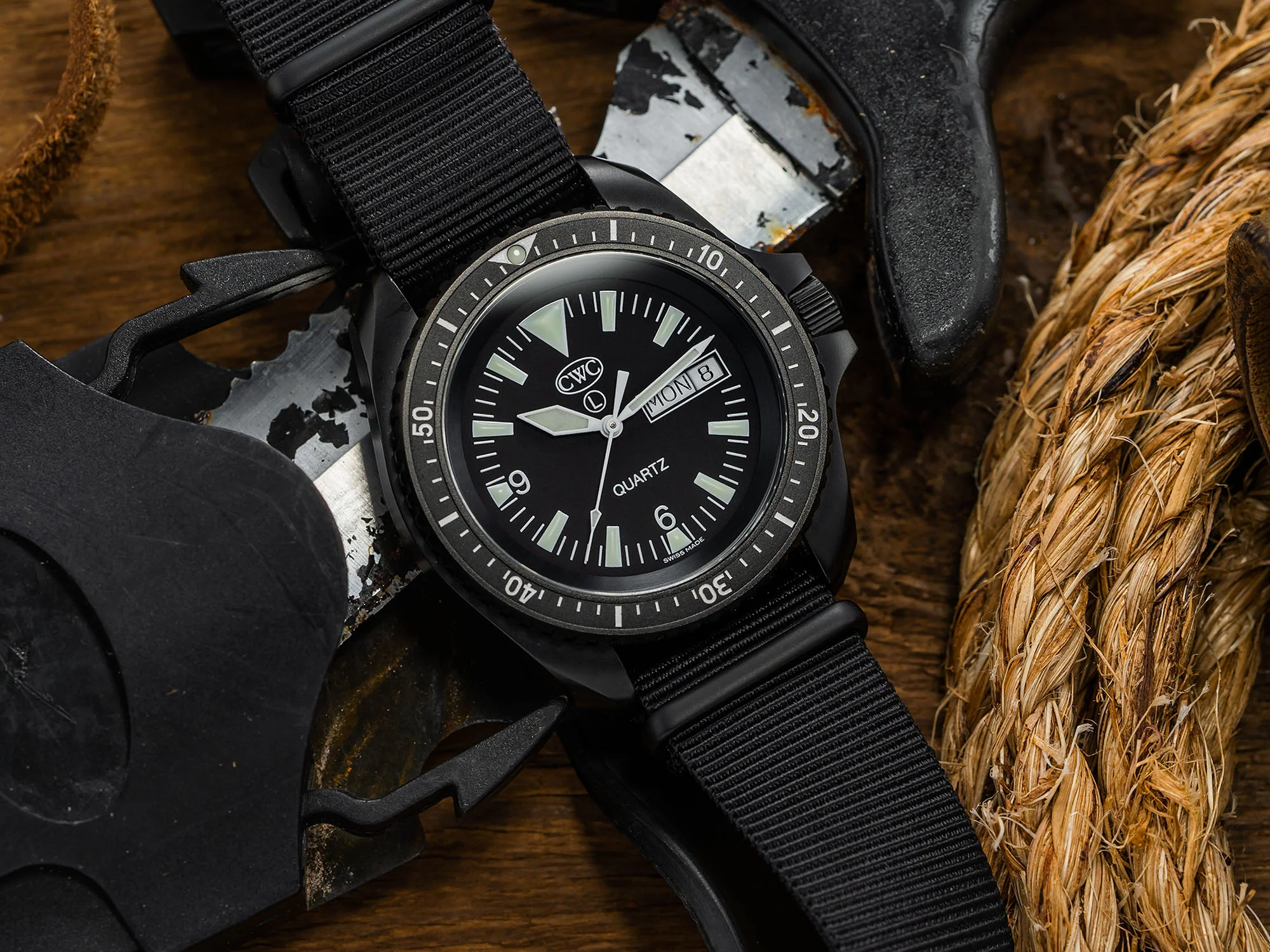
In DHgate photos, favour watch faces where the hands or digits stand out clearly from the background, the dial isn’t crowded with tiny sub-dials, and the main numerals or markers look large enough to read at a glance. Side-on shots should show buttons that protrude slightly, with enough space between them to press individually—even if you imagine wearing gloves.
For tactical use on DHgate, start by judging whether you can read the watch at a glance. Strong contrast between hands or digits and the background, simple layouts with one clear main display, and large numerals or markers all help when you are moving, tired or under stress. If the dial is packed with tiny sub-dials, decorative textures and small icons, it will usually be harder to read quickly than a plain, high-contrast layout.
Look closely at any photos that show the backlight or lume. An even, bright glow on the main hands or digits is more useful than weak or patchy lighting that only hits part of the display. Be wary of listings that promise “super bright” or “high readability” at night but never show a lit-up shot, or only use obviously edited images, because you cannot check how the watch behaves in real darkness.
Interface design matters just as much. In side photos, check that buttons are large enough to find by feel, stand proud of the case and are spaced so you could press one without hitting another. Clear labels or icons near each button are another good sign that you will remember what they do under pressure. Very small, flush or recessed buttons, especially on thick cases, are likely to be harder to use with cold hands or gloves.
Zoom in on DHgate images to spot warning signs: very small digits, cluttered multi-layer dials, tiny sub-screens hidden in corners, or micro-buttons tucked between guards. Marketing lines like “easy operation” or “user-friendly interface” do not mean much unless the photos back them up. Because you cannot test glare in bright sun or true visibility in pitch dark from a listing, it makes sense to treat especially busy or fussy designs with extra caution and favour watches that look simple and instantly readable.
Battery and power systems: planning for runtime and maintenance
Tactical watches on DHgate usually rely on one of three power systems, and each affects how dependable the watch will be in the field. Traditional rugged analog or digital models often use standard replaceable batteries. These can run for years depending on features and usage, but eventually you will need to replace the cell, which may involve opening the case with tools or taking the watch to a technician. The upside is predictable behaviour: when the battery is healthy, the watch simply works without you having to think about charging.
Some tactical-style watches add solar or other energy-harvesting features. These designs top up a built-in battery when exposed to light, which can significantly stretch the interval between battery changes and reduce maintenance. However, they still rely on finite internal storage, and performance depends on how much light the watch actually sees. If you wear it under sleeves or in low-light environments most of the time, you cannot assume it will stay charged indefinitely just because the listing calls it “solar-powered.”
Fully rechargeable smartwatches sit at the other end of the spectrum. They offer features like GPS, heart-rate tracking and notifications, but they depend on regular charging and usually have shorter runtimes between charges, especially if you leave many sensors and radios active. For multi-day field exercises or trips without easy power access, this can be a serious constraint: if the battery runs flat, you lose both smart functions and basic timekeeping until you find a charger.
If your priority is simple reliability in outdoor or combat-style scenarios, I would lean toward long-lasting, low-maintenance power setups—standard batteries or well-specified solar assistance—over anything that needs frequent charging. Moving toward more charge-dependent smart systems only makes sense when advanced navigation or training features clearly outweigh the hassle of keeping the watch powered. Whatever you choose, treat runtime claims in DHgate listings as marketing estimates rather than guarantees: compare them with typical expectations for similar watch types, and be cautious of vague or overly optimistic promises about battery life.
Water resistance ratings: what they really mean for tactical use
Gear compatibility: making sure your watch works with gloves, sleeves, and straps
- Check case diameter and thickness against your wrist size and usual clothing. Very large or tall cases are more likely to catch on jacket cuffs, backpack straps or other gear, while slimmer, lower-profile designs tend to slide under or over sleeves more cleanly.
- Review strap type and length—nylon, rubber, Velcro, leather or NATO-style—and how it adjusts. Make sure there is enough range to tighten on bare skin and loosen over clothing layers, and that the closure (buckle, hook-and-loop, clasp) looks both secure and simple enough to operate when your hands are cold or gloved.
- Look at lug width and any mention of strap compatibility. A clearly stated lug width helps you know whether you can swap to alternative straps later or mount the watch on tactical-style bands or adapters if you decide the supplied strap is not ideal for your gear setup.
- Confirm that DHgate listings provide specific measurements for case diameter, thickness, strap length and lug width, ideally in a dimension table or diagram. Treat missing dimensions—or numbers that don’t match what you see in photos—as a sign to be cautious about fit, especially if you have larger wrists or plan to wear the watch over gloves.
- When choosing between options, I would lean toward slightly smaller, lower-profile watches that interfere less with movement rather than oversized, flashy pieces that stick out and catch on equipment. If you deliberately prefer a bigger display, accept that extra bulk as a trade-off and be sure the strap design and dimensions still make sense for how you intend to wear the watch with the rest of your gear.
Reading DHgate seller and listing signals for tactical watches
Once you’ve checked that a tactical watch on DHgate looks suitable on paper, the next question is how much you can trust the listing and the seller. Start by looking at how carefully the offer is presented. Listings that spell out case, crystal, strap materials and water-resistance ratings in a clear, consistent way, and that use realistic language rather than vague promises, are usually more serious than ones that just say “high quality” or “military grade” without details.
Photo quality is another useful clue. Multiple clear images—front, side, back and close-ups of the bezel, crystal and strap—make it easier to spot whether the build looks solid, whether the finishing matches the description, and whether the same watch appears in every photo. If branding, logos or dial designs change between images, or if the pictures look like a mix of different models, treat that as a sign the listing may be sloppy or misleading.
Buyer feedback can help you sense real-world build quality and comfort, but it needs to be read as patterns rather than proof. Scan reviews for repeated comments about the watch feeling sturdy or flimsy, the strap being comfortable or irritating, and any mentions of failures like fogging, broken buckles or water ingress. A handful of brief, generic “good product” remarks tells you much less than several detailed comments that mention specific strengths or issues, and even then, remember that most reviews reflect short-term impressions rather than long-term abuse.
Seller-level signals on DHgate also matter. Higher ratings, a substantial number of completed orders, and a long presence on the platform can suggest experience and a track record of delivering what’s advertised. Newer or low-volume sellers aren’t automatically untrustworthy, but if they combine thin history with sparse specs or inconsistent photos, the risk goes up. I would be cautious about buying a hard-use tactical watch from a seller whose profile gives you very little to go on.
Even polished listings and strong ratings have limits. DHgate buyers don’t see laboratory test results or full manufacturer certifications, and neither photos nor feedback can guarantee that a watch will survive every impact or immersion. Treat detailed specs, clear close-ups, coherent branding, buyer-review patterns and solid seller history as clues you weigh together, not as proof. If those signals line up reasonably well, the listing may be worth considering; if they conflict or feel thin, it’s safer to assume the watch is more fashion than tool and keep looking.
DHgate tactical watch pre-purchase checklist
- Clarify your intended outdoor or combat-style scenarios and decide which core features and durability level you genuinely need—for example, basic timing and good legibility for dry field training, or stronger water resistance for frequent exposure to rain and shallow immersion.
- Check the listing’s durability and materials information: case and bezel construction, crystal type, strap material and hardware, and stated water-resistance rating. If any of these details are missing, vague or contradicted by the photos, treat the watch as a fashion piece and move on.
- Confirm the watch’s power system—standard replaceable battery, solar-assisted design or fully rechargeable smartwatch—and consider whether its typical maintenance demands fit your trips and access to tools or charging. If you expect long periods away from power, favour options that don’t need frequent recharging.
- Assess readability and interface by zooming into DHgate photos and reading the description. Look for clear hands or digits, high contrast between the display and background, an uncluttered layout, and buttons that appear large and spaced enough to use with cold or gloved fingers.
- Verify physical fit using the listed dimensions and strap details. Compare case diameter and thickness, strap length and lug width with your wrist size and usual clothing layers to judge whether the watch will sit comfortably and avoid catching on gloves, cuffs or gear.
- Evaluate listing clarity and consistency alongside seller signals. Specs should align with what you see in the photos, branding should match across images, and the seller’s ratings, order history and buyer feedback should collectively suggest they deliver as described. Be wary of aggressive tactical marketing paired with thin or inconsistent evidence.
- Review shipping costs and timelines, available payment methods and the key refund and dispute terms shown on DHgate. Make sure you understand how returns, refunds or complaints would work if the watch arrives with defects or does not match the description.
- If important information is missing, contradictory, or undermined by a weak seller history, decide not to buy that listing even if the style or price is attractive. I would rather keep searching for a more transparent, well-documented offer than risk a tactical watch that might fail when you actually need it.
Common pitfalls and red flags when buying “tactical” watches online
- Buying mainly for aggressive styling or camouflage patterns. A watch that looks “military” but has thin casing, decorative pushers, or no clear specs is more likely a costume piece than a field tool. If the photos scream tactics but the description is vague, treat it as fashion and move on.
- Assuming words like “army,” “military,” “special forces,” or “tactical” equal proven ruggedness. On DHgate, those labels are marketing, not test results. Only trust what you can see in stated materials, water-resistance ratings, and construction details that match the photos.
- Overlooking missing or unclear durability information. Listings that skip case material, crystal type, strap construction, or water-resistance rating are asking you to guess. If you cannot confirm these basics from the text and pictures, I would skip the listing, even if the design appeals to you.
- Believing extreme durability claims without evidence. Phrases like “indestructible,” “100% waterproof,” or “unbreakable glass” without realistic ratings or close-up photos are red flags. Prefer modest, specific claims—such as a stated WR level and named materials—over grand promises that no consumer watch can truly guarantee.
- Ignoring shipping, return, and dispute policies. If a watch arrives feeling flimsy, poorly finished, or less functional than the listing suggested, your options depend on the seller’s terms and DHgate’s dispute process. Check estimated delivery, return conditions, and refund rules before you order, not after you’re disappointed.
- Letting unusually low prices override your caution. A very cheap “elite tactical” watch with minimal specs and a vague seller profile carries more risk than it is worth for serious outdoor use. When in doubt, go back to your pre-purchase checklist and prioritise clear information, reasonable claims, and solid seller history over eye-catching marketing or discounts.
Tactical watch FAQs for DHgate buyers
Are replica or homage tactical watches okay for outdoor use?
Some replica or homage tactical watches can cope with rough outdoor use, but many are designed mainly to copy the look of famous models rather than their build quality. On DHgate, treat these listings like any other: ignore the resemblance to a well-known watch and judge them strictly by their own specs and evidence. Look for clear case, crystal and strap materials, realistic water-resistance ratings, and close-up photos that show solid construction. If durability details are vague, missing or inconsistent with the images, assume the watch is more about appearance than hard-use performance and choose a better-documented option.
What does “military-grade” or “MIL-SPEC” in a DHgate listing really mean?
Terms like “military-grade,” “MIL-SPEC,” or “special forces” are often used as marketing and do not automatically prove that a watch has been tested to formal standards. Unless the listing clearly names specific standards (for example, a recognised MIL-STD number) and describes verifiable tests, treat the wording as promotional. Evaluate the watch as a normal consumer product: check materials, water-resistance ratings, build details, and photo consistency, and weigh those against your needs. I would be cautious about trusting bold “military-grade” claims on their own without clear, detailed specs to back them up.
What can I do if my tactical watch feels flimsier than expected when it arrives from DHgate?
Start by comparing the watch carefully with the listing: re-read the description, specs and photos to see where the product falls short or differs from what was advertised. Document any issues with clear photos and notes—for example, loose strap hardware, poor finishing or a lower water-resistance marking than stated. Contact the seller through DHgate, explain the discrepancies calmly and provide your evidence, and see whether they offer a solution such as a replacement or partial refund. If you cannot resolve it directly, you can use DHgate’s dispute or refund process as allowed by the platform’s policies and timelines, understanding that the outcome will depend on those rules and the details of your case rather than being guaranteed.