
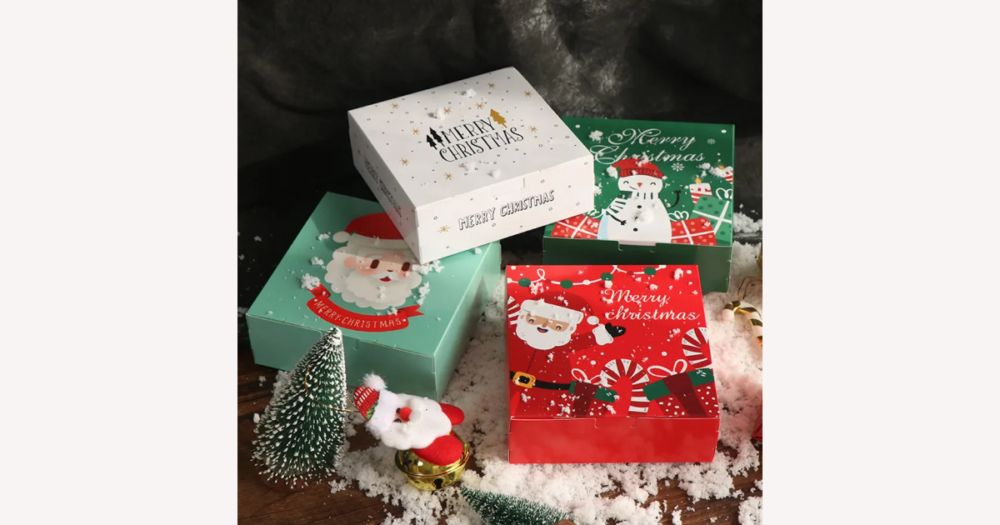
DHgate itself is one of the easiest places to find unique Christmas packaging ideas, because its sellers offer everything from simple kraft bags to elaborate gift boxes and mixed wrapping sets. The key is not chasing trends from external inspiration sites, but learning to read DHgate listings: use category filters and focused search terms, check materials and dimensions against your actual gifts, and scan photos and reviews for both design details and basic quality signals before you order.
Use DHgate’s variety as your main source of unique Christmas packaging ideas
On DHgate, Christmas packaging ideas come directly from the huge range of boxes, bags, pouches and wrapping sets that individual sellers offer. Rather than arriving with a trend from an inspiration blog, use DHgate’s categories and search bar—terms like “Christmas gift box”, “Christmas kraft bag”, or “snowflake window box”—to explore festive styles that feel different from what you usually see locally.
Because this is a marketplace, the real work is reading each listing carefully rather than assuming the photos tell the whole story. For any packaging you’re considering, pay attention to the material (for example, cardboard vs kraft paper), the listed dimensions, any notes about thickness or carrying capacity, and how many pieces are included per pack. Then use the photo gallery and any buyer reviews to judge whether the design details—colors, patterns, cut-outs, ribbons—look distinctive enough for your gifts and match the quality you expect.
This page won’t recommend specific products or other stores, and DHgate cannot guarantee that a design is unique across the entire platform. What you can do is choose packaging that feels special for your situation and still meets basic practical needs: it fits the gift, looks close to the photos, and doesn’t feel flimsy when handled. If you keep fit and material quality as your baseline, you can safely experiment with more creative Christmas designs on DHgate without relying on external idea lists.
Match DHgate packaging formats and specs to your gift types
When you start browsing Christmas packaging on DHgate, you’ll see a few common formats. Rigid gift boxes (with magnetic closures or lift-off lids) and foldable cardboard boxes are typical when you want something that holds its shape. Paper bags with handles work well for quick wrapping, while drawstring fabric pouches and plastic or cellophane bags are often used for small favors or treats. You’ll also find flat wrapping sheets and mixed accessory sets that combine paper, ribbons and tags so you can build your own look.
Different gift types tend to match these formats in broad patterns. Soft items like clothing or scarves can go in bags or foldable boxes without needing much structure. Fragile glassware or small electronics usually benefit from rigid boxes that can support padding. Bulk candy or many small items often suit pouches or small bags, and if you enjoy wrapping by hand, larger sheets of paper plus separate ribbons and tags give you more freedom. These are general guides rather than guarantees, but they make it easier to scan DHgate listings and quickly rule in or out formats that won’t work for your gifts.
| Format | Typical gift types | Key specs to check |
|---|---|---|
| Rigid gift boxes (magnetic or lift-off lid) | Fragile glassware, small electronics, premium cosmetics, keepsakes | Internal length/width/height, wall thickness or board weight, recommended or implied weight capacity, closure type and strength |
| Foldable cardboard boxes | Clothing, soft toys, sets of smaller items that can be padded | Flat and assembled dimensions, internal size once folded, cardboard thickness, maximum suggested load, assembly method (pre-folded vs DIY) |
| Paper bags with handles | Clothing, books, lightweight boxed items, mixed small gifts | Bag height and width, gusset depth, paper weight or thickness, handle material and attachment, stated weight limit if any |
| Fabric drawstring pouches | Jewelry, small cosmetics, party favors, candy in smaller quantities | Pouch width and height, fabric type, thickness or weave, drawstring strength and finish, whether lining is included |
| Plastic or cellophane bags | Cookies, candies, DIY gift sets, items that will be packed with additional support | Bag size (height, width, gusset), material type (OPP, CPP, cellophane, etc.), thickness, closure style (self-adhesive, twist tie, heat seal), food-contact notes where relevant |
| Wrapping sheets (paper or film) | Boxes you already own, irregularly shaped gifts, multi-piece gift sets | Sheet length and width, paper weight or thickness, coating or finish (matte, glossy), whether sheets are single or part of a roll, print orientation if patterns matter |
| Accessory sets (paper, ribbons, tags, stickers) | Any gift where you want to customize presentation with coordinated elements | Exact components included (number of sheets, ribbons, tags, stickers), counts per pack, dimensions of each item, material type and thickness for paper elements |
Understand common Christmas packaging materials and how they feel
On DHgate, most Christmas gift boxes use some form of cardboard, and the way that board is built has a big impact on how solid the package feels. Corrugated cardboard, with its fluted middle layer, is usually more rigid and impact‑resistant than thin single‑layer card, so it’s often used for shipping‑style boxes or larger gifts that need structure. Rigid board (sometimes described as chipboard or grey board) is dense and heavy, which makes keepsake boxes feel more premium and helps them hold their shape even after repeated use. By contrast, very thin card can crease and dent more easily, especially if the listing doesn’t mention thickness or board weight at all.
Paper bags and wrapping sheets are typically made from kraft paper or standard white or dyed papers. Kraft paper usually has a natural, slightly textured look with visible fibers and a more muted, rustic finish that suits simple or “eco” styles. Standard or colored papers can be smooth or lightly textured and may be described by weight or gsm; higher numbers generally mean thicker sheets that resist tearing and show fewer creases when you fold them carefully. When paper is coated or laminated, it tends to look glossier and feel smoother because a surface layer has been added, which can make printed Christmas patterns appear more saturated and sharp but can also highlight cracks if the coating is too stiff and the paper is folded tightly.
Some DHgate listings use non‑woven fabric, cotton, or other textiles for drawstring pouches and reusable bags. Non‑woven materials often look like fabric but are made from bonded fibers; they are usually lightweight and flexible, with a slightly matte, felt‑like feel. Cotton and similar woven fabrics tend to feel more substantial and “gift‑like,” especially for pouches meant to be kept and reused. You may also see plastics used in sleeves or transparent bags, such as clear OPP or cellophane‑style film; these materials are flexible and smooth, showcase the contents clearly, and can be quite durable if the film is thick enough, but thinner films wrinkle and puncture more easily. For anything that will touch food directly, you should not assume the material is food‑safe unless the listing clearly states this and, where relevant, mentions a certification or standard.
All of these are general material tendencies rather than guarantees about any particular DHgate product. Manufacturing quality, actual thickness, and how layers are glued or folded can make two “cardboard” or “fabric” boxes feel very different in real life. Treat labels like “rigid cardboard,” “kraft paper,” “coated paper,” “non‑woven,” and any gsm or thickness figures as helpful signals rather than promises. If, like me, you care most about sturdiness and the overall feel in hand, I would prioritize listings that spell out the material type and thickness clearly—even if the print looks a bit simpler—over eye‑catching designs that only say “paper box” or “gift bag” with no detail at all.
Spot unique Christmas packaging designs from DHgate listing details
Once you have a rough sense of formats and materials, you can start using DHgate’s listing details to judge whether a Christmas packaging design actually feels unique. Titles and descriptions that call out non‑standard shapes—like house‑shaped boxes, star or tree silhouettes, or cylindrical “hat box” styles—often signal something more distinctive than a basic cube. Mentions of cut‑out windows or transparent panels, embossed textures, foil stamping, or metallic accents also point to extra design work beyond a standard printed pattern. Customizable elements, such as spaces for names, short messages, or logos, can make even a simple structure feel more personal if that’s the kind of uniqueness you want.
The photos on a DHgate listing are just as important as the text. Scroll through every image, including close‑ups and any lifestyle or buyer‑uploaded photos, to see the packaging from multiple angles. Look for details like how the lid closes, whether there are magnetic snaps or ribbon ties, how neatly edges and corners line up, and whether tags, stickers, or inner trays are coordinated with the main design. I would pay attention to shots that show the inside of the box or bag as well, because they reveal lining colors, layered materials, and how sturdy the structure looks when actually holding items.
To avoid accidentally choosing something very generic, briefly compare a few listings in the same category—say, several red Christmas gift boxes or snowflake‑print bags. Standard patterns and shapes will start to repeat, while more unusual designs stand out because of their structure, color combinations, or finishing touches. As you do this, keep one eye on practicality: double‑check that the materials and dimensions still make sense for your gifts instead of letting the most eye‑catching artwork override concerns about size or strength. Uniqueness is ultimately subjective, and there’s no way to guarantee that a design is rare across all of DHgate, so the goal is to pick something that feels special enough for your situation without giving up fit or sturdiness unless you’re deliberately buying a purely decorative piece.
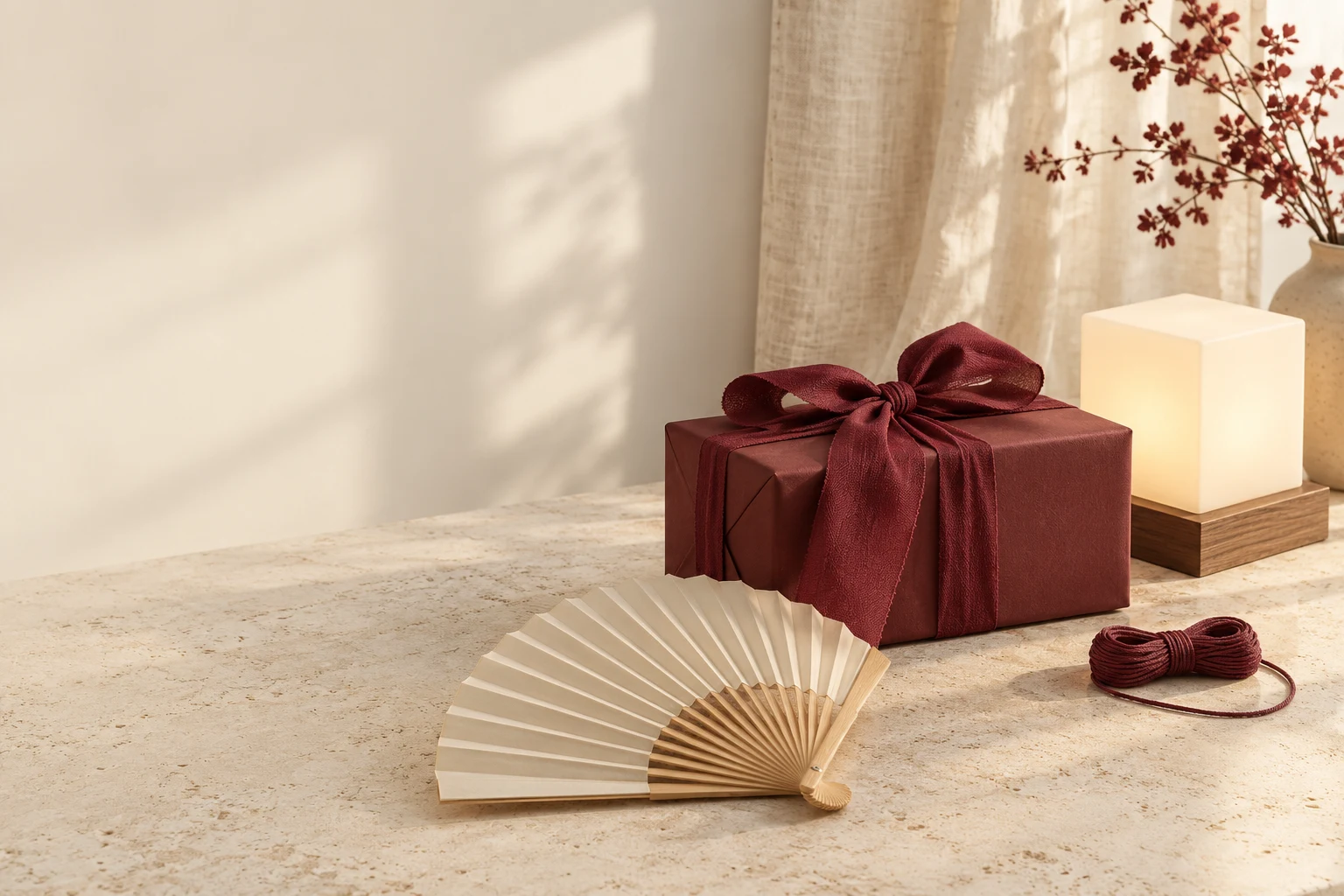
When you look at a DHgate listing image, imagine walking through each photo: first note the overall shape and print, then zoom in on closures, corners and any windows or ribbons. Using multiple angles this way helps you spot both unique design touches and practical details, like how wide the opening really is or whether the box holds its shape when filled.
Do a quick sizing and compatibility check before you order
- Measure your gift’s length, width, and height (or diameter for round items), and note any irregular corners or protruding parts that might need extra space.
- Compare those measurements with the listing’s dimensions and check whether it says “internal” or “external”; if this isn’t clear, treat the stated numbers as external and assume the usable internal space is slightly smaller.
- Add a small margin—around a centimetre or roughly half an inch on each side—to leave room for tissue paper, padding, or sleeves so you’re not forcing the lid, flap, or zipper shut.
- For heavier or fragile gifts, look for clues like maximum load, reinforced handles, double-wall construction, or thicker board; if none are mentioned, assume the box or bag is best for light items and avoid overloading it.
- Check how many pieces come in a pack and whether ribbons, tags, or inserts are actually included so you don’t end up short on packaging or missing decorative elements you expected.
Closure details affect both practicality and how the unwrapping feels. Magnetic flaps, lift-off lids, ribbon ties, zippers, and drawstrings all change how securely the packaging stays shut in transit and how easily someone can open and re-close it without tearing anything.
Choose a closure that fits the moment—for example, a simple lift-off lid for quick opening at a party, or a ribbon-tied box for a slower, more ceremonial reveal—while still looking secure enough for how far the gift needs to travel. I would rather pick a slightly simpler design with a clear, sturdy closure than a more experimental style that might pop open or be awkward to use.
Run a simple DHgate buyer checklist before you pay
- Check seller reputation by looking at overall ratings, the number of completed orders, and recent feedback, favouring sellers with steady, positive comments over one-off high scores.
- Review the listing for clarity: make sure materials, approximate thickness or gsm, internal dimensions, and quantity per pack are all stated; treat vague or incomplete descriptions as higher risk, especially close to Christmas.
- Examine shipping methods and estimated delivery dates, then compare them with your own timeline and leave some buffer so there’s time to wrap gifts even if there are modest delays.
- Look for a brief summary of DHgate’s current order protection, dispute, or refund options, and take a moment to read the policy overview on the site so you know the basic steps if items arrive significantly different from their description.
- When gifts or timing really matter, I would slightly prioritise reliable sellers and clear listings over the most experimental packaging designs, so that the chances of late or unusable packaging stay low even if it means choosing a more straightforward style.
Use reviews and buyer photos to cross-check quality claims
On DHgate, reviews, buyer photos, and Q&A offer a rough sense of how Christmas packaging actually looks and feels once it arrives, but they work best as patterns rather than proof. Scan several reviews at once and notice whether people repeat the same points about sturdiness, print sharpness, or color accuracy—for example, multiple buyers saying that boxes feel solid, that lids cave in easily, that gold foil looks crisp, or that reds print duller than expected.
Reviews with buyer-uploaded photos are especially useful because they show the packaging in real homes or offices instead of studio lighting. Those photos can reveal the real sheen of coated paper, how saturated a print looks, whether edges arrive neatly finished, and how tall or bulky a box appears next to everyday objects, which helps you imagine how your own gifts will look.
Where a listing has a Q&A section, you can also search or skim for answers about dimensions, what is actually included in a set, or whether a color option looks close to the photos. Treat those answers as clarifications from individual buyers or the seller, not official guarantees, because people can misunderstand questions, reply based on older batches, or give inconsistent detail.
Because reviews and Q&A are based on personal experience, they may be sparse for newer listings and they cannot guarantee that every future batch will be identical in quality. I would use them alongside the material, spec, and seller checks you’ve already done: take recurring problems—such as many buyers mentioning thin card or off-colour prints—seriously, but avoid letting one dramatic praise or complaint outweigh otherwise strong, consistent evidence.
Avoid common pitfalls when ordering Christmas packaging online
- Double-check how dimensions are described so you don’t mix up internal and external measurements or misread units. Look for labels like “inner size” or “usable size” in the description, confirm whether measurements are in centimetres or inches, and convert them to the same unit you used when measuring your gift before deciding a box or bag will fit.
- Watch for minimum order quantities and case-pack requirements so you don’t accidentally buy far more packaging than you intended. Read the quantity field carefully, look for notes such as “per lot”, “per set”, or “per bundle”, and check whether one order equals a single box or a multi-piece pack.
- Never assume accessories are included unless the listing clearly says so. Ribbons, tissue paper, tags, stickers, and fillers are often optional or sold separately, so look for a “set includes” or “package contents” line and treat anything not explicitly listed as something you may need to source elsewhere.
- Expect some difference between on-screen and real-life colours and prints, especially with metallic finishes and bright reds or greens. To reduce surprises, check all available listing photos, zoom in on close-ups, and use buyer-uploaded images where available to see how designs look in everyday lighting, while accepting that small variations are normal.
- Before you pay, take a final half-minute to re-read measurements, units, quantities, and contents against your earlier sizing steps and DHgate buyer checklist. A quick second pass now—especially on size labels, pack size, and what’s included—can prevent the most common small but annoying mismatches once your Christmas packaging arrives.
FAQ: Custom designs, color accuracy, and late or mismatched orders
Can I order custom Christmas packaging designs from DHgate sellers?
Some DHgate sellers do offer custom options such as printing your logo, adding a short message, or changing colors, but this is not guaranteed and details vary by listing. Look for words like “custom,” “logo print,” or “OEM/ODM” in the title or description, and check whether there are notes about minimum order quantities or extra lead time. Before placing an order, message the seller through DHgate with clear requirements—what design you want, how many pieces you need, your deadline, and any file format they require—and wait for a written confirmation in the chat so you have a record of what was agreed.
How accurate are Christmas packaging colors on DHgate compared with what I see on my screen?
Listing photos on DHgate are only an approximate guide, because lighting, camera settings, edits, and your own screen can all change how colors look. Expect some variation, especially with metallic prints and strong reds or greens. To narrow surprises, check all available product photos (including close-ups), compare different angles of the same color, and look at any buyer-uploaded images to see how the packaging appears in everyday lighting. Text descriptions like “wine red,” “forest green,” or “champagne gold” can also help you gauge the intended shade, but it is still sensible to accept small differences between what you see online and what arrives.
What should I do if my Christmas packaging from DHgate arrives late or doesn’t match the listing?
If your order arrives after you needed it or is significantly different from the listing—for example, wrong size, very different design, or noticeably fewer pieces—start by gathering evidence. Take clear photos or short videos that show the issue, keep any packaging labels, and note the order number and dates. Contact the seller through DHgate to explain the problem and share your evidence; many issues can be resolved with a partial refund, replacement, or another agreement. If you cannot reach a solution, follow the dispute or refund steps described in DHgate’s current help center or order protection pages, paying close attention to any time limits for opening a case. Outcomes and exact rules can change over time, so rely on the guidance shown in your account at the moment you file the dispute rather than older instructions.