
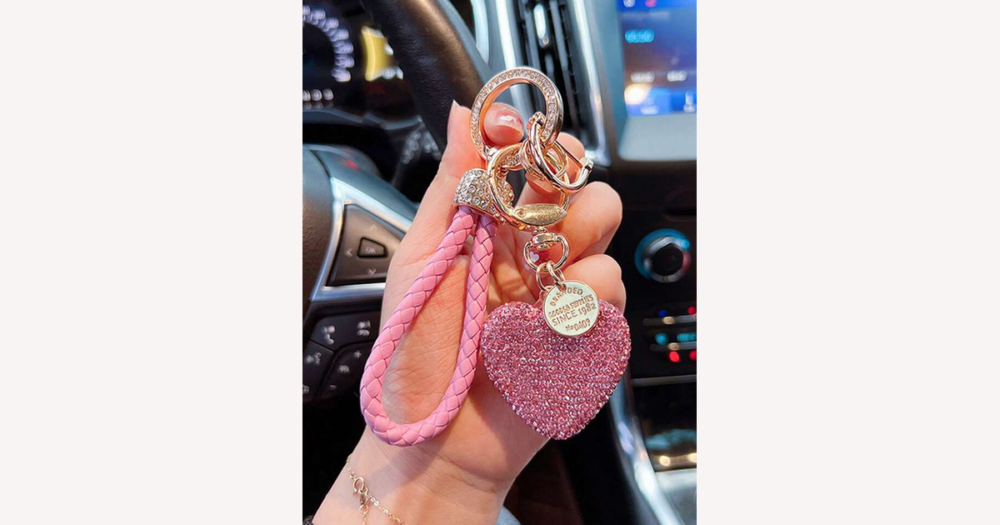
If you want unique baddie keychains, DHgate can surface a lot of bold, glam designs—as long as you know how to describe the aesthetic and read the listings. Instead of hunting for a dedicated “baddie” category, you’ll use concrete keywords, style descriptors, and DHgate’s filters to pull up layered chains, rhinestones, and attitude‑heavy charms, then favor the listings with clearer photos and material details so what you receive actually matches your look.
Translate the baddie aesthetic into DHgate search terms
On DHgate, “baddie” is a vibe rather than a formal category. You’re looking for bold, glam accessories that feel extra: chunky chains, shiny metallics, rhinestones, stacked charms, and lettering or icons with attitude—money signs, flames, hearts, lipstick tubes, dice, angels or cute devils, and similar motifs. Those looks usually appear under broader fashion keychain or bag‑charm listings, so you have to describe the style yourself rather than relying on a dedicated baddie filter.
To surface that aesthetic, combine concrete accessory words—keychain, keyring, key holder, bag charm—with descriptors like bling, aesthetic, Y2K, streetwear, kawaii, or cute. For example, searching phrases such as “bling keychain” or “aesthetic bag charm” on DHgate will often pull in pieces that match a baddie look even if the listing never uses that word. It’s normal for results to overlap with K‑pop, anime, Y2K, luxury‑inspired, or general streetwear themes, because you’re searching by vibe and materials rather than a strict category label.
- Try targeted keyword phrases that mix style and accessory terms, such as: “baddie keychain,” “bling keychain,” “rhinestone bag charm,” “chain keyring,” “acrylic charm keychain,” or motif‑based searches like “lipstick keychain,” “dice keychain,” “dollar keychain,” “angel keychain,” “flame keychain,” or “cute devil keychain.”
- Start broad with aesthetic descriptors (for example, “Y2K keychain,” “streetwear keyring,” “kawaii bag charm”) and then narrow once you see what you like by adding material or color words such as “gold tone,” “silver,” “black,” “pastel,” or “neon.” Use DHgate’s typical filters—price range, shipping to US, minimum rating, and order volume—to keep results within your budget and region while favoring listings other buyers have already tried.
- When you compare results, put clear information ahead of pure uniqueness. Prioritize listings that show multiple, well‑lit photos from different angles and include specific material details (for example, “zinc alloy,” “acrylic,” “plush”) over vague, buzzword‑heavy listings with only one blurry image. If a listing leans on aesthetic terms but offers little visual or spec detail, treat it as higher‑risk and only go for it if you’re genuinely comfortable with the possibility that the real keychain may look or feel different than you expect.
Know your keychain materials, designs, and how they wear
Once you’re looking at specific baddie‑style keychains on DHgate, most will follow the same basic construction: a base keyring or clasp, a short length of chain or connector, and one or more charms. The hardware is usually a metal split ring, carabiner, or lobster clasp, with charms that might be metal cutouts, acrylic or resin shapes, faux leather tassels, plush figures, or lettered tags. That layered build is what makes the keychain feel extra, but it also introduces points where wear‑and‑tear shows up fastest.
Materials tend to fall into a few familiar groups. Zinc‑alloy or stainless‑like metals feel solid and give you a shiny, high‑gloss finish, though plated pieces can chip or tarnish over time. Acrylic and resin charms are lightweight, great for big shapes and strong colors, but they can scratch if they bounce around with keys. Silicone or rubber charms feel soft and flexible, making them comfortable to grab, while plush characters are cute and squishy but can flatten or collect lint. Faux leather tassels add movement but may crease, and enamel fills or printed graphics under clear resin give crisp designs that can eventually fade. Rhinestones or crystal embellishments deliver maximum sparkle, yet individual stones may shed if the keychain is knocked around in a bag.
For a baddie look, high‑gloss metal and heavy rhinestones read as more glam but add noticeable weight to your keys or bag. Layered chains and many charms make the piece look louder and more expensive, but they can tangle with headphone cords or zipper pulls. Oversized acrylic charms shout visually from across the room, though they may feel bulky in a pocket. Typical weak points include thin jump rings that can open, cheap clasps that don’t close smoothly, plating that chips at edges, printed graphics that fade, and stones that loosen with rough use. To stay on the safer side, favor listings that show close‑up hardware photos and name materials—“stainless steel,” “zinc alloy,” “acrylic”—instead of just saying “metal” or “plastic.” If you care more about uniqueness than sturdiness, it’s still wise to expect some chipping, tarnish, or loose stones over time and use those riskier pieces as bag charms or occasional accessories rather than the keychain you handle constantly every day.
Use a repeatable DHgate routine to vet baddie keychain listings
- Search and shortlist: Use your baddie-style keywords on DHgate, then open several listings whose photos immediately match the bold, glam look you want instead of locking in on the first cute option.
- Inspect photos: Move through the full photo gallery and zoom in on hardware and charms. Look for multiple angles, close-ups of clasps, chains, and stones, and buyer-uploaded photos that show how saturated the colors are and whether prints or rhinestones look crisp rather than dull.
- Read specs: Check the description for named materials (for example, acrylic, resin, zinc alloy, stainless), finishes, exact size measurements, and what’s included in the set. When dimensions, materials, or piece counts are vague, assume the keychain may arrive smaller, lighter, or cheaper-feeling than the glam shot suggests.
- Review feedback: Scan buyer reviews and any Q&A for specific comments on quality, color accuracy, and durability, plus photos taken after some use. Pay attention to patterns—several people mentioning chipped plating, loose stones, or very small charms is a warning, even if the overall score looks fine.
- Confirm options: Double-check which color or style variant you’re actually selecting, whether the price is for a single keychain or a multi-piece set, and any notes about random assortment versus choosing a specific design so you’re not surprised by filler charms or a different style than the one in the main photo.
- Use this routine to filter out common problems: listings that only show one glam shot, hide size, or have vague reviews are more likely to produce surprise mini sizes, flimsy hardware, dull metal, or sets packed with filler pieces. I’d rather spend a few extra minutes on these checks and choose a slightly less unusual design with clear details than gamble on a mystery listing; if you’re more risk-tolerant, at least make sure reviews, materials, and size look solid before you buy.
This video walkthrough shows how to move through a typical DHgate-style listing: opening the photo gallery, zooming hardware and charms, locating material and size details, scanning review thumbnails, and finding variant menus, so you can spot listings with multiple clear photos, named materials, and detailed buyer feedback versus those that rely on a single glam image and vague specs.
As you run through this routine, keep the material and wear traits from the previous section in mind. If close-ups show heavy rhinestones and layered chains, ask whether that extra shine and weight fits how you’ll actually use the keychain—on a bag you rarely grab, or on keys you handle all day.
I’d personally trade a bit of uniqueness for clear photos, named materials, and honest reviews, because that makes it more likely the keychain will look as good in real life as it does online. A listing with one dramatic photo and no detail can work if you’re lucky, but it’s also where flimsy clasps, thin rings, and faded prints tend to hide.
If you’re comfortable with more risk, you might skim instead of fully inspecting every listing, but it’s still worth pausing to confirm at least reviews, materials, and size. Those three checks catch most of the worst surprises before you commit to a baddie keychain that won’t actually fit your vibe or everyday use.
Check seller reliability before trusting a cute listing
A keychain listing can look perfect, but your experience still depends on the seller behind it. On DHgate, reliability signals include the overall rating, how many orders or transactions the seller has handled, how recently reviews were posted, and how detailed buyer comments and photos are—especially for small accessories like keychains.
Positive patterns to look for are a solid rating paired with plenty of recent reviews on similar low-cost items, where people mention consistent quality, accurate colors, and shipping that roughly matches the estimate. Red flags include repeated low-star feedback about flimsy hardware, stones falling off, or orders arriving much later than promised, even if the average score doesn’t seem terrible at first glance.
Seller responsiveness is another useful signal. Sellers who answer buyer questions, clarify which styles or sets are included, and respond politely when issues pop up tend to be easier to work with if something goes wrong. A listing with confusing options and no answers to basic questions feels riskier, because you’re guessing instead of getting clear information.
Newer or low-volume sellers aren’t automatically bad; they just come with more uncertainty. If you’re tempted by a rare or very unique design from a newer shop, take extra care: reread the listing details, hunt for any buyer photos you can find, and consider placing a small test order if you’re comfortable with that level of risk rather than buying several pieces at once.
For baddie keychains, I usually prefer slightly less unique designs from sellers with strong, detailed feedback over ultra-rare styles from barely-reviewed sellers—more certainty, less drama. Ratings, reviews, and responsiveness are still probabilities, not guarantees, so treat them as signals that tilt the odds in your favor rather than proof that a transaction will be flawless.
Confirm key details in DHgate’s order and payment flow
- Confirm variants: check that the selected color, charm style, and quantity match what you actually want, especially if the listing offers multiple designs or set sizes.
- Check shipping details: make sure the listing ships to your address in the US, confirm the chosen shipping method (economy vs faster options), and review the estimated delivery window—this matters if you’re buying for a gift or event.
- Review address and contact info: verify your shipping address, postcode, and any required phone or email are correct before you move on to payment.
- Verify the cost breakdown: look at item prices, shipping costs, any taxes shown, and coupons or promos that should apply, and decide whether the total still feels reasonable for small accessories.
- Confirm the payment route: note that payment is processed through DHgate’s system rather than sent directly to the seller, and only continue if the order summary looks complete, accurate, and clearly priced.
When you add several baddie keychains or small accessories to your DHgate cart, the way items are grouped can change shipping methods and totals. Some pieces may ship together, while others use separate packages or carriers, and the per-item cost can shift once you see everything in one summary. It’s worth skimming the cart breakdown to see which items are bundled, how much shipping you’re paying per seller, and whether the overall total still makes sense for low-cost accessories.
If anything in the cart is unclear—variants, quantities, or how the shipping has been calculated—it’s better to slow down and fix it than to pay on impulse for a very unique design and discover later that the wrong style or set size was selected. For very inexpensive items, small price differences might be fine, but you should avoid confirming any order where the basics are fuzzy: how many keychains you’re buying, which exact style you’ve chosen, and how and when they’ll be shipped.
Plan for shipping surprises and know your protection options
Run a quick checklist before you buy any baddie keychain
- Style match: Do listing photos and any buyer images clearly show a baddie aesthetic you actually like—bold colors, glam shine, layered charms, and motifs that fit your vibe?
- Named materials: Are materials and finishes spelled out (for example, zinc alloy, stainless steel, acrylic, resin, rhinestones, plush) instead of just “metal” or “plastic,” and does the hardware look reasonably sturdy in close-up photos?
- Clear specs: Are size and, if available, weight listed, and do they make sense for how you’ll use it—light enough for a daily keyring, or big and chunky enough to stand out as a bag charm?
- Seller signals: Is the seller’s average rating, review count, and recent feedback pattern strong enough for your comfort level, with buyer photos and comments that mention small accessories like keychains?
- Shipping and timing: Are the shipping method, cost, and estimated delivery window acceptable for a low-cost accessory and any specific date (event or gift) you have in mind?
- Protections and evidence: Do you understand DHgate’s order-protection window, and are you prepared to keep screenshots of the listing, your order details, and any messages in case you need to open a dispute?
- Final pass: I prefer to run this whole checklist quickly for every baddie keychain, especially in multi-item carts; if you’re more relaxed about style variations, at least double-check the seller signals, specs, and protections before you buy instead of relying only on cute photos.
FAQs about shopping baddie keychains on DHgate
How can I tell if a baddie keychain on DHgate is sold individually or as a set?
Look for piece-count clues in the title and description, such as “1pc,” “2pcs,” or “set of 5,” and check whether the text lists exactly how many keychains or charms are included. Then open the variant or quantity menu: if options are labeled like “1 piece,” “3 pieces,” or “random 1 from set,” the base price is usually for a single item; if variants are described as “set A,” “set of 3,” or similar, you’re likely choosing a multi-piece pack. If wording and price still feel unclear, treat the listing as higher-risk or message the seller before ordering.
How should I approach bulk orders of baddie keychains for gifting or resale on DHgate?
Check whether the listing has a minimum order quantity (MOQ) or tiered pricing—many wholesale-style listings show lower per-piece prices at higher quantities. Compare the price per keychain at different levels, then start with the smallest quantity that makes sense as a test, especially with a new seller. After that sample order arrives, you can decide whether quality, colors, and hardware feel good enough to justify a larger batch, keeping in mind the same seller-rating and review checks you’d use for single pieces.
What should I do if the listing photos look very glam but the description is vague or more basic?
Treat mismatched signals as a warning. If photos show heavy rhinestones and glossy metal but the description only says “metal keychain” or “decorative pendant,” assume the real item may be simpler than the pictures. Use DHgate’s messaging to ask the seller direct questions about materials, stone density, and whether all charms shown are included. If the seller doesn’t respond, answers vaguely, or you’re still unsure, either skip the listing or only buy if you’re comfortable with a higher chance of color, shine, or charm differences and willing to rely on DHgate’s protections if the item is clearly not as described.
Can mixing styles from different DHgate sellers in one cart affect shipping costs and timing?
Yes. When your cart includes baddie keychains from multiple sellers, each seller usually ships separately, which can mean different shipping fees, methods, and delivery windows. Before paying, review the shipping line for each item or seller, note the estimated delivery dates, and decide whether staggered arrivals work for your event or gifting plan. It often makes sense to group time-sensitive pieces under one reliable seller with a delivery window you can accept, and treat more experimental designs from other sellers as flexible-timing extras.
How do these FAQ tips fit with the rest of the DHgate guidance for baddie keychains?
These answers cover edge cases—sets vs single pieces, bulk orders, glam-but-vague listings, and multi-seller carts—and work best when you combine them with the earlier routine: translate your baddie style into clear search terms, inspect photos and specs, favor sellers with solid ratings and detailed reviews, double-check order and shipping details before paying, and keep records in case you need DHgate’s order protections. I’d still prioritize clarity and established sellers first, then only take risks on less documented listings if you deliberately accept the extra uncertainty.