
Florida hockey is popular because the sport has finally clicked at every level in the state: the Florida Panthers have turned into a winning, high-profile NHL team, the Florida Everblades have built a strong regional following with championship runs, and youth hockey has surged thanks to development programs and travel teams. Combined with Florida’s tourist-heavy, entertainment-first culture, this success has created real demand for tickets, jerseys, beginner gear and even street/roller hockey setups — and that demand now flows through team stores, resale sites, big-box chains and global marketplaces.
If you’re thinking about buying into the boom — as a fan or as a parent — understanding those drivers will help you pick better seats, smarter merch, and more appropriate gear for Florida’s climate.
Florida’s Hockey Boom and What It Means for Buyers
Hockey in Florida used to be treated as a risky experiment. Over the past decade and especially in recent seasons, it’s turned into a thriving sports business that draws national media, sports tourism and packed arenas, as reported by outlets like Front Office Sports.
Three forces matter for your wallet:
- Winning pro teams. The Florida Panthers have gone from afterthought to model franchise, with deep playoff runs and sustained success that have energized the fan base and made Amerant Bank Arena a hot ticket, as covered by ESPN. On the Gulf Coast, the ECHL’s Florida Everblades have turned championships and consistent competitiveness into a loyal local crowd, according to their team history.
- Youth participation spike. Youth hockey in Florida has grown rapidly over the last decade, with learn-to-play programs, travel teams and new rinks helping more kids get on the ice. CBS Sports reports that participation has risen substantially in this period, driven in part by the Panthers’ rise and community outreach.
- Entertainment-first game experience. Panthers home games now feature multiple ticket tiers and upscale in-arena experiences that reflect strong demand in the local market, including premium seating and club areas, as described by Axios.
For buyers, that means:
- Tickets can range from accessible weeknight seats to premium experiences that feel closer to a night out in Miami than a traditional cold-market hockey game.
- Team-branded merch is more varied and localized (beachy designs, bilingual slogans, South Florida colorways) and sells through quickly around big playoff runs.
- Parents have to navigate a fast-growing youth market: starter equipment, used gear swaps, and off-ice options kids can use in driveways and cul-de-sacs.
Types of Florida Hockey Products: From Tickets to Youth Gear
Florida’s hockey boom turns into several distinct product categories. Thinking in these buckets helps you avoid impulse buys and zero in on what actually fits your situation.
1. Live game tickets
Panthers and Everblades tickets typically break down into:
- Upper-bowl or corner seats: Usually the entry point for casual fans or families testing the waters. Good for soaking up atmosphere without paying premium rates.
- Lower-bowl and center-ice: For buyers who care about sightlines and on-ice detail. These are more in demand during big regular-season matchups and playoffs.
- Premium/club seating: These options focus on amenities — lounge access, upgraded food, and a more social environment. Axios’ reporting on Panthers games notes how these tiers have grown with the team’s success.
Decision tip: If your priority is “memorable Florida experience” over pure hockey detail, a mid-level lower-bowl or club seat often hits the sweet spot. If you’re bringing kids to their first game, cheaper corner/upper seats can be better: you’re less stressed about spills and early exits.
2. Fan apparel and merch
You’ll see three broad types:
- Official team jerseys and on-ice replicas. Sold through team stores, NHL-authorized retailers, and reputable sporting goods chains. Better stitching and crest quality, correct colors, and current player names.
- Lifestyle apparel. Hoodies, T-shirts, beachwear and hats with Panthers or Everblades branding but a more Florida-first look (pastel colors, palm trees, bilingual slogans). These tend to be popular for locals who want hockey fandom to blend with everyday wear.
- Unofficial merch. Third-party prints, parody designs, and generic colorway gear that nods to the teams without using trademarks directly. Quality and legitimacy vary widely.
Because Florida is hot, breathable fabrics and lighter-weight hoodies matter more here than in cold markets. Look for mesh panels, lightweight cotton blends and caps instead of knit beanies if your use case is outdoor watch parties or bar crawls.
3. Youth and beginner equipment
For kids and new adult players, the core gear categories are:
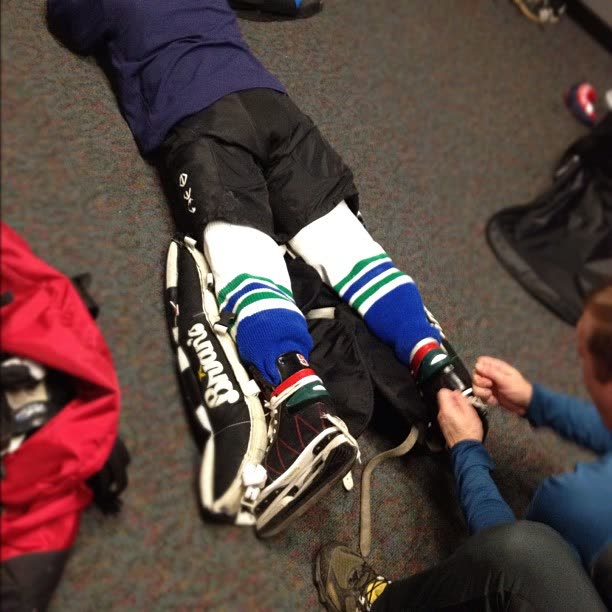
- Starter kits: Helmet, gloves, shoulder pads, shin guards and a stick, sometimes bundled. These are commonly sold at big-box sporting goods stores and local rinks.
- Skates: For Florida beginners, comfort and fit trump high-end performance. Many learn-to-play programs encourage entry-level models until growth settles and skill improves.
- Practice wear: Lightweight base layers, practice jerseys and socks that breathe well in warmer rinks.
Florida’s climate changes the equation. Rinks can feel warmer than in northern markets, so buyers should prioritize moisture-wicking base layers and not overbuy heavy thermal gear.
4. Street and roller hockey gear
Because ice time and travel can be expensive, a lot of Florida hockey culture spills into driveways and rec centers:
- Roller/inline skates for asphalt surfaces.
- Plastic or composite sticks and balls instead of pucks.
- Portable nets that can be moved between cul-de-sacs, parks and school lots.
For many families, this category is the “low-friction” way to let kids play more often without paying for extra ice sessions.
Where to Buy Florida Hockey Items and How to Judge Sellers
You now have four main channel types to weigh: official team sources, ticket resale, general sporting goods, and global marketplaces.
Here’s a compact view of how they differ:
| Channel type | Best for | Key strengths | Biggest watch-outs |
|---|---|---|---|
| Team stores & sites | Official jerseys, lifestyle merch, some tickets | Authentic branding, current designs, arena pickup | Higher price points, limited discounts |
| Ticket resale platforms | Sold-out games, specific sections | Seat selection filters, last-minute options | Fees, variable seller reliability |
| Big-box & local pro shops | Youth gear, practice wear, some apparel | Try-on fit, staff guidance, used-gear racks | Limited niche designs, regional inventory |
| Global online marketplaces | Generic gear, street/roller items | Wide variety, cross-border price competition | Quality variance, licensing/brand questions |
1. Official team and league channels
For tickets and true team-branded apparel, this is the safest baseline:
- Tickets: Use official Panthers and Everblades sites or league partners first, then branch to resale only if your preferred game or section is unavailable.
- Jerseys and on-ice replicas: Prioritize team stores and established hockey retailers. Look for correctly placed logos, league tags, and consistent stitching.
Sizing decision: Florida fans often wear jerseys outdoors or over lighter clothing. If you’re used to layering over a hoodie in northern arenas, you may want to drop a size for Florida to avoid a baggy feel.
2. Resale platforms for tickets
Resale sites matter most once the boom collides with limited inventory. During playoffs or high-profile matchups, many Florida buyers:
- Start with the official box office, then compare resale listings by section and total cost (ticket + fees).
- Focus on clearly mapped seat locations and seller ratings.
Practical check: Filter by row and section, then step down one price tier or one section if you’re flexible — that’s where you often find value seats that still deliver a strong in-arena experience.
3. Big-box stores and local pro shops for gear
These shine for youth and beginner gear because you can:
- Have kids try on helmets and skates for fit and comfort.
- Ask staff about typical starter setups for local rinks and programs.
- Scan used-gear areas to offset costs in a fast-growing sport.
Climate-specific decision: Ask staff which base layers and practice jerseys breathe best in your local rink. A single well-chosen top can be more valuable than overbuying heavy padding.
4. Global marketplaces and cross-border buys
Marketplaces like DHgate often list generic hockey and street-hockey items — sticks, balls, plain-color practice wear, or non-team-specific accessories. If you go this route:
- Treat it only as a source for non-branded or loosely themed gear, not official Panthers/Everblades items.
- Check seller ratings, detailed photos and buyer reviews closely before purchasing.
- Avoid listings using team logos or names without clear proof of licensing; those are unlikely to be official.
Cross-border decision: Factor in longer shipping windows and the chance that a kid’s size or league requirement changes while you wait. For fast-growing youth players, buying skates and helmets locally is usually safer.
If you’re a fan, start with a realistic ticket budget and decide whether you care more about atmosphere or amenities, then choose between corner seats and club sections. If you’re a parent, prioritize fit, safety and Florida heat by leaning on local shops for core gear and using wider marketplaces only for generic accessories or driveway setups. Florida hockey is booming; with a few targeted checks, you can ride the wave without overspending or ending up with the wrong gear.