
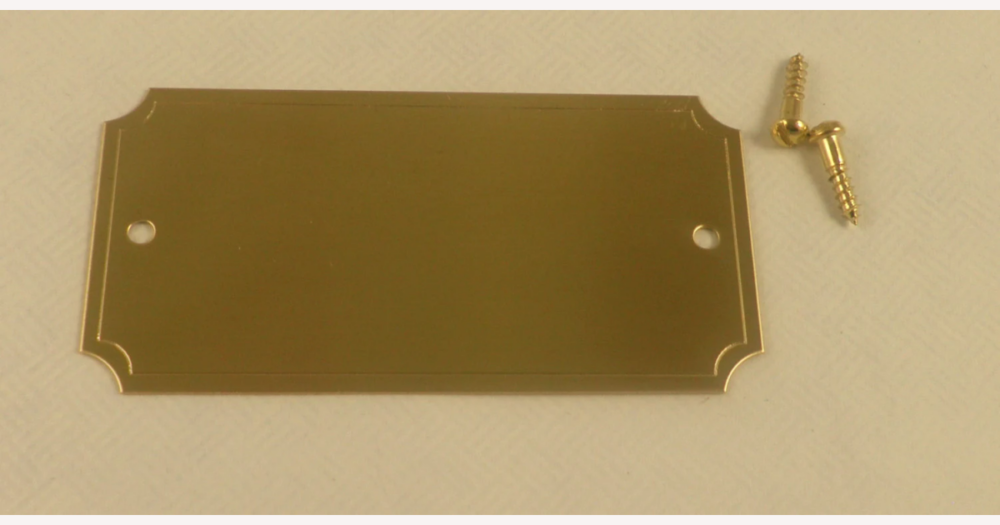
If you want blank brass nameplates for DIY projects, DHgate can be useful, but only if you treat it as a marketplace to interpret rather than a shelf to browse. Independent sellers list small brass plates, plaques, and tags under broad engraving and craft terms, so the real skill is turning your project into clear spec targets—material, finish, thickness, size, mounting—and then favoring listings and sellers that describe those details well, even if they aren’t the absolute cheapest option.
How DHgate fits into the search for blank brass nameplates
On DHgate, blank brass nameplates show up within broader categories of small metal plates, plaques, tags, and sheets offered by many independent sellers. You’ll see items described for engraving, labeling, crafts, trophies, furniture, or home decor rather than a single neat “blank nameplate” aisle, and current inventory or categories can change at any time, so this guide is preparation for your own search rather than a guarantee that every project can be matched on DHgate.
A realistic way to start is to use practical, flexible search terms in DHgate’s search bar—phrases like “blank brass plate,” “brass engraving plate,” “brass nameplate,” or “metal label tag.” From there, assume that photos and titles are only the starting point: open promising listings and look closely at material type, finish, thickness, dimensions, mounting method, and seller feedback before you treat anything as suitable for your DIY project.
Inventory on any marketplace moves quickly, so I would treat clear specifications and a traceable seller history as non‑negotiables rather than nice‑to‑haves. If a listing glosses over whether the plate is solid brass or brass‑plated, leaves thickness or exact size vague, or comes from a seller with thin or unhelpful reviews, I would rather skip it than gamble on a cheaper but poorly documented option.
Key physical specifications that define a brass nameplate
For DIY work, a brass nameplate is defined by a handful of core physical specs. At minimum you need to know the material composition (solid brass vs brass‑plated base metal), the surface finish, thickness, exact length and width, edge and corner style, and the mounting method. Solid brass generally feels heavier and can age with a natural patina, while brass‑plated pieces are often lighter and may chip if you work them hard. Finish options—polished, brushed, antique, lacquered, or raw—change how reflective the plate looks, how easily it shows fingerprints, how fast it will tarnish, and how well it accepts engraving, stamping, painting, or printing.
Thickness is what separates flimsy plates from ones that feel comfortably rigid. Very thin sheets can flex or dent easily, which might be fine for a subtle label on a smooth surface but frustrating on a frequently handled item; slightly thicker plates tend to stay flat and look more substantial on frames, boxes, or doors. Exact dimensions matter just as much: the listed length and width need to sit comfortably inside the available space on your project without crowding edges or looking lost, and decorative details like beveled or rounded edges, corner radius, or borders should match the style you have in mind.
Start from a concrete project surface and work backward into specs. For a picture frame, wooden box, door, or plaque, measure the spot where the plate will sit, think about how much margin you want around it, and decide how you plan to attach it—tiny screws through pre‑drilled holes, adhesive backing, included hardware, or a completely plain blank you’ll secure yourself. Then write down your target dimensions, a minimum acceptable thickness, your finish preference, and whether you need holes, adhesive, or a bare back. Having that list beside you when you scan DHgate listings makes it much easier to reject plates that clearly don’t fit—or that never state material or thickness at all. Personally, I’d treat those missing details as a red flag and move on, even if the price looks tempting.
Material and finish choices for brass nameplates
For DIY nameplates, the first big distinction is whether the piece is solid brass or a brass‑plated base metal such as steel. Solid brass usually feels heavier in the hand, develops a natural patina over time, and can tolerate deeper engraving or stamping without cutting through a thin surface layer. Plated plates can look very similar at first glance, but they’re often lighter, may rust if the underlying steel is exposed, and heavy mechanical engraving or deep stamping risks chipping the brass layer and revealing the core metal.
Most blank plates are offered in a handful of standard finishes. Mirror‑polished brass is very shiny and shows fingerprints quickly; brushed or satin brass is more muted, hides small scratches and prints better, and often suits everyday hardware or labels. Antique or patinated finishes add darker tones or aged highlights, which can look great on vintage‑style projects but may slightly reduce contrast for fine engraving. Some plates are lacquered or otherwise coated so they stay bright longer and resist tarnish, while raw or lightly finished brass will slowly darken and can be polished or patinated to taste.
Surface treatment matters for how you work on the plate. Raw or lightly finished solid brass generally behaves predictably under mechanical engraving, hand stamping, or chemical etching because the tool or etchant is interacting directly with the metal. Thick clear coats, colored paints, or very heavy plating can chip, flake, or resist marking methods, especially stamping or etching, and may be better treated as decorative pieces you label with paint, vinyl, or printing rather than aggressive metalworking techniques.
Marketplace listings don’t always spell these differences out. A description that just says “brass plate” could mean solid brass, brass‑plated steel, or even another alloy with a brass‑colored finish. I would strongly prefer paying a little more for a listing that clearly states “solid brass” and specifies the finish (polished, brushed, antique) and whether there is any lacquer or coating. When those details are vague or missing, treat that as a caution: read the description again, check any close‑up photos for clues, and contact the seller to ask about material and coatings before you commit. If the seller can’t answer clearly, I’d move on rather than risk a plate that looks right in photos but behaves badly when you try to engrave or stamp it.
Reading size, hole spacing, and quantity details correctly
- Measure the spot where the nameplate will sit—on a frame, box, door, or plaque—using a ruler or calipers. Note both the absolute maximum size that fits and the smaller “preferred” size that leaves a comfortable visual margin around the plate.
- Compare those numbers to the listing’s stated length, width, and thickness. Remember that decorative borders, bevels, or raised edges reduce the visually usable engraving or labeling area, so a plate with heavy edging may need to be slightly larger than a plain one to give you the same working space.
- Look closely at the photos and text to see whether mounting holes are pre‑drilled, how many there are, and where they’re positioned (corners, along the edges, centered). Hole spacing determines where screws or nails will go relative to the underlying material; make sure that pattern makes sense for your frame, box, or door and won’t land on weak or obstructed areas.
- Confirm how many plates you’re actually buying. Marketplace listings often sell multi‑packs, using phrases like “pieces per lot” or showing a quantity such as 10 pcs, 20 pcs, and so on. Match that number to how many identical nameplates your project needs so you don’t under‑order or end up with far more plates than you can use.
- Before you place an order, take a final pass over the measurements and quantity wording. Physically compare the listed dimensions to a ruler or to your project surface, and re‑read the description to ensure thickness, hole details, and pieces per lot all line up with your plan. Spending those extra minutes is the simplest way to avoid plates that arrive too small, sit awkwardly, or come in the wrong number.
A step-by-step plan for buying brass nameplates on DHgate
- Clarify what the plate must do and where it will sit. Decide whether you’re engraving a name, labeling furniture, making a trophy plate, or marking a box, and note the exact mounting surface and any constraints (flat vs. curved, indoor vs. outdoor).
- Write down target specs before you open DHgate: material and finish you prefer, a minimum thickness that feels sturdy enough, precise length and width, edge and corner style, mounting method (holes, adhesive, slots), and how many identical plates you need.
- Use DHgate’s search bar with focused phrases such as “solid brass engraving plate,” “blank brass nameplate,” or “brass label tag.” When the interface offers filters for size, material, or color, apply them to narrow results toward your written spec targets.
- Open only listings that look close to your requirements and compare their written specs, photos, and any diagrams directly to your notes. Discard options with missing measurements, unclear thickness, or contradictory information instead of trying to guess whether they’ll work.
- Check seller cues next: overall rating, how many orders and reviews they have, and review comments that mention metal quality, finish, packaging, and shipping. Give extra weight to recent, detailed reviews that sound specific to plates or small hardware and make sure return or dispute policies are clearly stated.
- Review shipping methods and estimated delivery windows alongside total cost, including shipping and any fees. Place an order only if the timing fits your project schedule and the price makes sense for the level of detail and reliability you’ve confirmed.
- I would rather spend extra minutes on the spec comparison and seller review steps than gamble on a thin, poorly finished plate or unpredictable shipping just to save a few dollars; if you’re only experimenting and timing is flexible, you may choose to accept more risk, but it should be a deliberate trade-off.
Common pitfalls and how to avoid them
- Misjudging size or thickness from photos: plates often look larger and heavier in close-up shots than they are in reality. Reduce this risk by re-reading the listed length, width, and thickness, then comparing those numbers to a ruler or a familiar object at home so you can picture the true scale.
- Finishes that differ from expectations: a plate advertised as “polished” or “antique” may show differently under your lighting than in the listing images, especially if photos are heavily edited. Check all available photos, including close-ups, and look for review photos that mention color, gloss, and how evenly the finish is applied.
- Missing mounting hardware or unclear mounting style: it’s easy to assume screws, adhesive pads, or pre-drilled holes are included when they’re not. Read the description carefully for phrases like “with screws” or “self-adhesive,” confirm whether holes are visible in photos, and treat any ambiguity as a prompt to message the seller before ordering.
- Packaging and shipping issues: small brass plates can arrive scratched, bent, or late if they’re packed loosely or shipped via slow methods. Scan reviews for comments about packaging quality, damage on arrival, and shipping reliability, and be cautious when you see repeated mentions of delays or rough finishing.
- Vague listings and weak communication: stock-photo-heavy pages, generic descriptions that never mention exact specs, or mixed reviews about responsiveness are all warning signs. I treat those as red flags and move on to a clearer listing rather than hoping it will work out; skipping uncertain options is usually safer than risking a poor fit or finish for a marginal price advantage.
Judging seller reliability on DHgate
On DHgate, brass nameplates are sold by independent marketplace sellers, each building their own track record through ratings and written reviews. The summary score is only the starting point; you also need to see how many transactions it’s based on and whether there is a steady flow of recent feedback rather than a handful of old comments.
When you scan reviews, look for specifics that matter to nameplates: mentions of metal quality and thickness, whether the plates were suitable for engraving, stamping, or labeling, and how reliably orders arrived within the stated delivery window. Generic praise like “good seller” is less useful than comments that talk directly about finish, durability, and shipping performance.
Responsiveness is another practical signal. Sellers who answer pre‑purchase questions clearly—about dimensions, thickness, mounting hardware, or pack quantity—show a level of attentiveness that often carries through to fulfillment and after‑sales support. I treat prompt, informative replies and plainly written return or dispute policies in the listing or storefront as positive signs when choosing between similar options.
Where ratings are low, reviews are mixed or vague, or policies around returns and refunds feel unclear, you’re taking on more risk. I would personally avoid sellers with very few reviews or inconsistent feedback if a more established alternative with similar plates exists, even at a slightly higher price, because for a project‑critical item like a nameplate I care more about reliable quality and delivery than shaving off a small cost.
Order, payment, and shipping considerations for DHgate
Quick checklist of specs to confirm before you buy
- Material: Does the listing clearly state whether the plate is solid brass or brass‑plated, and is that material acceptable for how you plan to use and finish it?
- Finish: Is the surface description (polished, brushed, antique, lacquered, raw) specific, and does it match both the look you want and your planned marking method (engraving, stamping, painting, printing)?
- Thickness: Is a numerical thickness given, and does it seem rigid enough for your application without being so thick that it’s awkward to mount or work on?
- Dimensions: Do the listed length and width fit the area you measured, with enough margin around the edges to look balanced once installed?
- Mounting style: Are holes, adhesive backing, or other mounting hardware clearly shown or described, and does that setup match how you intend to attach the plate?
- Quantity per order: How many plates are included in each lot or order, and does that number cover your project with a small buffer for mistakes or future pieces?
- Method compatibility: Based on the stated material and finish (including any clear coating), is the surface suitable for your chosen technique so that engraving, stamping, paint, or printed labels will adhere and remain legible?
FAQ: mounting options, bulk orders, and DIY technique compatibility
Are brass nameplates on DHgate usually pre-drilled or adhesive-backed?
Listings vary: some brass plates have pre-drilled holes, some come with self-adhesive backing or separate hardware, and many are plain blanks with a smooth back. The only safe assumption is what the listing explicitly shows or states. Zoom in on photos to look for visible holes or adhesive pads, read the description for phrases like “pre-drilled,” “with screws,” or “self-adhesive,” and treat any ambiguity as a sign to message the seller before you buy. If you don’t see clear mounting details, assume you’ll need to supply your own hardware or adhesive.
Can I order brass nameplates in bulk on DHgate?
Bulk availability depends entirely on each individual listing. Many metal plate suppliers generally sell multi-piece packs or offer adjustable quantities per lot, but on DHgate you have to check the stated lot size and any quantity selector to know how many plates you’ll actually receive. Look for wording such as “10 pcs per lot” or similar notes in the description, and confirm that the pieces-per-order matches the number you need (with a small buffer for mistakes). If the quantity wording is unclear, ask the seller to confirm before placing a large order.
If a plate is labeled as an “engraving plate,” can I still stamp, paint, or print on it?
“Engraving plate” is often a marketing label rather than a strict limitation, and many blanks can be used for stamping, painting, printing, or label application. The deciding factors are the underlying material, the surface finish, and any clear coats or paint layers. Solid, raw or lightly finished brass usually works well for mechanical engraving and stamping; thick coatings or very slick finishes may be better suited to paint, vinyl, or printed labels and can chip if you stamp too aggressively. Align your chosen technique with the stated material and finish, and if you’re unsure, either test on a spare plate or start with a small order before committing to a large batch.