
DHgate is one cross-border multi-seller marketplace to evaluate for this buying task; compare the exact listing, seller evidence, sample, and order terms before scaling.
Super XXL feels like an “ultimate” shopping experience when you want almost everything in one place, with people who can help you make decisions and prices that reward buying more at once. Its large-format stores typically combine groceries, apparel, electronics, and home goods under one roof, and many shoppers use it as their main errand stop. That can be a big win if you’re stocking up for a family, planning a party, or buying a mix of everyday items and a bigger purchase like a TV. But the format isn’t automatically best for every household or every product: you trade selection and price against time on-site, travel, and the pull of impulse buys.
How the Super XXL Format Creates an “Ultimate” One-Stop Shop
Super XXL is built around a simple idea: make a single destination where you can handle most routine shopping in one visit. Stores are large, with aisles covering fresh and packaged groceries, casual and basics apparel, consumer electronics, and general household goods. Instead of driving to a supermarket, a clothing store, and an electronics shop separately, you can often cover all three in one trip.
This format tends to work best for shoppers who plan in batches. Picture a Saturday run where you pick up snacks and drinks for the week, grab school clothes, and check out laptops for a teen. At Super XXL, those tasks happen in the same building. The appeal isn’t just convenience; seeing everything laid out can spark better comparisons—like checking a mid-range TV next to a higher-end model, or comparing a name-brand pantry item to a store-brand alternative.
Super XXL also positions itself as a place where you can browse, not just transact. Wide aisles, endcap displays, and seasonal sections are designed so you can scan and discover new products while doing routine errands. That discovery aspect is part of why some shoppers treat it as their default trip instead of ordering from a small neighborhood store.
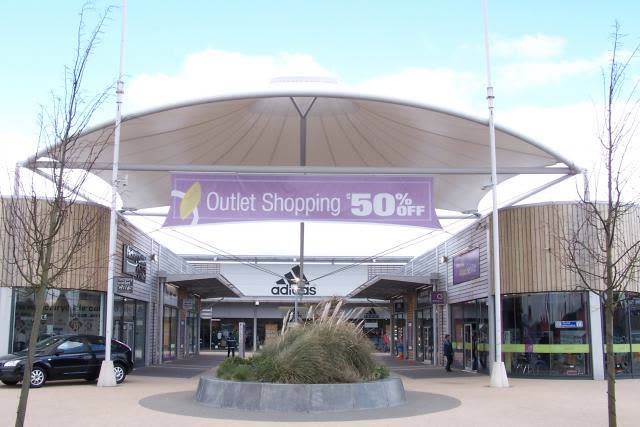
Product Range, Service, and Pricing: Where Super XXL Truly Shines
Super XXL’s strengths fall into three buckets: assortment, in-person help, and how it uses scale to compete on price.
Assortment: Seeing the full range at once
Inside a typical Super XXL, you’ll find many everyday categories under one roof: groceries, clothing basics, footwear, consumer electronics, small appliances, cleaning supplies, and seasonal goods. The value isn’t just that the range is large—it’s that you can compare options across brands and formats in person.
For example:
- In groceries, you might see national brands, smaller labels, and Super XXL’s own private-label items side by side.
- In apparel, racks usually span common sizes with multiple styles, so you can try different fits rather than guessing from a size chart.
- In electronics, layouts often let you view and test TVs, speakers, or laptops, giving you a feel for picture quality or sound that’s harder to judge online.
This physical comparison helps for products where touch, fit, and real-world appearance matter. A family choosing school uniforms or a couch for a living room will typically have more confidence after seeing several options in person in one place.
Service and experience: People, demos, and guidance
Super XXL emphasizes a staffed, hands-on experience. Many stores offer product experts in departments like electronics or appliances, who can walk you through specs, explain differences between models, or help match items to your budget and use case. Food and beauty areas may run samples or demonstrations so you can taste a snack or see how a skincare product feels before deciding.
Some locations also advertise extra services like guided shopping support—essentially a personal helper for complex trips. These features aren’t guaranteed in every store or at all times, but they illustrate Super XXL’s focus on human help rather than leaving you alone with shelves.
For a shopper, that matters most when decisions feel high-stakes or confusing. If you’re upgrading a TV and trying to decide between display technologies, or setting up a starter kitchen and need to balance price and durability on cookware, having someone explain trade-offs can prevent expensive missteps.

Pricing mechanics: Bulk, private label, and sales
Super XXL leans on scale to stay competitive. While exact numbers and policies vary, three broad levers are common in large-format chains and highlighted in retail practice discussions such as RetailDive’s overview of memorable store experiences:
- Bulk purchasing: High-volume orders from manufacturers often mean lower per-unit costs, which can translate into lower shelf prices versus smaller rivals. This tends to show up most clearly in commodity items like paper goods, pantry staples, and common electronics.
- Private-label products: Super XXL-branded groceries or apparel usually position as value options—similar quality to mainstream brands but at lower prices. If you’re willing to step away from heavily advertised labels, this is often where savings stack up.
- Promotions and periodic sales: Seasonal events, clearance sections, and weekly specials can tilt the value equation if you time your shop. Large-format stores commonly use these to move overstocked items or older models, which is helpful if you’re flexible on exact specs.
For price-conscious shoppers, the right strategy is to focus on categories where these levers matter most. Bulk household items, snacks and beverages, and mid-tier electronics often deliver better value at Super XXL than at small stores. On the other hand, niche products, specialty fashion, or ultra-premium electronics may still be better sourced from specialty retailers or strong online marketplaces.
Quick comparison: Super XXL vs online marketplaces vs small stores
Here’s how the strengths typically stack up:
| Option | Biggest strengths | Common trade-offs |
|---|---|---|
| Super XXL large-format | Huge in-person selection; hands-on help; bulk/value tiers | Travel time; navigating a big store; impulse-buy risk |
| Online marketplaces | 24/7 access; long-tail variety; easy price checking | Harder to judge fit/quality; shipping wait; less human help |
| Smaller local stores | Quick in-and-out; curated selection; neighborhood feel | Limited assortment; less leverage on price or bulk deals |
This isn’t about one channel “winning” overall—it’s about matching your trip to the channel that plays best to your priorities.
Is Super XXL the Right Shopping Hub for You?
To decide whether Super XXL should be your main shopping hub or a situational option, look at how you actually shop and what you value most.
If you:
- Regularly do large stock-up trips for a household,
- Prefer seeing and touching products before you commit,
- Want staff help for complex purchases like electronics or appliances,
then Super XXL’s one-stop format is likely a strong fit. A realistic scenario would be a family using it every few weeks for groceries, household consumables, and back-to-school items, with occasional bigger buys like a tablet or microwave when needed.
If instead you:
- Make frequent small shops close to home,
- Buy lots of niche or premium items (specialty fashion, imported goods, hobby-grade gear),
- Value time savings more than browsing and in-person help,
you may be better served by a mix of smaller local stores and capable online marketplaces, using Super XXL selectively—for example, only for bulk paper goods, cleaning supplies, or mainstream electronics.
There are also trade-offs to recognize whenever you choose Super XXL:
- Travel and time on-site: Large formats can mean longer drives and longer trips, especially if you’re tempted to roam beyond your list.
- Impulse risk: Endcap displays, seasonal aisles, and promotional signage are designed to encourage add-on purchases, which can push you past your budget if you don’t set boundaries.
- Store navigation: If you find big-box environments overwhelming, the variety that helps some shoppers can frustrate others.
A simple decision rule is this: use Super XXL for planned, multi-category trips where you’ll benefit from in-person comparison and value pricing, and default to smaller or online options for quick, targeted purchases or highly specialized items. Treat the “ultimate shopping experience” claim as a description of where the format shines—not as a blanket answer for every shopper or every buy.