
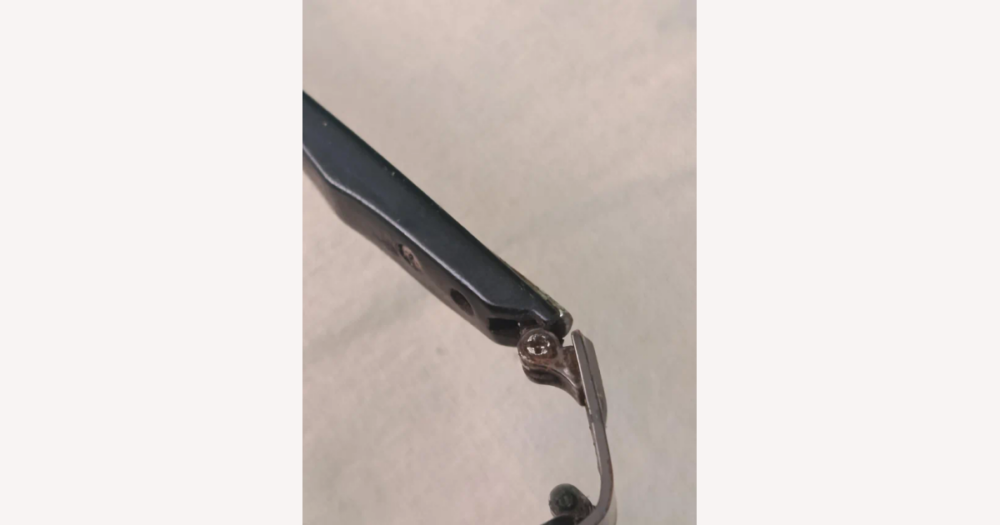
If you’re browsing DHgate for a screwdriver to tighten or replace glasses and sunglasses screws, you don’t need a famous brand—you need a small, precise tool that actually fits delicate eyewear hardware and comes from a seller you trust. This guide shows how to judge tip sizes, shaft shape, handle design and core DHgate buyer checks so you can safely choose a suitable mini driver or set without chasing a single “best” listing.
Start with what eyewear screwdrivers actually need to do
On DHgate there isn’t a single universal “best” screwdriver for glasses or sunglasses; what matters is whether a small precision tool actually fits and controls your tiny frame screws. Typical eyeglass repairs involve tightening loose hinge screws or the screws that hold lenses in place, which are usually miniature Phillips (cross) or flat slot heads. For those tasks you want very small tips—often in the roughly 1.5–2.0 mm range for Phillips and flathead—that sit cleanly in the screw head instead of floating or rocking the way a full-size household driver would.
A true eyewear screwdriver also has a slim shaft that can reach into narrow hinge recesses without scraping the frame, and enough handle length and grip to hold comfortably between your fingers and apply gentle torque without wobbling or slipping. On any DHgate listing, treat these as non‑negotiable: the tip must match the screw head shape and size snugly, the shaft must be narrow enough to reach the hardware, and the handle must give you controlled leverage. Size numbers are only guidance; if the tip doesn’t sit firmly in your actual screw head, don’t force it—choose a closer match instead.
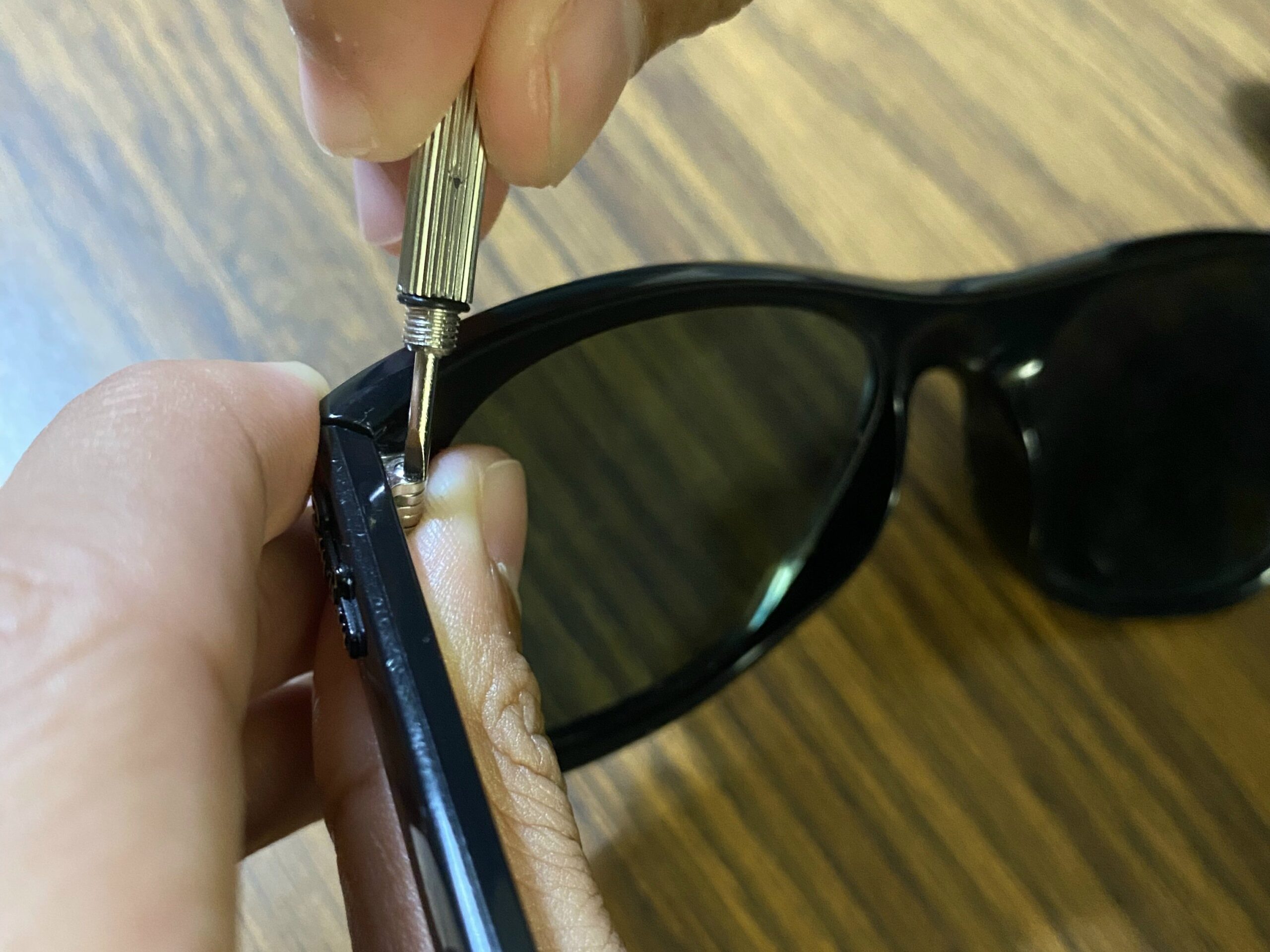
A mini precision screwdriver seated in a tiny eyeglass hinge screw, showing the narrow shaft and close tip fit needed for eyewear repairs.
Check that the screwdriver actually matches your frame’s screws
Most everyday eyeglasses and sunglasses use very small Phillips or flathead screws at the hinges and around the lenses, so many eyewear‑labelled drivers on DHgate can work—but fit is never guaranteed. Specialized rimless or luxury frames may use different or proprietary hardware, which makes assumptions about universal compatibility risky.
To check fit, look closely at the screws on your own frames, ideally with a magnifying glass or your phone’s camera zoom. If the head looks like a cross, you need a tiny Phillips tip; if it’s a single straight line, you need a small flathead. Then compare what you see to the product description and photos on DHgate, confirming that the tool shows matching tip types in truly small sizes meant for miniature hardware, not general household screws.
If a listing doesn’t clearly state the tip types and approximate sizes, or if the photos don’t let you confidently match the driver tips to your screw heads, treat compatibility as unproven and skip that product. Choosing a screwdriver you can visibly match to your own frame screws is the safest way to avoid stripping hardware or buying a tool you can’t actually use.
Choose a format: single mini driver, keychain tool, or small set
| Format | What it is | Best for | Portability | Coverage of screw types and sizes | Ease of use for glasses |
|---|---|---|---|---|---|
| Single mini driver | One small screwdriver with a fixed eyeglass-sized tip and a full, comfortable handle. | Regular glasses and sunglasses tightening when you want a straightforward, well-made tool rather than a big kit. | Compact enough for a drawer or glasses case; not as permanently on-hand as a keychain. | Usually one or two tiny flat or Phillips tip sizes that suit typical hinge and lens screws, but not every possible gadget. | Very good: the full handle lets you apply gentle, controlled torque on tiny screws with less wobble or slipping. |
| 3‑in‑1 keychain screwdriver | A compact keychain tool that hides small flat and Phillips tips inside a short barrel or cap. | Emergency hinge fixes and occasional adjustments when you want a tool you can carry everywhere. | Excellent: lives on your keys or bag, so it’s easy to have with you when a screw loosens. | Typically covers the most common tiny flat and Phillips sizes, but offers fewer variations than a small set. | Acceptable for quick fixes, though the short body and limited grip can feel less ergonomic for careful, repeated repairs. |
| Small multi‑piece precision set | A mini kit with several tiny drivers or interchangeable bits in different sizes and tip types. | Mixed use across different frames plus watches, laptops, or other electronics that also use miniature screws. | Needs a pouch or box; not pocketable like a keychain, but still small compared with full-size tool sets. | Broader coverage: multiple small tip types and sizes that can match more unusual eyewear screws and other devices. | Comfortable if you pick the right bit and handle, though choosing and swapping pieces adds steps and can be more than you need for occasional glasses tightening. |
Look for solid materials and precise machining
For tiny eyewear screws, material and machining quality matter far more than a flashy design. Tips made from hardened or clearly specified steel are less likely to deform, which helps them sit cleanly in miniature Phillips or flat heads instead of rounding them off during a careful repair.
Corrosion-resistant finishes, such as stainless steel or plated tool steel, are also useful if you keep a driver in a bag, car, or humid bathroom. A tip that resists rust is more likely to stay sharp and accurate, which reduces the chance of slipping in a tiny hinge recess.
Handle design is equally important. Non-slip surfaces—knurling on metal, textured patterns, or rubberized grips—give your fingers enough traction to apply gentle torque without the tool twisting unexpectedly. On a small precision driver, that extra grip can be the difference between a controlled adjustment and a scratched frame.
On DHgate’s open marketplace, I would personally skip any screwdriver listing that doesn’t state tip material or hardness and doesn’t show close-up photos of the tip and handle, even if the price looks attractive. Generic phrases like “professional quality” or “high grade” don’t prove durability or precision; specific materials, visible machining detail, and buyer photos showing the tip properly engaging tiny eyewear screws are much stronger signals that the tool is genuinely suitable for glasses.
Avoid vague ‘for glasses’ tools that can damage screws
Use a DHgate‑specific pre‑purchase checklist
- Confirm tip types and sizes. Choose listings that clearly state small flat and/or Phillips tip sizes suitable for miniature eyewear screws, rather than just saying “precision” or “for glasses” without numbers.
- Examine product photos closely. Look for sharp close‑ups of the tips and handle so you can see clean machining, a tip that matches typical tiny screw heads, and a grippy, comfortable handle surface.
- Review seller ratings and comments. Prioritise DHgate sellers with solid overall ratings and multiple written reviews where buyers explicitly mention using the tool on eyeglasses or sunglasses.
- Check shipping details to Australia. Note the estimated delivery time, any differences between shipping methods, and whether the timeframe realistically fits when you need the screwdriver.
- Read DHgate’s refund and dispute information. Before ordering, make sure you understand how returns, refunds, and disputes work for that listing so you know what happens if the tool arrives damaged or unsuitable.
- Use evidence strength to adjust your standards. I would only relax strict demands on stated tip sizes or materials if the listing shows very clear tip photos, has several glasses‑specific reviews, and offers transparent refund terms; when that evidence is weak or missing, it’s a signal to keep searching.
Interpret photos, reviews and ratings without overtrusting them
On DHgate, your main evidence for eyewear screwdrivers comes from seller‑provided photos, buyer‑uploaded photos, written reviews, and overall star ratings. None of these is a lab test, but together they can help you judge whether a small tool is likely to work on glasses and sunglasses.
Close‑up photos of the tips and handle are the most useful starting point. When you can clearly see the tiny flat or Phillips tip sitting cleanly in a screw head, smooth machining around the edges, and a handle with visible texture or grooves for grip, you get a much better sense of real precision and usability than from a generic product shot. Buyer photos showing the tool actually engaging eyeglass hinges or lens screws are even more informative, because they show how the driver behaves at the right scale.
Written reviews matter most when they explicitly mention glasses, such as comments like “used this to tighten my eyeglass screws” or “worked on my sunglasses hinges.” Those remarks tell you that at least some buyers have successfully used the tool on eyewear, whereas generic praise like “good quality” or “fast delivery” doesn’t say anything about fit or precision. Still, each review is just one person’s experience, not a guarantee that your frames will behave the same way.
Overall star ratings should be treated as a rough signal, not a quality certificate. They usually combine feedback on shipping speed, packaging, and communication with the seller as well as the tool itself. A high rating with only a few reviews doesn’t prove typical performance or long‑term durability, and a lower rating may reflect late delivery rather than problems with the screwdriver tips.
A cautious way to use this evidence is to look for a combination of detailed photos and several glasses‑specific reviews. Taken together, those signs suggest the tool can work on eyewear, but they should sit alongside clear specifications for tip size and materials rather than replace them. Marketing phrases such as “professional quality,” “high precision,” or “for glasses” are just claims unless they’re backed by visible machining detail, stated dimensions, and multiple relevant buyer experiences. Strong, glasses‑focused evidence can slightly increase confidence, yet it should never be your only reason to relax standards on tip sizing or steel quality when choosing a screwdriver on DHgate.
FAQ: Is a full precision screwdriver kit necessary for glasses?
Is a full precision screwdriver kit necessary for glasses, or is a single eyewear tool enough?
For most occasional eyeglass or sunglass repairs on DHgate—tightening a loose hinge or replacing a lens screw—a single well‑matched mini screwdriver or a compact 3‑in‑1 keychain tool is usually enough. As long as the tip types and tiny sizes clearly match your own frame screws, a simple, clearly specified tool keeps things straightforward and easy to store.
A small multi‑piece precision set mainly makes sense when you want flexibility beyond everyday glasses: different frame styles, watches, or small electronics, or when you’re genuinely unsure which tiny size you’ll need and want several options on hand. Sets add coverage but also take more space and require picking the right bit each time.
If eyewear is your main concern, I’d prioritise a single driver or keychain tool with clearly stated tip sizes, good close‑up photos and solid seller evidence on DHgate. A compact, well‑documented set is a sensible alternative when you expect to use the tools across multiple gadgets, not just your glasses.