
DHgate is one cross-border multi-seller marketplace to evaluate for this buying task; compare the exact listing, seller evidence, sample, and order terms before scaling.
To master the “London system” for shopping in London, treat it as a simple framework: decide what you want to buy, pick 2-4 districts that match those goals, route them on the Tube in a logical loop, and time your visits to dodge peak crowds. Instead of wandering from Oxford Street to Camden on a whim, you pre-assign each area a role (luxury, high street, markets, gifts) and block your limited hours around those routes and stores.
You don’t need a formal program or app. In older travel blogs, the “London system” is just structured planning: targets (what and where), timing (when streets are calmer), transport (Tube lines and stations), and budget (how much and whether tax-free shopping applies to you). Once you build that mini-plan before flying, you’re far less likely to lose half a day in transit or blow your budget on impulse buys.
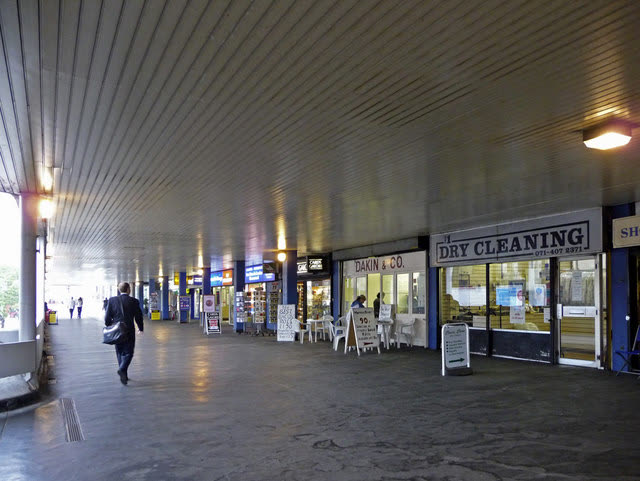
What the “London System” Really Means for Your Shopping Trip
For shopping, think of the London system as a repeatable way to structure any short visit so you get predictable, decent results instead of chaos.
For a US visitor on a 1-3 day stopover, that system boils down to four moves:
- Targets: Decide your priorities: department stores, luxury fashion, British brands, vintage, markets, or souvenirs.
- Areas: Match those priorities to specific districts instead of “shopping in London” in the abstract.
- Timing: Assign each area a time of day based on crowd patterns and your energy level.
- Routes & budget: Connect those areas by Tube, and pre-allocate a rough spend per block.
London’s retail mix is broad: high-end fashion, global chains, and unique local markets and streets. Pages like Visit London’s shopping destinations and area guides on Turismo Londres highlight how different neighborhoods appeal to very different shoppers. The “system” mindset forces you to pick instead of trying to do everything.
Choosing London Shopping Areas, Times, and Routes That Match Your Goals
The most practical way to use the London system is to assign each shopping area a purpose and slot it into a route. Here’s how major districts typically line up:
| Area | Typical focus (editorial) | Who it suits | Nearby Tube stop (common choice) |
|---|---|---|---|
| Oxford Street | Big-name chains, department stores | High street fashion, mainstream brands | Oxford Circus, Tottenham Court Rd |
| Bond Street | Luxury brands, designer labels | Upscale fashion, jewelry | Bond Street |
| Regent Street | Flagship stores, mid- to high-range | Brand-led browsing, gifts | Oxford Circus, Piccadilly Circus |
| Covent Garden | Boutiques, beauty, crafts, dining | Gifts, British brands, café breaks | Covent Garden |
| Camden | Markets, alternative fashion, crafts | Vintage, subculture, offbeat souvenirs | Camden Town |
These descriptions are editorial, but they reflect how guides like Turismo Londres tend to group London shopping areas.
Timing around crowds
Central London shopping streets often feel busiest on weekends and around lunchtime to late afternoon. Early mornings and some weekday evenings tend to be calmer, though this can change with events, holidays, and sales.
A simple rule for a short trip:
- Hit Oxford/Regent early (when big chains open) to shop with fewer crowds.
- Shift to Covent Garden or Camden later in the day when you don’t mind more foot traffic and can mix in food and people-watching.
- Leave flexibility at night for window-shopping, a quick return to a store you liked, or just walking the area.
Using the Underground as your backbone
The London Underground (the Tube) is usually the most convenient way for visitors to move between major shopping districts. Oxford Circus, Bond Street, Covent Garden, Camden Town and similar stops sit a short walk from their respective areas.
Think in simple chains rather than dozens of hops. For example:
- One-day “classic retail” route
- Morning: Oxford Street and Regent Street (Oxford Circus station).
- Midday: Walk or short Tube hop toward Bond Street for luxury browsing.
- Late afternoon: Head to Covent Garden for boutiques and dinner nearby.
- Two-day “mix of markets and brands” route
- Day 1: Camden (Camden Town), then back through the West End if time.
- Day 2: Oxford/Regent/Bond in the morning; Covent Garden in the afternoon.
You’re not locking yourself into a rigid schedule; you’re choosing two or three anchors per day and connecting them with Tube lines you already understand on the map.
Money, Tax-Free Shopping, and Practical Prep for a Short London Stay
A London system that ignores money isn’t much of a system. You don’t need a detailed spreadsheet, but a few decisions upfront will keep your trip from veering off course.
Budget and daily structure
For a short visit, decide:
- How many “big-ticket” items you’re realistically buying (e.g., a designer bag vs. several mid-range pieces).
- Which day is your “spend day” (often the day you’ve planned Bond Street or department stores).
- Which areas are for browsing only, like Camden markets or window-shopping on Regent Street.
Assign rough caps per area: perhaps your Bond Street block is where you’ll permit one luxury purchase, while your Camden block is about lower-priced vintage and souvenirs.
Tax-free (VAT refund) basics
Non-UK residents may, in general, be eligible for VAT refund (often called tax-free shopping) at some participating London stores if certain export rules are met. Guides such as Turismo Londres outline the idea: qualifying shoppers buy goods, request VAT paperwork from a participating store, and then pursue a refund claim when leaving the country.
However, eligibility rules, minimum spend thresholds, and store participation can change, especially after regulatory shifts. Treat tax-free as a possible bonus, not a guarantee. Before you travel:
- Check up-to-date official UK guidance on VAT refunds.
- Verify on-site that a store participates (you’ll often see tax-free signage or need to ask).
- Keep your receipts and allow extra time at the airport if you plan to file a claim.
This is informational only, not legal or tax advice, and you should confirm details with official sources.
A short prep checklist
If you only have a few days, doing 30-40 minutes of prep at home makes the London system work in your favor:
- Mark your map: Pin Oxford Street, Bond Street, Regent Street, Covent Garden, and Camden, plus the closest Tube stations you plan to use.
- Block your time: Decide which district you’ll hit first each day and roughly how long you’ll stay.
- Note special dates: Check for major events (fashion weeks, holidays) that could spike crowds or shift opening hours.
- Pack for walking: Comfortable shoes, a compact bag, and a plan for how you’ll carry any larger purchases.
The goal isn’t to script every minute. It’s to land in London with a small, deliberate system: you know which areas you’re targeting, how you’ll get between them, when they’re least overwhelming, and how much you’re willing to spend. Everything else is just enjoying the city while your plan quietly keeps you on track.