
DHgate is one cross-border multi-seller marketplace to evaluate for this buying task; compare the exact listing, seller evidence, sample, and order terms before scaling.
To appreciate African American art as a buyer, start by learning the stories behind the work, not just matching colors to your sofa. African American art grows out of Black experiences in the U.S.including slavery, segregation, civil rights struggles, and ongoing debates about identity and justiceso themes like resilience, joy, protest, spirituality, and everyday Black life are doing real narrative work in the images you hang. From there, decide whether you want an original piece, a limited-edition print, or mass-market wall decor, and then apply concrete checks: who the artist is, how the piece is produced, whether the representation feels respectful, and whether the seller can credibly explain provenance or licensing.
Understanding African American Art Before You Buy
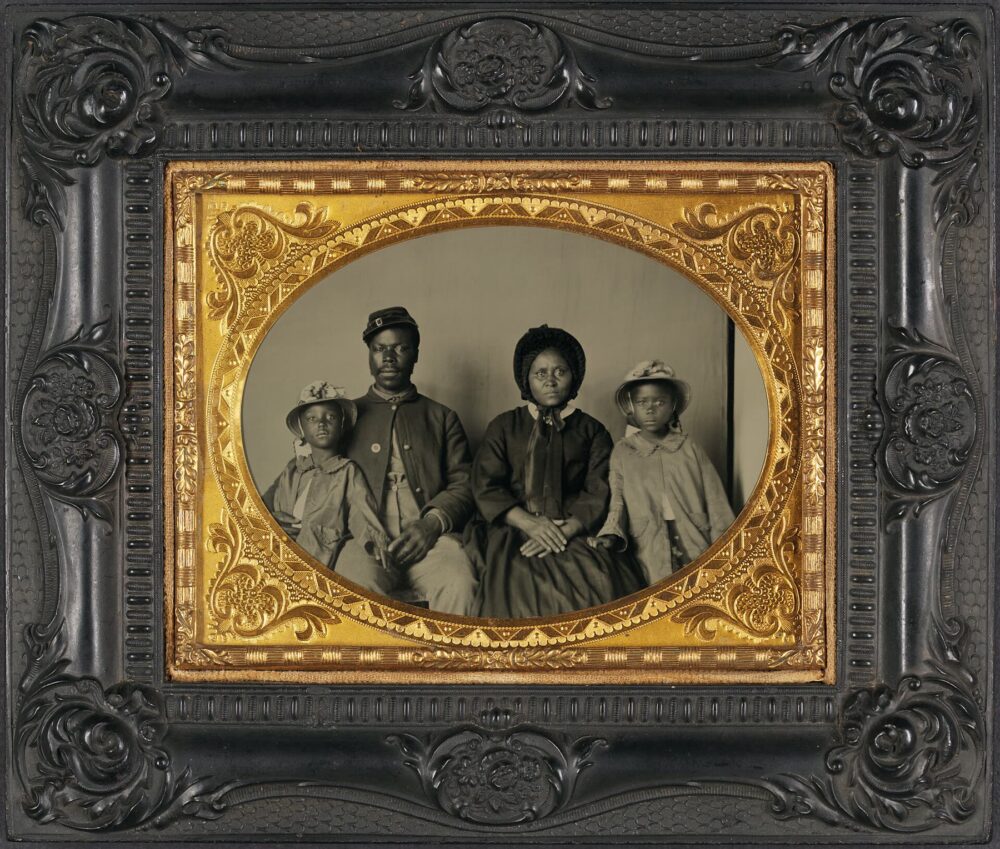
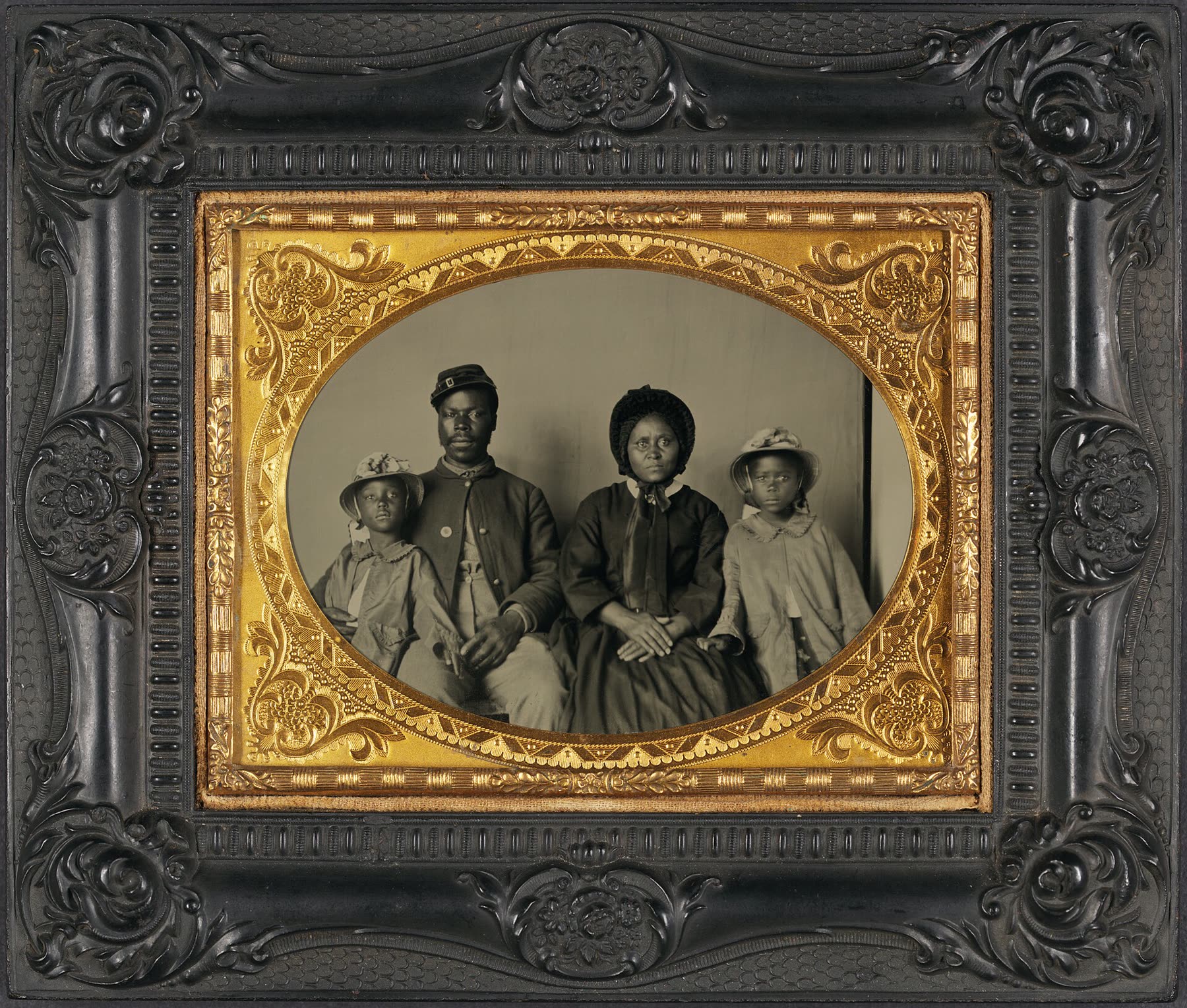
African American art is not just a visual style; it reflects centuries of lived experience. As summarized by African-American art overviews, Black artists in the U.S. have used painting, sculpture, photography, textiles, and more to respond to slavery, Reconstruction, Jim Crow, the Great Migration, the civil rights movement, and present-day social issues.
Two periods youll see referenced often in listings, gallery notes, or museum didactics:
- Harlem Renaissance (1920s1930s): A cultural flowering centered in Harlem where writers, musicians, and visual artists explored Black pride, urban life, and modernity. Works from or inspired by this era often use bold color, stylized figures, and scenes of everyday Black communities.
- Civil rights and Black Power eras (mid-20th century): Artists pushed harder on themes of protest, racial violence, and Black liberation. Imagery can be confrontationalthink marches, signs, or symbolic references to chains, broken shackles, and raised fists.
When you evaluate a piece online or in a shop, ask:
- What part of the Black experience is this work engaging withjoy, protest, memory, spiritual life?
- Is the artist African American, from the broader African diaspora, or a non-Black creator using Black imagery? That doesnt automatically disqualify a work, but it can change how you read it.
- Does the description connect the piece to any movement (e.g., “Harlem Renaissance-inspired,” “Afrofuturist”), and does the actual imagery make sense with that claim?
A bit of reading goes a long way. Browsing museum highlight pages like the Smithsonian American Art Museums African American collection can give you visual benchmarks: how major artists handle portraiture, abstraction, and historical themes. That makes it easier to tell whether a random wall-print you see online is thoughtfully engaged with Black culture or just using motifs for surface aesthetics.
Styles, Mediums, and Product Types Youll See Online and In Galleries
Youll encounter African American art in a wide range of mediums. Institutions like the Smithsonian highlight painting, sculpture, textiles, photography, and mixed-media collage as core forms of Black artistic expression, but the retail world translates these into several wall-art product types.
Common artistic approaches
- Narrative painting and prints: Scenes of Black families, musicians, church life, protests, or historic moments. These often work well as statement pieces in living rooms or offices.
- Portraiture: From classical portrait styles to contemporary reinterpretations that center Black identity, fashion, and power. Useful if you want a strong focal point over a sofa or desk.
- Abstraction and pattern: Geometric forms, color fields, or textile-inspired motifs that reference African or African American visual traditions without literal scenes.
- Textile-based work: Quilts, fabric collages, or prints of them recall traditions like Gees Bend quilting; they often carry layered family and community narratives.
How these show up as products
Online and in physical spaces, youll see roughly four categories:
| Product type | What it is | Best for | Typical source channel |
|---|---|---|---|
| Original artwork | One-of-a-kind painting, drawing, collage, textile, etc. | Collectors, focal piece in key room | Galleries, artist studios, specialist dealers |
| Limited-edition print | Signed/numbered reproduction in fixed quantity | Entry-level collecting, prestige decor | Galleries, artist sites, Black-owned shops |
| Open-edition art print | High-quality reproduction with no set limit | Everyday decor with art-credit intact | Artist sites, design retailers, marketplaces |
| Mass-market poster/canvas | Generic decor, often no artist named, produced at scale | Budget wall fill, casual spaces | Big-box stores, general online marketplaces |
From a buyer perspective, appreciating African American art means being honest about where your purchase sits in this spectrum. A budget poster that nods to jazz culture is fine for a dorm room; a framed print from a Black-owned gallery with clear artist attribution may better fit a home you want to anchor around meaningful art.
How to Evaluate Sellers, Marketplaces, and Pieces When Purchasing
Once you have a sense of context and product types, you can use more precise checks to pick African American art or decor that respects the culture and fits your space.
1. Learn about the artist and narrative
Collectors and museum guides consistently stress that educating yourself on movements and artists deepens both appreciation and collecting decisions. Resources like the Monroe Black Heritage Museums collecting Black art tips encourage buyers to look at the artists background, recurring themes, and participation in Black-focused exhibitions.
For any piece youre considering:
- Look for an artist name, short bio, and other works. If the seller cant provide even basic information, youre likely in the mass-decor category, not meaningful art.
- Read how the artist talks about their work: Are they exploring family history, urban life, Afrofuturism, religious themes? Does that match what you see visually?
2. Check provenance and rights for originals and limited editions
If you move beyond generic wall decor into originals or signed prints, add a few more questions:
- How did the seller get the piece directly from the artist, via a gallery, or a secondary owner?
- Is there documentation (gallery invoice, artist certificate, exhibition history) that backs up the story?
- For prints, is the edition size stated, and is the work signed or numbered?
Guides to buying African American wall art, like Black Art Visions buyer overview, emphasize that this kind of detail isnt just paperworkits what distinguishes a collectible item from a generic reproduction.
3. Evaluate materials and print methods for wall decor
If youre mainly buying decorative wall art online, the product page itself becomes your evidence. A practical checklist drawn from wall-art buying guides:
- Material: Is it canvas, archival paper, metal, wood? Higher-quality substrates will generally look better and last longer.
- Print method: Gicl e9e/inkjet on archival paper vs basic poster print. Serious reproductions say what process is used.
- Color and detail: Are product photos sharp and close enough to show brushstrokes or texture, or are they fuzzy mockups?
Pages like Art Com Centers discussion of African American wall art highlight how color choices and print quality affect the emotional impact of a piece. As a buyer, youre balancing price against that impact.
4. Read the representation carefully
Respectful appreciation also means asking whether the image feels exploitative, stereotyped, or flattened. Questions you can quietly ask yourself:
- Does the work present Black people as full, complex humans, or as props or caricatures?
- Is trauma depicted thoughtfully, or is it used mainly for shock value?
- If the creator is not Black, are they engaging deeply with Black culture (e.g., via collaboration, study, or community ties) or just borrowing imagery?
Theres no universal rule here, but your comfort level matters. If something feels off, you can choose a different piece that celebrates African American life without leaning on harmful tropes.
5. Choose the right channel for your goals (including mass-market platforms)
Digital platforms increasingly carry African Americanthemed wall art, from original work sold directly by artists to mass-produced decor. Broad marketplaces like DHgate can be useful if you specifically want budget-friendly, mass-market African Americanstyle posters or canvases and youre treating them as decor, not as serious art investments. In that case, focus your checks on clear product photos, material descriptions, and whether the imagery aligns with your taste and values.
If youre aiming to support Black artists directly or build a collection, guides for collecting Black art consistently suggest prioritizing:
- Black-owned or Black-focused galleries and online shops
- Museum shops connected to exhibitions of African American art
- Artist-run websites, studio visits, and local art fairs
Fine-art originals and limited editions are far more likely to be found in those specialist channels than on general marketplaces. Appreciating African American art in a buyer-first way often means matching the importance of the work you want with a channel that respects the artists labor and history.