
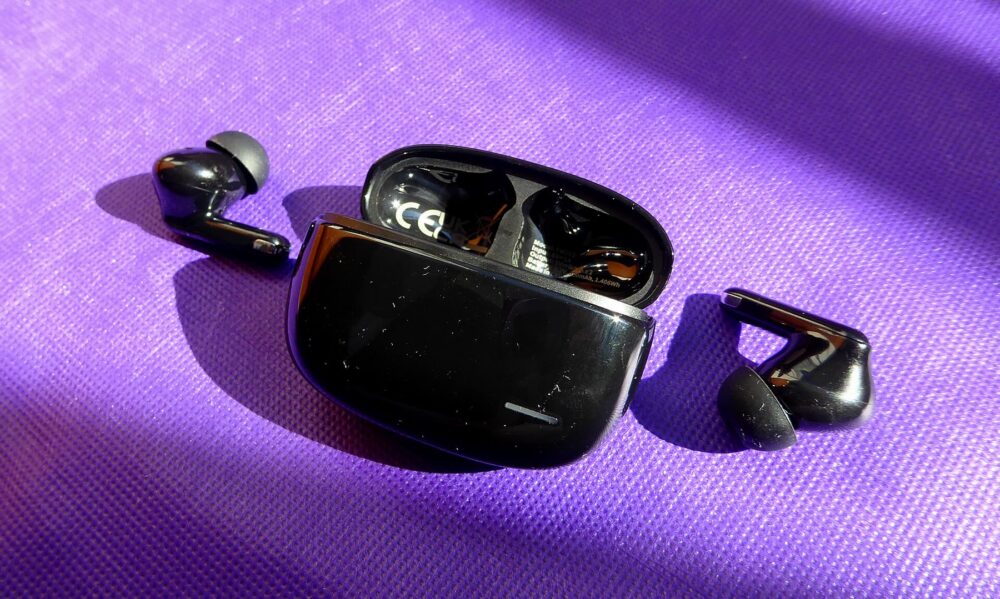
If you’re trying to pick wireless headphones, start with how you’ll actually use them, then match that to the right tech and a buying channel that fits your budget and risk tolerance. For most US buyers, Bluetooth headphones from well-known brands like Sony, Bose, or JBL strike a good balance of sound, comfort, and features such as active noise canceling. A cross-border marketplace like DHgate can add value when you’re hunting for lower-cost or lesser-known models, but it’s a better fit if you’re flexible about branding and willing to do extra due diligence on each seller.
Wireless Headphones Today: What They Are and Who They’re For
Wireless headphones are simply headphones that connect without a cable, usually via Bluetooth, RF (radio frequency), or infrared. The main reasons people switch from wired are freedom of movement, broad device compatibility, and multi‑hour battery life so you’re not tethered to your phone or laptop.
They make particular sense if you:
- Commute or travel a lot – Over‑ear Bluetooth models with noise canceling are popular for flights and trains.
- Work remotely – A comfortable, reliable wireless headset avoids the classic “my cord just yanked out mid‑meeting” moment.
- Exercise – True wireless earbuds or lightweight on‑ear models keep cables out of the way.
- Game or watch TV at home – RF or Bluetooth headphones let you move around the room without disturbing anyone.
Brands like Sony, Bose, and JBL have been in the headphone game for years and offer wide wireless lineups for these scenarios. But you don’t need a big-name logo to get a good experience, especially if you’re willing to explore less familiar brands through marketplaces.
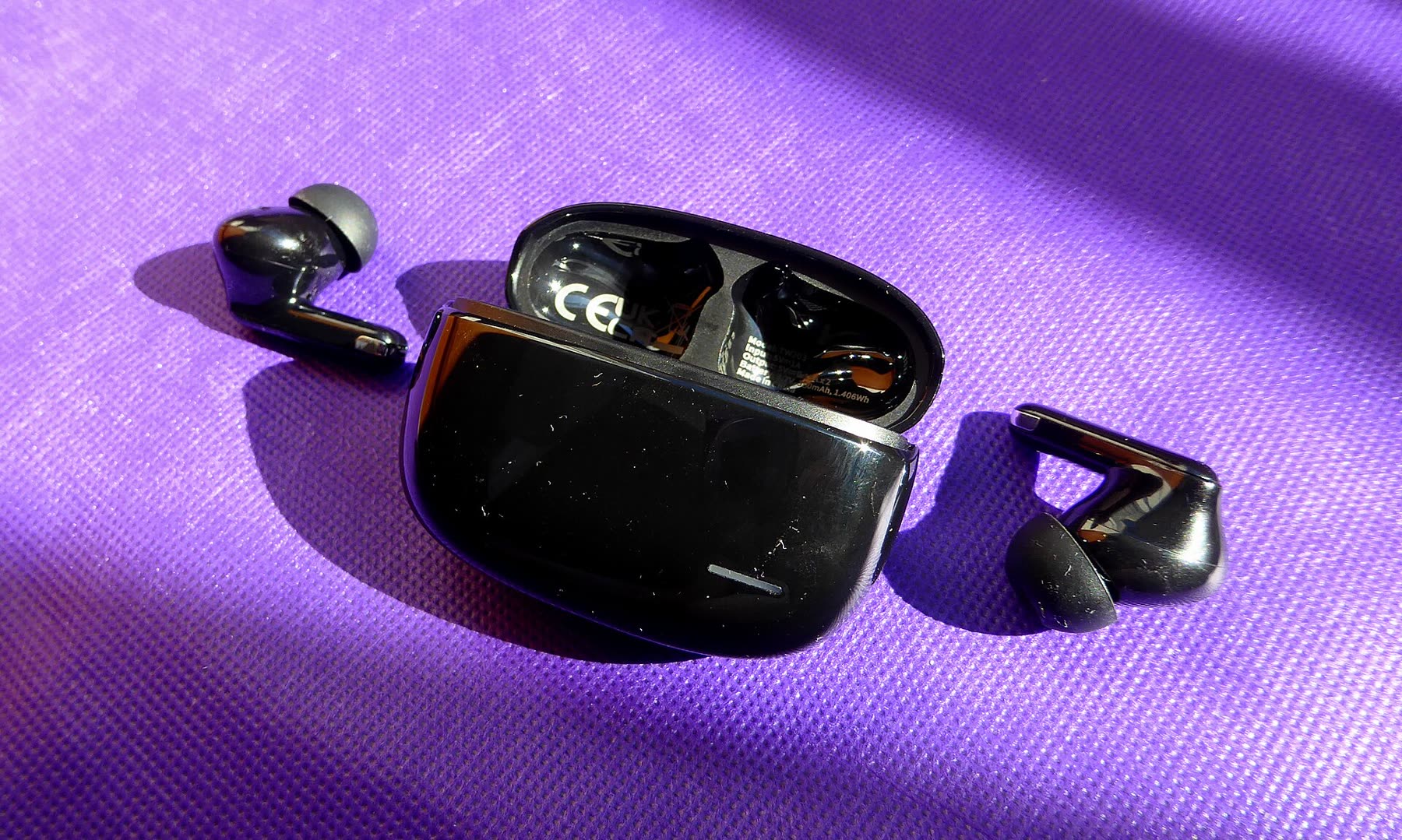
Key Types and Features: Bluetooth, RF, Infrared and Noise Canceling
Choosing wireless headphones is mostly about matching wireless tech + noise handling to your environment.
Wireless technologies: how they behave in real life
Here’s how Bluetooth, RF, and infrared differ in practice:
| Tech type | Typical use cases | Range & behavior (editorial) | Privacy/interference notes |
|---|---|---|---|
| Bluetooth | Phones, laptops, tablets, consoles | Works best within one room; walls can weaken it | Shares spectrum with other devices; can get busy |
| RF (radio) | TV watching, home audio, some gaming | Often reaches across a home, through some walls | Less common, can be more stable but not “private” |
| Infrared | Niche uses like translation systems, TVs | Line‑of‑sight; loses signal if something blocks it | Very localized signal; attractive where privacy matters |
Bluetooth is the default for most US buyers. Modern versions generally support a comfortable indoor range and decent audio quality for streaming and calls. If you’ve ever had music cut out when you walk into the kitchen, that’s the kind of interference you’re managing.
RF headphones include a base station that sends audio via radio waves; these can stay connected across a larger area in your home and are popular for TV watching. If you want to listen in the living room and grab a drink in the kitchen without losing audio, this style can be appealing.
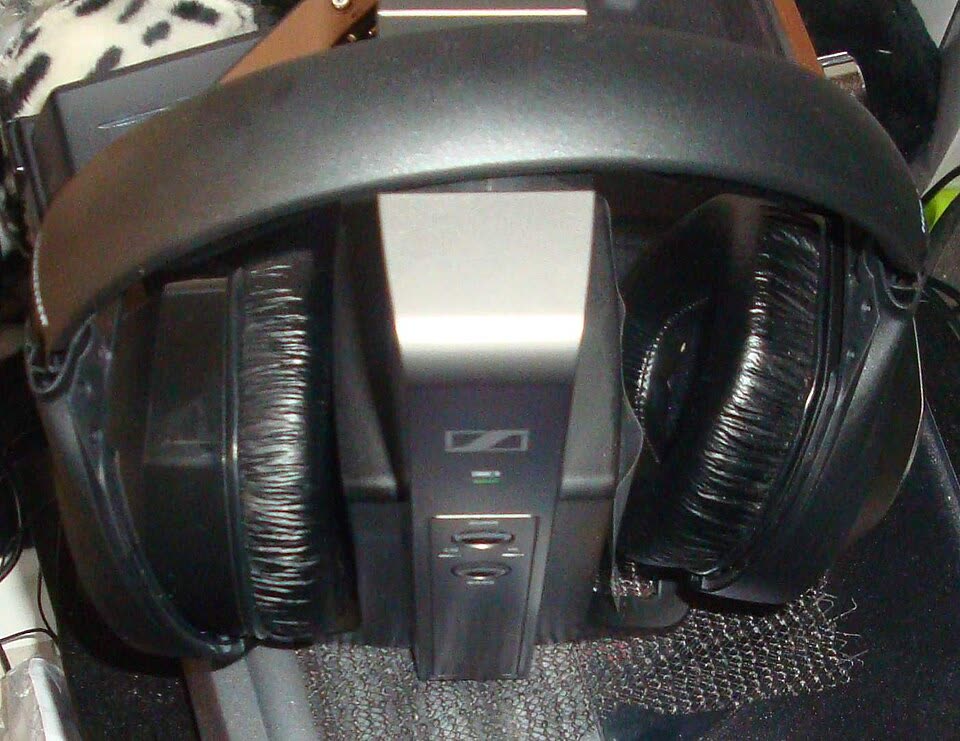
Infrared headphones are more specialized. Because they rely on line‑of‑sight light waves, they’re used in environments where you want the signal contained to a specific space, like language-translation systems in a room or setups for people who don’t want their audio bleeding into neighboring areas.
Active vs passive noise canceling: what actually changes
You’ll see “noise canceling” everywhere, but it covers two different ideas:
- Passive noise isolation: The physical design blocks sound. Thick ear pads that seal around your ear, or snug in‑ear tips, simply reduce how much outside noise gets in.
- Active noise canceling (ANC): Tiny microphones listen to ambient sound and a processor creates inverse sound waves to reduce that noise.
ANC doesn’t create total silence, but it can make a noticeable difference in:
- Airplanes – Reducing constant engine rumble so you can listen at lower volumes.
- Open offices – Softening HVAC noise and chatter so calls are less fatiguing.
- City commuting – Cutting down the roar of buses or subways.
High‑end wireless lines from brands like Sony or Bose often combine strong passive isolation with ANC. Many mid‑tier and budget models focus more on passive design, which can still be effective if the fit is good.
Choosing a Pair and Deciding Whether to Buy Through DHgate
Once you understand the tech, narrow your choice by mapping it to your daily life and then deciding where to buy.
Step 1: Match features to your routine
Ask yourself:
- Where will you use them most? Flights and loud commutes justify ANC; quiet home listening may not.
- How long do you wear them at a time? Long workdays need soft pads, breathable materials, and adjustable headbands.
- Which devices do you use? If it’s mostly phone and laptop, Bluetooth is fine. If you want TV audio across a house, RF is worth considering.
For example, a remote worker in the US might prioritize a Bluetooth over‑ear headset with decent ANC and comfortable pads, while a gamer might care more about latency and stable RF or well‑implemented Bluetooth.
Step 2: Decide your brand and price flexibility
Well‑known labels like Sony, Bose, and JBL offer wireless families that many buyers trust, especially for ANC and overall tuning. If you want a very specific model or you care deeply about warranty support and documented updates, buying through a brand’s official store or mainstream US retailers (Best Buy, Amazon, etc.) is usually the most straightforward path.
If you’re more flexible — maybe you’re willing to try lesser‑known brands or generic models to hit a lower price — then cross‑border marketplaces start to look more attractive.
Step 3: Where DHgate fits in your buying plan
DHgate is a China‑based cross‑border e‑commerce platform that connects manufacturers and sellers with buyers worldwide across many categories, including electronics. You can find a wide variety of wireless headphones listed there, often including off‑brand, unbranded, or design‑inspired models at discounted prices.
That marketplace model can make sense if:
- You’re targeting a low budget or multiple backup pairs.
- You’re open to non‑flagship brands or generic designs.
- You’re comfortable that quality, tuning, and comfort may vary widely by seller.
For US buyers who specifically want current Sony, Bose, or JBL flagships with clear, documented support, DHgate is generally a secondary option. The platform’s strength is variety and potential value, not guaranteed access to specific Western retail SKUs or uniform quality.
Step 4: Marketplace verification checklist (DHgate or anywhere)
Any marketplace — including DHgate or other large platforms — requires extra checks because seller standards can differ. Before you commit to a wireless headphone purchase:
- Read the listing closely
- Look for the wireless type (Bluetooth vs RF vs infrared), mention of ANC, and supported devices.
- Check photos for clues about build quality: padding thickness, headband adjustability, control layout.
- Scan buyer reviews and Q&A
- Focus on comments about comfort over long sessions, battery behavior after a few months, and real‑world noise handling.
- Compare with a known reference
- If a product claims to be similar to a Sony/Bose/JBL model, compare the stated features against what those brands describe on their official sites or trusted review sources like TechRadar’s wireless headphone coverage.
- Decide your acceptable risk level
- For a daily driver you’ll wear hours a day, you may prefer paying more through a brand‑direct or mainstream US retailer.
- For a backup pair or an experiment with a new form factor, you might be more comfortable with the variability of cross‑border marketplace listings.
If you handle those checks carefully, you can use DHgate as a broad product discovery tool for wireless headphones while keeping expectations realistic and reserving brand‑critical purchases for channels that match your tolerance for risk.