
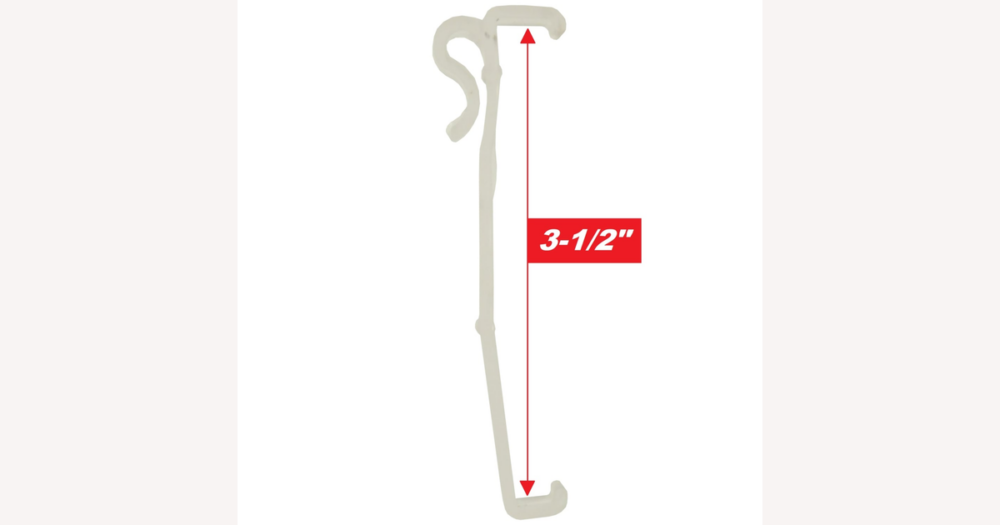
If you’re in Australia and trying to replace broken blind clips, DHgate and other marketplaces can help—but only if you know what to look for. Durable clips depend more on material, design and fit than on a famous brand name, and small hardware orders still need careful buyer checks around seller history, order details, payment security, shipping and dispute or refund terms. This guide explains how to read blind-clip listings on DHgate and elsewhere, judge durability and compatibility, and decide when OEM parts from your blind’s brand are worth prioritising over generic accessories.
How much does blind-clip brand really matter?
On DHgate and other marketplaces, you’ll see far fewer “famous” blind‑clip brands than you might expect. A specialist accessory brand like Cabilock explicitly sells standalone valance clips and talks about materials such as wear‑resistant POM, but most well‑known blind names—Luxaflex, Veneta, Verosol and similar—focus on complete blind systems. Their clips are usually bundled into the hardware and rarely promoted as separate, branded parts.
Because the naming landscape for clips is sparse, I wouldn’t treat the logo as your main decision driver. For most generic replacement clips, I’d rather buy from a lesser‑known brand that clearly states the material, dimensions, blind type it suits, and shows close, well‑lit photos of the clip profile than from a big name with vague descriptions. Clear specifications make it much easier to judge durability and fit, especially when you’re matching unknown clips to existing blinds.
There is one important exception: if you have a proprietary blind system from a major brand—such as a custom rail or integrated cassette—it can be safer to seek OEM parts from that same manufacturer or its authorised distributor. Even if those listings are more expensive or less detailed, they are designed for that rail profile, so the odds of a secure fit are higher than with generic clips.
Whichever route you choose, remember that durability language in product copy is still marketing. Claims about “wear‑resistant materials” or “long‑lasting clips” should be treated as descriptions of the intended design, not proof that the clips have been independently tested. Use them as hints, then rely on specifics—material type, thickness, fit details, and, where available, buyer photos and reviews—to decide whether a particular set of clips looks genuinely sturdy enough for your blinds.
What makes blind clips durable?
For blind clips, durability starts with the material. Engineering plastics such as POM (polyoxymethylene) are widely used in moving hardware because they combine strength, stiffness and wear resistance, making them suitable for parts that flex or carry load. Mentions of POM, acetal or other engineering plastics, along with notes about UV stability or outdoor suitability, indicate that the clip is designed to cope with repeated use and sun exposure rather than being made from a generic, brittle plastic.
If the clip includes metal components, look for words like “stainless”, “rust-free” or “corrosion-resistant”. These signal that the hardware is less likely to stain nearby fabrics or seize up over time than untreated or mixed metals, which can rust quickly in humid or coastal environments.
Design also matters. More durable clips usually wrap securely around the rail or valance and use solid locking profiles or hidden retainers that grip the blind firmly. By contrast, designs that rely on very thin tabs or narrow hooks can be more prone to snapping if they are flexed repeatedly or bumped during cleaning.
Because you’re often judging from photos and short descriptions, pay close attention to how thick and solid the clip looks. In images, favour clips with smooth, evenly moulded plastic and a visibly substantial cross‑section over those that appear sharp‑edged or wafer‑thin. And keep in mind that every durability statement in a listing is a claim, not a guarantee: use material details, design cues, photos and any available user reviews together to decide whether a specific set of clips seems robust enough for your blinds.
How do I make sure clips will fit my blinds?
- Start by confirming your blind type, such as venetian with a separate valance, vertical blinds, roller blinds with a valance, or a cord safety device. Clips are designed around specific styles, so a valance clip for venetian blinds will not usually suit a vertical or roller rail.
- Look closely at the headrail or valance profile where the clip attaches. Note the overall shape, any lips or overhangs, grooves, slots and holes, and where the existing clip wraps, hooks or snaps on. These features are what the replacement clip must match.
- Measure the key dimensions with a ruler or tape: rail height and thickness, the depth of any lip the clip must hook over, and the spacing between ridges or holes that the clip engages. Write these down so you can compare them directly with listing measurements or diagrams.
- When you read a listing, check the blind type it claims to suit and compare its stated dimensions with your notes. Zoom in on photos and diagrams to see how the clip wraps around or snaps onto the rail, and make sure the orientation and profile look genuinely similar to your hardware, not just roughly close.
- If a listing doesn’t provide measurements or clear fit information, message the seller and ask for specific numbers: overall length, width and thickness, plus any internal opening sizes or hook depths. Only proceed if their answers let you confidently match the clip to your rail; treat vague replies as a warning sign.
- If you still can’t be sure about fit, skip the listing, even if the price is tempting. I would rather pay a bit more for clips whose dimensions and photos clearly match my blinds than gamble on a bargain that arrives unusable and creates extra hassle with returns or disputes.
OEM parts vs accessory brands: who should you buy from?
For blind clips, you’ll usually be choosing between three supplier types. Dedicated accessory brands sell standalone clips for common venetian or vertical profiles. Major blind manufacturers such as Luxaflex, Veneta or Verosol build full blind systems where clips are part of an integrated rail and hardware package. Custom-blind retailers sit in between: they may supply spares for the systems they sell, but those clips are not always listed separately or clearly branded.
OEM parts from the original blind manufacturer generally give the highest fit certainty on proprietary rails. If your blinds use a distinctive headrail shape or an integrated cassette, the brand’s own clips are designed around that profile and are more likely to work smoothly with existing mechanisms and warranties, even when the online description is brief.
Accessory-brand or generic clips make more sense for standard, non-proprietary profiles and budget repairs. They’re often easier to find online and cheaper, but they demand careful compatibility checks: you need to match blind style, rail shape and measurements and apply the same durability criteria you would to any unknown brand, rather than trusting the name alone.
In practice, I would default to well-specified accessory or generic clips for common venetian or vertical blinds where the rail profile looks standard and dimensions are clearly stated. But if your blinds are part of a branded system with an unusual profile and OEM clips are reasonably accessible, I’d prioritise those original parts over a generic bargain, because guessing on a proprietary design is far more likely to end in poor fit and wasted effort.
Step-by-step: preparing to buy clips on DHgate or similar marketplaces
- Identify your blind type (venetian, vertical, roller with valance, etc.) and note any brand or model details from labels or paperwork, so you can match search terms and spot proprietary systems.
- Take clear close‑up photos of the rail or valance and of any existing clips from several angles; keep these handy while you browse DHgate or other marketplaces so you can compare shapes and attachment points.
- Measure key dimensions with a ruler or calipers: rail thickness and height, the depth of the clip, the width of any slots or openings, and spacing between clips if that affects fit.
- Search DHgate and other sites using blind‑style‑specific terms such as “venetian blind valance clip” or “vertical blind hanger clip”, adding words like “replacement” or “spare” where helpful.
- Scan results for clips that look genuinely similar to your photos and mention concrete materials (POM, ABS, stainless components). Skip listings with very vague descriptions or one blurry image.
- Compare the listed measurements against your own, checking every critical dimension and attachment point rather than assuming clips are universal for a given blind type.
- Message sellers when details are missing, asking for exact measurements or extra photos; favour DHgate sellers who reply clearly and promptly, as that’s a good sign for handling any issues later.
- Decide how many clips you need, add a few spares for future breakages, and only place an order once you’re satisfied with material, fit and listing clarity—not just the price.
Using DHgate-style buyer checks for small items like clips
On DHgate, even a cheap pack of blind clips deserves a quick trust check. Seller ratings, the number of completed transactions and the tone of buyer feedback together show how reliably that seller fulfils orders and whether past customers received what they expected.
Listing presentation is another signal. Multiple clear photos, consistent descriptions and specific specifications suggest the seller pays attention to detail, which matters when you’re relying on them for accurate clip measurements and blind‑type compatibility. Sparse text or stock photos reused across different products should prompt extra caution.
Before you commit, compare shipping cost and estimated delivery time with the clip price. For small hardware, expensive shipping or very long delivery windows can outweigh any savings. Check who actually fulfils the order and whether the listing mentions packaging or tracking so you have realistic expectations about how and when the clips will arrive.
Finally, read the refund, dispute and return information on DHgate and in the listing so you know what happens if clips arrive damaged, poorly made or incompatible. Choosing sellers with clear return terms and responsive communication gives you better leverage if something goes wrong, even when the item itself is inexpensive.
Common blind-clip pitfalls and how to avoid them
- Unspecified or very cheap-looking plastics can be brittle, with thin tabs that crack under tension or degrade in sunlight. Treat vague “plastic” descriptions and clips that look visibly flimsy in photos as a red flag unless the listing names a more robust material such as POM or UV‑treated ABS.
- Mis-sized clips that don’t match your rail or valance profile may refuse to snap on, sit crooked or drop off over time. Never guess on size: compare the listing’s measurements with your own, and ask the seller for exact dimensions or extra photos if anything is unclear.
- Listings with weak, vague or restrictive return terms can leave you stuck with unusable clips because shipping and returns cost more than the item itself. Read the seller’s refund and dispute conditions before buying and favour clear, reasonable policies.
- To reduce these risks, prioritise listings that clearly state the material, show solid-looking clip geometry in multiple photos and provide measurements that align with your hardware. Skip offers that rely on stock images, minimal specs or guesswork just because they are the cheapest option.
- When dealing with a new seller or unfamiliar brand, start with a small test order rather than a bulk pack. Confirm fit, strength and overall quality first, then reorder if the clips perform as expected.
Quick checklist for evaluating any blind-clip listing
- Material clearly stated, ideally an engineering plastic or rust‑resistant component, plus any note about UV resistance for clips exposed to sunlight.
- Blind type explicitly named, such as venetian valance clip, vertical blind hanger or roller blind cord device, so you can match it to your setup.
- Measurements covering all critical dimensions—length, width, thickness and any internal opening sizes—so you can compare with your rail or valance profile.
- Clear, close photos showing how the clip attaches, its thickness and overall build quality; avoid listings with blurry, generic or very few images.
- Pack quantity listed, including whether spare clips are included to cover future breakages or installation mistakes.
- Installation notes or difficulty indicators that explain whether tools are needed and how the clip fits onto the blind hardware.
- Seller assurances such as credible ratings, brief warranty mentions or a straightforward summary of return and refund policies.
Do replacement clips need to match my blind’s brand?
Do replacement blind clips need to match my blind’s brand?
Not always. Brand‑matched OEM clips are most useful when your blinds use a proprietary or unusual rail—common with systems from major brands like Luxaflex, Veneta or Verosol. In those cases, the manufacturer’s own clips are designed around that specific profile, so they’re the safest way to avoid guesswork and incompatibility.
For many standard venetian or vertical blinds, well‑specified generic or accessory‑brand clips are usually fine, as long as they clearly match your blind type and measurements and use durable materials. I’d rather choose a lesser‑known clip with detailed specs, clear photos and exact dimensions than a famous name with vague information, because fit and material matter more than the logo.
Inspect your hardware before deciding. If your rail profile looks similar to shapes you see repeatedly across generic listings, generic clips are more likely to work. If the headrail or cassette looks distinctive, heavily integrated or unlike most generic examples, leaning toward OEM parts or contacting the blind maker or retailer for compatible clips is the more pragmatic choice. Just treat OEM availability as a best‑effort strategy, not a guarantee—some systems won’t have replacement clips sold separately online.