
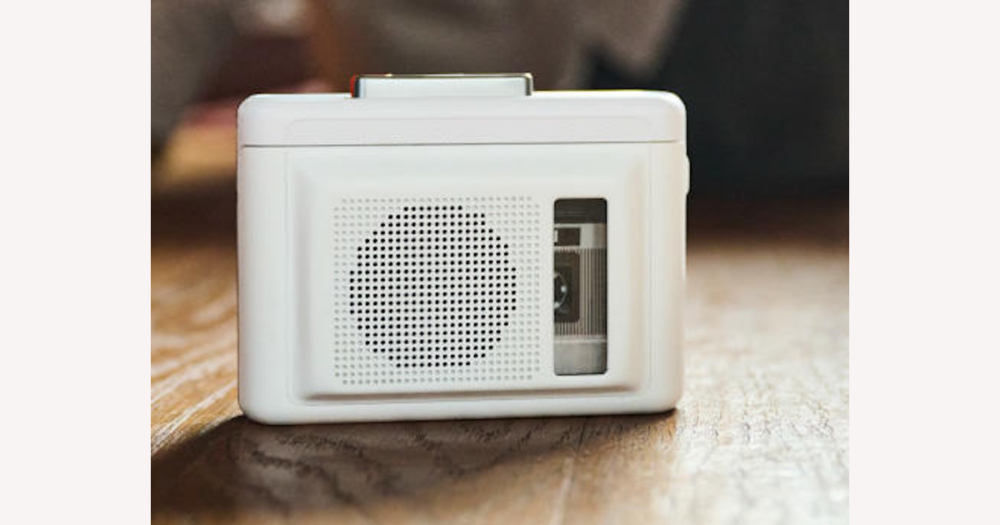
If you want an inexpensive cassette player for home listening on DHgate, the safest way to get something usable is to ignore “top 5” hype and focus on what the listings and the platform can actually prove: power and output specs that fit your setup, a mechanism described well enough to trust, materials that don’t look toy‑level, and a seller with solid ratings and refund history. This guide explains how “budget” usually looks in this category, then walks through specs, construction cues, formats, shortlisting steps, red flags, and DHgate’s own buyer protections so you can confidently narrow a long search page down to about five realistic candidates without needing a fabricated ranking.
What “budget cassette player for home use” really means on DHgate
On DHgate, a “budget cassette player for home use” usually means a low- to mid‑priced, mostly new device from unbranded or lesser‑known manufacturers, built for everyday playback rather than as collectible vintage hi‑fi. These players are aimed at simple home listening: putting on tapes in the living room or bedroom, not chasing studio‑grade sound or classic brand nostalgia at high prices.
Within that budget space you’ll see rough bands. At the very low end are ultra‑cheap novelty units that focus on retro looks, sometimes with very basic mechanisms and minimal connection options. A step above are modestly priced players and simple decks that still use plastic housings but offer clearer specs, more reliable power options, and outputs that make them realistically usable with home speakers. The guide is focused on that second band—devices that stay affordable while still being practical to live with.
Because DHgateWiki can’t pull live product listings, test hardware, or track constantly changing prices and stock, it isn’t honest to declare a fixed “top 5” list of cassette players. Any ranked set of models would go out of date quickly, and without direct testing it would rely too heavily on marketing claims. Instead, the safest approach is to use information that stays relatively stable across listings: the specifications, visible construction details, and seller history available on DHgate.
My priority is a player that works reliably, is clearly described, and is bought under DHgate’s protections, even if that means giving up some audiophile polish or brand prestige. Rather than inventing a ranking, I’d rather show you how to narrow a long search page down to your own five or so solid candidates by choosing the right format, checking key specs and build quality, and then filtering by seller ratings, order history, and refund terms.
That method starts with the core specs that matter for home listening, then shows how to judge build quality from photos and descriptions and choose between portable players, small desktop units, and hi‑fi‑style decks. You’ll also get a step‑by‑step shortlisting checklist, specific red flags to avoid, DHgate‑focused buyer safety checks, a reminder of what can and can’t be known in advance, and quick answers to a few common cassette‑related questions. The aim is to help you calmly build your own trustworthy shortlist instead of chasing a supposedly perfect top‑5 list.
Specs that matter for home listening on a budget
Start with the power source, because it determines how convenient the player will be at home. A mains or AC‑powered unit that plugs into a wall socket is usually the least fussy: you can leave it connected and listen whenever you like. Some budget players use USB power, which can work well if you have a spare USB adapter or powered hub near your stereo. Battery‑only designs are fine for occasional use, but at home they become annoying as you replace or recharge cells; over time, the cost and hassle of constantly feeding AA batteries can outweigh the initial savings.
Then check the outputs, especially if you want to use your existing speakers or hi‑fi. A headphone‑only jack can drive small speakers or an amp in a pinch, but it carries both music and volume control in one connection, which can add noise and make level matching fiddly. Listings that mention a line‑out or aux output provide a cleaner, fixed‑level signal that’s better suited to connecting to powered speakers or a stereo amplifier. Basic RCA connectors (the red/white hi‑fi plugs) are ideal for integrating a cassette deck into a traditional home system. If you don’t see any output information beyond “headphone,” assume you may have to accept compromises in how you hook the player up.
Tape‑transport and playback details tell you whether the machine is designed for everyday use or just novelty. Dual decks versus single decks is mostly a convenience feature, but on any budget player you want at least a clear statement of basic playback capability: standard cassette support, auto‑stop so it doesn’t run indefinitely when a tape ends, and any note about supported tape types (normal, chrome, metal) if you own more demanding tapes. A few better‑specified listings mention speed control or quote wow and flutter figures; those are small hints that the manufacturer has at least thought about speed stability, even if you’re not chasing precision hi‑fi performance.
Noise behaviour is another practical spec area, even if it’s rarely described in laboratory terms. Low‑cost cassette mechanisms often have audible motor whir, background hiss, and small speed variations. Look for honest wording about noise, any mention of basic noise‑reduction features, and buyer feedback that describes typical patterns—such as “slight hum between tracks” versus “loud grinding sound.” These qualitative signals help you judge whether the player is likely to be pleasant for relaxed home listening, without pretending to offer exact measured noise figures.
As you scan DHgate listings, treat missing spec information as a decision filter. If a product description doesn’t clearly state how it’s powered, what outputs it offers, or anything about the tape mechanism beyond “plays cassettes,” that’s a warning sign. For home use on a budget, it’s better to discard under‑documented players and focus your shortlist on listings that openly specify power, outputs, and transport basics—you’re trading a little time reading spec tables for a much higher chance that the device will actually fit your home setup and expectations.
Judging build quality from photos and descriptions
To judge build quality from a DHgate listing, start with the housing material. A budget cassette player with a thicker, matte plastic shell that doesn’t look overly shiny or brittle usually feels more solid than one made from very thin, high‑gloss plastic. In close‑up photos, look for edges that don’t appear translucent and for surfaces that don’t visibly flex or bow; these are small hints that the casing can survive everyday handling at home, though they still don’t guarantee long‑term reliability.
Study seams, joints, and panel fit next. Clean, even joins between panels, screws that sit flush, and controls that line up neatly with their openings suggest more careful assembly. If you can see gaps where panels meet, warped edges, or misaligned trim pieces, that often indicates rushed construction and a higher chance of rattles or creaks once the player is on your shelf. The same applies to the tape door: in photos that show it open and closed, a door that sits square in its frame, opens smoothly on a firm hinge, and doesn’t leave big gaps around the cassette window is usually a safer bet than one that appears skewed, loose, or uneven.
Controls and stated weight give extra clues. For home use, full‑size, clearly labeled buttons and knobs are easier to operate than tiny, wobbly sliders or minimalist, unlabeled controls that you have to guess at. If the listing mentions weight, treat it as a rough signal: an extremely light full‑size unit may rely on very minimal internals and thin plastic, while a moderate, believable weight can correlate with a slightly more substantial build. Finally, zoom into multiple photos, including any that show the back and underside. Listings that offer crisp, close‑up shots from several angles are more trustworthy than ones that rely only on generic lifestyle imagery or stock retro photos; if you can’t clearly see the actual player’s casing, joints, and controls, it’s safer to assume the construction may be flimsier than the marketing suggests and favour sturdier, simpler designs over flashy styling when your budget is tight.
Choosing the right cassette player format for home use
| Format type | Power and connectivity | Typical budget-level use at home | Main advantages | Key trade-offs |
|---|---|---|---|---|
| Portable Walkman-style player | Usually battery-powered, with a headphone jack and sometimes a basic line-out; rarely offers full RCA outputs. | Light, personal listening with headphones, or plugging into small powered speakers for occasional use. | Lowest upfront cost, very portable, simple to carry between rooms or outside. | Often higher background noise and less stable tape speed, limited ways to connect to a home stereo, and more hassle replacing or recharging batteries for regular home listening. |
| Mini desktop unit / compact stereo | Typically mains powered, sometimes with a simple aux input or output; many include built-in speakers but only basic extra connections. | Casual background music in a bedroom, kitchen, or small living room when you don’t own a separate hi-fi system. | All-in-one convenience: you get a cassette player and speakers in one box, easy to place on a table and start listening. | Built-in speakers and transport are usually modest in quality, connectivity can be limited if you later want better speakers, and sound rarely matches a proper hi-fi setup even at similar prices. |
| Hi-fi-style cassette deck | Designed for stereo racks, using mains power and proper RCA outputs; meant to connect to an existing amplifier and speakers. | More focused home listening through an existing amp and speaker setup, including integrating tapes into a broader hi-fi system. | Cleaner integration into home audio, clearer specs on power and outputs, and often better transport design at the budget end than tiny portables. | Higher total cost once you factor in the need for an amp and speakers, less portable, and not worthwhile if you don’t already own or plan to buy the rest of the system—though it’s the strongest choice if you do and prefer straightforward, well-specified home listening. |
A step-by-step way to shortlist about five good candidates
- Choose your format first: decide whether a portable player, mini desktop unit, or hi‑fi‑style deck actually fits your home setup, so every listing you compare serves the same kind of use.
- Set a realistic budget band and ignore ultra‑cheap novelty players; focus on mid‑budget listings that clearly state specs and show several sharp photos of the actual cassette player.
- Filter by core home‑use specs: look for clear power information (prefer mains or at least stable USB), outputs that match your speakers or stereo (such as line‑out or RCA), and basic playback features like auto‑stop and clearly stated tape types.
- Scan photos and descriptions for build‑quality cues and drop anything that looks extremely flimsy—warped or misaligned plastic, loose doors or buttons, or only generic stock imagery instead of close‑ups of the real device.
- Apply seller checks on DHgate: read ratings and feedback, look at how many orders they’ve fulfilled, and whether they regularly sell electronics; favour sellers with steady positive comments about product quality and on‑time delivery.
- Stop when you’ve reduced your search to roughly five well‑documented, decently built players from reliable sellers; that shortlist is more useful than a longer list of mystery‑box devices with vague specs and no history.
Red flags and common problems to avoid
- Treat listings with missing or very vague spec tables—no clear power type, no output details, or no mention of basic playback features—as high risk for frustrating home use.
- Be wary if you can’t see the tape mechanism, back panel, or connectors in clear photos, or if different images seem to show different players; that lack of transparency makes hidden problems more likely.
- Discount marketing copy that promises “studio‑grade” or “audiophile” sound at rock‑bottom prices without any technical explanation, as these claims rarely match what budget devices can deliver.
- Read buyer feedback for patterns: multiple reports of dead‑on‑arrival units, broken tape doors, obvious speed problems, or very noisy motors are strong reasons to remove a listing from your shortlist.
- Approach any player priced far below similar options, with no explanation in the description, very cautiously; extreme underpricing often goes hand in hand with corner‑cutting on parts or quality control.
- If you notice a cluster of these warning signs, don’t try to “beat the odds” for the sake of saving a few dollars—drop the listing and move on, keeping your limited cassette budget focused on safer choices instead.
Using DHgate’s buyer protections for cassette players
For budget cassette players on DHgate, treat seller ratings and feedback as a quick filter for basic reliability. Prioritize sellers with high overall scores, a meaningful history of completed orders, and reviews that mention working electronics or small appliances; this suggests they can ship functional devices rather than random surplus. If feedback on audio gear or similar products is consistently positive, that’s a good sign for a cassette player as well.
Always pay through DHgate’s official payment channels instead of agreeing to off-platform transfers. Keeping the transaction inside DHgate is what gives you access to the site’s buyer protections: if your cassette player arrives dead on arrival, has a motor that won’t run, or can’t load tapes as described, you’ll be able to open a case, show evidence, and request a refund or return according to DHgate’s policies.
When choosing shipping, prefer options that include tracking and realistic delivery times rather than the slowest, least-documented method. Cassette players are fragile electronics with motors, belts, and moving parts, so better packaging and traceable logistics reduce the chance of damage in transit and make it easier to prove non-delivery or visible damage if you need to dispute the order.
If the player doesn’t match the description or is defective—tapes won’t engage, the transport refuses to run, or key controls don’t work—you can normally use DHgate’s dispute process to request a refund or replacement. The practical steps are to document the issue with clear photos or video, compare it to what the listing promised, and submit that evidence through DHgate rather than negotiating privately with the seller. The platform’s refund and return guarantees are designed for exactly these situations.
Given how easily cheap cassette players can fail, I would rather pay a bit more to buy from a well-rated seller who uses tracked shipping and clearly describes their refund terms than gamble on the very cheapest listing with thin feedback and no visible safeguards. Spending a few extra dollars for stronger protections is usually worth it when you’re dealing with delicate, moving hardware instead of a simple cable or accessory.
What you can and can’t know before you buy
Before you buy a budget cassette player on DHgate, you can reliably judge only the details that appear clearly in the listing: the stated power type (AC, USB, or batteries), the connector types (headphone jack, line-out, RCA), visible materials and construction in the photos, listed dimensions and weight, and which accessories are included in the box. These are concrete facts you can usually cross-check between images and text.
What remains uncertain is how the player will actually sound and behave over time. Exact noise levels, frequency response, tape-speed accuracy, wow and flutter, and the long-term durability of motors, belts, and gears cannot be guaranteed from photos and marketing copy alone. You also can’t know in advance how the device will handle every tape in your collection, especially very old or worn cassettes.
Editorial guidance and general knowledge can highlight typical patterns—like budget players being noisier or more fragile—and help you avoid listings with obvious risk factors, but they still can’t promise that any one DHgate unit will perform perfectly or last for years. This guide deliberately avoids claiming tested rankings or a fixed “top 5” and instead offers a bounded, evidence-aware method so you can make an informed choice while staying aware of what will only become clear after you plug the player in and press play.
Quick answers to common cassette buying questions
Will my very old or mixed-brand cassette tapes play properly in modern budget players from DHgate?
Most modern budget cassette players on DHgate are built for standard compact cassettes, so ordinary music tapes from different brands should physically play. The real limitation is the condition of the tapes themselves: if a cassette is stretched, worn, mouldy, or shedding oxide, it may sound distorted or drop out regardless of how good the player is. For simple home listening, focus on a player that clearly states standard cassette playback and basic features like auto-stop; advanced tape calibration and fine speed adjustment are rare at budget prices and not essential unless you’re trying to rescue problem tapes.
Is it worth paying extra for recording capability if I mainly want to listen to tapes at home?
If your main goal is to play existing tapes at home, a playback-only cassette player is usually simpler, cheaper, and has fewer parts that can fail. Recording features only make sense if you have a clear plan—such as making mix tapes from digital sources or capturing radio or line-in audio—and are willing to accept that budget recorders won’t deliver studio-grade results. When you’re trying to keep costs down and reduce risk, prioritizing solid playback specs and basic reliability over extra recording functions is the more straightforward choice.