
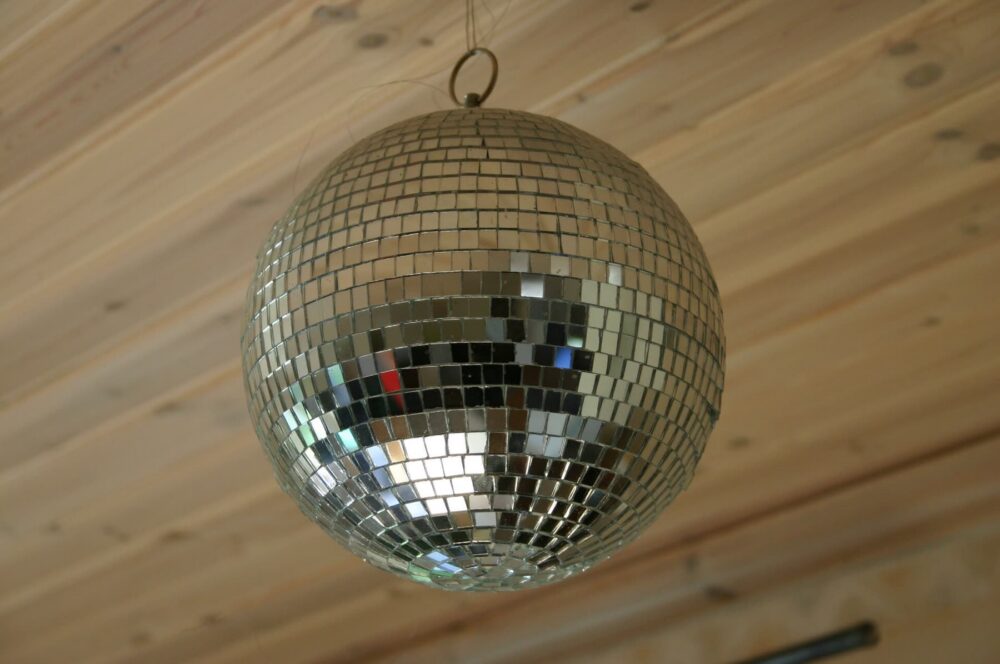
A speaker with a disco ball on top is a party-focused speaker that combines music playback with a rotating, multi‑color light on its upper panel, creating a small club‑style atmosphere. You’ll see this design on everything from palm‑sized Bluetooth units to big trolley DJ speakers that can fill a room. For US buyers, these show up both on mainstream sites like Walmart and Best Buy and on cross‑border marketplaces such as DHgate, which connects buyers directly to China‑based disco speaker manufacturers.
If you’re choosing one, your real decision is simple: do you want a fun light show for a bedroom or dorm, or a serious party rig that can cover a yard or event space? The answer drives size, power, connectivity, and whether it makes sense to import from a marketplace like DHgate or stick with local retail.
What a Disco-Ball Speaker Is and Who It’s Really For
A disco‑ball speaker is basically two products fused together: a speaker cabinet and a compact disco light. The light housing usually sits on the top of the unit and spins or rotates through multiple colors while your music plays, throwing spots of light around the room.
Large models such as the RCA STAGE‑101 dual 10‑inch Bluetooth speaker pair big woofers with a top‑mounted disco ball for a clear “portable party speaker” profile. Mid‑size units like the IQ Sound 12″ Portable Bluetooth Speaker with Disco Ball Light focus on being easy to move while still having a visible light dome. At the tiny end, iDance‑style wireless mini speakers put a small RGB ball on top of a desk‑friendly Bluetooth speaker for close‑range use.
These products make the most sense for:
- Small house parties and birthdays where you want both sound and an obvious “party” visual.
- Kids’ rooms and dorms, where a mini USB‑powered disco speaker is more about mood than volume.
- Casual karaoke or backyard gatherings, where trolley‑style speakers with handles feel like budget DJ gear.
If you mostly care about sound quality without the light show, you’ll get more value from a straight PA or Bluetooth speaker. The disco ball is a visual feature, not a sound upgrade.
Types of Disco-Ball Speakers and Key Buying Factors
Market offerings split into two broad groups: mini USB/Bluetooth speakers with small disco balls, and larger DJ/trolley units where the ball is part of a full party system.
Mini speakers, including the iDance wireless mini models sold through European retailers like Alegree, tend to be:
- Palm‑size or desk‑size
- USB‑powered or battery‑powered
- Near‑field listening only (bedroom, dorm, desktop)
- Basic RGB lighting with simple rotation
Large party units like the IQ Sound 12″ or Top Tech Blade‑208 are built more like compact PA systems, often with wheels or a handle. The Top Tech Blade‑208 Party Speaker with Disco Ball shows how these differ: it has a substantial speaker driver, a built‑in disco ball, and portable design aimed at events rather than desk use.
Here’s a quick comparison using real products:
| Model / Type | Approx. Size & Drivers | Disco Ball Placement | Typical Use Case |
|---|---|---|---|
| RCA STAGE‑101 (trolley) | Dual 10″ drivers, tall unit | Top panel | House parties, small events |
| IQ Sound 12″ Portable Speaker | Single 12″ driver, portable | Top dome | Backyard, garage, rec room |
| iDance wireless mini speaker | Mini Bluetooth desktop unit | Small ball on top | Bedroom, dorm, kids’ parties |
| Top Tech Blade‑208 Party Speaker | Party speaker with handle | Top‑mounted disco ball | Casual DJ/party speaker |
When you’re deciding between them, focus on these specifics:
- Sound output vs. room size. A mini disco speaker won’t carry over a crowded living room, while a dual‑10‑inch trolley like the STAGE‑101 is overkill for a studio apartment.
- Power and portability. USB‑powered minis are easy to toss in a backpack. Bigger DJ units may have internal batteries plus AC input, but they’re bulkier.
- Connectivity. Most modern units offer Bluetooth; some also add aux‑in, USB media playback, or mic inputs (for karaoke) like the SoundLogic party speaker listed at Showcase USA.
- Lighting style. Some balls just rotate through colors; others offer multiple light modes. Product pages typically list the number of RGB LEDs and modes, so read those closely if the light show is a priority.
- Durability. The disco ball itself is often a plastic dome. If kids will handle it or you’ll move it a lot, look for photos that show how exposed the dome is and whether the housing looks sturdy.
Short scenario callout: If you’re outfitting a small bedroom or dorm, start with a mini USB/Bluetooth disco speaker; if you’re covering a yard or large living room, jump straight to a 12″ or dual‑driver trolley unit.
Where to Buy: DHgate vs Other Marketplaces for Disco-Ball Speakers
US buyers have two broad sourcing paths: domestic retailers/marketplaces and cross‑border platforms.
On the domestic side, disco‑ball speakers show up on mainstream retailers and marketplaces. Walmart’s “disco speaker” category page lists DJ‑style units including 12″ portable Bluetooth speakers with disco ball lights, and Best Buy carries models such as the IQ Sound 12″ party speaker referenced above. Similar products appear on eBay in both new and used form, covering everything from Funkyfonic keychain‑sized disco ball speakers to larger wireless units.Walmart’s disco speaker listings are a good snapshot of what US‑available models look like in terms of size and design.
Cross‑border platforms such as Alibaba and DHgate connect buyers directly to China‑based manufacturers that produce “Disco Speakers” at scale. DHgate’s own editorial material describes China disco speaker factories as an active category in consumer electronics, aimed at global retail and wholesale buyers. If you’re comfortable with import‑style purchasing, that matters: you may find more design variations (different cabinet shapes, dome styles, and configurations) than on a single US retail site.
That said, cross‑border buying introduces trade‑style considerations:
- Customs and duties. Larger orders or higher‑priced units may trigger import taxes, depending on value and carrier.
- Communication and listing clarity. Product pages may use generic names like “Disco Speaker” rather than familiar US brand models, so pay close attention to listed driver sizes, power specs, and photos of the disco ball.
A practical approach is:
In either channel, match the product type to your real use case first (mini vs trolley DJ), then compare listings based on sound specs, power options, and how the disco ball itself is built and protected.