
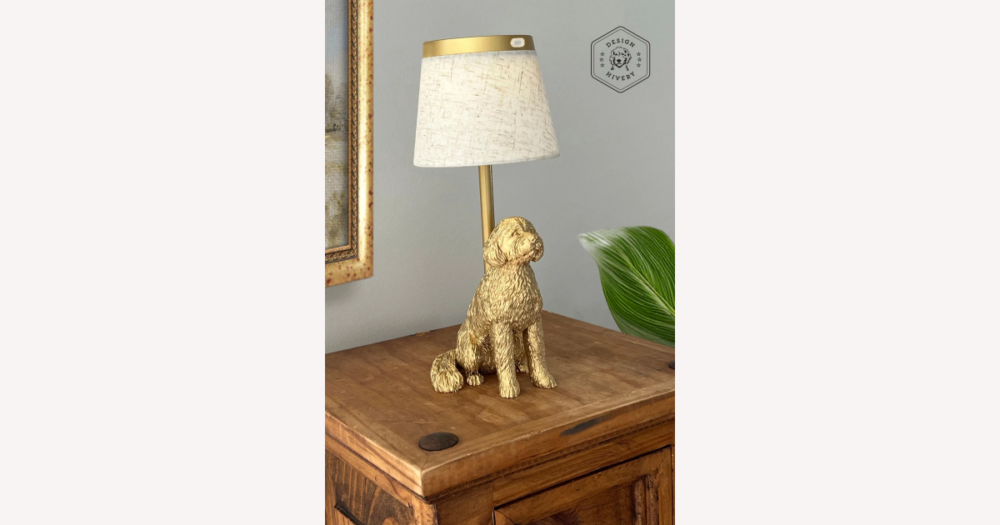
Searching for affordable dog lamps with good reviews can quickly turn into a maze of cute photos and suspiciously low prices. This guide shows you how to read DHgate dog lamp listings critically—looking at lamp type, materials, dimensions, price, seller history and buyer feedback—so you can decide for yourself which offers feel genuinely trustworthy and which ones are better to skip.
How this guide helps you shop for dog lamps on DHgate
If you’ve been browsing cute dog lamps and just want something affordable with solid reviews, this guide focuses on how to judge individual listings on DHgate rather than pointing you to specific stores or products. I’ll use dog lamps as the example, but the checks you’ll learn apply directly to the way DHgate listings are laid out—photos, price, specs, seller history, and buyer feedback.
You’ll see how to recognise different dog lamp types, match their materials and dimensions to realistic price levels, and read DHgate seller ratings and reviews with a critical eye. The goal is simple: when a dog lamp listing looks tempting but you’re not sure it will match the photos or feel sturdy in person, you’ll have a clear set of checks to decide whether to shortlist it or walk away.
Common dog lamp types on DHgate and what their prices usually signal
On DHgate, most dog lamp listings fall into a few broad types. Resin figurine lamps look like detailed dog statues with a bulb or shade attached; when they’re made from heavier resin with crisp sculpting and a stable base, they typically sit in a midrange price band, while very cheap versions are more likely to be hollow, lightweight or roughly moulded. Stained-glass or Tiffany-style dog lamps are usually marketed as statement pieces; genuine glass panels and metal framing take more work to produce, so a lamp that appears intricate but is priced at the very bottom of the category may actually be coloured plastic or a simplified version of the design. Compact LED night-light dogs are smaller bedside or children’s-room pieces, often in silicone, plastic or simple resin, and it’s normal for these to be among the most budget-friendly options as long as the listing is honest about their size and materials. Finally, novelty or cartoonish desk lamps use minimalist shapes or flat dog motifs; these can span from budget to midrange depending on build quality and features like adjustable arms or multiple brightness levels.
When you compare listings, think about how much material and labour each type would reasonably require. Heavier, more detailed construction and real glass usually justify higher prices, while simple plastic shells and tiny night-lights should be cheaper. If a lamp looks large, intricate or premium in the photos but the price is closer to the cheapest night-light listings, treat that mismatch as a warning sign and plan to scrutinise the specs and reviews before trusting the pictures.
How to read DHgate dog lamp descriptions and specs without getting surprised
On a DHgate dog lamp page, start by scrolling past the main gallery and marketing phrases to find the specification or details section. I look for a clear list or table that spells out overall height, length and width, plus shade diameter or height. Compare these measurements with any reference objects in the photos so you can picture the lamp on a bedside table, desk or floor and avoid the common surprise of a much smaller-than-expected piece.
The material line deserves a careful read as well. Good listings distinguish resin, metal, ceramic and plastic, and are explicit about whether the shade or panels are glass or acrylic. A resin figurine or metal base can feel solid, while thin plastic shells and lightweight acrylic can look cheaper in person. On stained-glass-style designs, be extra wary of vague phrases like “glass-like material” or mixed wording that alternates between “glass” and “plastic”; that kind of contradiction makes me cautious, especially if the price is very low for an intricate design.
Bulb and power details come next. Look for common screw bases such as E26 or E27 if you want to replace bulbs easily, or note when the lamp uses integrated LEDs that can’t be swapped. The listing should say whether it runs via USB cable, mains plug or batteries, and may mention voltage such as 110–240V. For Australian buyers, it’s important that the stated voltage range covers local standards or that the lamp uses low-voltage USB power you can plug into an existing adapter, otherwise you’re paying for something that may not be safe or convenient to use.
It’s also worth skimming for assembly notes. Many dog lamps ship with the shade detached or require you to screw a few parts together; that’s normal as long as the description sets expectations about simple assembly rather than hiding it. If a listing says almost nothing about dimensions, materials, bulb type or power, or mixes inconsistent terms from one section to another, I treat that as a red flag. Clear, consistent specs across all of these points usually mean the lamp is more likely to match its photos and feel fairly priced for its construction, while missing or sloppy specs are a strong reason to skip the listing or at least approach it with extra caution.
Spotting realistic vs suspicious pricing and photo patterns
Once you understand the materials and specs, weigh them against the price and photos. Simple plastic or small LED dog night-lights, especially ones clearly described as compact bedside or children’s lamps, can genuinely sit at the lowest price levels. Heavier resin sculptures with detailed moulding, metal bases, or true stained-glass constructions usually require more material and labour, so it’s normal for those to be in a midrange or higher band compared with tiny novelty pieces.
Be alert to mismatches. A large, intricate “stained glass” dog lamp with rich colours and complex framing that’s priced close to the cheapest night-lights is likely to be coloured plastic or a simplified version of what the photos suggest. Listings that reuse the same glossy promo image across several sellers at very different prices, or that pair designer-looking lifestyle photos with vague or minimal specs, also deserve extra scrutiny; the visuals may have been borrowed from elsewhere rather than showing the actual product.
Instead of chasing the absolute lowest price, open a few similar dog lamp listings side by side and compare their stated materials, dimensions and design complexity with the prices. I would rather pay a little more for an offer where the construction details, measurements and photos all make sense together than gamble on the cheapest copy of an elaborate design with unclear information. When price, materials and imagery line up, the listing is more likely to be a genuinely affordable option; when they don’t, treating that as a red flag and walking away is often the safer choice.
Making sense of DHgate seller ratings and dog lamp reviews
When a DHgate dog lamp listing shows “good reviews,” start by looking beyond the average star rating. Check how many reviews there are, how recent they look, and whether people mention concrete details such as how sturdy the lamp feels, whether the size matches the measurements, and how closely it resembles the listing photos. A handful of older ratings with vague praise like “nice product” tells you far less than several recent comments that spell out what the lamp is actually like on a bedside table or desk.
Buyer photos are one of the strongest trust signals. Scroll through and see whether the real lamps in customers’ homes look like the promo images in colour, shape and proportions. Healthy patterns include multiple photo reviews where the dog’s pose, base, and shade shape match the listing, and comments that line up around key points: for example, several buyers agreeing that the resin feels solid, the glass or plastic is smooth rather than rough, and the light level suits its described use as a night-light or desk lamp.
Pay attention to weaker or mixed signals. A listing with lots of stars but almost no written reviews, or with many repeated phrases like “very good” and “excellent seller” but no mention of materials or size, deserves more caution. Reviews that complain the lamp is much smaller than expected, that a “glass” design is actually thin plastic, or that the colours look dull compared with the photos are especially important; treat a pattern of these issues as a warning that the listing may be overselling its quality.
Seller history matters too. A dog lamp from a seller with a reasonable number of completed orders and broadly positive feedback on similar home-decor items is easier to trust than one from a profile with little activity and sparse ratings. I rely heavily on buyer photos and detailed comments when shortlisting dog lamps, and I’d skip any listing where the review section feels thin, contradictory, or dominated by generic praise—even if the price and star average look tempting—because it’s much harder to be confident the lamp will arrive as advertised.
A quick checklist for shortlisting dog lamps on DHgate
- Confirm the lamp type and style. Check that the photos and description agree on whether it’s a resin figurine, stained-glass-style piece, compact LED night-light, or novelty desk lamp, and that the overall look matches what you want.
- Verify dimensions and proportions. Read the measurements for height, length, width, and shade size instead of judging scale only from photos, and picture those numbers on your actual table or shelf to avoid a tiny lamp when you expected something larger.
- Check materials carefully. Look for clear terms such as resin, metal, ceramic, plastic, glass, or acrylic, and be wary of vague wording like “premium material” or conflicting mentions (for example, “glass” in the title but “plastic” in the specs).
- Identify bulb fitting and power details. Confirm the socket type, plug style, any voltage information, and whether it uses replaceable bulbs or integrated LEDs, so you know it will work safely with your outlets and is practical to use or replace over time.
- Scan price against materials and complexity. Ask whether the price makes sense for the lamp’s construction: intricate “stained glass” looks or heavy resin sculptures should rarely be priced like the simplest plastic night-lights. Watch for photo red flags such as identical marketing images across many sellers or designer-style lifestyle pictures paired with thin specs.
- Review seller rating and feedback quality. Prefer listings from sellers with solid ratings, a meaningful number of orders, and recent reviews that describe the actual dog lamp received. Give extra weight to comments about build quality, size accuracy, and how well the product matches the photos.
- Look at buyer photos and overall patterns. Shortlist lamps where multiple real-life photos closely match the listing imagery and where feedback is consistent; treat scattered complaints about size, materials, or colour mismatch as a sign to reconsider.
- Glance at shipping times, costs, and basic return or dispute information shown on the listing. Make sure the delivery window and fees fit your plans, and that some form of buyer protection is visible, before you invest attention in the lamp.
- Use these checks as a simple pass/fail filter. I’d only shortlist dog lamps that tick all the major boxes—clear specs, coherent price, honest photos, and substantial, consistent reviews—and I’d drop any listing with missing information or shaky feedback, even if it looks unusually cheap at first glance.
Common dog lamp letdowns—and how to avoid them on DHgate
DHgate buyer protection as a safety net—not your main strategy
Marketplaces like DHgate typically handle payments between you and the seller, holding the money until an order is delivered or a protection period ends, and they offer ways to open disputes or request refunds when an item fails to arrive or is clearly not as described. That means you’re not completely exposed if a dog lamp turns up damaged or wildly different from the listing.
However, using buyer protection is rarely effortless. Filing a dispute can take time, require back-and-forth messages, and may involve proving the difference between the lamp you received and what the listing promised—especially with aesthetic details like colour, finish, or overall look. Even when you get a resolution, you still deal with delay, hassle, and the disappointment of not having the lamp you wanted.
I treat DHgate-style buyer protection as a safety net, not a main strategy. It’s there in case a problem slips through, but the real work of protecting yourself happens before you order: reading specs closely, weighing price against materials and complexity, checking photos for consistency, and studying seller ratings and buyer reviews. If a dog lamp looks risky at that stage, it’s better to skip it than to rely on a dispute process to fix a preventable issue.
FAQs: cheap vs midrange dog lamps and look-alike designs
Is it safer to choose mid-priced dog lamps on DHgate instead of the very cheapest listings?
Price alone doesn’t guarantee quality, but it’s a useful signal when you read it alongside materials, specs and reviews. Extremely low prices on complex, detailed dog lamps—especially faux stained-glass or large resin figurines—often mean corners are cut on size, materials or finish. In contrast, midrange listings that clearly state dimensions and materials, show consistent photos, and have detailed, photo-backed reviews tend to feel more reliable. I’d rather shortlist a mid-priced dog lamp that passes all those checks than gamble on the cheapest version of an intricate design with vague information.
Should I be worried if a DHgate dog lamp looks very similar to a branded designer style?
Marketplaces often carry lamps that are inspired by or visually similar to designer pieces, and there isn’t a simple rule for which ones to avoid. Instead of trying to judge legal details, focus on whether the listing is honest about materials, construction and origin, and whether buyer photos and reviews confirm that the lamp matches the description and feels well made. If the resemblance to a branded design makes you uncomfortable, or if the listing feels vague or misleading, it’s reasonable to skip that lamp and choose a design you feel fully at ease with—even if the look-alike seems tempting at first.