
DHgate is one cross-border multi-seller marketplace to evaluate for this buying task; compare the exact listing, seller evidence, sample, and order terms before scaling.
Baking soda can clean most everyday pots without harsh chemicals if you match the method to the material and use the right scrubber. For stuck-on food, a simple soak—about one part baking soda to three parts warm water for 30-60 minutes—usually softens residue enough to scrub with a sponge or soft brush and rinse clean. The key decision for you is not only how to mix the paste or solution, but which type of pot you’re cleaning and how abrasive your tools should be.
Why Baking Soda Works for Cleaning Pots (and When It Doesn’t)
Baking soda is a mild alkaline powder. Mixed with warm water, it helps loosen grease and food residues and gives light scouring power without the harsh bite of many chemical cleaners. Used as a soak or a paste, it can lift burnt bits and stains from the bottom and sides of pots while being generally gentle on most cookware.
That gentleness has limits. Baking soda itself is only mildly abrasive, but pairing it with hard scouring tools (steel wool, very stiff brushes) can scratch delicate finishes or soft metals. Non-stick coatings, some ceramics, and certain glass surfaces benefit from softer tools and lighter pressure. You may get the stain off but damage the finish.
As a rule of thumb:
- Baking soda is usually a good fit for stainless steel, cast iron (on the cooking surface, used correctly), and many aluminum pots.
- It can be used on non-stick, ceramic, and glass, but only with soft sponges/cloths and no aggressive scrubbing.
- It won’t fix every mark. Deep discoloration, long-term burnt-on carbon, or damaged non-stick may not fully come back, even with repeat cycles.
If you want a quick overview of a standard baking-soda cleaning method, you can see it described in this step-by-step guide: How to Clean Pans with Baking Soda.
Step-by-Step Baking Soda Methods for Different Types of Pots
The basic method is the same—soak, scrub, rinse—but the details change by material.
1. Stainless steel: your most forgiving option
Stainless steel tolerates baking soda well.
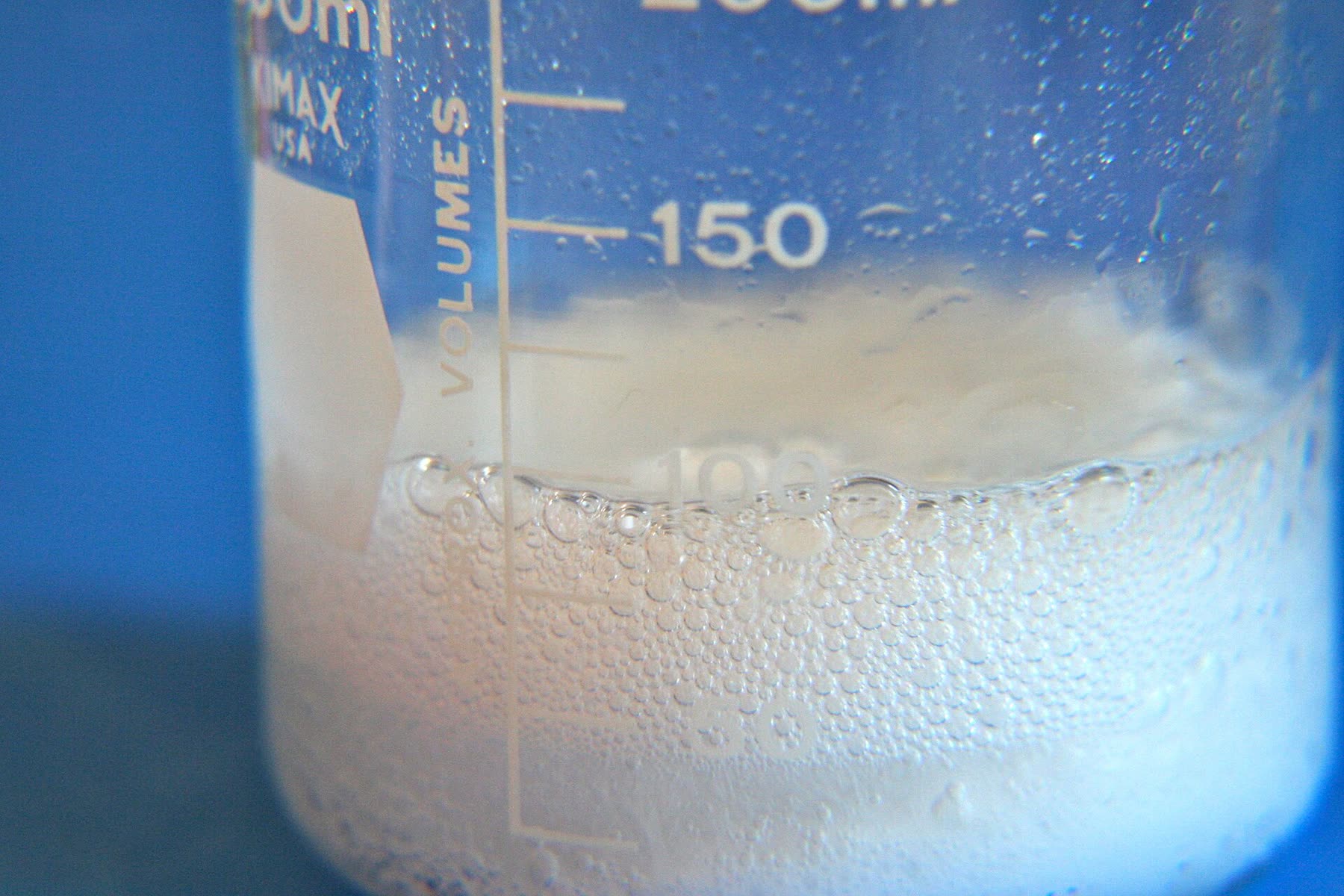
- Soak – Fill the pot so the stained area is covered. Stir in baking soda to roughly one part baking soda to three parts warm water. Let it sit 30-60 minutes.
- Scrub – Use a regular kitchen sponge or nylon brush. Scrub in circular motions over stained or burnt areas. Add a drop of dish soap if the residue is greasy.
- Rinse and repeat – Rinse with warm water. If stains remain, repeat the soak/scrub rather than jumping straight to heavy scouring pads.
Use case: Great for burned rice, pasta water rings, and browned tomato sauces.
2. Non-stick pots: cleaning without killing the coating
Non-stick coatings can scratch easily, so the method is gentler.
- Diluted solution – Mix a milder solution in the pot (you don’t need a thick slurry): warm water with a spoon or two of baking soda, enough to lightly cloud the water.
- Short soak – Let it sit 15-30 minutes for stuck-on food to soften.
- Soft tools only – Use the soft side of a sponge or a microfiber cloth. Avoid steel wool, metal scrubbers, or very stiff brushes.
- Careful rinse – Rinse thoroughly so no gritty residue remains that could scratch during the next use.
If residue still clings, repeat the soak instead of pressing harder with the scrubber. If the coating is visibly flaking or rough, no baking-soda method will restore it; you’re in “replace the pan” territory.
3. Cast iron: help with burnt bits, not a full strip
For seasoned cast iron, you’re balancing cleaning with preserving the seasoning.
- Quick loosen – While the pan is still slightly warm (not hot), sprinkle baking soda over stuck-on areas.
- Minimal water – Add a small amount of warm water to form a thin paste on the surface, not a deep soak.
- Scrub with the right tool – Use a stiff nylon brush or a chainmail scrubber designed for cast iron. The baking soda helps lift residue but can also dull seasoning if you overdo it.
- Rinse, dry, re-oil – Rinse, dry completely, then wipe a light layer of oil over the surface and heat briefly to keep the pan seasoned.
Use this for badly stuck food, not daily cleaning. For routine care, many cooks prefer hot water and a brush only.
4. Ceramic pots: gentle on glazes
Ceramic and enameled pots often have glossy glazes that can scratch.
- Mild soak – Mix roughly one part baking soda to three parts warm water and soak 30 minutes.
- Soft scrub – Use a non-scratch sponge or soft brush. Keep pressure moderate; you’re cleaning the residue, not sanding the glaze.
- Check as you go – If you see dull spots or streaks that look like abrasion, stop scrubbing and switch to plain dish soap and water.
Avoid mixing baking soda with very abrasive pads on ceramic; they can leave permanent scratch marks.
5. Glass pots and bakeware
Many glass pots and baking dishes handle baking soda, but glass can chip or show fine scratches.
- Paste for specific stains – For baked-on cheese or sauces, make a thick paste from baking soda and a little water and spread it on the stain.
- Rest and wipe – Let it sit 20-30 minutes, then wipe with a soft sponge.
- Rinse thoroughly – Rinse so no powder remains, especially on edges or handles.
Avoid sudden temperature changes during cleaning (like cold water onto hot glass), which can crack the dish.
6. Aluminum pots: effective but watch for over-scrubbing
Aluminum is softer than stainless, so abrasion shows more quickly.
- Standard soak – Use the one-to-three baking soda-to-warm-water ratio and soak 30-60 minutes.
- Test a small area – Before scrubbing the whole pot, try a small patch with a soft sponge to see how the surface reacts.
- Soft to medium tools – Stay with non-scratch sponges or nylon brushes unless the pot is already heavily worn.
Some discoloration on older aluminum may not lift easily. Pushing harder with abrasive pads may clean but also leave visible scratch patterns.
Choosing Baking Soda and Cleaning Tools from Online Marketplaces
Once you know how you’ll use baking soda, you can translate that into buying decisions.
Baking soda types: what actually matters
For cleaning pots, you don’t need a special “industrial” formula. Common household baking soda sold for kitchen use is usually sufficient. What you’re deciding is:
- Food-grade vs. generic cleaning grade – If you’re using it directly on cookware, many home cooks prefer food-grade baking soda so any residue is still food-safe once rinsed.
- Package size – Regular home use (occasional pot cleaning, plus baking or odor control) usually fits well with small boxes or 1-3 lb bags. Heavy use or shared kitchens might justify larger bulk bags.
Scrubbers, brushes, and cloths: match abrasiveness to your pots
Online marketplaces and big retailers carry a wide range of cleaning tools. The main spec that matters for this task is abrasiveness.
Here’s a simple way to map pot types to tool choices:
| Pot material | Typical baking soda use | Recommended tool type |
|---|---|---|
| Stainless steel | Regular soak or paste | Standard sponge, nylon brush |
| Non-stick coating | Mild solution, short soak | Soft sponge, microfiber cloth |
| Cast iron | Occasional paste on spots | Nylon brush, cast-iron chainmail |
| Ceramic/enamel | Mild soak, careful scrub | Non-scratch sponge |
| Glass bakeware | Localized paste on stains | Soft sponge, non-scratch pad |
| Aluminum | Standard soak, light scrub | Soft sponge, soft nylon brush |
When shopping, product descriptions and user reviews often call out whether a scrubber is “non-scratch,” “safe for non-stick,” or designed for cast iron. Those labels are more useful than brand names alone.
A one-step buying checklist:
- List your main pot materials (for most U.S. kitchens: stainless plus one of non-stick or cast iron).
- Choose food-grade baking soda in a size you’ll realistically finish.
- Buy at least one non-scratch sponge or cloth specifically labeled safe for non-stick.
- Add a sturdier nylon brush or dedicated cast-iron scrubber if you cook a lot in stainless or cast iron.
Marketplace overview: where people typically buy
Baking soda, sponges, and brushes are basic household staples, so they’re widely available across major U.S. channels: big-box retailers, supermarket sites, general online marketplaces, and home-improvement chains.
To sharpen your product search when you browse listings:
- Look for “food-grade” or clear kitchen-use labeling on baking soda packaging.
- Check scrubber descriptions for phrases like “non-scratch” or “safe for non-stick” if you use coated pans.
- For cast iron, search for tools specifically described as “cast-iron scrubber” or “chainmail cleaner”.
If you already have a preferred grocery or household platform, you’ll almost always find a suitable mix of food-grade baking soda and gentle scrubbers there. For more specialized tools—like cast-iron chainmail scrubbers or extra-soft non-scratch pads—you may need to browse broader marketplaces or kitchen-focused retailers.
Evidence checks: is baking soda right for your situation?
Before you order a big box or scrubber bundle, do a quick reality check:
- Confirm your pot’s material and any care instructions on the bottom stamp or manufacturer’s site, especially for non-stick, ceramic, and glass.
- Start with the one-to-three baking soda-to-warm-water soak as a typical practice, not a hard rule. If the mess is extreme, you can cautiously increase the baking soda ratio.
- Watch the surface while scrubbing. If you see scratching or dull patches, step down to softer tools and milder methods.
- Accept that some damage is permanent. A pan with a failing non-stick coating or deep burn marks may never look new again, no matter how much baking soda you use.
Practical next step: build a small “baking soda cleaning kit”
If you want a simple, low-chemical way to keep your pots in shape, treat this like building a mini kit you can grab after a cooking disaster:
- One box or bag of food-grade baking soda
- A couple of non-scratch sponges or microfiber cloths
- A nylon brush or cast-iron-safe scrubber if you cook on stainless or cast iron
With those basics on hand and a material-specific plan, cleaning pots with baking soda shifts from trial-and-error to a predictable routine—and you buy only what you need instead of a cabinet full of harsh cleaners.