
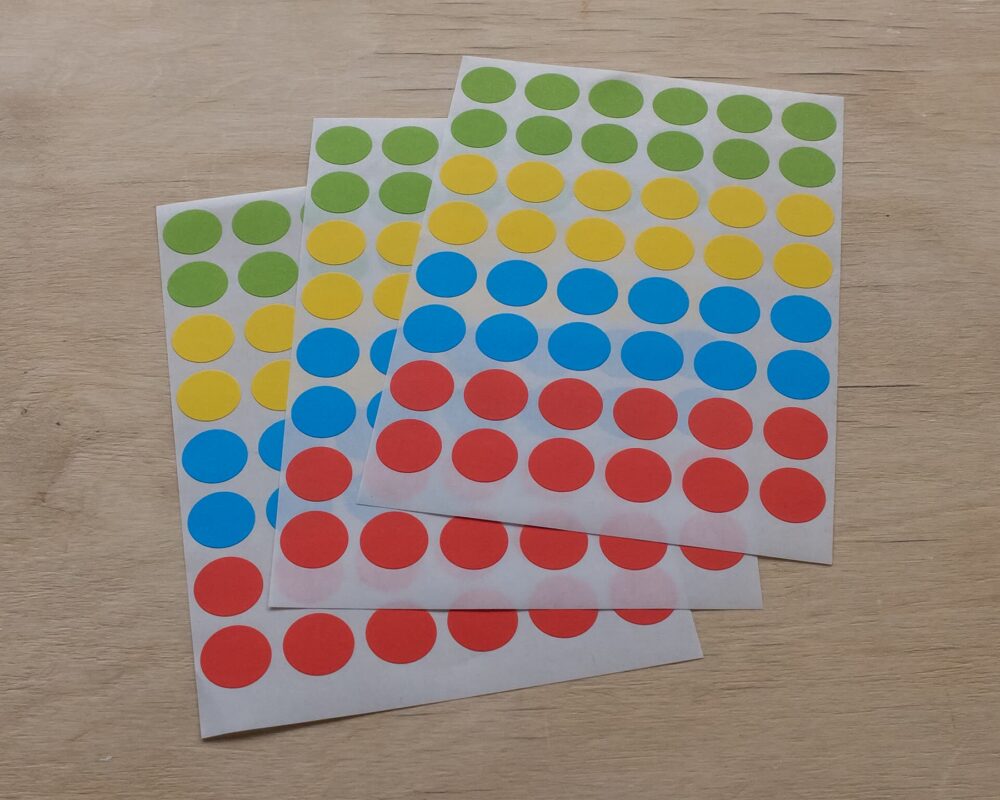
You can build a profitable online sticker business by doing three things well: choosing a focused niche, controlling production costs, and picking sales channels that match your audience. For most US beginners, that usually means designing niche stickers, printing them yourself or through a custom/print-on-demand service, and selling to consumers on marketplaces like Etsy or a simple Shopify site. DHgate can play a role, but more as a B2B option: sourcing bulk materials or blank sticker stock, or listing finished stickers for wholesale buyers rather than as your main consumer storefront.
If you’re looking for a realistic path, think in terms of small, repeatable margins instead of overnight success. A profitable sticker business typically aims to keep material and printing costs low per unit, bundle stickers into packs, and sell in niches that support repeat purchases (journaling, fandoms, small business branding, etc.). Guides like those from Carrco Labels and Merch Titans emphasize the same pattern: focus on a clear audience, keep costs predictable, and grow with better systems rather than chasing viral designs.
What a Profitable Online Sticker Business Really Looks Like
“Profitable” in sticker land usually means you cover your costs and pay yourself something for your time—not that you instantly replace a full-time salary. Stickers are low-barrier: you can start with a basic printer and sticker paper, a few designs, and a single marketplace listing. They’re also crowded, so your designs, pricing and workflow need to be intentional.
Most beginner-friendly guides describe the same building blocks:
- Niche focus. Selling “cute stickers” in general is hard; selling “minimal planner icons for nurses” or “retro national park stickers” gives you a specific buyer and repeat-use case.
- Cost control. Profit lives in the gap between your unit cost (paper, ink, outsourced printing, packaging, platform fees) and the price buyers will accept. Low waste and efficient printing matter as much as design.
- Repeatable formats. Designs that can be sold as sheets, packs, or bundles make your per-order margin larger than a single small sticker.
A realistic scenario for a US beginner might be:
- Design 10-20 stickers around one theme (for example, cozy reading and bookish quotes).
- Print locally at home or through a custom printer.
- List packs on Etsy and test pricing and keywords.
- Once you see steady demand for a style, standardize sizes and materials, and look at bulk sourcing for paper or scaling with print-on-demand.
That’s where marketplaces like DHgate, Etsy, Shopify, and POD services start to matter: each changes your costs, your audience, and your workload.
Sticker Types, Formats, and Costs: Choosing What to Sell
Before you pick platforms, decide what you’re actually selling. The type of sticker and how you produce it will determine your margins.
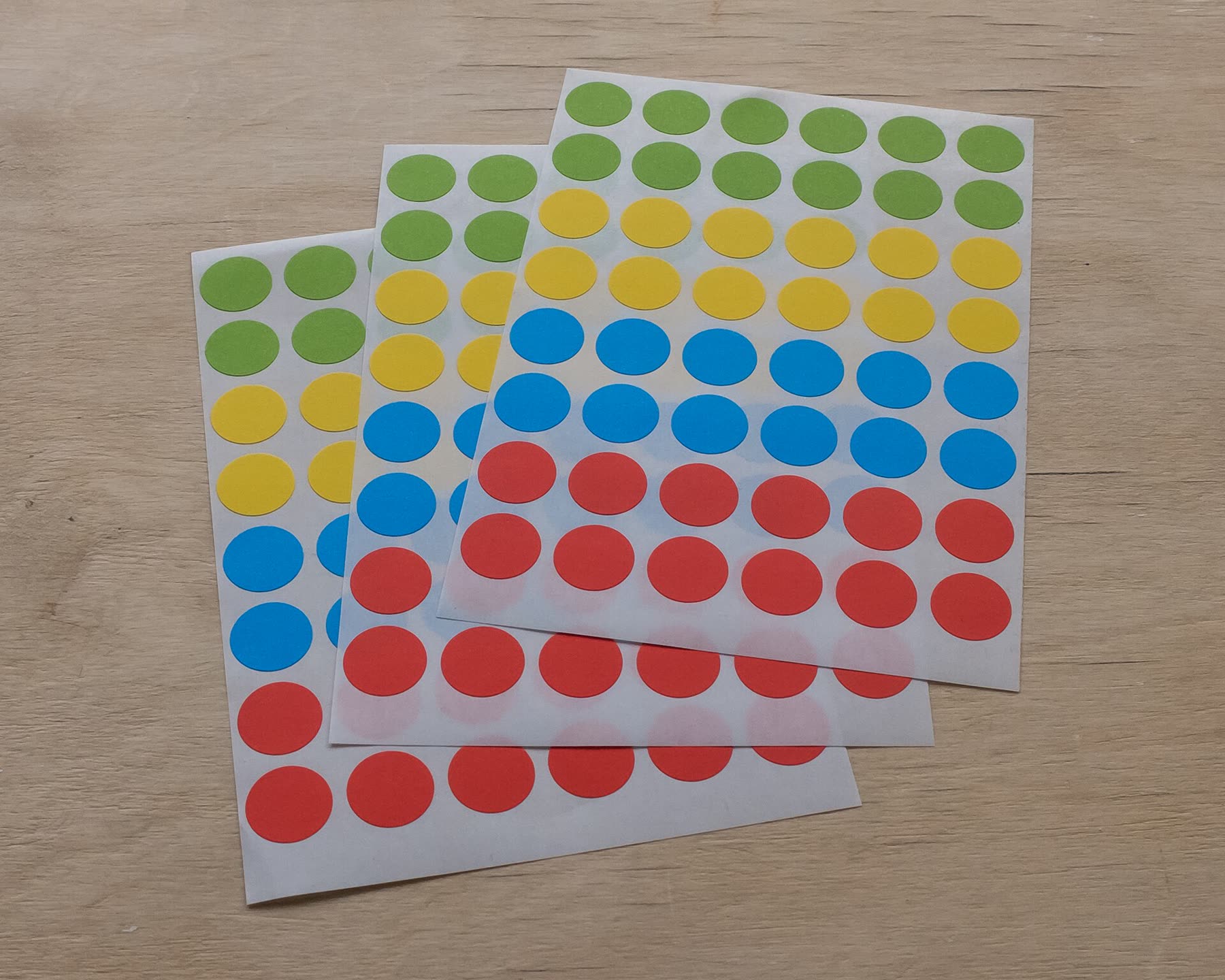
Common sticker types and formats include:
- Die-cut singles (one shape per backing): popular for laptops and water bottles.
- Kiss-cut sheets (multiple stickers on one sheet): ideal for planners and journaling.
- Sticker packs (bundled themes): higher perceived value and better margins.
- Label-style stickers (logos, packaging labels): used by small businesses.
You also need to decide how you’ll produce them:
DIY Printing vs. Custom Printing vs. Print-on-Demand
Research-heavy guides, such as Bootstrapping Ecommerce’s walkthrough with Printful, highlight one core decision: do you print yourself, hire a custom printer, or use print-on-demand (POD)? Each approach changes your upfront cost, control, and margin:
| Production method | Upfront cost (editorial judgment) | Control over quality/design | Typical use case for beginners |
|---|---|---|---|
| DIY at home | Low equipment + supplies | High (you see every sheet) | Testing a few designs, small batches |
| Custom sticker printer | Moderate (per batch order) | High once you vet a supplier | Larger runs, events, brand collaborations |
| Print-on-demand (POD) | Very low (no stock to hold) | Medium (platform handles print) | Online-only stores, global shipping without inventory |
DIY gives you maximum control and is often recommended when you’re validating a niche. You buy printable vinyl or sticker paper, use your own inkjet/laser printer, and cut with scissors or a cutter. Custom printers or manufacturers (including overseas options) start to make sense once you have designs that sell consistently and you need higher volume.
Print-on-demand platforms connected to Shopify or Etsy let you offer stickers without touching inventory at all; you trade some margin for simplicity. Guides focusing on Shopify sticker stores note that many beginners start with POD, then move some high-volume designs to custom or DIY once they understand demand.
Your decision criteria:
- Very low budget / just testing? DIY or POD.
- You already have loyal buyers or a brand? Custom printing or bulk manufacturing.
- You want to sell wholesale packs to other businesses? Bulk manufacturing or B2B platforms like DHgate may be relevant.
Whatever you choose, standardize your formats early (for example, one or two sheet sizes, one material type). That keeps your costs predictable and makes it easier to compare quotes from printers or suppliers.
Where to Sell and Source: DHgate vs Other Online Marketplaces
Once you know your niche and format, you need two things: a place to sell and, potentially, a place to source materials or finished stock.
Consumer-facing guides commonly highlight Etsy, Shopify, and POD platforms as starter channels for sticker businesses, because they put you directly in front of people who want to buy small packs for personal use. For many US beginners, a simple path is:
- Sell to consumers on Etsy or a Shopify store. Etsy already has buyers searching for “planner stickers” and “laptop decals”; Shopify gives you full control but requires you to bring your own traffic. Guides like Bootstrapping Ecommerce’s Shopify article walk through that setup.
- Use POD or a local/custom printer behind the scenes. This keeps upfront risk low while you figure out which designs actually move.
How DHgate Fits Into a Sticker Business
DHgate is described in brand editorial material as a large B2B marketplace with global reach. In practice, that makes it more relevant for trade-style sticker businesses than for a beginner trying to sell a few sheets to US consumers.
Realistic ways DHgate can fit into your sticker plan:
- Sourcing materials in bulk. Once you outgrow office-supply-level sticker paper, you might look for bulk printable vinyl sheets, label rolls, or packaging accessories from overseas suppliers. DHgate can be one of the places you search for those.
- Selling finished stickers B2B. If you design stickers for brands, events, or resellers and want to reach buyers outside the US, listing bulk packs on a B2B marketplace can expose you to international buyers who purchase in larger quantities.
Limitations for US beginners:
- DHgate is oriented toward buyers and sellers trading in bulk or for business use. It’s not a consumer marketplace in the same way Etsy is, with millions of shoppers looking specifically for one-off sticker sheets.
A simple multi-channel strategy for a beginner might look like this:
- Months 1-3: Test a niche with DIY or POD stickers listed on Etsy, and track which designs get saved and bought.
- Months 3-6: Move your bestsellers to more efficient production—either a custom printer or bulk materials you source (potentially through a marketplace like DHgate alongside other suppliers).
- After 6 months: Decide whether you want to stay consumer-focused (Etsy/Shopify, conventions, direct website) or add a B2B line (bulk packs and branded designs listed on DHgate or other wholesale platforms).
A Non-Negotiable: Legal and Copyright Basics
There’s one area where many beginner sticker sellers get into trouble: using copyrighted images or characters without permission. Brand editorial content and multiple independent guides stress that you should not print or sell stickers featuring popular characters, logos, or celebrity likenesses unless you have legal rights to do so.
That includes obvious franchises (superhero brands, movie characters, sports team logos) and recognizable trademarks. Making and selling stickers with these kinds of images can create legal risk, including potential claims from rights holders.
This article isn’t legal advice. If your idea involves fan art or recognizable brands, it’s worth:
- Reviewing official resources on copyright and trademark from government or educational sites.
- Talking to an attorney familiar with intellectual property before you invest in production.
Safer early paths usually focus on original illustrations, patterns, phrases you’ve written yourself, or generic motifs (plants, abstract shapes, non-branded animals) that don’t lean on someone else’s IP.
Quick Starter Checklist for Your First Profitable Sticker Line
To turn this into action without overcomplicating it, you can use this short checklist:
- Pick one clear niche and use case. For example: “minimal black-and-white planner stickers for grad students” or “retro travel stickers for car windows.”
- Decide on format and production. Choose your sheet size and material, then pick DIY, custom printing, or POD based on your budget.
- Price for margin, not just vibes. Estimate your per-unit cost (materials, printing, packaging, platform fees) and set prices that leave room for profit and occasional discounts.
- Launch on a consumer marketplace first. Use Etsy or a simple Shopify site to test how real buyers respond to your designs.
- Explore bulk sourcing and B2B only once you have demand. That’s the point where DHgate or other wholesale marketplaces make sense for materials or bulk sticker packs.
If you treat sticker selling like a small, testable business—rather than a quick win—you’ll have a much better chance of reaching real profitability and deciding, with clear data, where platforms like DHgate, Etsy, and print-on-demand services actually belong in your strategy.