
The best things to sell online are products that match clear buyer demand with margins you can actually keep and inventory you can reliably source. In practice, that usually means picking a small niche you understand (for example, electronics accessories, beauty, or handmade jewelry), validating that people are already buying similar items, and avoiding categories dominated by big brands unless you bring a twist like customization or a narrow audience. DHgate can help you discover and source many physical products cross‑border, but it’s one option among several — and not always the simplest route for a first‑time seller.
Below, you’ll see how to judge whether a product idea is worth pursuing, which categories tend to work well online, and how DHgate and other marketplaces fit into your sourcing plan.
What Makes a Product Worth Selling Online?
Almost anything can be sold online, but not everything is worth selling for you. A product idea is promising when it checks five boxes:
1. You understand the niche
Historic DHgate editorial advice stresses picking something you already know — from a past job, hobby, or current brick‑and‑mortar business. If you’ve worked in beauty retail, selling skincare or hair accessories online gives you an edge because you recognize good ingredients, common complaints, and realistic price points.
2. Demand is visible, not imagined
Look for evidence that real buyers already want what you’re considering:
- Search the product on major marketplaces and see how many listings and reviews exist.
- Check trend tools like Google Trends or category roundups (for example, the Forbes overview of best things to sell online) to confirm the category shows up repeatedly, not just in one blog post.
3. Competition is manageable
If your idea pits you directly against global brands (think flagship smartphones or prestige makeup), you’ll need something different: bundles, personalization, specific sub‑cultures, or under‑served sizes. DHgate’s legacy guidance suggests aiming for spaces that aren’t dominated by big names or where you can add uniqueness.
4. Supply is reliable
You have to be able to get the product consistently. That could be your own production, a trusted supplier, or stable cross‑border sourcing. If you scale from 10 orders a week to 100, you don’t want your supplier to run dry just as you gain traction.
5. Shipping and returns are practical
Smaller, non‑fragile items (beauty, fashion accessories, books, many electronics accessories) are simpler and cheaper to ship than large or breakable products. That matters for your margin and for buyer satisfaction.
If a product fails more than one of these tests, keep it on your long list but pick something simpler for your first serious online experiment.
A Quick Look at Popular Product Types and Buyers
This table groups common online product categories with typical buyers and quick pros/cons, including how quickly items can often resell, so you can narrow your list.
| Category | Typical Buyers in the US | Why Sellers Like It | Resell Speed & Watch‑Outs |
|---|---|---|---|
| Electronics accessories | Tech users, gamers, students | Evergreen demand, many sub‑niches | Quick resell when models are current; watch counterfeit risk and fast model changes |
| Beauty & skincare | Women 18-45, skincare enthusiasts | Year‑round demand, easy to ship | Regular restocking can drive fast repeat sales; consider ingredients, regulations, sensitivity |
| Clothing & fashion | Style‑conscious shoppers, parents | Evergreen, huge creative room | Second‑hand pieces can move quickly; high competition and sizing‑related returns |
| Handmade crafts | Gift buyers, DIY fans | Personalization, story‑driven pricing | Custom orders can sell fast in peak seasons; production is labor‑intensive to scale |
| Jewelry & accessories | Fashion shoppers, gift buyers | High perceived value, small & light | Everyday and gift pieces resell well; quality expectations and fast‑moving trends |
| Books | Students, hobby readers, educators | Easy to ship, new & used markets | Used books and textbooks can resell quickly; thin margins on new bestsellers |
Use this to mark 2-3 categories that fit your skills and tolerance for risk. Then drill down to specific products.
Top Product Categories to Sell Online (With Pros and Cons)
Historically, DHgate’s editorial team highlighted several categories that tend to work well online. External guides like Foundr’s piece on what to sell online and Printify’s profitable products guide echo similar themes. Here’s a practical rundown.
1. Electronics and Smart Home Accessories
Examples: phone cases, chargers, cables, earbuds, gaming accessories, smart bulbs, Wi‑Fi plugs.
Electronics are described as having “perpetual demand” — people constantly need replacements, upgrades, and add‑ons. Accessories and smart‑home gadgets are cheaper and easier to ship than large devices, and they’re less dominated by a few brands.
Pros:
- Huge audience: students, professionals, gamers, homeowners.
- Fast repeat purchases as items wear out.
- Compatibility niches (for specific phones, consoles, or thermostats) where you can specialize.
Cons and risks:
- Technical issues or safety standards (UL, FCC) if products plug into the wall.
- Model changes can make stock obsolete quickly.
- On cross‑border marketplaces, you must watch closely for unbranded or potentially infringing items.
Resell note: up‑to‑date accessories for popular devices can move quickly; older‑model stock can slow down sharply once buyers upgrade.
Good starter angle: pick one ecosystem (for example, iPhone accessories or smart‑plug home automation) and become the “everything in one place” seller for that niche instead of trying to cover all electronics.
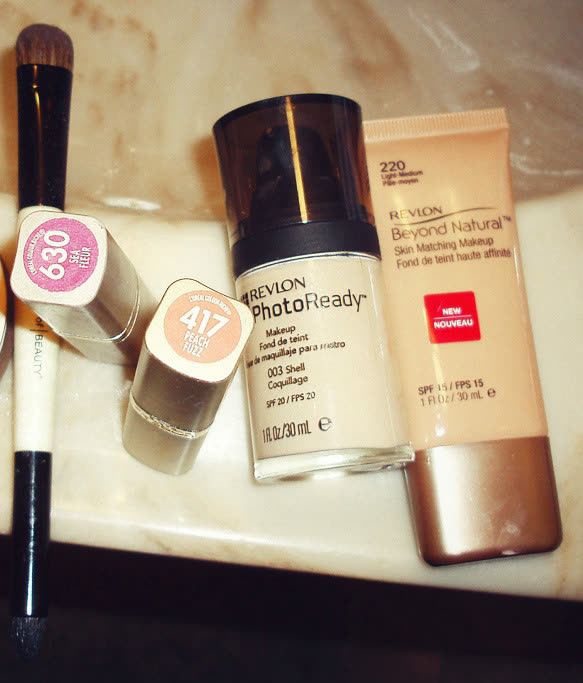
2. Beauty Products and Personal Care
Examples: skincare, makeup tools, nail supplies, wigs and weaves, false lashes, simple hair accessories.
Beauty products are repeatedly cited as a strong online category. DHgate’s original piece notes beauty attracts demand all year and ships easily because items are small and light. That lines up with external overviews that highlight beauty as one of the top evergreen e‑commerce markets.
Pros:
- Year‑round demand; buyers restock regularly.
- Easy to ship; good fit for small businesses without complex logistics.
- Product bundles and “routine” kits can increase average order value.
Cons and risks:
- Must be careful with claims (anti‑aging, medical benefits) and local regulations.
- Sensitive skin and allergies can drive returns if ingredients aren’t clear.
- Many big brands already own mindshare, so differentiation matters.
Resell note: consumable items (cleansers, serums, nail supplies) can generate consistent, relatively fast repeat sales once buyers trust your brand.
Good starter angle: focus on accessories (brushes, organizers, tools) or simple categories where regulations are lighter, then expand as you learn your audience.
3. Clothing and Fashion
Examples: T‑shirts, hoodies, dresses, athleisure, kids’ clothes, niche uniforms or costumes.
The legacy DHgate article calls clothing an “evergreen” business: fashion keeps evolving, and culture and special events drive endless variation. Sellers can choose one category (such as graphic tees) or cast a wider net.
Pros:
- Constant demand; everyone needs clothes.
- Strong room for creativity, branding, and storytelling.
- Second‑hand and vintage markets create fast‑resell opportunities.
Cons and risks:
- Returns due to size, fit, and color expectations.
- Competition from fast fashion giants.
- Inventory risk across sizes and styles.
Resell note: well‑known brands and on‑trend vintage pieces can resell quickly in second‑hand channels, while generic items may sit longer.
Good starter angle: use print‑on‑demand for designs (so you don’t hold inventory) or specialize in one audience, like plus‑size workwear or matching family outfits.
4. Handmade Items and Crafts
Examples: embroidered pieces, beaded jewelry, candles, home decor, knitted accessories.
DHgate’s historic guide points out that DIY and handmade lovers actively seek unique products online and value personalization. That gives small makers pricing power because comparisons aren’t purely commodity‑based.
Pros:
- Personalization and custom orders justify higher prices.
- Strong appeal on marketplaces centered on crafts and gifts.
- Your story and process become part of the product.
Cons and risks:
- Production can be slow; hard to keep up if demand spikes.
- Scaling may require hiring and training others.
- Time per item directly limits profit.
Resell note: simple, repeatable designs (like a signature bracelet) can resell faster than highly bespoke items that require long consultation and production.
Good starter angle: choose a product that’s small, light, and repeatable (for example, custom bracelets or embroidered patches) before tackling complex bespoke orders.
5. Jewelry and Fashion Accessories
Examples: earrings, necklaces, rings, bracelets, hair clips, watches.
Jewelry is described in DHgate’s article as a “top pick” because many shoppers want different pieces for different occasions. Both everyday wear and gifts drive demand.
Pros:
- High perceived value in a very small, cheap‑to‑ship form factor.
- Easy to photograph and merchandise online.
- Works well for both new and second‑hand reselling.
Cons and risks:
- Quality differences (plating thickness, stones, metals) are big but not always obvious in photos.
- Style trends shift quickly.
- Misunderstandings over materials (for example, “gold‑plated” vs. solid gold) can create complaints.
Resell note: fashion jewelry and popular styles for events (weddings, proms, holidays) can turn over quickly, while niche or highly ornate pieces may take longer to find a buyer.
Good starter angle: clearly labeled fashion jewelry rather than precious metals, with strong close‑up photos and honest material descriptions.
6. Smart Home Devices
Examples: smart speakers, connected security cameras, smart thermostats, LED strips.
The original DHgate content highlights smart home appliances as a way to tap into homeowners’ interest in new technology for entertainment and security.
Pros:
- Growing interest among homeowners and renters alike.
- Bundles (for example, starter kits) can raise average order values.
- Accessories, mounts, and add‑ons broaden your catalog.
Cons and risks:
- Need to be clear about compatibility and installation.
- Tech changes quickly; devices can age fast.
- Some products may require more support if buyers struggle to set them up.
Resell note: mainstream, well‑known brands and easy‑to‑install accessories tend to move faster than complex systems that require professional installation.
Good starter angle: focus on simple, plug‑and‑play items or accessories (for example, smart bulbs and LED strips) instead of complex security systems.
7. Books (Physical and Digital)
Examples: used textbooks, niche non‑fiction, children’s books, e‑books and guides.
DHgate’s legacy content notes that selling books online works well when you understand what people want to read and can give them a reason to choose your titles — reviews, summaries, and calls to action.
Pros:
- Easy, predictable shipping.
- Used and rare books can have healthy margins.
- E‑books involve zero physical inventory.
Cons and risks:
- New mainstream titles often have thin margins.
- Storage space for large physical inventory.
- Digital files need quality editing and legal respect for copyrights.
Resell note: textbooks and popular niche non‑fiction can resell quickly around school terms or trend cycles; obscure titles may move slowly.
Good starter angle: specialize in a niche (for example, homesteading guides or language learning) and pair physical stock with your own short digital resources.
8. Digital Products and Online Services
Examples: templates, stock photos, graphic design assets, code snippets, blog posts, proofreading, web design, social media management.
The historic DHgate article emphasizes digital products and services as a path for creators and skilled professionals: you’re selling knowledge or files instead of physical goods.
Pros:
- No shipping, storage, or physical inventory risk.
- High scalability if a product takes off.
- Services can be listed on broad freelancer platforms and your own site.
Cons and risks:
- Requires real skill or content quality.
- Competition from global freelancers and cheap templates.
- Piracy and unauthorized sharing of digital files.
Resell note: digital files can “resell” repeatedly once created, while services depend on your available time; packaged service bundles (for example, a three‑month social media plan) can make sales more predictable.
Good starter angle: combine a service (for example, social media management) with a small digital product (a content calendar template) to create upsells and more stable income.
Choosing Suppliers and Marketplaces (Including DHgate)
Once you have a short list of products, the next decision is how you’ll get stock — or create it.
Main sourcing paths
For physical goods, most small sellers choose between:
- Local wholesale and distributors. Faster shipping to you, easier communication, and simpler returns, but usually higher costs.
- Cross‑border marketplaces. Platforms that connect you to overseas manufacturers and wholesalers. DHgate is one example in this group, alongside other global B2B sites. These can expose you to a range of electronics, beauty products, fashion items, jewelry, and smart‑home accessories.
- Print‑on‑demand services. For clothing, mugs, phone cases, and similar items, services highlighted by resources like Printify’s profitable products guide let you upload designs while they handle production and shipping.
- Your own production. Relevant for handmade items, some beauty products (where you follow regulations), and digital goods.
Where DHgate can be useful — and where it may not be
DHgate is best thought of as a product discovery and sourcing marketplace, not a shortcut to instant profit. It can be useful when:
- You’re exploring cross‑border suppliers for electronics accessories, fashion, beauty tools, jewelry, or smart‑home gadgets.
- You want to test small batches from multiple sellers before committing to a single supplier.
It may not be the best fit when:
- You need ultra‑fast restocking or local fulfillment.
- You’re selling regulated products (for example, ingestible supplements) where local compliance is complex.
- You want a fully hands‑off model like print‑on‑demand, where you never touch the product.
Practical sourcing checks (platform‑neutral)
Whatever marketplace or supplier you choose — DHgate, Amazon’s B2B section, print‑on‑demand, or local wholesalers — use similar checks tailored to your product:
- Sample first for physical goods. Before listing a cable, lash kit, or bracelet, order it yourself to check build quality, packaging, and any smells or defects.
- Look for consistent catalogs. A supplier with clear focus (for example, only smart‑home plugs and bulbs, or only nail accessories) is usually easier to work with than a random grab‑bag storefront.
- Watch communication and documentation. Responsive messaging, clear invoices, and honest answers about materials and standards are signs you can build a relationship.
Turning This Into a Next Step
If you’re staring at a long list of ideas, shrink it:
- Circle one physical category and one digital/service category from the list above that match your skills.
- For each, search major marketplaces to confirm active demand and read a few pages of reviews to understand what buyers love and hate.
- Sketch how you’d source it: local wholesale, DHgate or another cross‑border marketplace, print‑on‑demand, or your own production.
You don’t need the “perfect” product to start. You need something with real demand, realistic sourcing, and a niche you care enough about to improve over time. DHgate can play a role in discovering and testing physical products, but your long‑term success will come from understanding your buyers and refining what you offer them — product by product.