
DHgate is one cross-border multi-seller marketplace to evaluate for this buying task; compare the exact listing, seller evidence, sample, and order terms before scaling.
Dropshipping can work, but not in the plug‑and‑play way many YouTube ads promise. Industry analyses suggest only about 10-20% of dropshipping stores reach consistent profitability, and most of those do it with careful product selection, disciplined costs, and solid operations rather than “set and forget” tactics.
Used well, dropshipping is more of a tool than a full business model: a low‑risk way to test products, expand your catalog without warehousing everything, or add a backup fulfillment option. Cross‑border marketplaces like DHgate sit in that toolbox as places to experiment with new products and suppliers, especially if you’re in the US and want access to a wide range of overseas inventory.
What dropshipping actually is (and isn’t)
In a classic retail setup, you buy inventory upfront, store it, then ship orders yourself. In dropshipping, you list a product on your site, the customer orders from you, and only then do you buy the item from a third‑party supplier who ships it directly to the customer. That general definition lines up with how platforms like Shopify describe dropshipping.
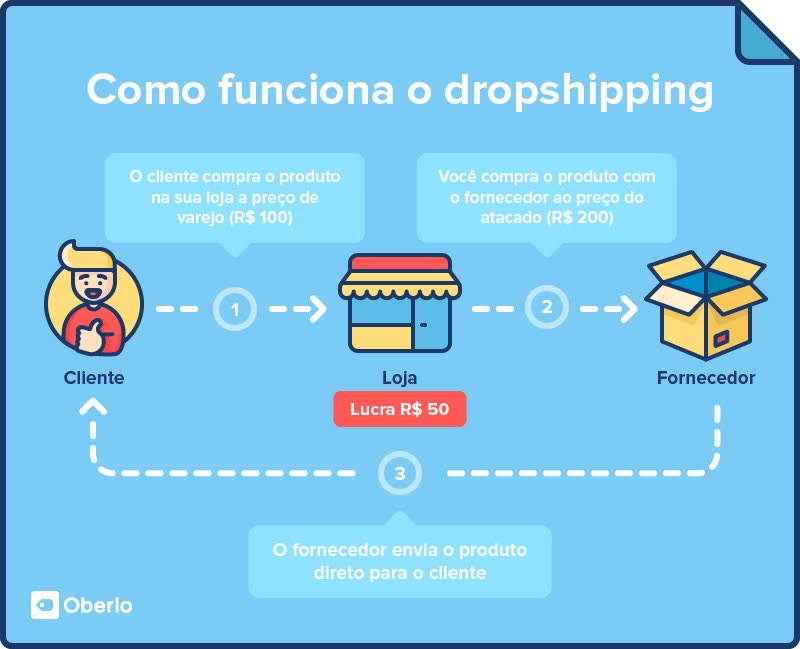
Because you’re not tying up cash in inventory or warehousing, your upfront risk is lower. But you’re also handing off control of core parts of the customer experience: product quality, packaging, shipping speed, and tracking. That trade‑off is what makes the model attractive for some stores and a dead end for others.
When dropshipping actually works—and when it doesn’t
Several expert guides point out that dropshipping still works, but only under specific conditions. BigCommerce’s overview describes it as a model with lower upfront costs and faster product testing, but with thinner margins and limited control over shipping and fulfillment quality compared with holding your own stock (BigCommerce dropshipping guide). Wix’s editorial on whether dropshipping is worth it echoes this: success depends heavily on product choice, reliable suppliers, and strong marketing, not just turning on a plugin (Wix dropshipping guide).
Some industry analyses estimate that only around 10-20% of dropshipping stores become consistently profitable over time, highlighting a relatively low success rate and underscoring how competitive and fragile the model can be (DropCommerce success rate analysis).
Patterns where dropshipping tends to work:
- You use it to test new products or niches before committing inventory.
- Your products are light, non‑fragile, and not heavily regulated.
- Your niche can tolerate longer shipping times (e.g., hobby accessories, low‑urgency home goods).
- You build real differentiation through branding, content, or bundles instead of reselling generic catalog pages.
Patterns where it often fails:
- You rely solely on impulse‑buy gadgets with the same photos and titles as dozens of other stores.
- Your ad costs eat most of your already thin margins.
- Your suppliers are inconsistent, leading to late shipments and disputes.
- You’re selling heavy or bulky goods (furniture, large appliances) where shipping costs destroy profit.
- You’re in categories with tight regulation or safety liability (certain cosmetics, electronics) without understanding compliance.
A useful framing, borrowed from a BigCommerce quote that has also appeared in past DHgate editorial, is that dropshipping “works better as a means to an end, not the end itself”: a way to test products, expand range, or bridge supply gaps, not necessarily the sole foundation of your business.
A quick profitable vs. unprofitable scenario
Profitable setup:
- Niche: Replacement parts for a specific hobby device (e.g., drone propellers) with recurring demand.
- Strategy: You identify a small set of high‑margin SKUs, negotiate consistent pricing with one supplier, and focus on SEO and community content instead of only paid ads.
- Result: Fewer SKUs, predictable demand, and customers willing to wait a bit longer in exchange for availability.
Unprofitable setup:
- Niche: General “cool gadgets” store reselling whatever is trending.
- Strategy: You run expensive social ads on generic products that multiple competitors are selling from the same catalog, with slow cross‑border shipping.
- Result: Ad costs plus refunds/chargebacks from disappointed customers wipe out thin margins.
Both are “dropshipping,” but only one is structured to survive.
Key choices that make or break a dropshipping store
Industry guides from platforms like Shopify and BigCommerce underline the same basic idea: dropshipping itself is just a fulfillment method. Your decisions around product, supplier, and margins decide whether it can actually support a business.
1. What you sell and to whom
Some product types are far better suited to dropshipping than others:
- Better fits: light accessories (phone cases, cables), niche hobby items, small home decor, non‑urgent fashion accessories.
- Risky fits: anything with strict standards or warranties (certain electronics, baby products), or items that consumers expect quickly (urgent gifts, perishables).
Aim for products where:
- Replacement or repeat purchases are likely.
- You can offer a unique angle (bundles, instructions, content, or branding) rather than simply being a middleman.
2. Margin and cost discipline
Accounting guides such as Xero’s overview of how to dropship emphasize tracking every cost: product, payment fees, apps, ads, refunds, and customer support. Because you don’t buy in bulk, your per‑unit product cost is often higher than traditional wholesale, while your retail price is capped by what customers and competitors set.
A simple rule of thumb: if your realistic gross margin (after product, shipping, and typical discounts) isn’t healthy enough to absorb ad costs and some returns, the product is probably not viable for dropshipping.
3. Supplier reliability and shipping expectations
You’re outsourcing a big chunk of your brand experience to whichever suppliers you choose. Weak suppliers mean:
- Unpredictable handling times.
- Packaging that doesn’t match your brand promise.
- Higher defect or damage rates.
Because you can’t control their operation, your main levers are selection and monitoring:
- Start small with test orders to yourself before selling to customers.
- Track on‑time delivery and defect rates; replace suppliers that underperform.
- Match product marketing claims to what suppliers can realistically deliver.
4. Customer experience and branding
You can’t out‑dropship the entire internet by selling yet another generic item with the same stock photos. The stores that make dropshipping work usually:
- Invest in detailed product pages (clear photos, sizing guidance, FAQs).
- Offer post‑purchase support and communication that makes slower shipping more tolerable.
- Layer in some value they do control—like better content, community, or curated bundles.
A thin, copy‑and‑paste storefront that just re‑lists a supplier’s feed will struggle, even with good products.
5. Where your store fits in your overall strategy
An important strategic choice is how central dropshipping is in your business model. Many successful brands use it in one of these roles:
- Market testing: listing new products via dropshipping, and only bringing the top performers into stocked inventory.
- Long‑tail catalog: stocking core bestsellers in your own warehouse while dropshipping less popular variants and accessories.
- Backup fulfillment: having a dropship supplier ready to cover temporary stockouts.
This “means to an end” approach lets you enjoy dropshipping’s flexibility while reducing its downsides.
Here’s a compact view of how those roles differ:
| How you use dropshipping | Main goal | Typical role in your store | Key risk to watch |
|---|---|---|---|
| Market testing | Find winning products | Short‑term experiment | Chasing fads / noisy data |
| Long‑tail catalog | Broader selection | Supplement to stocked items | Operational complexity |
| Backup fulfillment | Avoid stockouts | Emergency or seasonal overflow use | Supplier capacity and consistency |
Using cross-border marketplaces like DHgate for product discovery
Cross‑border marketplaces such as DHgate give US‑based sellers access to a wide array of overseas manufacturers and trading companies. Legacy DHgate editorial has described dropshipping as especially useful for testing products and as a backup option to reduce inventory risk, rather than a total replacement for traditional sourcing.
In practical terms, DHgate can be useful in three ways for a dropshipping‑leaning store:
- Product scouting: browsing categories to spot niches or variations you don’t see easily in domestic catalogs.
- Supplier testing: placing small trial orders from multiple sellers to evaluate quality and consistency before committing.
- Bridging gaps: covering long‑tail or experimental SKUs via cross‑border supply while keeping core winners stocked locally once they prove themselves.
Treat each seller listing as its own relationship. Check descriptions, order history, and any available feedback rather than assuming consistency across the marketplace.
If you discover a product on DHgate that performs well, a common next step is to negotiate more structured terms with the same supplier—or to look for a regional warehouse or domestic stocking option for your bestsellers. That way you keep the discovery and experimentation benefits while gradually reducing your reliance on slow or unpredictable routes.
How to decide if dropshipping fits your specific store
If you’re in the US and weighing dropshipping, especially with cross‑border suppliers, a simple sequence can keep expectations realistic:
- Pick one narrow test niche and identify 3-5 products that seem promising on paper.
- Order samples and test fulfillment from at least one supplier for each product, including to your own address.
- Model your real margin using conservative assumptions on ad costs, returns, and customer support.
- Launch a small, time‑boxed test rather than building your entire business on dropshipping from day one.
- Promote only the winners—and consider holding inventory for those, while reserving dropshipping for testing and backup.
Viewed that way, the better question isn’t “Can dropshipping work?” but “Where, in your particular business, does it make the most sense to use dropshipping—and where should you stick to traditional inventory?” If you can answer that honestly, dropshipping becomes a flexible tool instead of a gamble.