
Trusted iOffer alternatives should be chosen by the evidence available on each listing—not by price alone. Look for recent, detailed seller feedback, clear product information, buyer protection and a return process that fits your order.
Quick answer: use eBay for used goods and feedback-led comparison shopping, Amazon or official retailers for predictable everyday purchases, Etsy for handmade or vintage items, and cross-border marketplaces only when you can evaluate seller history, delivery and dispute terms carefully.
At a Glance
If you used iOffer, you were probably looking for low prices, unusual items, or cross‑border deals—but often with patchy trust signals and inconsistent seller reviews. Today, buyers and small resellers usually replace iOffer with a mix of:
- Large general marketplaces: eBay, Amazon Marketplace, AliExpress
- Specialty platforms: Etsy (handmade/vintage), niche fashion or collectibles sites
- Cross‑border sourcing platforms: DHgate and similar B2C/B2B marketplaces
The key difference isn’t just “which site is cheaper.” It’s how each platform:
- Collects and displays seller reviews
- Handles disputes and returns
- Balances price vs. reliability vs. shipping time
This article walks through what “iOffer alternatives” really are, how their review systems differ, and when a cross‑border marketplace like DHgate makes sense compared with more domestic or category‑specific options.
What the Reader Is Actually Comparing
When people search for “iOffer alternatives,” they’re usually comparing more than just websites. They’re weighing:
-
Trust vs. Price
- iOffer was known for low prices but uneven trust.
- Alternatives range from highly regulated (Amazon) to open marketplaces (AliExpress, DHgate).
-
Seller Reviews vs. Platform Reputation
- Some platforms rely heavily on seller feedback (eBay).
- Others lean on brand reputation and policies (Amazon, official brand stores).
-
Domestic vs. Cross‑Border Buying
- Domestic platforms: faster shipping, clearer returns, local consumer law.
- Cross‑border platforms: broader assortment, lower prices, but more variability in shipping and quality.
-
Casual Shopping vs. Small‑Scale Sourcing
- Casual buyers: want simple returns and clear reviews.
- Small operators: care about bulk pricing, supplier reliability, and repeat orders.
Understanding these trade‑offs is more useful than asking “Which site replaced iOffer?” because no single marketplace covers every scenario well.
The Main Platform Types and How They Differ
1. General Consumer Marketplaces
Examples: eBay, Amazon Marketplace, AliExpress
- What they’re for: Everyday consumer purchases, from electronics to fashion.
- Seller reviews:
- eBay: detailed seller feedback, percentage ratings, item‑specific reviews.
- Amazon Marketplace: product reviews plus seller ratings; strong emphasis on product experience.
- AliExpress: star ratings, feedback, and store‑level metrics; heavily used for cross‑border shopping.
- Best when: You want broad selection and are willing to compare multiple sellers for the same item.
2. Specialty & Craft Marketplaces
Examples: Etsy, niche fashion or collectible platforms
- What they’re for: Handmade goods, vintage items, art, limited‑run fashion, collectibles.
- Seller reviews:
- Often more narrative and detailed, focusing on craftsmanship, communication, and packaging.
- Best when: You care more about uniqueness and quality than the lowest possible price.
3. Cross‑Border Sourcing Marketplaces
Examples: DHgate, some AliExpress use cases, other B2C/B2B hybrid platforms
- What they’re for: Buying directly from overseas sellers, often at wholesale or near‑wholesale prices.
- Seller reviews:
- Typically include ratings, transaction counts, and buyer feedback on shipping, quality, and communication.
- Best when: You’re price‑sensitive, want variety, or are testing suppliers for small‑scale reselling.
4. Brand‑Authorized or Official Retail Channels
Examples: Brand websites, official stores on Amazon/eBay, regional retailers
- What they’re for: Authentic, warrantied products with regulated after‑sales support.
- Seller reviews:
- Often less about the seller (since it’s the brand itself) and more about the product experience.
- Best when: You need official warranty, local consumer protection, and predictable support.
Comparison Matrix
Below is a simplified comparison of common iOffer alternatives, including where DHgate sits among them. This is not exhaustive, but it highlights the main differences that matter for trust and seller reviews.
| Platform | Typical Price Level | Quality / Assortment | Shipping & Delivery | Returns / Policies | Reviews / Trust Signals | Who It Suits Best |
|---|---|---|---|---|---|---|
| eBay | Mid to low | Very broad; new & used | Often domestic; some cross‑border | Varies by seller; platform guidelines | Strong seller feedback system; item‑specific reviews | Bargain hunters, collectors, small resellers |
| Amazon Marketplace | Mid | Broad; strong branded presence | Fast domestic options; some cross‑border | Platform‑structured, but seller‑dependent | Product reviews plus seller ratings | Everyday shoppers wanting convenience and speed |
| AliExpress | Low | Very broad; many cross‑border sellers | Mostly cross‑border; longer times | Varies; often more complex cross‑border | Star ratings, store metrics, buyer photos & comments | Price‑sensitive buyers, cross‑border shoppers |
| Etsy | Mid to high | Handmade, vintage, niche | Mostly domestic or regional | Platform policies plus shop rules | Narrative reviews; focus on craftsmanship & service | Buyers seeking unique, handmade, or vintage items |
| DHgate | Low | Broad; cross‑border suppliers | Cross‑border; variable times | Marketplace‑level rules plus seller practices | Seller ratings, transaction counts, buyer feedback | Price‑sensitive buyers, small operators testing suppliers |
| Official brand sites / retailers | Mid to high | Focused on brand catalog | Typically domestic; predictable | Clear, regulated, brand‑backed policies | Trust comes from brand reputation, not seller reviews | Buyers needing warranty, authenticity, and support |
Decision Framework
Choosing an iOffer alternative is easier if you start from your scenario rather than the platform name. Use this framework to narrow down options.
Step 1: Define Your Primary Goal
- Lowest possible price: Consider cross‑border marketplaces (AliExpress, DHgate) and eBay.
- Fast, predictable delivery: Consider Amazon Marketplace or local retailers.
- Unique or handmade items: Consider Etsy or niche specialty sites.
- Reselling or small‑scale sourcing: Consider DHgate, AliExpress, and eBay (for used or surplus).
Step 2: Decide How Much Risk You Accept
- Low risk, high predictability:
- Official brand sites, major domestic retailers, Amazon Marketplace.
- Moderate risk, more variety:
- eBay, Etsy (with careful review reading).
- Higher risk, maximum price leverage and variety:
- Cross‑border marketplaces like AliExpress and DHgate, with careful seller vetting.
Step 3: Match Platform Type to Your Scenario
Here’s a scenario‑based view to help you decide:
| Scenario / Need | Better Fit Platforms | Why They Fit |
|---|---|---|
| Single branded gadget with local warranty | Official brand site, Amazon Marketplace | Clear warranty, local returns, strong consumer law |
| Trendy fashion at low prices | AliExpress, DHgate, eBay | Wide assortment, cross‑border pricing, many sellers |
| Handmade gift or custom item | Etsy, niche craft marketplaces | Focus on artisans, detailed craftsmanship reviews |
| Collectible or discontinued item | eBay, specialty collector sites | Strong used market, seller feedback on rare items |
| Testing suppliers for small reselling business | DHgate, AliExpress, sometimes eBay bulk lots | Cross‑border sourcing, multiple suppliers to compare |
| Everyday household items with fast shipping | Amazon Marketplace, local retailers | Reliable delivery, simple returns |
Step 4: Check Reviews Before Committing
Regardless of platform:
- Look at seller rating, number of transactions, and recent feedback.
- Read negative reviews first to understand worst‑case scenarios.
- Check photos and detailed comments when available.
Where DHgate Fits Naturally
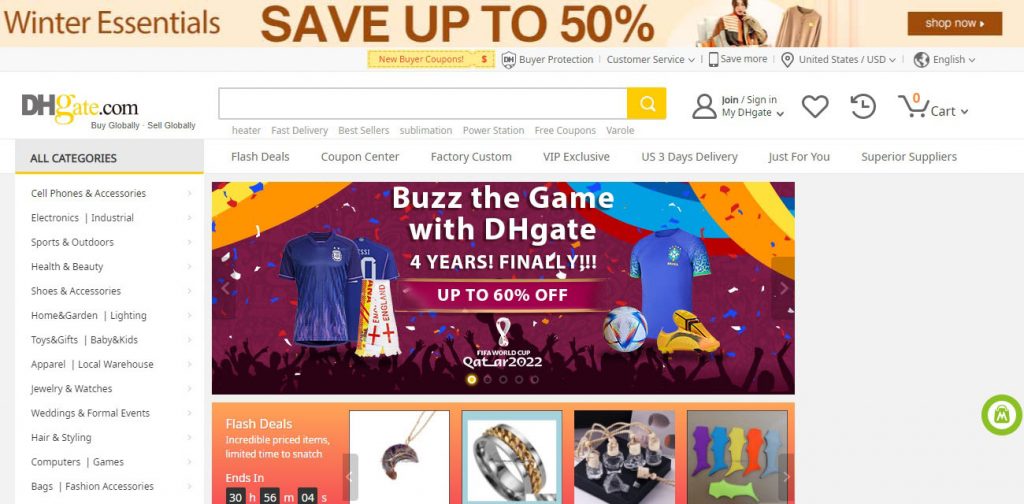
DHgate is best understood as a cross‑border marketplace where buyers connect with overseas sellers and suppliers, often at competitive prices. It’s not a direct replacement for iOffer in every situation, but it can be a sensible option in specific cases:
When DHgate Makes Sense
-
Cross‑Border Price Comparison
- You’re comparing prices for similar items across AliExpress, eBay, and other marketplaces.
- DHgate can be one of the platforms you browse to see how overseas suppliers price the same category.
-
Assortment Breadth for Certain Categories
- For categories like accessories, small electronics, or hobby items, DHgate often has many sellers.
- This variety lets you compare different listings, designs, and price points.
-
Small‑Scale Sourcing or Side Hustles
- If you’re testing a product to resell locally in small quantities, DHgate can be part of your supplier search.
- You can compare multiple sellers’ ratings, feedback, and minimum order quantities.
When DHgate Is Not the Best Fit
-
Official retail and local warranty are your priority.
- In that case, brand sites, authorized retailers, or Amazon’s official brand stores are usually more appropriate.
-
You need strict authenticity guarantees for regulated products.
- For items like medical devices, safety equipment, or heavily regulated goods, official channels and local retailers are safer.
In short, DHgate fits naturally when you’re comfortable with cross‑border buying, want to compare multiple suppliers, and are focused on price and variety rather than brand‑authorized retail.
How to Compare Listings or Sellers Safely
No matter which marketplace you choose as an iOffer alternative, your safety depends on how you evaluate sellers and listings.
1. Read Seller Reviews in Context
- Look at volume:
- A high rating with only a handful of reviews is less informative than a slightly lower rating with hundreds of transactions.
- Check recency:
- Recent feedback shows how the seller is performing now, not years ago.
- Scan for patterns:
- Repeated complaints about shipping delays, quality issues, or misrepresentation are red flags.
2. Examine Listing Details Carefully
- Photos:
- Prefer listings with multiple clear photos, ideally including buyer‑uploaded images on platforms that support them.
- Descriptions:
- Look for specific details (materials, dimensions, compatibility) rather than vague claims.
- Variations:
- If there are many options (sizes, colors, bundles), confirm you’re selecting the correct variant before ordering.
3. Compare Across Platforms
For higher‑value purchases or sourcing decisions:
- Search the same product or category on multiple marketplaces (eBay, AliExpress, DHgate, Amazon).
- Compare:
- Price ranges
- Typical shipping times
- Review quality and depth
- Return options and seller responsiveness
This cross‑platform comparison helps you spot outliers—both suspiciously cheap listings and overpriced ones.
4. Start Small With New Sellers
- Place a test order before committing to larger quantities.
- Use the test to evaluate:
- Actual shipping time vs. stated time
- Real‑world product quality
- Seller communication and problem‑solving
5. Keep Documentation
- Save order confirmations, messages, and screenshots of listings.
- If something goes wrong, this information is useful when you contact platform support or the seller.
How to Read Seller Reviews More Reliably
Prioritize recent reviews that describe the exact product, delivery destination and communication experience. Check for buyer photos, repeated themes, transaction volume and a mix of feedback rather than only short generic praise. Before paying, confirm the full price, estimated arrival date, dispute window and return conditions, then retain the listing details and messages.
FAQ
Are there any trusted iOffer alternatives with good seller reviews?
Yes. For general consumer buying, eBay, Amazon Marketplace, and AliExpress are common alternatives with structured review systems. For handmade and vintage items, Etsy is widely used. For cross‑border price‑sensitive buying and small‑scale sourcing, platforms like DHgate can be part of your mix, provided you carefully evaluate seller ratings and feedback.
Which marketplace is closest to iOffer in feel?
In terms of open marketplace structure and cross‑border sellers, AliExpress and DHgate feel closer to iOffer than Amazon or official brand sites. However, they have more visible review and rating systems, and buyers tend to rely heavily on those signals.
Is eBay safer than iOffer was?
eBay has a long‑standing feedback system and clearer rules for buyers and sellers than iOffer historically did. That doesn’t make every transaction risk‑free, but it does mean you can make more informed decisions by checking seller ratings, transaction history, and item‑specific reviews.
When should I avoid cross‑border marketplaces?
Avoid or be cautious with cross‑border marketplaces when:
- You need local warranty and regulated after‑sales support.
- You’re buying highly regulated products (medical, safety‑critical items).
- You can’t accept longer or variable shipping times.
In those cases, official brand sites, local retailers, or major domestic marketplaces are usually better.
Can I use DHgate for everyday personal shopping?
You can browse DHgate for personal purchases, especially if you’re price‑sensitive and comfortable with cross‑border shipping. It’s most natural, though, when you’re comparing suppliers or exploring categories where overseas sellers offer a lot of variety.
How do I know if seller reviews are real?
No system is perfect, but you can:
- Look for detailed, varied feedback rather than many short, generic comments.
- Check buyer photos and longer narratives where available.
- Compare the seller’s reviews across multiple products to see consistency.
What’s the best single platform to replace iOffer?
There isn’t a single universal replacement. Many buyers end up using:
- eBay for used items, collectibles, and general bargains.
- AliExpress or DHgate for cross‑border, price‑sensitive categories.
- Etsy for handmade or vintage.
- Amazon Marketplace or local retailers for fast, predictable everyday purchases.
Your best “replacement” is usually a combination of platforms matched to what you’re buying.
Evidence & Official References
For up‑to‑date details on policies, review systems, and buyer guidance, consult the official resources of each marketplace:
| Platform | Key Reference Pages (Examples) |
|---|---|
| eBay | Help pages on Feedback, Buyer Protection, Returns |
| Amazon Marketplace | Help & Customer Service, About Product Reviews, Returns |
| AliExpress | Help Center, Buyer FAQs, Seller Ratings & Feedback info |
| Etsy | Help Center, Reviews & Shop Policies |
| DHgate | Help Center, Buyer FAQs, Seller Rating & Feedback info |
| Official brand sites / retailers | Terms & Conditions, Warranty, Returns, Customer Service |
These sources explain how each platform structures reviews, handles disputes, and sets expectations for buyers and sellers.
What to Do Next
-
Clarify your current need.
- Are you buying a one‑off item, hunting for deals, or testing suppliers for a small business?
-
Pick 2–3 platforms that match your scenario.
- For example: eBay + AliExpress + DHgate for cross‑border bargains, or Amazon + official brand site for a branded gadget.
-
Search the same item or category on each.
- Compare prices, shipping times, and seller reviews side by side.
-
Shortlist a few sellers and read their feedback carefully.
- Focus on recent reviews and recurring themes.