
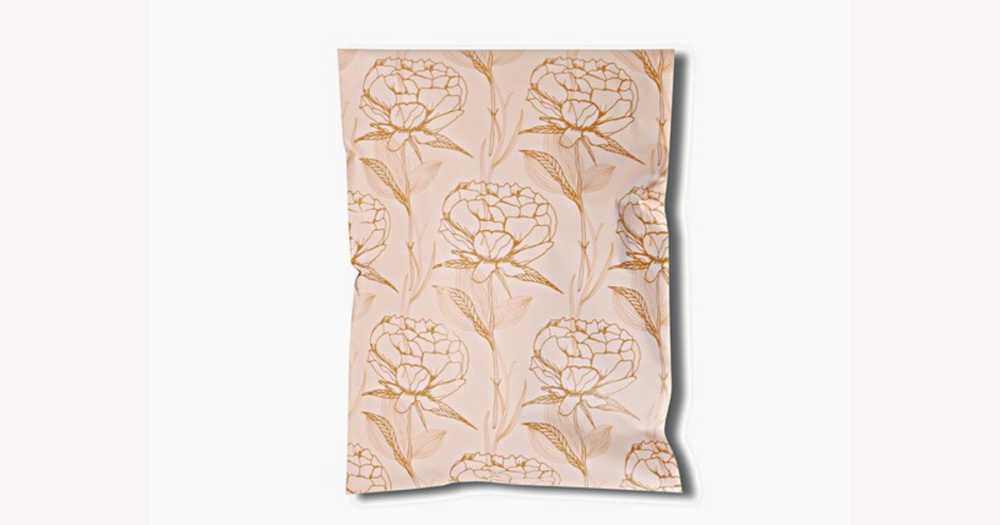
Eco-friendly pink mailing bags do exist, and DHgate can be one place to source them, but the real decision is about materials and end-of-life options rather than color alone. If you focus on how a mailer is made—recycled plastic vs. compostable bioplastic vs. paper-based—and whether it can be recycled, composted, or reused after shipping, you’ll get a clearer picture of its environmental impact than any “green” label or perfect shade of pink can provide. DHgate listings change over time, so the goal is not to hunt for one guaranteed product but to recognize the kinds of pink mailers whose material and disposal details genuinely match your eco priorities and shipping needs.
What counts as an eco-friendly pink mailing bag, and how common are they?
Eco-friendly pink mailing bags are a real packaging option, both on DHgate and in the wider market. You can find pink mailers made from recycled plastics, compostable bioplastics, and paper-based padded designs, so combining a brand-friendly pink look with lower-impact materials is realistic rather than wishful thinking.
In this context, “eco-friendly” is less about the color and more about what the bag is made from and what happens to it after use. The main pieces to look for are: material origin (such as post-consumer recycled plastic or paper from responsibly managed sources, or bioplastics based on renewable inputs), end-of-life path (recyclable through plastic or paper streams, compostable under suitable conditions, or sturdy enough to be reused), and avoiding unnecessary over-packaging like oversized bags or excessive layers. Pink is essentially an aesthetic layer—ink, dye, or coating—applied to a mailer that can still be recycled, composted, or reused if the underlying material and printing are designed for that.
DHgate’s inventory is dynamic, so you cannot count on a specific shade of pink or a particular eco label always being available, but sellers may offer mailers that fit into these same material categories. When I’m choosing packaging, I put verifiable material and disposal details ahead of the exact tone of pink or the lowest possible price; if a listing clearly explains recycled content, recyclability, or compostability and matches my shipping needs, that matters more to me than having the perfect aesthetic. Someone who cares more about look or budget might reasonably accept looser eco claims, as long as thickness, durability specs, and buyer reviews suggest the mailers will survive shipping without wasteful failures.
How do key eco-material options for pink mailing bags compare?
| Material type | Typical durability | Moisture resistance | Disposal route | Pink color and printing options | Narrator perspective |
|---|---|---|---|---|---|
| Recycled plastic mailers (post-consumer LDPE) | Generally strong and tear-resistant, even at moderate thickness; designed to withstand standard parcel handling for apparel and many soft goods. | High moisture resistance; the plastic film is typically waterproof, protecting contents from rain and splashes. | Often suitable for thin-film plastic recycling where facilities accept carrier bags or similar films; some products cite recycled-content standards that you can verify. | Commonly available in solid pink and printed designs; color is usually a surface ink or dye on the recycled film, which normally doesn’t prevent recycling when done with compatible inks. | I tend to favor this category when the listing clearly documents recycled content and recyclability, because it pairs reliable shipping performance with a better use of existing plastic resources. |
| Recyclable conventional poly mailers (LDPE/HDPE, may be virgin or mixed content) | Typically very durable, with high tear and puncture resistance; suitable for heavier textiles and boxed items within reason. | Excellent moisture resistance; widely used as standard waterproof mailers. | Often marked as recyclable where thin-film plastics are accepted, but may rely more on local infrastructure and may not include recycled content. | Available in a wide range of pink shades, prints, and finishes, from matte to glossy; strong branding flexibility. | I would choose this path when cost and product protection clearly outweigh end-of-life gains, or when I cannot get solid recycled-content or compostable options that meet my performance needs. |
| Compostable bioplastic mailers (often PBAT/PLA blends) | Designed to be robust enough for everyday shipping, but can be more sensitive to stretching, tearing, or puncture under extreme stress than some conventional poly options. | Good short-term moisture resistance, though prolonged exposure to heat or humidity can affect performance; storage conditions matter more here. | Intended for industrial or, in some cases, home composting under specified conditions and timeframes; credible listings reference standards or certifications that you can check. | Pink versions and printed designs are possible, typically using inks compatible with composting guidelines where properly certified. | When a listing clearly states compostable materials and standards and my items don’t demand the absolute toughest film, I would prioritize this category for its clearer end-of-life path—provided I can realistically access appropriate composting. |
| Paper-based padded mailers | Padding (paper fiber or bubble layers) gives good impact protection for books, small boxes, and more fragile accessories, though the outer paper can scuff or tear more easily than thick plastic film. | Lower inherent water resistance; contents may need an inner plastic wrap or careful handling in wet conditions unless the design adds a moisture barrier. | Often easier to recycle with paper streams when constructed mainly from paper, or composted where mixed paper products are accepted; multi-layer designs may require more careful separation. | Pink is usually achieved through dyed or printed paper, and simple matte printing tends to remain compatible with paper recycling or composting in many systems. | If my main concern is reducing plastic use and my products aren’t moisture-sensitive, I would lean toward well-described paper padded options, checking that the construction doesn’t quietly add hard-to-separate plastic layers. |
Does pink color or printing affect how eco-friendly a mailer is?
Pink mailers show up across all the main eco-material paths—recycled plastic, recyclable poly, compostable bioplastic, and paper-based padded envelopes—so the color itself rarely decides how sustainable a bag is. Most of the real eco questions still come down to the base material and what happens to the mailer at the end of its life: whether it can be recycled, composted under defined conditions, or at least reused.
What does change the picture is how the pink and any printing are applied. Simple matte finishes with clearly described, water‑based or otherwise documented inks usually fit better with recycling or composting guidance than heavy coatings, high‑gloss laminates, metallic effects, or glitter. Those extra layers can make it harder for paper mailers to break down cleanly or for plastic films to be accepted in thin‑film recycling streams, even if the underlying material is technically recyclable or compostable.
On a DHgate listing, it’s worth scanning the description for notes like “water‑based ink,” “non‑toxic printing,” or mentions that the printed design is compatible with recycling or composting, and using seller messages to ask directly when end‑of‑life performance matters to you. I would happily accept a slightly different shade of pink or a simpler print if it comes with clearer information about materials and disposal; if your brand aesthetic is non‑negotiable, you’ll need to be extra diligent about checking how the printing is done and whether the seller can explain how it affects recyclability or compostability before you treat the mailer as genuinely eco‑friendly.
What durability and usability specs matter for eco-friendly pink mailers?
For eco‑friendly pink mailers to work in real shipping, the basic specs matter as much as the material story. Thickness (often given in mil or microns) is a simple strength signal: very thin films suit light, soft items, while mid‑range and higher thicknesses resist stretching, tearing, and punctures better for heavier or awkward shapes. Tear and puncture resistance, when mentioned, tell you how well a mailer holds up to rough handling, and water resistance indicates how confidently it will protect against rain, splashes, and damp transit conditions—useful for outdoor drop‑offs and longer routes, even if it’s not meant for full immersion.
Padding and closure design round out the usability picture. Unpadded mailers are usually fine for apparel and other soft goods; padded options—whether bubble or paper fiber—add impact protection for books, boxed accessories, and small electronics but can change how easily the mailer is recycled or composted. Self‑sealing strips should create a firm, tamper‑resistant closure without needing extra tape, and a clean peel‑open can make occasional reuse possible if the bag stays intact. Recycled or recyclable poly mailers tend to give strong tear resistance and excellent water protection even at modest thicknesses, compostable PBAT/PLA blends can be durable but need cool, dry storage and may react more to prolonged heat or humidity, and paper‑based padded mailers cushion impacts well while staying more vulnerable to getting soggy unless you add inner protection.
Matching these traits to what you actually ship is the safest way to keep eco goals and reliability aligned. Thin, unpadded bags can be ideal for folded clothing that won’t be damaged by a knock; thicker or padded mailers make more sense for small boxes, sharp corners, or delicate accessories that could pierce a light film. Personally, I would not trade basic protection for a more appealing eco label—if a slightly less ideal material clearly prevents damage for my typical shipments, that is the option I would choose, and I would keep looking for better‑documented eco alternatives only once the fundamentals of thickness, tear resistance, and moisture protection are covered.
What should I decide about size, thickness, and quantity before searching on DHgate?
- List your 2–3 main product categories (for example, folded apparel, boxed accessories, small parcels) and note how you usually pack each one.
- Measure or estimate the packed length, width, and thickness of those items, then set target internal mailer sizes with a little extra space for sealing and occasional overstuffing.
- Decide whether each product type can use an unpadded poly-style mailer or needs padding (bubble or paper fiber) to protect corners and fragile parts.
- Choose a minimum thickness band for each group of items—thinner for light, soft goods; mid-range or thicker for heavier, sharper, or more rigid shapes.
- Estimate your realistic monthly or seasonal shipment volume and note a trial quantity (small batch to test fit and performance) versus a larger quantity you might order later if the mailers work well.
- Plan to start with a modest or sample-sized order on DHgate that matches these size, padding, and thickness targets, then scale up only after you’ve confirmed the actual color, material, and durability in use.
How should I evaluate a DHgate listing for pink mailing bags step by step?
- First, scan the title and main images to confirm the listing is for pink mailing bags and note any stated material type, such as recycled plastic, compostable bioplastic, or paper-based padded envelopes.
- Read the description closely for specific material terms, thickness values, padding details, and end-of-life claims like recyclability or compostability, comparing them with the priorities from your checklist.
- Check the size options and pay attention to whether dimensions are internal or external; confirm quantity per lot and any minimum order quantity so you know exactly how many bags you’d receive.
- Inspect the photos for print quality, how closely the pink color matches your brand look, and any coatings or finishes that might affect recyclability or compostability.
- Review seller ratings, transaction history, and buyer comments, looking for feedback on true color, material feel, durability, and whether the mailers matched any eco claims in real use.
- Shortlist only the listings that satisfy your material, spec, and color requirements, then compare price, shipping cost, and delivery time across that smaller set instead of deciding from the first attractive listing.
- Give more weight to clear material and performance information than to the lowest price or perfectly on-brand aesthetics; on DHgate, I would rather pay a bit more for well-documented mailers than gamble on vague eco claims.
How can I verify eco-related claims on DHgate listings?
- Start by scanning the listing for concrete material labels. On DHgate, I would look for phrases such as “post‑consumer recycled LDPE,” “LDPE/HDPE recyclable,” “compostable PBAT/PLA,” or “FSC-certified paper” rather than generic “eco plastic.”
- Check whether the seller mentions any certifications or standards tied to recycled content, compostability, or responsible sourcing. The absence of named standards doesn’t prove a mailer isn’t eco-friendly, but it does mean you should rely more on the specific material description and less on broad sustainability slogans.
- Use DHgate’s messaging to send targeted questions when details are vague. Ask about the exact material blend and approximate percentages, recommended disposal routes (recycling, composting, or reuse), and whether printing, adhesive strips, or inner coatings change how the mailer should be disposed of.
- Evaluate how clearly and promptly the seller answers. Consistent responses that repeat the same material breakdown and disposal guidance inspire more confidence than replies that only repeat “green,” “eco,” or “biodegradable” without added detail.
- Favor listings with specific, verifiable information even if the pink shade or print isn’t absolutely perfect. I would rather choose a mailer whose materials and end‑of‑life instructions are spelled out than rely on pretty branding backed only by buzzwords about sustainability.
Which red flags should I watch for in eco-friendly claims on DHgate?
- Treat listings that rely on vague terms like “green,” “eco,” “environmentally friendly,” or “biodegradable” without any material breakdown or disposal guidance as a warning sign that the sustainability story may be more marketing than substance.
- Be cautious when a seller claims compostability or biodegradability but gives no information about conditions (industrial vs. home compost), timelines, or recognized standards; that gap makes it hard to know what the mailer actually requires at end of life.
- Watch for contradictions between the described material and the apparent construction—for example, a bag that looks heavily coated or multi‑layered yet is labeled “easily recyclable paper” with no explanation of how those layers separate or are treated in recycling systems.
- Treat mismatches between product photos or samples and the description—especially noticeable differences in pink color, thickness, or any eco features mentioned—as serious issues, because they suggest the listing copy may not accurately reflect what you’ll receive.
- When several of these red flags appear together, it’s safer to either downgrade your expectations and see the mailer mainly as a branded aesthetic choice or, as I would usually do, walk away and pick a better‑documented option with clearer materials and disposal instructions, even if it costs a bit more or uses a simpler design.
How do MOQs, bulk orders, and shipping affect the cost and risk of trying eco-friendly pink mailers?
On DHgate, minimum order quantities and bulk pricing can make eco‑friendly pink mailers look very cheap per bag, but that low unit price comes with higher risk if the color, material, or eco performance don’t match what you expected. Many suppliers set MOQs in the hundreds or thousands, especially for custom colors or prints, while some will offer smaller lots or sample packs at a higher per‑unit cost. I’d treat those smaller runs as a paid test: they let you check true shade of pink, surface finish, thickness, and whether the mailer feels as robust and eco‑aligned as the listing suggests, without being stuck with a huge box of packaging you don’t really want.
Before you commit, map your needs over a specific period—say a season, a product launch, or a campaign—and decide how many mailers you realistically expect to use. If you’re still validating new materials, I would prioritize a small order that covers that period even if the unit cost is higher; once you’ve confirmed that the eco claims, durability, and branding all work, you can negotiate larger quantities or move up a pricing tier more confidently. In parallel, factor in shipping options: slower, economy methods are often fine for a test batch if you can wait, but if you’re close to running out of packaging, paying for faster shipping may matter more than squeezing every cent out of the unit price. Remember to consider any duties or fees on bigger cartons as part of your total cost—an attractive bulk deal can look less appealing once you add long transit times or unexpected charges.
How do DHgate buyer protections apply if my pink mailing bags aren’t as described?
DHgate’s buyer protections matter most when what you receive clearly doesn’t match what the listing promised—for pink mailing bags, that could mean a noticeably different color or print, a material that doesn’t align with stated eco claims, mailers that feel much thinner or weaker than the listed thickness, or bundles that contain fewer units than advertised. To make those systems work for you, save a copy of the original listing and note key specs: material type, eco‑related claims, thickness, size, and quantity per lot. When your order arrives, take clear photos of the packaging and individual mailers, showing any discrepancies, and keep all message records with the seller, especially if you asked about eco features or materials in advance.
If there is a genuine product‑not‑as‑described issue, you can open a dispute through DHgate within the platform’s time limits and submit your documentation to request a solution—often a partial refund for minor differences, or returns or re‑shipment when problems are more severe. Policies and outcomes vary by case and seller response, so I treat buyer protection as a backstop rather than a primary strategy: it’s there if something goes wrong, but thorough pre‑purchase evaluation and choosing well‑reviewed, responsive sellers should still be your first line of defense when you’re testing eco‑friendly pink mailers.
Quick answers to practical questions about pink eco-friendly mailers on DHgate
Can I reuse pink eco-friendly mailing bags for another shipment?
Many pink eco-friendly mailers can be reused at least once if the seams, corners, and surface are still intact. Bags with double adhesive strips or resealable closures make reuse easier because you can fold and seal them a second time without extra tape. After that, reuse is usually limited by adhesive strength, creasing, and cosmetic wear—if the bag no longer closes securely or looks too scuffed for your brand, it’s better to recycle, compost, or dispose of it according to the material guidance.
How long do compostable pink mailing bags typically last in storage, and how should I store them?
Compostable mailers made from PBAT/PLA blends are designed to break down, so they have a finite shelf life—many manufacturers suggest roughly 9–12 months of full strength when stored properly. To keep them usable, store them in a cool, dry place away from direct sunlight and heat, and avoid damp basements or hot lofts. Exact timelines vary by product, so treat any DHgate listing’s guidance as the primary reference and, if details are missing, ask the seller how long they recommend keeping unopened stock and plan to use those mailers within about a year.
What should I do if a DHgate seller can’t give clear material or eco details for pink mailing bags?
If a seller can’t move beyond vague “eco” or “green” language to explain the actual material, disposal route, or any standards, treat the sustainability claims as uncertain. You can still buy the mailers for their aesthetics and basic functionality if they look durable enough, but assume they’re standard branded packaging rather than proven low-impact options. If verifiable sustainability is important to you, it’s better to choose a listing with clearer material breakdowns and end-of-life instructions, even if that means accepting a simpler print or slightly different shade of pink and combining those practical checks with the earlier material, spec, and verification steps before you order.