
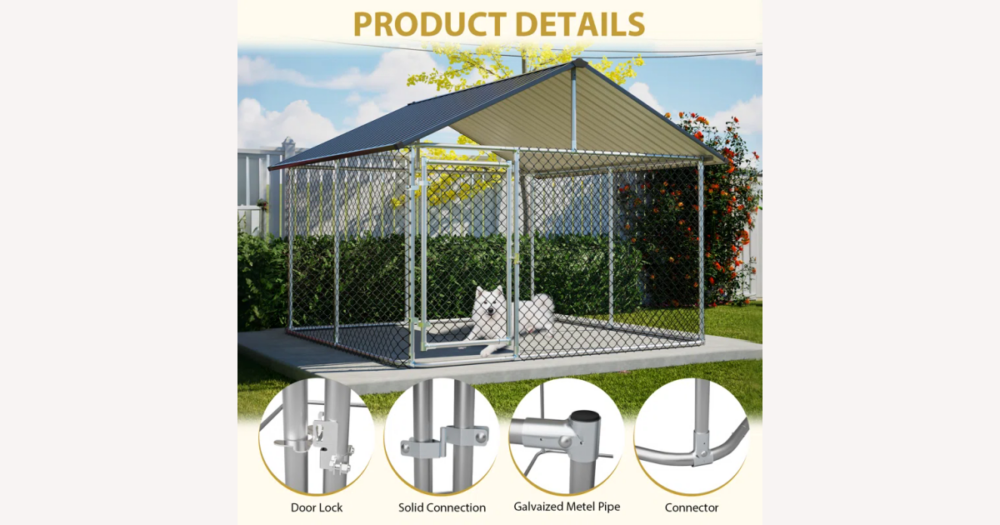
If you’ve been browsing “durable” dog cages on eBay but plan to buy through DHgate, the safest way to avoid a flimsy or misdescribed cage is to lean on DHgate’s strengths: seller records, clear listing details, and on-platform protections. This guide focuses on how to read those signals—materials, construction, sizes, feedback, order and payment records, shipping information, and dispute options—so you can decide when a DHgate cage looks genuinely sturdy enough to trust and when to walk away.
How this guide turns your eBay dog cage search into DHgate-focused buying checks
This DHgateWiki guide is about buying dog cages on DHgate, even if you originally searched for durable cages on eBay. Instead of listing “best” cages or linking to specific offers, it explains how to use DHgate’s tools—seller information, listing details, and platform protections—to judge whether a cage is likely to be sturdy and whether your order will be covered if something goes wrong.
The durability worries are the same on both platforms: flimsy bars that bend, weak locks a dog can pop open, or cages that arrive smaller or lighter than you expected. I care more about avoiding those flimsy, misrepresented cages than about chasing the very lowest price, so the advice here leans toward cautious choices—clear photos, specific material and size details, and sellers with some track record on DHgate—rather than mystery bargains.
The rest of the guide shows how to read durability-related features in DHgate listings, check the seller’s history and feedback, scan product pages so dimensions and materials match the photos, and use DHgate-style order, payment, shipping, dispute, and refund processes if the cage isn’t as described. The aim is to help you shop more confidently on DHgate without treating any individual listing, on DHgate or elsewhere, as an endorsed recommendation.
What cage features actually signal durability in DHgate listings
On DHgate, a dog cage that feels durable on arrival usually combines the right materials with solid construction. Listings that specify steel or another sturdy metal, rather than only saying “metal” or using fabric panels, generally point to a more rigid cage; thicker wire or bars and a heavier overall weight tend to feel more robust than thin, flexible panels meant only for occasional or travel use.
You can also read a lot from how the cage is put together. Photos that clearly show welds or firmly joined corners, bars that meet the frame at many points instead of only at the edges, and panels that appear well supported across their height and width all suggest a sturdier build. When descriptions mention details like welded joints, reinforced corners, or cross-bars that brace large panels, I would treat that as a positive sign, especially if the photos match what’s written.
Durability shows up in the doors and base as well. Stronger cages usually have doors that sit square in the frame, latching in more than one spot, with locks that wrap around the bars instead of tiny hooks that can bend. A metal or rigid plastic base tray that fits snugly into the frame and doesn’t look paper-thin is another useful signal, because it has to hold your dog’s weight and stay stable when they move.
Overall size and listed weight help tie these clues together. A listing that gives clear dimensions, bar or wire thickness, and an approximate product weight gives you more to judge than one that only says “large heavy duty cage.” When I see a DHgate listing that spells out material type, thickness, size, and weight—and backs it up with close-up photos of the frame and doors—I’m much more inclined to trust its durability than a vague description, even if the clearer option costs a bit more.
How to vet DHgate dog cage sellers before you buy
- Start with the seller’s overall rating and number of completed transactions. On DHgate, a higher rating with a meaningful history of orders usually means the seller has delivered items that broadly match their descriptions, which matters when you’re trusting them on cage materials and build quality.
- Read recent feedback comments, looking specifically for mentions of sturdiness, build quality, and sizing. A few mixed reviews are normal, but if several buyers mention thin bars, weak locks, bent panels, or cages arriving smaller than described, I would treat that as a strong reason to look elsewhere.
- Open a couple of the seller’s other listings and compare how they describe materials, dimensions, and intended use. Consistent, specific details across products suggest the seller pays attention; vague, copy‑pasted text that barely mentions materials or size makes me doubt how carefully they represent durability.
- Study the photos on each cage listing. Clear images that show bars, welds or joints, door frames, locks, and trays give you something concrete to judge; generic stock photos, distant shots, or pictures that hide connection points make it harder to see whether the construction looks solid.
How to read DHgate dog cage product pages for durability details
- Confirm the listed length, width, and height and do a basic check against your dog’s size so the cage is not obviously too small or oversized. You don’t need precise training or medical rules here; just make sure the internal space seems reasonable for your dog to stand, turn, and lie down.
- Look for any stated product weight and bar or wire thickness. In general, heavier cages with thicker bars feel sturdier than very light, thin‑wire designs, which are more likely to flex or bend under regular use.
- Count the doors and note how they open. Check that latches or locks look secure and wrap around the bars or frame, rather than relying on tiny clips that could bend or pop open if a dog pushes against them.
- Verify whether a base tray is included, what material it uses, and how it fits into the frame. A rigid metal or solid plastic tray that sits snugly supports weight better than a thin, loose tray that might warp or slide.
- Read any assembly notes to see how the cage goes together. A design that uses sturdy connectors or bolts at key joints generally feels more stable than one that depends on many small clips that could loosen or shift over time.
- Compare the photos to the written specs: check that the number of bars, door placement, tray style, and overall layout in the pictures match the dimensions and features described in the text.
Using DHgate’s order and payment processes to protect your cage purchase
Placing your dog cage order directly through the DHgate listing and paying with DHgate-approved methods creates a clear paper trail for the transaction. The platform records an order confirmation with the specific item, quantity, and price, and pairs it with payment records tied to that exact cage, rather than a generic transfer.
If you have questions about materials, bar thickness, dimensions, or intended use, sending them through DHgate’s messaging keeps a written history of what the seller said before you committed to buy. Those messages sit alongside the listing description, photos, and order details, making it easier to show later what you reasonably expected the cage to be like.
When a cage arrives noticeably flimsier or different from what was described, having everything documented on-platform—order confirmation, item specs, payment records, and message history—strengthens your position if you need to argue that the product does not match the listing, even though outcomes are never guaranteed and this is not legal advice.
Shipping, packaging, and how they affect your dog cage on arrival
Shipping details on DHgate matter because they shape how many times a cage is handled and how roughly it might be treated in transit. Longer, cheaper routes and consolidated logistics can involve more transfers between warehouses and carriers, which raises the chance of bumps, dents, or scuffs along the way, while clearer estimated delivery windows help you decide whether that tradeoff is acceptable.
Listings that mention tracking, name the carrier or logistics method, or say something about packaging—such as shipping in a rigid box with foam or straps—give you more to judge than vague notes like “standard shipping” and feedback full of complaints about crushed cartons or open packages. I would lean toward cages where buyers report intact boxes and decent packaging, even if the shipping costs a bit more.
Minor cosmetic issues can still happen on long routes: light scratches in the paint, small dents that don’t affect the frame, or marks on the tray from parts rubbing in the box don’t automatically mean the cage is structurally weak. In contrast, a bent frame, broken or cracked welds, doors that won’t align or close properly, or bars that twist easily are signs of real structural problems, and they are strong grounds to contact the seller or use DHgate’s processes to raise a concern.
Listing and seller red flags that raise the risk of a flimsy or misrepresented cage
- Cages priced far below what similar listings cost, especially when the description is vague about materials or bar thickness. Deep discounts without clear specs can hide thinner wire, weaker joints, or lightweight frames that feel flimsy in use.
- Listings that rely only on generic stock photos instead of showing the actual cage’s bars, welds, hinges, and doors. When every image looks like a catalog mock-up, you cannot really judge how sturdy the frame or locks are.
- Text and images that disagree about dimensions or design details—for example, one size in the description and a different one in the diagram, or photos that show a different number of doors than the bullet points. That kind of inconsistency suggests carelessness or misrepresentation, and it increases the risk of a cage that is too small or unstable.
- Sellers who discourage using DHgate’s messaging or payment systems—for instance, asking you to move to private chat or to pay off-platform. Avoiding on-platform channels reduces transparency and makes it harder to use DHgate’s protections if the cage turns out flimsy or not as described.
- None of these signs guarantees a bad outcome, but each one raises the risk. I would walk away from any offer that combines several of these red flags, and I would only consider borderline cases if the seller clearly answers durability questions—such as materials, dimensions, and photos of the actual cage—through DHgate messaging before I place an order.
Using DHgate-style dispute and refund processes when your cage isn’t as described
- As soon as you notice a problem, document it with clear photos and short videos of the cage and its packaging. Focus on visible damage, warped or bent parts, misaligned doors, bars that flex too easily, and any size differences you can show with a tape measure or ruler.
- Compare what you received with the listing’s key promises about materials, dimensions, and design. Note where the real cage differs—such as thinner bars than shown in photos, smaller internal space than the size chart, or missing locks—and write down a concise description of those mismatches.
- Contact the seller through DHgate’s messaging system, explain the issue calmly, and attach your photos. Refer directly to the parts of the listing that are not met, and say what outcome you are looking for, such as a partial refund, replacement, or return.
- If the seller’s response is slow or unsatisfactory, use the order interface on DHgate to open a formal dispute or refund request, following the current instructions shown in your account. Submit the same evidence and explanations so the platform can review your claim that the cage is damaged or not as described.
How DHgate dog cage listings differ from what you may be used to on eBay
| Aspect | Typical eBay pattern | Typical DHgate pattern |
|---|---|---|
| Brand familiarity | Many buyers recognize brands or at least see brand names they’ve encountered in other stores, which can make cages feel easier to judge at a glance. | Dog cages may come from factories or brands you don’t recognize, so the name alone is less useful and you have to lean more on materials, dimensions, and photos to judge durability. |
| Feedback volume | Listings often have long feedback histories, with many reviews and detailed comments you can scan for build quality or durability issues. | Some listings have fewer reviews or shorter histories, so you may see only a small number of comments and need to weigh them alongside seller-wide ratings and transaction counts. |
| Listing detail structure | Descriptions are frequently organized in familiar formats with clear bullet points, brand marketing text, and sometimes standardized spec tables. | Listing layouts can vary more, and key specs like bar thickness, frame type, or weight may appear in different parts of the page, so you may need to read more carefully to collect all the durability clues. |
| Perceived seller history | Sellers may look like individual storefronts or established retailers, with visible histories that feel similar to other retail channels you use. | Sellers can range from large export-focused shops to smaller accounts, and their history may be less obvious at first glance, so checking overall ratings, number of orders, and consistency across listings matters more. |
Quick answers to common DHgate dog cage buying questions
Is DHgate a good place for a first-time dog cage buyer?
It can be, as long as you’re willing to be methodical rather than impulsive. For a first cage, I would stick to sellers with solid ratings and a visible order history, read the listing closely for specific materials, dimensions, and photos, and skip any offer that stays vague about bar thickness, frame type, or weight. If you treat unclear or poorly documented listings as automatic no-go options, DHgate can work even if you haven’t bought a cage before.
How should I balance price and durability when seller information is limited?
When information is thin, I’d rather pay a little more for a cage with clear specs and photos than gamble on the absolute lowest price. If a listing has only a few reviews or sparse seller history but still shows detailed materials, dimensions, and close-up construction photos, I might consider it after asking targeted questions through DHgate messaging. Very low-priced, low-information listings are high risk in my view unless the seller responds with precise, consistent answers that match the page; if they don’t, I would walk away.
What should I do if a listing lacks key durability details like bar thickness or material type?
Use DHgate messaging to ask the seller directly for specifics on materials, bar or wire thickness, approximate weight, and intended use. Keep the questions and answers on-platform so they sit alongside the listing and order record. If the seller replies with clear, consistent details that align with the photos, you can decide whether the cage still fits your needs. If their answers stay vague, contradict the listing, or never arrive, I would treat that as a clear sign to move on to a better-documented cage rather than guessing about sturdiness.