
At a Glance
Finding reliable solution providers online—whether suppliers, software tools, logistics partners, or marketing agencies—comes down to one core question: Can I trust this partner to deliver what my business needs, consistently, at acceptable risk?
This guide gives you:
- A clear definition of “reliability” in a business context
- A practical framework to vet online providers step by step
- A comparison matrix of common sourcing routes (marketplaces, direct vendors, agencies, SaaS tools)
- A decision framework to match provider types to your situation
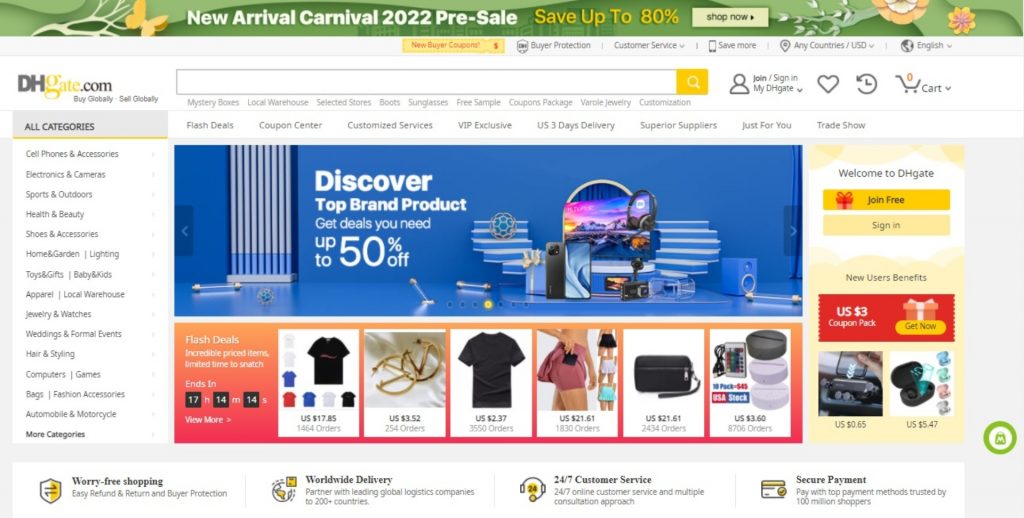
- Specific, low‑risk ways DHgate can fit into your sourcing mix
- A verification checklist you can reuse for any online provider

What the Trust Question Really Means
When you ask “Is this provider reliable?” you’re really asking several questions at once:
-
Will they deliver what they promise?
- On time
- At the agreed quality level
- At the agreed price
-
Are they who they say they are?
- Legitimate business identity
- Traceable history and track record
- Transparent ownership or management
-
How do they behave when things go wrong?
- Responsiveness to issues
- Fair handling of mistakes
- Clear policies for returns, refunds, or remediation
-
Can I work with them over the long term?
- Stable operations
- Capacity to grow with your needs
- Cultural and communication fit
Working Definition of Reliability
For practical sourcing decisions, you can define a reliable solution provider as:
A provider that consistently delivers agreed outcomes, communicates transparently, and has verifiable evidence of performance and accountability.
That evidence is what you’re going to look for: documentation, reviews, references, track records, and behavior in small test engagements.
What to Check First
Before you compare platforms or providers, start with three foundational checks: fit, identity, and risk level.
1. Clarify What You Actually Need
Write down:
- The type of solution: product supply, service, software, logistics, marketing, etc.
- Your volume and frequency: one‑off, recurring, or scaling quickly
- Your risk tolerance: how much can go wrong before it seriously hurts your business?
- Any non‑negotiables: certifications, local presence, language, compliance requirements
This shapes where you should look and how strict your vetting needs to be.
2. Verify Basic Identity
For any provider you find online, check:
-
Business name and registration
- Search their legal name in official business registries where available
- Confirm address and contact details match across website, invoices, and profiles
-
Web presence consistency
- Website, marketplace profile, LinkedIn, and other listings should tell the same story
- Look for a real team, not just generic stock photos and vague claims
-
Contactability
- Working email addresses and phone numbers
- Reasonable response time to initial inquiries
3. Assess Your Risk Level
Not every decision needs the same depth of vetting. A simple way to think about it:
- Low risk: small test orders, low‑cost SaaS trials, non‑critical services
- Medium risk: recurring supply, core tools, outsourced functions
- High risk: strategic partnerships, large capital purchases, regulated services
The higher the risk, the more evidence you should gather before committing.
Comparison Matrix
Different online routes offer different strengths for trust and reliability. Use this matrix to see which options fit your situation.
Core Sourcing Options Compared
| Route / Provider Type | Who It Suits Best | Typical Price Level | Trust & Transparency Signals | Strengths | Watch‑outs |
|---|---|---|---|---|---|
| Global B2B marketplaces | Small–mid businesses seeking variety & price options | Often competitive / varied | Seller ratings, transaction history, reviews | Wide assortment, cross‑border access, comparison | Quality variance, need careful vetting per seller |
| Direct manufacturer websites | Businesses needing specific products or customization | Can be lower at scale | Certifications, case studies, factory info | Customization, technical depth, direct communication | MOQs, longer lead times, language/time‑zone barriers |
| Local distributors / resellers | Businesses needing local support & faster delivery | Often higher per unit | Physical presence, local references, warranties | Local stock, easier returns, in‑person support | Less variety, higher prices, limited customization |
| Service agencies (marketing, IT, logistics) | Firms outsourcing expertise | Project or retainer fees | Portfolio, client list, testimonials, staff profiles | Specialized skills, managed outcomes | Scope creep, dependency, variable quality |
| SaaS platforms / tools | Businesses digitizing operations or workflows | Subscription tiers | Public roadmap, uptime stats, user reviews | Fast deployment, scalability, integrations | Lock‑in risk, data migration, ongoing subscription |
| Freelance platforms | Small tasks, content, design, dev work | Flexible / negotiable | Ratings, completed jobs, portfolio | Speed, flexibility, global talent access | Individual reliability varies, limited recourse |
Where DHgate Sits in This Matrix
DHgate is an example of a global B2B marketplace. It tends to fit best when:
- You want to compare multiple suppliers for similar products
- You’re price‑sensitive and willing to trade some convenience for cost savings
- You need assortment breadth (e.g., components, accessories, packaging)
- You’re exploring cross‑border sourcing but starting with smaller, test orders
It’s one option among several marketplaces; you should still vet individual sellers carefully and compare against other routes like local distributors or direct manufacturers, depending on your risk level and needs.
Decision Framework
Use this step‑by‑step framework to decide what type of provider to pursue and how deeply to vet them.
Step 1: Map Your Scenario
Identify which scenario you’re in:
-
Scenario A – Exploring new product ideas
- Low initial volumes, testing demand
- Goal: variety and speed, moderate risk tolerance
-
Scenario B – Securing core supply for existing business
- Recurring orders, predictable demand
- Goal: stability, consistent quality, lower risk tolerance
-
Scenario C – Outsourcing a business function
- Marketing, IT, logistics, customer support
- Goal: expertise and outcomes, medium–high risk
-
Scenario D – Implementing a critical tool or platform
- ERP, CRM, payment systems, inventory management
- Goal: reliability, uptime, data security, high risk
Step 2: Match Scenario to Provider Type
| Scenario | Best‑fit Provider Types | DHgate‑style Marketplace Fit? |
|---|---|---|
| A | Global marketplaces, freelance platforms, SaaS trials | Yes, for product ideas, small test orders |
| B | Direct manufacturers, vetted marketplace suppliers, local distributors | Yes, as one channel to identify and compare suppliers |
| C | Specialized agencies, vetted freelancers, niche platforms | Limited; marketplaces more relevant for products |
| D | Established SaaS vendors, local integrators, official resellers | No; focus on official, regulated channels |
Step 3: Decide Your Vetting Depth
-
Light vetting (Scenario A, small tests)
- Check identity, basic reviews, sample quality
- Use small orders or short trial projects
-
Moderate vetting (Scenario B, C)
- Add reference checks, sample projects, contract clarity
- Review financial stability where possible
-
Deep vetting (Scenario D, strategic partnerships)
- Formal due diligence, security/compliance reviews
- Legal review of contracts, SLAs, and data handling
Step 4: Start Small, Then Scale
Regardless of route:
- Begin with limited scope: small order, pilot project, or trial period
- Evaluate delivery, communication, and issue handling
- Scale up only if performance matches expectations over multiple cycles
Where DHgate Fits Naturally
DHgate fits best as part of a mixed sourcing strategy, not as your only channel. Here’s how it can be used sensibly and safely.
1. Idea Exploration and Assortment Scouting
When you’re exploring:
- New product categories
- Variations (colors, materials, packaging)
- Accessory or add‑on ideas
You can use DHgate to:
- Browse broad assortments to see what’s available globally
- Compare product specs and price ranges across multiple sellers
- Identify potential suppliers to shortlist for deeper vetting
2. Price and Supplier Comparison
If you already have a product concept or local supplier:
- Use DHgate to benchmark prices for similar items
- Check how many suppliers offer comparable products
- See typical MOQ (minimum order quantity) and lead times in the market
This helps you understand whether your current quotes are reasonable and whether cross‑border options might be worth testing.
3. Test Orders Before Committing
For lower‑risk scenarios:
- Place small test orders with one or two shortlisted DHgate sellers
- Evaluate:
- Product quality vs. listing
- Packaging and shipping time
- Responsiveness to questions or minor issues
Use these tests as data points alongside other channels (local distributors, direct manufacturers) before deciding on a long‑term supply route.
4. When DHgate Is Not the Primary Route
DHgate is less suitable as your main route when:
- You need official brand‑authorized purchasing with local warranties
- You’re buying regulated equipment requiring local certification and support
- You’re implementing mission‑critical software or infrastructure
In those cases, prioritize official channels, local partners, or established SaaS vendors with clear compliance and support structures.
Verification Checklist
Use this checklist whenever you evaluate an online solution provider, including marketplace sellers, agencies, and SaaS platforms.
1. Identity & Legitimacy
- [ ] Full legal business name visible
- [ ] Physical address and contact details listed
- [ ] Consistent information across website, marketplace profile, and social channels
- [ ] Business registration or tax ID available where appropriate
2. Track Record & Social Proof
- [ ] Verified reviews or ratings from multiple customers
- [ ] Case studies, portfolio, or documented past work
- [ ] References you can contact (for agencies and larger engagements)
- [ ] Evidence of repeat customers or long‑term relationships
3. Product / Service Quality
- [ ] Clear specifications or scope of work
- [ ] Sample products, demo accounts, or trial projects available
- [ ] Transparent limitations and exclusions (what’s not included)
- [ ] Quality standards or certifications where relevant (e.g., ISO, safety marks)
4. Communication & Support
- [ ] Response time acceptable for your business needs
- [ ] Clear primary contact person or support channel
- [ ] Language and time‑zone compatibility
- [ ] Documented support hours and escalation paths
5. Terms, Pricing & Risk
- [ ] Written agreement or order terms (even for small engagements)
- [ ] Transparent pricing, fees, and payment conditions
- [ ] Clear policies for returns, revisions, or cancellations
- [ ] Defined responsibilities on both sides (delivery, data, IP, etc.)
6. Security & Compliance (for SaaS / Data‑heavy Services)
- [ ] Basic security practices documented (encryption, backups, access control)
- [ ] Compliance with relevant regulations (e.g., data protection laws)
- [ ] Clarity on data ownership and portability
- [ ] Plan for what happens if you stop using the service
You don’t need every box ticked for low‑risk tests, but for core suppliers and critical tools, aim to cover most of this list.
FAQ
How do I quickly tell if an online provider is a scam or just low quality?
Look for red flags:
- No verifiable business details or physical address
- Inconsistent names, contact info, or stories across profiles
- Pressure for fast payment with no documentation
- Overly generic reviews or none at all
- Refusal to provide samples, references, or clear terms
If you see several of these at once, treat it as high risk and step away.
Are online marketplaces safe for business sourcing?
Marketplaces can be useful, but safety depends on:
- The specific seller you choose, not just the platform
- How carefully you vet reviews, ratings, and product details
- Starting with small, controlled orders before scaling
Use marketplaces as a discovery and comparison tool, then apply your verification checklist to each seller.
When should I prefer local providers over global marketplaces?
Local providers are often better when:
- You need fast delivery and easy returns
- Your products require local certification or installation
- You value in‑person support and site visits
- The cost of failure is high and you want closer oversight
Global marketplaces are more useful for variety, price comparison, and early‑stage exploration.
How can I reduce risk when working with a new provider?
- Start with small, low‑stakes engagements
- Use written agreements, even for small projects
- Set clear milestones and acceptance criteria
- Keep backup options in case the provider fails
- Review performance after each cycle and adjust scope accordingly
Is DHgate a good option for my business?
It can be, depending on your scenario:
- More suitable for product sourcing, especially accessories, components, and general merchandise
- Useful for price and assortment comparison across multiple suppliers
- Best approached with small test orders and careful seller vetting
If your priority is official brand warranties, regulated equipment, or mission‑critical tools, focus on local distributors, authorized resellers, or established SaaS providers instead.
How many providers should I compare before deciding?
For most decisions:
- Products / suppliers: compare at least 3–5 options
- Agencies / service firms: shortlist 3, do deeper calls with 2
- SaaS tools: test 2–3 via trials or demos
The goal is not endless comparison, but enough diversity to see clear differences in quality, price, and fit.
Evidence & Official References
Here are typical sources you can use to validate providers and deepen your own checks:
| Evidence Type | Where to Find It | What It Helps You Verify |
|---|---|---|
| Business registries | Government or chamber of commerce websites | Legal existence, registration status |
| Professional networks | LinkedIn, industry associations | Team legitimacy, leadership background |
| Customer review platforms | Marketplace review sections, B2B review sites | Satisfaction levels, recurring issues |
| Certification databases | Standards bodies, regulatory agency listings | Compliance with safety or quality standards |
| Court / enforcement records | Public legal databases where available | Major disputes, enforcement actions |
| Technical documentation | Vendor websites, product datasheets | Capability, compatibility, and limitations |
Use these sources alongside your own direct interactions (emails, calls, sample orders) to build a fuller picture of reliability.