
You can physically put a space heater in a car, but it’s generally a high‑risk move and only makes sense in very specific, controlled situations. Cars are cramped, full of fabric, and powered by a 12V electrical system that doesn’t match most household heaters. Used carelessly, a heater in a vehicle can create real fire risk or drain your battery so far the car won’t start. If you’re browsing plug‑in heaters on marketplaces like DHgate, your safest practical choices are low‑output 12V car heaters and carefully managed 120V setups used with strict safety habits.
The rest of this guide walks through how these heaters work in a car, realistic expectations for warmth, and what to look for in listings so you don’t buy something dangerous or disappointingly weak.
Can You Safely Use a Space Heater in a Car?
Putting a generic space heater in a car is usually a bad idea. The main problems are:
- Fire risk. General guidance for electric heaters is to keep them several feet from flammable materials and on a hard, stable surface. In a car, you’re surrounded by seat fabric, floor mats, and plastic trim, and there’s very little clearance. That makes a typical household heater hard to position safely.
- Combustion hazards. Any heater that burns fuel (propane, kerosene, “camp” heaters) can release dangerous gases in a sealed vehicle. Editorial safety articles focused on cars consistently describe combustion heaters inside a closed cabin as generally unsafe because exhaust can build up rapidly.
- Electrical and battery strain. High‑wattage heaters can overload wiring not designed for them, and even electric units plugged to a car’s 12V system can quickly drain the battery if the engine is off.
Safer use cases exist, but they’re narrow:
- Short pre‑warm while parked near a house: A 120V electric space heater plugged into an outdoor outlet with a heavy‑duty extension cord, placed securely on the floor, used for a brief warm‑up while you’re awake and watching it.
- Low‑power 12V heater for supplemental defrost or spot warmth: A car‑specific heater running while the engine is on, mounted away from fabrics, to help demist or add a little heat where the factory system is weak.
If you’re planning to sleep in the car with a heater running or leave it unattended for hours, the risk profile jumps. Most safety guidance treats that scenario as generally unsafe, especially with anything more powerful than a modest 12V unit.
Types of Car Heater Setups: 12V vs 120V Space Heaters
The real decision is not “heater or no heater” so much as which kind of heater and how you power it. The main options are residential 120V heaters and automotive 12V heaters.
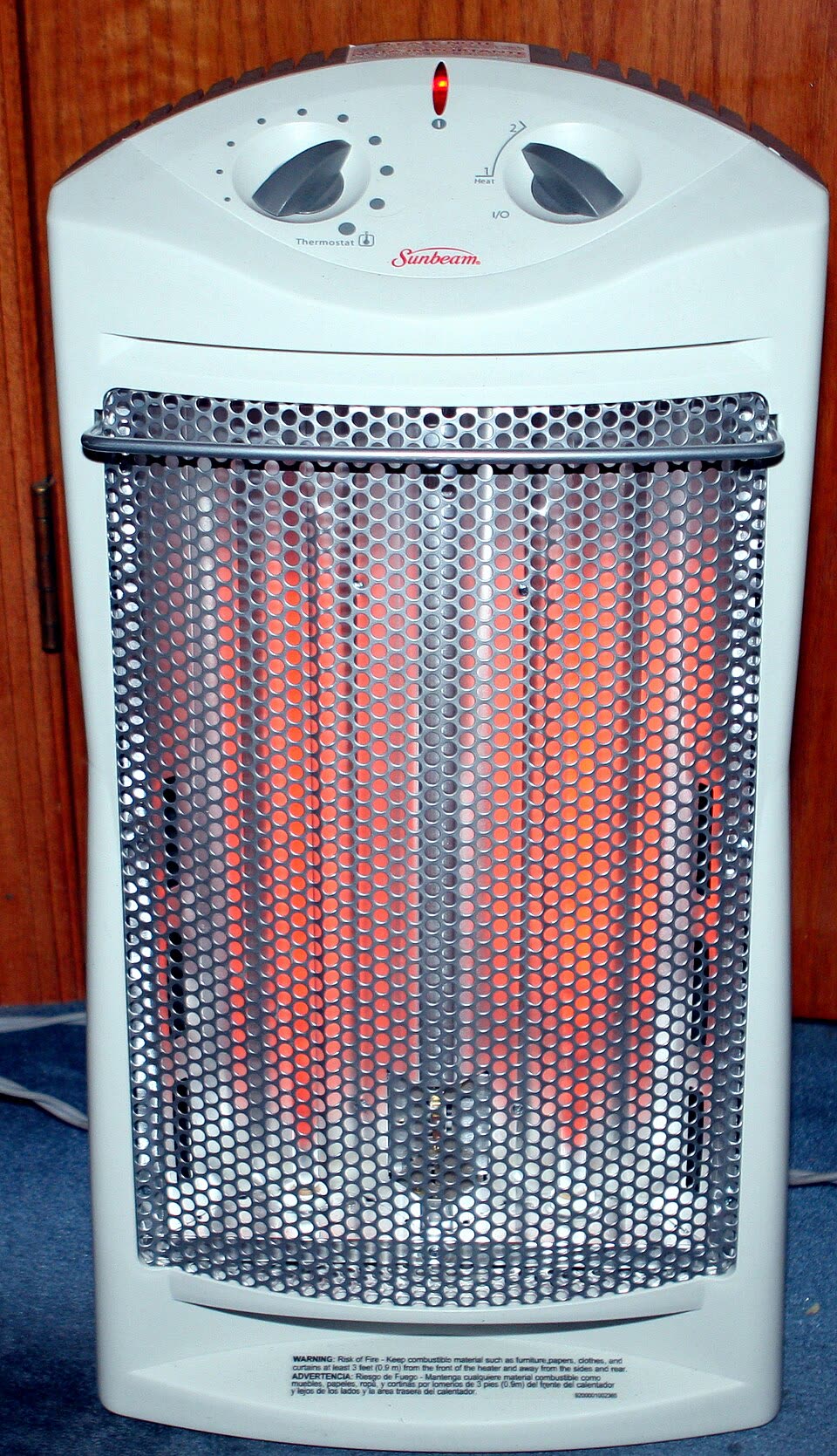
How 120V Space Heaters Behave in Cars
Most household space heaters are built for 120V AC power from a wall outlet. Car electrical systems supply 12V DC, so these heaters don’t run directly from the vehicle without extra hardware.
You typically see two car scenarios for 120V heaters:
- Plugged into a home or garage outlet via extension cord. The heater stays a house appliance; the car interior is just the “room” you’re heating.
- Powered through a 12V–120V inverter wired to the car. The inverter converts the car’s 12V DC into 120V AC.
Editorial sources that discuss car setups stress a few realities:
- Heaters want stable AC power; car voltage can fluctuate with battery state and load.
- Many portable heaters draw more current than small plug‑in inverters or cigarette‑lighter style inverters can safely provide.
- Running a powerful heater from the car’s battery with the engine off can drain the battery quickly enough that the vehicle may not start.
Because of that, using a 120V heater from a house outlet and extension cord is typically the more practical option for a quick morning warm‑up than wiring a large inverter to your car.
12V Electric Car Heaters
Car‑specific plug‑in heaters are designed to use 12V DC directly from the vehicle. They usually connect via:
- an accessory socket (cigarette lighter style), or
- direct wiring to the battery for higher‑amperage models.
Evidence from automotive heater guides and DHgate’s own editorial snippet lines up on a key point: these heaters produce limited heat compared with factory HVAC. They can help defrost, demist, or warm a small area, but they won’t make a frozen cabin feel like a living room.
Still, they’re often safer and more appropriate than dropping a big household heater on the floor, because they’re engineered around 12V current and car mounting.
Plug‑In Heater Subtypes and Car Suitability
Plug‑in heaters you’ll see for vehicles fall into several subtypes:
- Wire‑element heaters: Simple resistive coils that get very hot; compact but can have high surface temperatures.
- Ceramic heaters: Use ceramic elements; often have more stable temperature control and housings that stay cooler to the touch.
- Infrared / radiative heaters: Emit radiant heat toward objects rather than just warming air; can be effective in a small, directed area.
- Oil‑filled units: Sealed oil radiators that warm slowly but have relatively even, lower‑surface heat once warmed.
General heater safety material suggests that units with lower surface temperatures and solid, tip‑resistant housings are better suited to cramped spaces than bare wire elements that can ignite fabric on contact. However, no type is magically “safe” in a car; you still need clearance, careful mounting, and conservative use.
Quick Comparison: 12V vs 120V Heater Use in Cars
| Setup type | Power source | Typical heat output in a car (qualitative) | Main risks in a vehicle | Best‑fit scenario |
|---|---|---|---|---|
| 120V household heater via home outlet + extension cord | Household 120V AC | High for short periods; can warm small cabin noticeably | Fire risk from poor placement; trip hazard; relies on safe outdoor-rated cord | Brief supervised pre‑warm while parked at home |
| 120V heater via inverter | Car 12V through inverter | Moderate to high, limited by inverter and alternator | Battery drain with engine off; wiring overload; fire risk | Niche setups where alternator and wiring are engineered for it |
| 12V plug‑in car heater (socket) | Car accessory socket | Low; noticeable at vents or small area, not whole cabin | Overheating sockets, limited effect, fire risk if mismounted | Supplemental defrost or spot heat while driving |
| 12V heater direct-wired to battery | Car battery/alternator | Low to moderate; better than socket units but still below factory HVAC | Installation fire risk; battery strain if idling; must be fused and mounted well | Replacing weak factory heat in older vehicles with careful install |
If you’re shopping, decide first which row actually matches your situation. Many buyers expecting “living room warmth” from a 12V socket heater end up disappointed.
How to Choose and Buy Car‑Safe Heaters on DHgate and Other Marketplaces
If you decide a plug‑in car heater is worth trying, your safest path is usually a 12V heater designed for automotive use or a conservative 120V setup used from a house outlet.
On DHgate or similar marketplaces, focus your search and filters on:
- Voltage and power match
Search for terms like “12V car heater” or “12V defroster.” Check listings to confirm:
- Voltage is clearly stated as 12V DC for in‑car use.
- Power draw looks realistic for your socket or planned wiring. High‑wattage claims without clear wiring guidance are a red flag.
- Mounting style and clearance
In product photos and descriptions, look for:
- Brackets or bases that can be fixed to a hard surface (dash, console, under‑seat brackets) rather than just “sit on the carpet.”
- Designs that direct heat away from nearby fabrics.
- Safety features drawn from credible heater guidance
General heater safety tips from sources like the Best Buy Blog highlight features that also matter in cars:
- Overheat protection or thermal cut‑offs.
- Tip‑over switches (more common on 120V units, but useful if you’re using one to pre‑warm the cabin).
- Clear manufacturer warnings about clearance from flammable materials.
When browsing DHgate, treat these as filters in your head: if a heater shows bare coils, no visible safeguards, and vague safety language, pass.
- Seller detail and buyer photos
Because DHgate hosts many different sellers, evaluate each listing individually:
- Look for multiple real‑world photos, ideally showing the heater in a vehicle or on a hard surface.
- Read any reviews for clues about heat output (“just enough to defog” vs “warms cabin”) and durability.
- Be realistic about what you’re buying
A compact 12V heater is a helper, not a replacement for a factory HVAC in Minnesota in January. For long, cold overnights, many car‑campers instead rely on:
- Good insulation (window covers, sleeping bags, layers).
- Periodic engine‑on warm‑ups.
- External power sources (campground hookups) with standard space heaters used with home‑style safety rules.
If DHgate listings don’t clearly state voltage or safety features, or the product looks like a generic indoor space heater with no automotive context, treat it as a household appliance—not something to run inside a sealed vehicle.
Using Space Heaters in Real Car Scenarios
To ground all of this in the situations people actually face:
- Overnight car camping in a driveway: A 120V ceramic heater powered from a home outlet, sitting on a solid tray on the floor, used with a timer so it cycles and doesn’t run unattended all night, is safer than trying to run a big 12V load from your battery. You still need clearance and to stay awake long enough to confirm nothing is overheating.
- Morning frost and fog on a weak heater car: A small 12V defroster plugged into the accessory socket, aimed at the windshield, while the engine runs, can supplement a tired factory system. Don’t expect it to heat the rear seats, but it can improve visibility.
- Older vehicle with borderline heat: In some cases, a direct‑wired 12V heater with proper fusing and professional installation can add noticeable warmth. That’s closer to an electrical modification than a plug‑and‑play gadget, so it’s worth involving a mechanic or automotive electrician.
Across all these, the theme is the same: the more powerful the heater and the more improvised the wiring or placement, the higher the fire and battery risk. Treat your car as a small, fabric‑lined space with limited electrical headroom—not a mini living room.
Practical Next Step
If you’re still interested in a heater for your car, map your situation to one of the specific setups above and decide whether the risk and complexity are acceptable.
For a lot of buyers browsing DHgate, the most sensible move is to:
- Search specifically for 12V car heaters/defrosters with clear automotive photos.
- Filter mentally for safety features and sensible wattage, not just “highest heat.”
- Plan a mounting spot in your car that keeps several inches of clearance from seats, mats, and loose gear.
- Use it only while you’re present and, ideally, while the engine is running so you don’t strand yourself with a dead battery.
If none of the options feel safe in your specific vehicle, that’s a valid conclusion. Better insulation, warm clothing, or fixing the factory heater may deliver more comfort with far less risk than squeezing a space heater into a cabin that was never designed for it.