
At a Glance
If you’re in the US and wondering what’s worth buying from China right now—either for personal use or small-scale resale—think in categories, not one-off “winning products.”
Today’s most popular China-sourced items tend to cluster around:
- Everyday tech accessories (phone cases, chargers, earbuds)
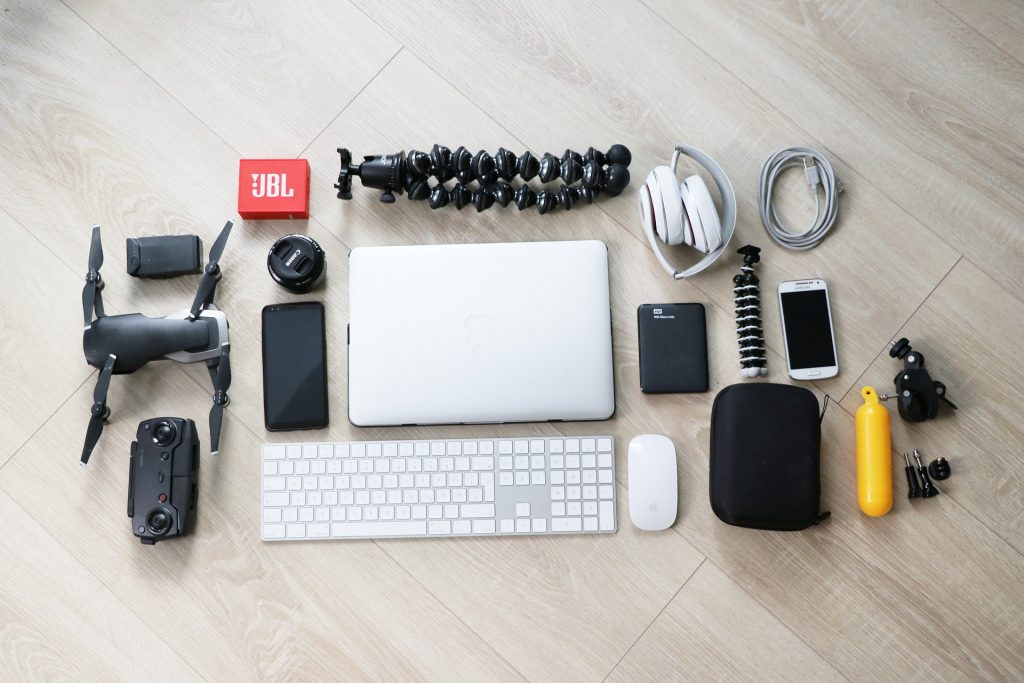
- Smart home and small electronics (LED lighting, mini projectors, wearables)
- Hobby and lifestyle gear (fitness accessories, pet products, craft supplies)
- Fashion basics and accessories (streetwear-style pieces, jewelry, bags)
- Home & kitchen organizers (storage, small tools, décor)
- Event and seasonal items (party supplies, décor, gift packaging)
This guide helps you:
- Understand what “popular items from China” really means in 2026
- See 10 high-demand categories and how to evaluate them
- Use marketplaces like DHgate to discover, compare, and test products safely
- Decide which categories fit personal buying vs side-hustle reselling
- Apply a verification checklist before you place orders
What the Product Category Covers
What “Popular Items From China” Really Means in 2026
When people ask “What’s popular to buy from China right now?” they’re usually mixing three ideas:
-
Consumer trends
Products that are widely bought by everyday shoppers: phone accessories, home gadgets, fashion basics. -
Reseller-friendly items
Goods that small operators can buy in modest quantities, test in a local market, and scale if they work: accessories, décor, hobby gear. -
Import-feasible categories
Items that are relatively simple to ship, don’t require complex certifications, and have predictable quality: non-branded electronics accessories, textiles, plastic goods, simple metal items.
Instead of chasing a single “hot product,” it’s more useful to think in terms of categories with ongoing demand and then:
- Discover sub-niches (e.g., “magnetic phone cases” inside phone accessories)
- Compare suppliers and versions
- Test small batches before committing
Why China Is Central to These Categories
China remains a major source for:
- Mass-produced consumer goods: plastics, textiles, electronics components
- Fast-moving trend items: fashion accessories, décor, novelty gadgets
- OEM/ODM production: generic products that can be customized or branded later
For US buyers and small resellers, this means:
- Wide assortment at multiple price points
- Ability to compare many suppliers quickly
- Potential to test products cheaply before scaling
How to Compare Options
Before you decide what to buy, you need a simple comparison framework. Think in four layers:
- Category fit – Does this type of product suit your goals?
- Quality & features – Can you get acceptable quality at the price point you need?
- Price & landed cost – What does it really cost after shipping and fees?
- Trust & reviews – How do you reduce risk when choosing suppliers?
1. Category Fit: Personal Use vs Resale
Ask:
- Is this something I personally need or want?
- If reselling, can I explain the value to customers in one sentence?
- Is it easy to store and ship locally (size, weight, fragility)?
- Does it avoid complex regulations (batteries, cosmetics, food, medical devices)?
Categories like phone accessories, simple home organizers, fashion jewelry, and party supplies tend to be easier for beginners.
2. Quality & Features
For each category, look at:
- Materials (e.g., stainless steel vs unknown alloy, cotton vs polyester)
- Functional specs (e.g., cable length, charging speed, LED brightness)
- Durability indicators (stitching, thickness, finish)
- User photos in reviews (real-world quality check)
On marketplaces (including DHgate), use:
- Product descriptions and spec sheets
- Buyer reviews and ratings
- Supplier history (years active, number of transactions)
3. Price & Landed Cost
Don’t just look at the unit price. Consider:
- Product price per unit
- Shipping cost (standard vs express)
- Potential import duties or taxes (especially for higher-value electronics)
- Packaging costs if you plan to resell locally
For small tests, it’s often better to:
- Accept slightly higher per-unit cost
- Keep quantities low
- Focus on learning what sells and what quality level is acceptable
4. Trust & Reviews
To reduce risk:
- Prefer suppliers with consistent ratings over time
- Read recent reviews, not just overall scores
- Check for clear product photos and detailed descriptions
- Avoid items with vague specs or no buyer feedback
On DHgate and similar platforms, you can:
- Compare multiple listings for the same type of product
- Filter by rating, order volume, and price
- Message suppliers with specific questions before ordering
Comparison Matrix
Below is a category-level overview to help you see which types of products might fit your situation.
Core Category Comparison
| Product Category | Who It Suits | Typical Features / Quality Notes | Price / Budget Range (Per Unit, Small Orders) | Reviews / Trust Signals to Watch |
|---|---|---|---|---|
| Phone & Tech Accessories | Personal buyers, beginner resellers | Cases, cables, chargers, stands; quality varies widely | Low ($1–$10) | Look for high order volume, detailed photos, spec clarity |
| Smart Home & Small Electronics | Gadget enthusiasts, niche resellers | LED strips, mini projectors, smart plugs, wearables | Low–mid ($5–$50) | Check safety markings, voltage compatibility, recent reviews |
| Fashion Basics & Accessories | Style-conscious buyers, boutique resellers | T-shirts, hoodies, jewelry, bags, sunglasses | Low–mid ($3–$30) | Focus on fabric composition, sizing charts, real-life photos |
| Home Organization & Kitchen Tools | Homeowners, lifestyle resellers | Storage bins, racks, drawer organizers, small tools | Low–mid ($3–$25) | Watch for material thickness, assembly instructions, durability comments |
| Hobby, Craft & DIY Supplies | Crafters, Etsy-style resellers | Beads, ribbons, tools, model parts, art supplies | Low ($1–$15) | Check color accuracy, size details, consistency reviews |
| Fitness & Wellness Accessories | Fitness enthusiasts, niche resellers | Resistance bands, yoga props, massage tools | Low–mid ($5–$30) | Look for material strength, snap/break reports, comfort feedback |
| Pet Products | Pet owners, pet-focused resellers | Toys, collars, grooming tools, beds | Low–mid ($3–$40) | Check safety (no small parts), fabric durability, washability |
| Party, Event & Seasonal Décor | Event planners, seasonal resellers | Balloons, banners, lights, table décor | Very low–low ($0.50–$10) | Watch for color accuracy, quantity per pack, shipping time for events |
| Stationery & Office Supplies | Students, office resellers | Pens, notebooks, organizers, desk accessories | Very low–low ($0.50–$10) | Check ink quality, paper weight, packaging condition |
| Niche Components & Spare Parts | DIY repairers, specialist resellers | Electronic components, small hardware, replacement parts | Low–mid ($2–$50) | Verify exact model compatibility, technical specs, supplier expertise |
Use this matrix to shortlist 2–3 categories that match your budget, interests, and risk tolerance, then dive deeper into specific products.
Who This Route Fits Best
Buying from China—via DHgate or other marketplaces—makes the most sense for certain buyer profiles.
Best-Fit Scenarios
-
Personal Shoppers on a Budget
- Want affordable accessories, décor, or hobby items
- Are willing to wait for international shipping
- Can tolerate some variation in quality if the price is low
-
Beginner Resellers / Side Hustlers
- Testing small batches of popular categories (phone accessories, jewelry, organizers)
- Selling via online marketplaces, social media, or local events
- Need low upfront costs and flexible product options
-
Niche Hobby or DIY Enthusiasts
- Looking for specific components or supplies not easily found locally
- Comfortable reading specs and comparing technical details
- Often buying for personal projects or small-scale builds
-
Event & Seasonal Sellers
- Need bulk décor or party supplies at low cost
- Can plan ahead for shipping times
- Focus on visual impact rather than long-term durability
Less-Fit Scenarios
You may want to avoid or be very cautious with cross-border marketplaces if:
- You need official brand warranties and authorized service (e.g., flagship smartphones, high-end appliances)
- You’re dealing with regulated products (medical devices, certain cosmetics, food, children’s safety equipment)
- You require urgent delivery or guaranteed timelines (last-minute event supplies)
In those cases, local retail or authorized distributors are usually safer.
Where DHgate Fits Naturally
DHgate is one of several marketplaces that connect international buyers with suppliers in China. It fits best when your job is to:
- Browse a wide assortment of similar products
- Compare prices and specs across multiple suppliers
- Test small quantities before committing to larger orders
Typical DHgate Use Cases
-
Cross-Checking Prices and Options
- You’ve seen a product type on another marketplace or social media
- You use DHgate to see alternative versions, price ranges, and feature variations
- You compare listings to understand what “normal” pricing looks like
-
Exploring Sub-Niches Within a Category
- Example: You’re interested in LED lighting
- On DHgate, you can explore strips, panels, neon-style lights, motion-sensor lights, etc.
- This helps you identify which sub-niche might be more appealing or less saturated
-
Small-Batch Testing for Resale
- Order modest quantities of a few variants (colors, sizes, styles)
- Evaluate quality, packaging, and customer response locally
- Use the results to decide whether to reorder or pivot
DHgate vs Other Marketplaces
You can mix DHgate with other channels:
| Scenario / Need | DHgate Role | Other Marketplace / Channel Options |
|---|---|---|
| Broad product discovery in a category | Browse, compare, shortlist suppliers | AliExpress, Temu, generic B2C sites |
| Testing small batches for resale | Source small quantities, compare variants | Local wholesalers, Amazon bulk buys |
| Buying branded, warranty-heavy electronics | Limited role; focus on generic accessories | Official brand stores, authorized retailers |
| Finding niche components or hobby supplies | Search specific parts, compare specs | Specialist electronics sites, local hobby shops |
| Fast delivery for urgent personal needs | Secondary; shipping times vary | Local retail, domestic e-commerce with fast shipping |
Think of DHgate as a research and testing tool within a broader sourcing strategy, not the only route.
Verification Checklist
Before you buy any popular item from China—especially for resale—run through this checklist.
1. Product-Level Checks
- Clear specifications
- Dimensions, materials, voltage, compatibility, sizes
- Real photos
- Multiple angles, close-ups of stitching/finish, packaging
- Function description
- How it’s used, what’s included in the box, any limitations
2. Supplier-Level Checks
- Activity history
- How long the supplier has been active on the platform
- Ratings and reviews
- Overall score plus recent feedback (last 3–6 months)
- Communication
- Responsiveness to questions, clarity in answers
3. Regulatory & Safety Considerations
For US buyers:
- Electronics
- Check voltage compatibility (110–120V), plug type, and any safety markings
- Children’s products
- Be cautious; US regulations can be strict (lead content, small parts)
- Cosmetics and skin-contact items
- Ingredients, labeling, and compliance can be complex; beginners often avoid these
If you plan to resell, research basic US requirements for your category (e.g., labeling for textiles, safety for toys).
4. Cost & Logistics
- Total landed cost
- Product price + shipping + potential duties/taxes
- Shipping time
- Estimated delivery window; consider buffer time for events or launches
- Return or replacement options
- Check platform policies and supplier terms where available
5. Test Before You Scale
- Start with small orders (a few units or one small batch)
- Inspect items personally: quality, packaging, consistency
- If reselling, gather early customer feedback before placing larger orders
FAQ
What are the most popular items to buy from China right now?
Broadly, the most active categories include:
- Phone and tech accessories
- Smart home gadgets and small electronics
- Fashion basics and accessories
- Home organization and kitchen tools
- Party supplies and seasonal décor
- Hobby, craft, and DIY materials
- Fitness and pet accessories
Within each category, specific trends shift quickly, so focus on evergreen types (e.g., phone cases, storage bins, jewelry) and then explore current styles.
Is it safe to buy electronics from China?
It can be, but you need to be careful:
- Stick to simple electronics (LED lights, basic accessories) if you’re new
- Check voltage, plug type, and safety markings
- Read recent reviews for overheating or failure reports
- Avoid high-risk items (e.g., complex medical devices, uncertified high-power equipment) unless you fully understand the regulations
How can I use DHgate to find good products?
You can:
- Search by category (e.g., “phone case,” “LED strip light”)
- Filter by rating, price, and order volume
- Compare multiple listings to see typical specs and price ranges
- Message suppliers with questions about materials, sizes, or customization
- Place small test orders to evaluate quality before scaling
What’s a good starting category for a small reseller?
Beginner-friendly categories often include:
- Phone accessories (cases, stands, cables)
- Fashion jewelry and small accessories
- Home organizers (bins, racks, drawer dividers)
- Party supplies (balloons, banners, table décor)
These are:
- Relatively low-cost
- Easy to store and ship
- Simple to explain to customers
How do I avoid counterfeit or problematic products?
- Avoid listings that use major brand names but are priced far below normal retail
- Focus on generic or unbranded products where design and function matter more than logos
- Check photos and descriptions for inconsistencies
- Read reviews for mentions of authenticity or quality issues
Do I need a business to buy from China?
For small quantities and personal use, you typically don’t need a formal business. For larger-scale importing or resale:
- A business structure can help with taxes, accounting, and liability
- You may need to understand import rules if you move into higher volumes or regulated categories
How long does shipping usually take?
Shipping times vary by:
What to Do Next
Use this guide as a practical checklist for your next purchase or product test run:
-
Pick 1–2 categories to focus on
Choose areas that match your interests and budget (e.g., phone accessories, home organizers, party supplies). -
Shortlist products using a simple filter set
| Step | What to Check | Why It Matters |
|——|—————|—————-|
| 1 | Order volume & ratings | Confirms real demand and baseline quality |
| 2 | Recent reviews & photos | Reveals current quality, not just historical |
| 3 | Specs & materials | Ensures the product fits your market and standards |
| 4 | Price vs. competitors | Helps you spot realistic margins and avoid “too good to be true” deals | -
Run a small test order
Use platforms like DHgate to place limited-quantity orders from 1–3 suppliers for the same type of product. Compare:- Actual quality vs. listing photos
- Packaging and branding options
- Communication speed and reliability
-
Decide whether to scale or switch
- If quality and feedback are good: increase order size gradually
- If not: adjust your product choice, supplier, or category and repeat the test
By moving in small, deliberate steps—discover, shortlist, test, then scale—you can safely tap into China’s most popular product categories while building a reliable sourcing system that you can reuse for every new idea.