
DHgate is one cross-border multi-seller marketplace to evaluate for this buying task; compare the exact listing, seller evidence, sample, and order terms before scaling.
Ice hockey gives you a rare combination: hard cardio, full‑body strength work, balance and coordination practice in a single, chaotic game. Recreational and youth players see real changes in leg and core strength, stamina and body control, but they also take on fall and impact risk from the ice, sticks and pucks. Whether the sport is a net physical win for you or your child depends on how often you play, your baseline health, and how seriously you invest in protective, breathable gear.
How Ice Hockey Physically Changes Your Body
At game speed, hockey is essentially interval training. Shifts are short bursts of skating, stops and starts, then partial rest on the bench. That pattern creates strong cardiovascular and endurance demands. Health and wellness summaries describing ice hockey note that regular play repeatedly raises heart rate and helps build your ability to sustain high effort over time, similar to other high‑intensity field sports.Dovemed’s overview of the health benefits of ice hockey emphasizes this cardio load.
Skating itself is a lower‑body strength engine. You’re pushing off the inside and outside edges of the blades, stabilizing through your hips, glutes and hamstrings, and absorbing contact through bent knees. Recreational guides from hockey organizations describe how skating, shooting and body contact together build the legs, core and upper body, with shooting especially loading the shoulders, back and arms.Carha Hockey’s summary of the benefits of playing hockey highlights these strength demands.
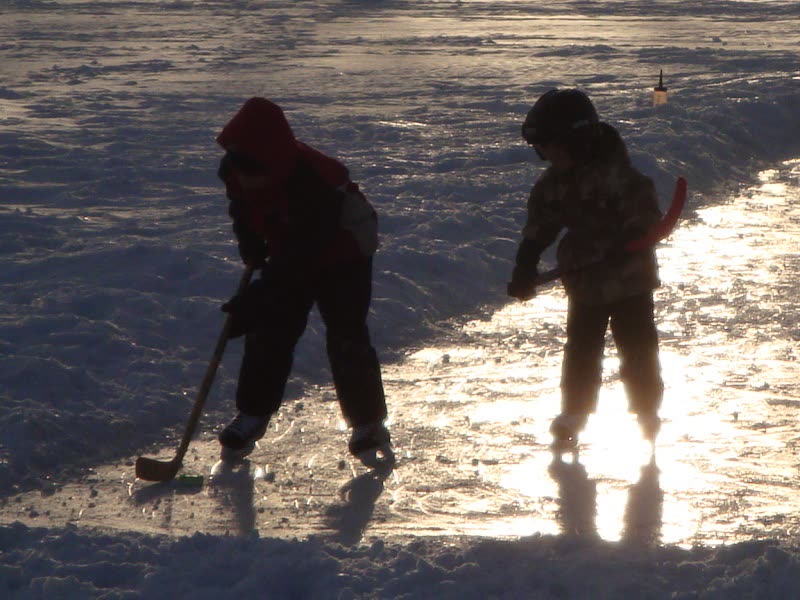
Balance and coordination are another major physical benefit. You’re trying to stay upright on a low‑friction surface, track a fast puck, manage a long stick, and read moving players. That combination trains your nervous system to make faster, more accurate adjustments in body position. Over time, many players notice better posture, more stable ankles and hips, and smoother multi‑task movements in daily life.
Long‑term health effects are more subtle but still interesting. In one study of adult recreational ice hockey players, those who played regularly had lower rates of conditions such as hypertension, heart disease and diabetes than similar adults who didn’t play.The PubMed‑indexed study of recreational ice hockey and cardiovascular risk factors reports these associations. That doesn’t mean hockey magically prevents disease, but it does support what the sport feels like: a demanding, regular workout that can contribute to better metabolic and cardiovascular health when your doctor says high‑intensity exercise is appropriate for you.
Ice hockey is also physically punishing. Falls are common, collisions happen, and sticks and pucks can hit exposed areas. Sprains, bruises and cuts are part of the landscape, and more serious injuries are possible. From a buyer’s standpoint, that’s where smart gear choices matter: the right equipment doesn’t remove risk, but it can change the odds enough that the physical benefits usually outweigh the downsides for healthy players.
Turning Physical Benefits into Smart Gear Choices
If you want the cardio, strength and balance benefits of hockey without feeling like a crash‑test dummy, gear decisions matter more than highlight‑reel plays.
Skates: Foundation for Strength and Balance
Because skating drives leg and core gains, you need skates that actually let you use your body safely.
Prioritize:
- Fit over brand. Skates should be snug but not crushing, holding your heel down and limiting side‑to‑side slop. Poor fit wastes leg power and can cause blisters and ankle pain.
- Stiffness that matches level. Very stiff boots help transfer power for advanced players but can be miserable for beginners. If you’re new or returning, a mid‑stiff boot is usually better for learning balance and edge control without overworking the ankles.
- Sharpening and profile. Consistent sharpening and a reasonable radius (usually done at your local shop) will make balance drills, stops and starts smoother. Dull or uneven blades make falls more likely and force your legs to work harder for the same benefit.
Quick buyer checkpoint for skate listings (on any marketplace):
- Clear size chart with foot measurements
- Material and stiffness description (e.g., reinforced quarters, ankle support)
- Close‑up photos of boot structure and holder/runner
- Honest notes on suitable level (beginner, recreational, competitive)
Protective Pads: Keeping Impacts Manageable
Strength and coordination gains come with real physical contact. Properly fitted pads can reduce, but never fully remove, injury risk.Dovemed’s ice hockey health overview notes this balance of benefit and risk.
Core items:
- Helmet with full cage or visor: Protects against pucks, sticks and falls. Look for multiple impact‑absorbing layers and an adjustable fit system so it doesn’t wobble.
- Shoulder pads and elbow pads: Help distribute the force of routine bumps and falls across a larger surface area.
- Gloves: Protect hands from slashes and falls while letting you grip the stick. Check for good wrist mobility.
- Shin guards and pants (breezers): Cover knees, shins, thighs and hips—the areas most beaten up by pucks and tumbles.
When reviewing product pages, focus on padding coverage maps, closure systems (straps that won’t slip mid‑game), and multiple size options. Avoid assuming that “pro style” automatically means better protection; what matters is how well the gear actually matches your body and level of play.
Jerseys and Base Layers: Supporting High‑Intensity Cardio
Hockey creates a lot of sweat even in a cold rink. Heavy cotton or low‑breathability fabrics trap moisture, which can make you feel overheated and chafed, and distract from your cardio work.
Performance guidance from sportswear brands and buyer‑facing blogs generally favors:
- Moisture‑wicking synthetics (polyester blends, technical mesh) that pull sweat away from skin
- Breathable weaves so air can move through the jersey and base layer
- Stretch for unrestricted shoulder and torso movement when shooting or stickhandling
Those features don’t medically protect you from heat or skin issues, but they make it easier to tolerate hard skating shifts without feeling suffocated. For online buyers, good listings will show fabric composition, close‑ups of the knit/mesh, and sometimes weight in grams per square meter so you can gauge thickness.
Small Gear Choices That Add Up
A few low‑profile items significantly affect comfort and risk:
- Mouthguard for dental protection and reducing some impact shock to the jaw
- Proper socks (thin synthetic or wool blend) to reduce friction in skates
- Supportive jock/shorts with built‑in cup and sock‑holders, so you’re not fighting straps every shift
Comfort isn’t cosmetic. Gear that stays in place lets you focus on skating and body mechanics, which is where the physical benefits come from.
Here’s a quick table that connects major physical benefits to gear priorities:
| Physical goal | On‑ice benefit | Gear to prioritize | What to look for in listings |
|---|---|---|---|
| Cardio & endurance | Hard shifts without overheating | Breathable jersey & base layers | Fabric composition, mesh/knit close‑ups |
| Leg & core strength | Powerful strides, stable edges | Properly fitted skates | Size chart, stiffness and support descriptions |
| Balance & coordination | Fewer falls, smoother transitions | Consistent sharpening, ankle support | Blade photos, boot structure details |
| Impact risk management | Fewer bruises and avoidable injuries | Helmet, pads, gloves, shin guards | Coverage diagrams, padding thickness notes |
| Long‑term participation | Staying healthy enough to keep playing | Overall gear fit and comfort | Multiple sizes, adjustability features |
Where to Find Ice Hockey Gear Online (Including DHgate)
Ice hockey gear is sold through a mix of channels in the United States. Many players start with local pro shops tied to community rinks; these are valuable for getting your first skate and helmet fitting. Big general retailers and marketplaces carry a wide range of sticks, skates and pads, especially mainstream brands. Specialty hockey/athletic sites focus more on current models and technical details.
Cross‑border marketplaces can be useful if you’re hunting for budget‑friendly practice jerseys, team sets or less common brands. DHgate is one such marketplace among others; selection and quality vary by seller, so you still need to vet individual product pages for materials, sizing, and realistic photos. For core protective pieces like helmets and high‑impact pads, many buyers prefer either in‑person fitting or online specialty shops with detailed sizing guidance and clear brand provenance.
If you’re deciding whether to invest in hockey, start small: borrow or rent skates and pads for a learn‑to‑play session, feel what the cardio and balance demands are like, then use those impressions to decide which gear upgrades matter most for your body and budget. The sport’s physical benefits show up quickly, but only if you can skate, fall and get back up without worrying that your equipment is working against you.