
You can buy from Yiwu Market from the US in three main ways: fly to Yiwu and buy directly in the booths, work with a Yiwu-based sourcing/translation agent (often using online Yiwu portals), or skip the physical market and source similar Yiwu-type products through cross-border marketplaces like DHgate. Direct Yiwu access gives you maximum choice and control, but it means travel, time on the ground, and managing freight. Agents and online portals reduce the travel load but introduce extra costs and relationship risks. Marketplaces are the simplest for small test orders, though you lose some direct factory control.
For a US Amazon or eBay seller testing a new product line (say party supplies or costume jewelry), a common path is: start with small orders via a marketplace to validate demand, then consider a Yiwu trip or a trusted agent only once your volume can justify the added complexity.
What Yiwu Market Is and the Main Ways You Can Buy From It
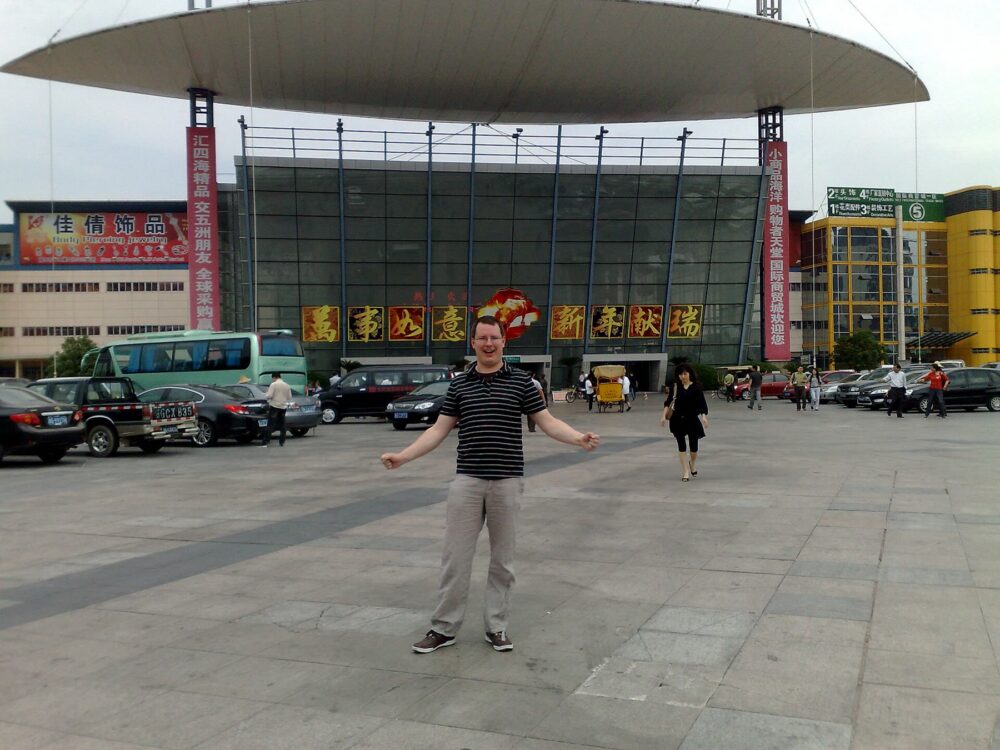
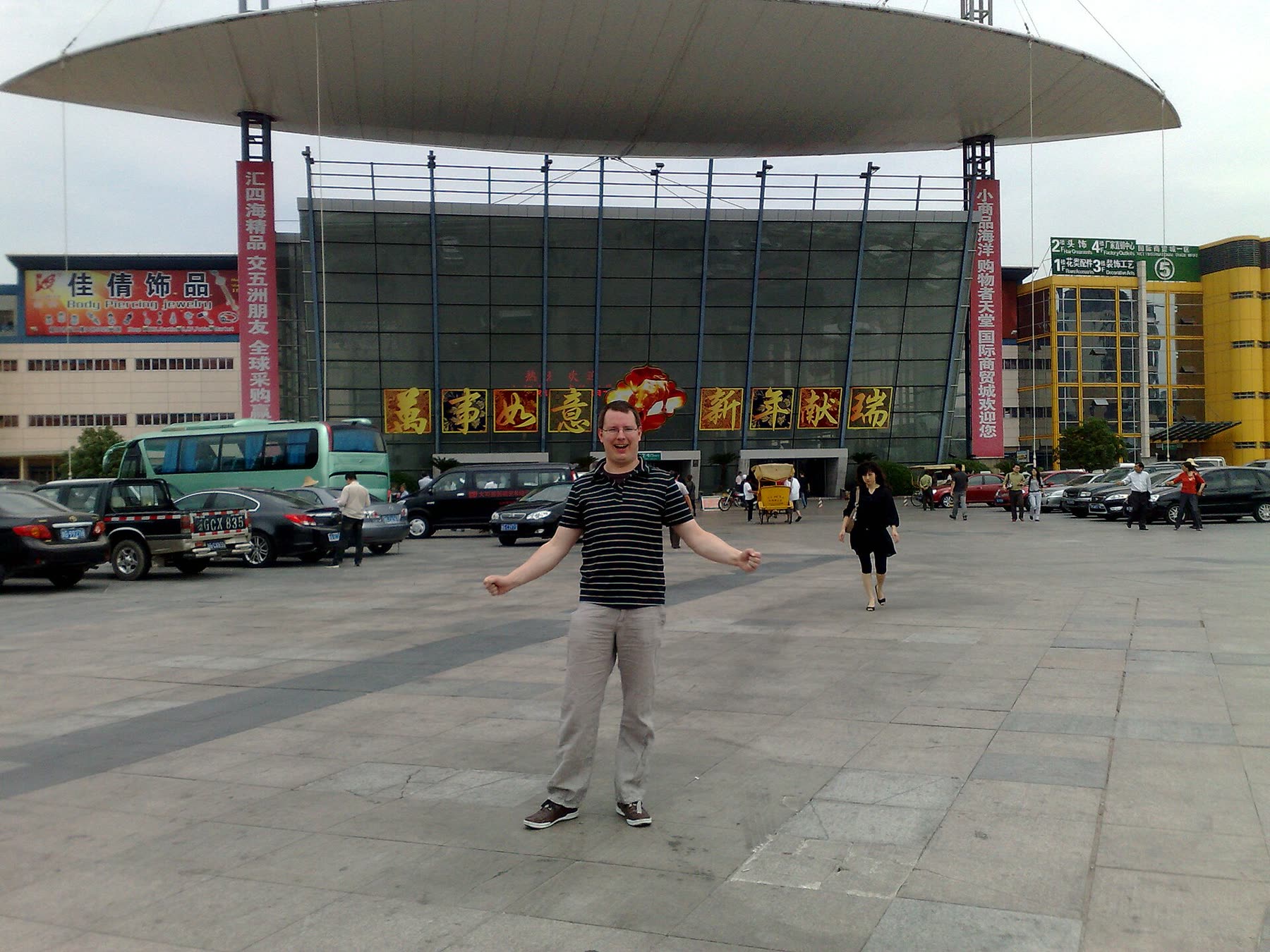
Yiwu International Trade City in Zhejiang, China is often described as one of the world’s largest wholesale markets for small commodities. It’s not a single hall; it’s a dense complex with many districts and large numbers of booths, each district focusing on different product categories such as accessories, toys, home goods, or hardware, according to market overviews like Hello Yiwu.
Suppliers usually rent booths grouped by category, so if you’re looking for hair accessories or kitchen gadgets, you’ll find many similar suppliers clustered together. That structure makes on-the-ground comparison straightforward, but only if you’re actually there.
From the US, you can realistically access those suppliers in three ways:
1. Visiting Yiwu in person
This is the classic route for importers who want control and variety.
You travel to Yiwu, walk the districts, and talk to booth owners. You can review samples on the spot, negotiate pricing, and place either small trial orders or larger production runs. Many suppliers are open to mixed orders across multiple SKUs, especially for categories like general merchandise and accessories, which is one reason Yiwu is popular with small retailers.
Language can be a hurdle; several Yiwu-focused guides note that many booth staff know only basic English phrases like “price” or “cheap,” so serious buyers often hire a local translator by the day to help with negotiations and product details.
2. Working with Yiwu sourcing agents and online Yiwu portals
If you can’t or won’t travel, you can use Yiwu-based agents and online portals that map the market:
- Yiwu agents / trading companies: You describe the product, target price, and quality level. The agent visits the market, sends photos or samples, negotiates with suppliers, and may help arrange inspection and shipment. Many agents promote this model on sites like Yiwubuying and Hisourcing.
- Online Yiwu portals: Platforms such as Chinagoods and Yiwugo (explained in guides like Sourcing Pioneer’s Yiwugo buyer guide) list Yiwu market products and suppliers online. You can search categories, see some pricing, and either contact suppliers directly or work through a service provider.
These options are attractive if your budget doesn’t stretch to a China trip yet. The trade-off is that you’re trusting intermediaries (agents or portal-listed suppliers) more heavily on product choice and follow-through.
3. Using cross-border marketplaces without touching Yiwu directly
Many Chinese suppliers around Yiwu list products on global marketplaces. For a US buyer, the simplest way to test Yiwu-type products is often to buy them via an established cross-border platform, then decide later whether deeper sourcing is worth it.
DHgate is one of the marketplaces commonly used by Chinese suppliers, including some based in or around Yiwu, to reach overseas buyers. You don’t see the physical booths, but you do see product listings, price tiers, and basic supplier profiles. This route fits buyers who prioritize low minimum orders and ease of ordering over direct factory visits.
Decision‑useful comparison of the three routes
| Buying route | Who it tends to suit | Key trade‑offs for US buyers |
|---|---|---|
| Visit Yiwu in person | Established sellers ready to invest time and travel | Maximum choice and control, but requires travel and managing freight |
| Yiwu agents & online Yiwu portals | Buyers who can’t travel but want broader Yiwu sourcing | Less travel, but added fees and reliance on agents/intermediaries |
| DHgate and similar marketplaces | New or small-volume sellers testing ideas and SKUs | Simple ordering and small MOQs, but less direct factory control |
Key Buying Decisions: Volume, Quality Control, Shipping and Agents
Once you’ve chosen a path into Yiwu, your decision shifts to how you actually buy: what quantity, how you control quality, how you ship, and whether you use agents.
Order size and Yiwu’s flexibility
Yiwu’s reputation is built on small commodities and relatively flexible minimums. Guides like Yiwuen and Union Service (summarized in sources such as Yiwubuying’s market overview) note that many suppliers there are more open than some big-city factories to:
- Mixed small orders across many items packed into one shipment.
- Trial runs before committing to larger shipments.
This isn’t guaranteed—some booths still prefer larger quantities—but compared with certain factory clusters, Yiwu often gives small and mid-size buyers more room to experiment.
If you’re a US seller planning your first wholesale order, realistic use cases might be:
- A variety of low-cost accessories with modest quantities per SKU, consolidated in one shipment.
- A focused test of several toy SKUs before a big seasonal reorder.
Supplier specialization and why it matters
Within each district, suppliers tend to specialize. That means you’ll see:
- Booths offering deep lines in one commodity (e.g., just socks, just party decorations).
- Other booths displaying a wide mix from many categories.
Yiwu sourcing guides often advise buyers to favor the more specialized booths for core products, because a focused supplier is usually more familiar with one category’s materials, typical requirements, and design variations. For US resellers, specialization is helpful if you plan repeat orders and need consistent quality.
Quality drift and inspection risks
A recurring theme in Yiwu buyer reports is quality drift: the sample you approve at the booth is solid, but mass production slips—thinner material, weaker stitching, poorer finish.
That’s where your relationship with suppliers and agents matters. Yiwu agent guides like Yiwubuying’s how-to-buy article and Hisourcing describe several risk patterns you should plan for:
- Agents switching from the supplier you picked to a cheaper one, while keeping your price the same.
- Agents pushing suppliers to cut prices after your deal is made, which can push the factory toward lower-quality materials.
These aren’t universal, but they’re reported enough that buyers should assume they’re possible. If you use an agent, be explicit about:
- Which supplier you’ve selected (record details from the booth or portal page).
- The exact sample that defines acceptable quality (photos, measurements, materials, packaging).
- Whether the agent must get your approval before any supplier change.
For larger orders, some buyers engage third-party inspection companies not tied to the sourcing agent to visit the warehouse and verify quality against the approved sample before shipment.
Shipping options from Yiwu to the US
Yiwu is a logistics hub, and several guides describe common US-bound shipping patterns.
Inline callout – Typical Yiwu → US shipping modes
- Express delivery (courier): Often used for small, high-value goods like electronics, watches, and accessories. You pay a higher per-kilo rate but get faster, door-to-door service. Some buyers work through Yiwu express agents who aggregate volume and may offer discounts compared with walking into a retail courier store in the market.
- Sea freight via forwarders: Suitable for sizable orders of lower-value goods (e.g., multiple cubic meters of home decor or party supplies). Yiwu has many freight forwarders near the main districts. Guides suggest looking for forwarders specialized in your country route rather than ones claiming to ship everywhere, because specialists tend to understand US customs and documentation better.
- Air freight via forwarders: Used when you need a medium-sized shipment more quickly than sea but cheaper than pure express courier.
- Rail (Yixinou Railway for Europe): Some sources highlight the Yiwu–Europe rail line as a time-and-cost compromise for European buyers. It doesn’t run to the US, but it shows how central Yiwu is in multimodal logistics.
None of these options guarantees specific transit times or customs outcomes; they’re patterns you can discuss with your forwarder when you quote. As a US buyer, the practical decision is usually: express for samples and small high-margin test orders, sea or combined air/sea for replenishment once your product is proven.
Language and communication workarounds
English is limited in parts of Yiwu Market. Several guides note that booth staff often rely on calculators, rough English phrases, and phone translation apps.
Workarounds include:
- Hiring a local translator by the day while you’re in Yiwu for face-to-face negotiations.
- Using messaging apps with built-in translation (for follow-up photos and questions).
- Keeping product specs visual: reference photos, simple drawings with measurements, and physical samples.
The more precise your spec package is, the less room there is for misunderstanding or quiet substitutions.
Using DHgate and Other Platforms as a Practical Way to Source Yiwu Goods
For many US small sellers, especially those just starting, the most realistic way to “buy from Yiwu” is not to touch the physical market at all. Instead, you buy Yiwu-origin or similar goods from suppliers who already sell globally through marketplaces.
Many Chinese suppliers, including some located around Yiwu, list their products on DHgate. DHgate is commonly used as a cross-border marketplace where overseas buyers can:
- Search categories that map closely to Yiwu offerings (small accessories, home goods, toys, etc.).
- Place relatively small orders compared with factory-level minimums.
If you follow this route:
- When you’re testing a product concept: Order a small batch via DHgate first. If it sells well and margins look good, then decide whether a Yiwu trip or agent-managed wholesale sourcing might lower your cost at higher volumes.
- When you need variety but not huge quantities: Browsing DHgate categories can feel similar to walking a Yiwu district—lots of nearly similar products from many suppliers—but in a way that fits micro-wholesale or even large retail arbitrage.
A Quick Scenario to Help You Choose Your Path
Imagine you’re a US-based seller planning to launch a new line of party favors on Amazon:
- If you have a limited budget to test the idea: Flying to China and hiring agents may overwhelm your budget. Starting with DHgate or similar platforms for small, varied orders gives you product fast with limited complexity. Once you know which SKUs actually sell, you can narrow your focus.
- If you’re already selling and want to reduce landed costs: A Yiwu trip or a structured engagement with a Yiwu agent starts to make sense. You can visit specialized booths, define quality precisely, and work with freight forwarders for sea shipments, using express only for samples.
- If you need ongoing custom designs and packaging: Direct relationships with Yiwu suppliers or factories—sometimes discovered via Yiwu portals and then deepened offline—can give you design collaboration and higher control than marketplace listings typically allow.
Simple Next Steps for US Buyers
If Yiwu is new to you and you’re in the US, a practical sequence is:
- Use a marketplace like DHgate to order small test batches in your target category, and gather real data on demand, reviews, and margins.
- Once you’ve identified promising SKUs, research Yiwu suppliers in that niche via portals like Chinagoods or Yiwugo guides, and start conversations with a few.
- If your volume and budget justify it, plan an in-person Yiwu visit or carefully screen a Yiwu agent, structuring agreements to reduce supplier switching and quality drift.
- Choose shipping mode on a per-order basis: express for samples and high-value, compact items; freight for serious restocks.
That way, you use DHgate and similar platforms as lower-commitment discovery tools, and reserve direct Yiwu sourcing for the stage when it can actually move the needle for your business rather than just add complexity.