
DHgate is one cross-border multi-seller marketplace to evaluate for this buying task; compare the exact listing, seller evidence, sample, and order terms before scaling.
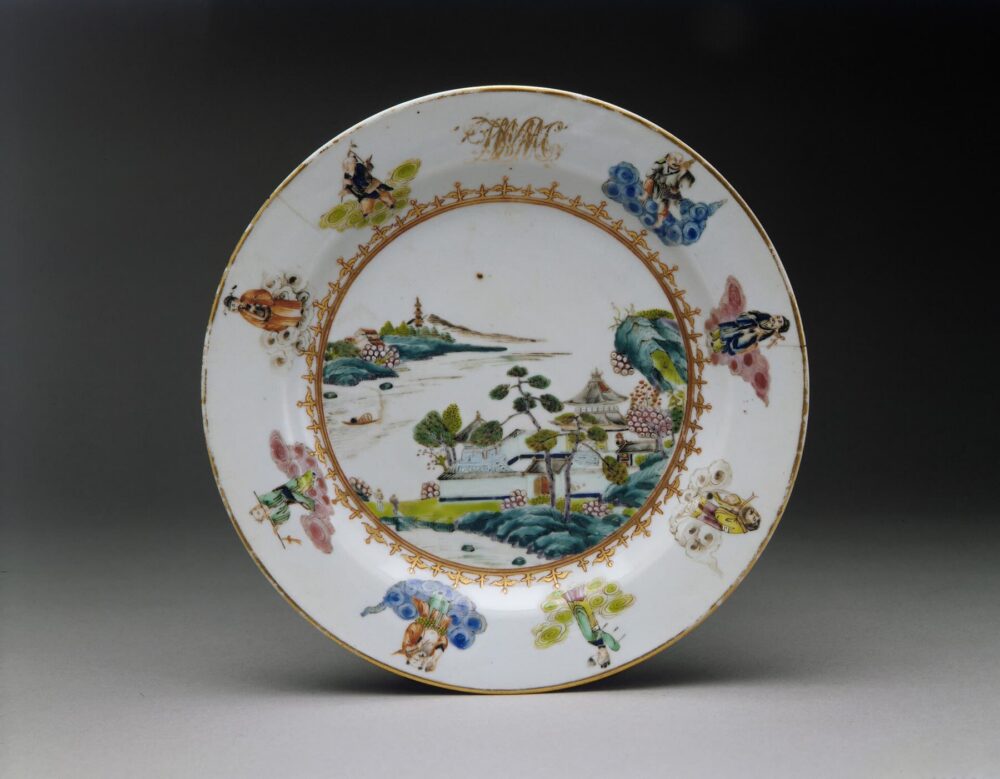
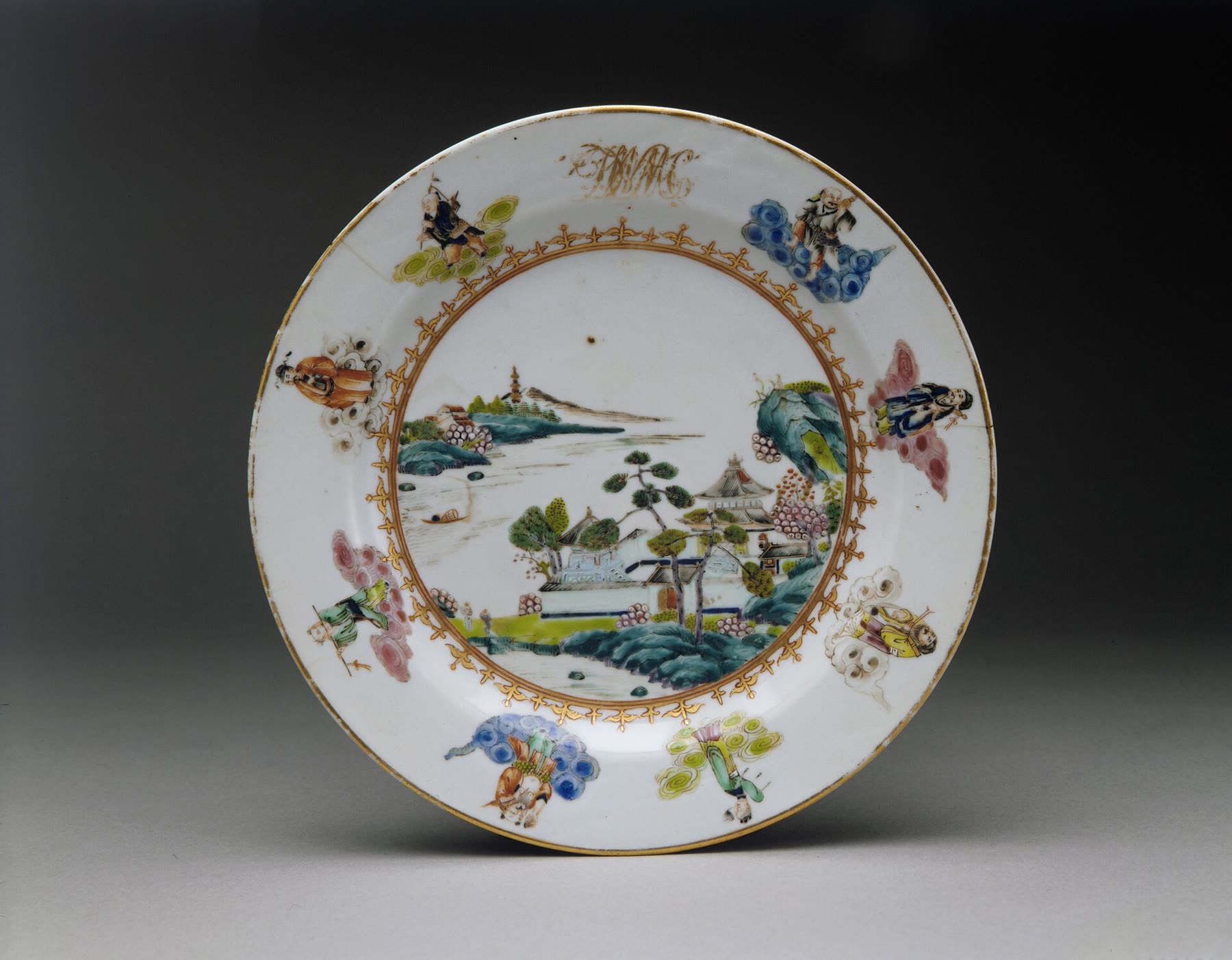
If you browse dinnerware at Target, you’ll see a mix of dinner plates, salad plates, dessert plates and more, but a formal “plates menu” actually includes about ten types. The everyday workhorse is the dinner plate (often around 10-11 inches), which holds your main course. Around it you’ll find smaller plates: salad, dessert, and bread‑and‑butter or “side” plates, plus specialized pieces like soup plates, charger/service plates, cheese plates, fish plates and fruit plates. You don’t need all of them at home, but understanding what each one does makes it much easier to build a set that matches how you really eat and host.
The Main Types of Plates and What They’re Actually Used For
Here’s how the classic plate categories translate into real‑world use in the U.S., with rough size ranges so you can match them to online specs.
- Dinner plate – This is the plate you use most. It typically serves the main course in both informal and formal meals. In many sets it runs about 10-11 inches in diameter (roughly 26-28 cm), large enough for a protein, sides and garnish.
- Salad plate – A medium plate often in the 7-8 inch range. It’s bigger than a bread plate but smaller than a dinner plate. In casual meals it doubles as a plate for sandwiches, small lunches or side salads.
- Dessert plate – Usually about 7.25-8.5 inches across. Traditionally used for dessert at banquets, but at home it’s the flexible small plate for snacks, appetizers or cake. Many craftspeople and brands treat this as a “luncheon plate” and decorate it more ornately.Source
- Bread-and-butter (side) plate – A small plate around 6 inches (about 15 cm). In a place setting it sits beside the forks and holds bread, rolls or a small side. In everyday life it’s the plate you reach for toast, cookies or a small piece of cake.Source
- Soup plate – Shaped like a shallow bowl with a wide rim. It’s designed for liquid foods like soup or stews; the wide, shallow design lets heat escape so the soup cools slightly as you eat. Formal versions are often shorter in height than informal, but online catalogs may group them under “bowls” rather than plates.Source
- Service/charger plate – The largest plate on a formal table, usually 11-14 inches. It’s a decorative underplate placed at each setting; food is normally served on the dinner or appetizer plate on top, not directly on the charger.Source Many rental sites, like One Stop Party Rentals, frame chargers as the “jewel” of a table setting.
- Cheese plate – A small specialized plate, often around 7 inches, sometimes decorated with cheese motifs. It’s used for both formal and informal cheese courses but is not essential to most dinnerware sets; you can use a dessert plate instead.Source
- Fish plate – Similar idea to the cheese plate, sometimes with fish decoration. It’s not a must‑have in a set. Appetizer fish can go on a salad or dessert plate; a fish main course typically goes on the dinner plate.Source
- Fruit plate – Specialized plates usually about 6.5-8 inches across, often with fruit patterns. They handle fresh fruit or small desserts at formal or informal meals. In practice, many households just use dessert plates for this role.Source
In an everyday U.S. kitchen, most people get plenty of mileage out of just three types: dinner plates, salad or dessert plates, and small side/bread plates. The other types matter if you host formal dinners, run a small catering or hospitality setup, or simply enjoy courses that deserve their own plate.
Materials, Sizes, and Styles: How to Choose Plates That Fit Your Table
When you start scrolling Target or a marketplace search result, you’re suddenly filtering by material, diameter and design. Those specs are where the real decision happens.
Target’s dinner plate catalog, for example, lets you filter by material (stoneware, porcelain, melamine, glass and more) and by style buckets like solid or irregular plates in its dinnerware category.Source Here’s how the main materials typically behave:
| Material | Typical feel & use | Pros (editorial) | Trade-offs (editorial) |
|---|---|---|---|
| Stoneware | Thicker ceramic, often with a slightly rustic look | Feels substantial; can be more chip-resistant than very thin porcelainSource | Heavier; can be bulky in small dishwashers |
| Porcelain | Thinner, smoother, often more refined appearance | Lighter in hand; good for dressy or modern tables | Can chip more easily at the edges if very thin |
| Melamine | Lightweight plastic often used for casual or outdoor dining | Won’t shatter easily; often appealing for kids and patios | Can scratch; often not described as oven-safe |
| Glass | Smooth, can be clear or patterned | Visually light; pairs well with many styles | Some glass can chip; shows smudges easily |
Diameter matters just as much. Many stoneware dinner plates sit around 10 inches; if you see 11-12 inches in a listing, check your cabinet depth and dishwasher rack to avoid banging doors or overloading the machine. For salad and dessert plates, 7-8 inches is the sweet spot for versatility.
On cross‑border marketplaces like DHgate, where seller catalogs vary widely, pay close attention to these listing details rather than assuming “dinner plate” means the same thing you’d get at a U.S. retailer. Make a quick pass for:
- Exact diameter (in inches or centimeters) and whether that matches the role you want: main course vs side vs dessert.
- Material description plus close‑up photos that show thickness and finish (glossy, matte, textured).
- Stack height and weight if you’re buying a large set for a small kitchen or for shipping across borders.
A compact, topic‑specific checklist for any online plate listing:
- Size & count – Is the plate diameter listed, and how many plates are in the set? Compare dinner vs salad vs dessert sizes so you’re not surprised by mini plates.
- Material claims – Does the material (stoneware, porcelain, melamine) match how you plan to use it—kids, outdoor, formal dinners? Heavier stoneware often feels more durable; thinner porcelain looks refined but needs gentler handling.Source
- Style category – Filters like Target’s “solid” or “irregular” are useful shortcuts. Decide if you want neutral plates that work with any table, or bold shapes and patterns that might clash with some foods or linens.Source
- Care notes – Look for basic care guidance: whether the plate is described as dishwasher‑ or microwave‑friendly in the listing text. If it’s missing, assume you’ll need to treat it gently.

Where to Buy Different Plate Types Online and How Marketplaces Differ
Most large platforms carry multiple plate types, but they organize them differently.
On Target, plates are broken into categories like dinner plates, irregular plates, solid dinner plates and themed groupings within its kitchen and dining section.Source That structure makes it easy to start with a material or style—say, solid stoneware dinner plates in a neutral color—and then add smaller salad or dessert plates from the same line. Target’s sets often list their piece mix clearly (for example, how many dinner vs salad plates).
On DHgate, you’re using a cross‑border marketplace made up of individual sellers.[Source](rag-snippet) You can search by keywords like “stoneware dinner plate 10 inch” or “porcelain salad plate,” then refine with whatever filters are available. The assortment of specific types like chargers, cheese plates or fish plates depends on which sellers are active at the time, so expect more variation than you’d see in a curated U.S. retail catalog.
A practical buying pattern many households use:
- Get your daily dinner plates and side plates from a retailer with clear filters and familiar brands (Target or a similar store).
- Add specialty pieces—chargers for formal dinners, patterned dessert plates, or bulk sets for events—from marketplaces where you’re comfortable doing extra listing checks, which may include DHgate or another cross‑border platform.
If you host formal multi‑course meals or run a small catering business, it can be worth stocking chargers and a few specialty salad or dessert plates to create that layered “plates menu” look. For typical family dinners, though, a solid mix of dinner plates plus medium and small side plates covers almost everything, no matter where you buy.