
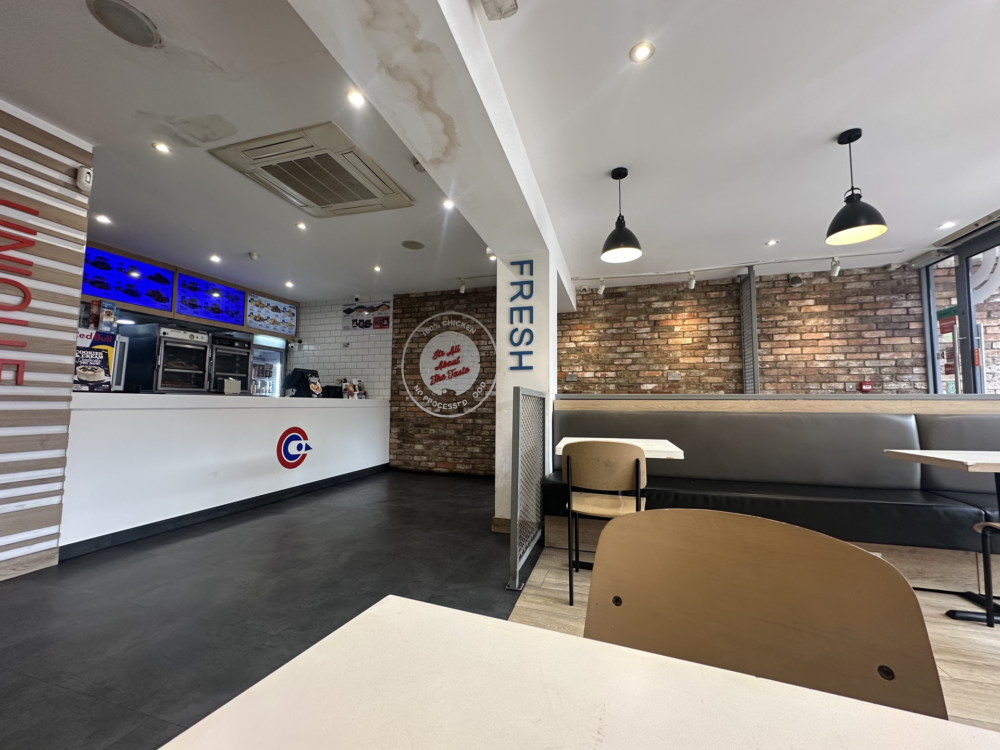
Pendant lighting is a specific kind of hanging light: a single bulb suspended from the ceiling by a rod, chain, or cord, usually with a shade around it. You can use that one focused light for task lighting over a desk, area lighting over a kitchen island or dining table, or general lighting if it’s centered in a room. If you’re updating a home or small business space and comparing hanging fixtures on marketplaces like DHgate, the key decision is whether this simple, single-bulb style gives you the look and coverage you need better than something bulkier like a chandelier.
Pendant lights are popular with home renovators, hotels, and real estate projects because they combine decoration and function. They take up no floor space, can be lined up in multiples, and can act as either your main light or a highlight over one surface. But not every hanging light is a pendant: chandeliers usually cluster several bulbs on an elaborate frame, while pendants stay minimal and typically only use one bulb per fixture.
What Pendant Lighting Is and How It Compares to Other Hanging Lights
A pendant light is usually one bulb hanging from the ceiling, held by a metal rod, chain, or cord, and often covered by a shade. That shade shapes the glow and reduces glare so the bulb isn’t harsh on your eyes.
By contrast, many other hanging lights are multi-bulb fixtures:
- Chandeliers generally have several bulbs and a decorative frame. They’re statement pieces and can feel formal.
- Pendant lights keep to one bulb per fixture, even when you install several in a row. That makes them more flexible: you can decide how many to hang and exactly where to put them.
For a typical US kitchen island, you might choose three simple pendants instead of one chandelier. Each pendant becomes a small, adjustable pool of light, and together they cover the whole countertop without a big fixture dominating your sightline.
Pendant Light Styles, Materials, and Real-World Buying Factors
Pendant lighting can serve three roles depending on how you place it and what shade you choose:
- Task lighting: focused light over a desk, workbench, or kitchen prep zone.
- Area lighting: highlighting a specific part of a room, like a reading corner or dining table.
- General lighting: one main fixture centered to light most of a room, porch, or verandah.
Most pendants use shades made from glass, metal, plastic, or paper. Each material changes the mood:
| Shade material | Typical feel | Better suited for |
|---|---|---|
| Glass | Bright, open, light spreads out | Rooms with natural light, kitchen islands, casual dining |
| Metal | Directional, more focused beam | Task zones, industrial or modern looks |
| Plastic | Versatile, can be diffuse or directional | Budget projects, kids’ rooms, rentals |
| Paper | Soft, warm, gentle glow | Cozy corners, lounge areas, non-damp spaces |
A simple way to decide: think about whether you want to see the bulb (more visual drama, more glare) or mostly see the glow (softer, more forgiving). Clear glass and open metal cages show the bulb; frosted glass, plastic diffusers, and paper shades hide it.
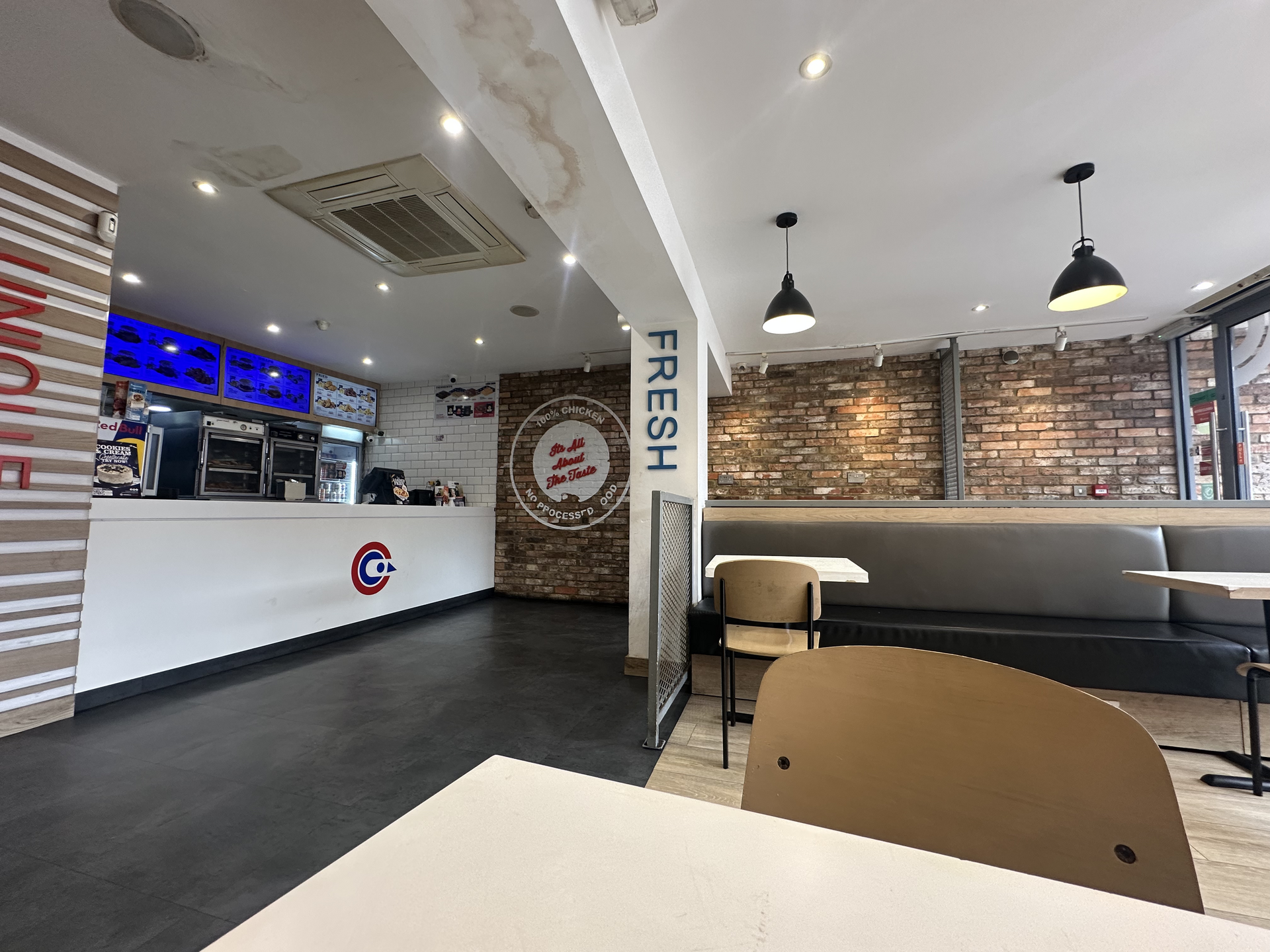
Sizing and placement for common US spaces
You don’t need a lighting textbook to get pendant sizing roughly right. Use these practical checks when you look at product dimensions online:
- Kitchen island: Keep the bottom of each pendant high enough that you can see across the island while standing. In product terms, look at the fixture height plus the drop length and choose designs that can be shortened if your ceiling is standard height.
- Dining table: A single pendant centered over the table works for smaller tables; for longer tables you might want two or three in a row. Shade diameter becomes important here—very wide shades can look crowded in multiples.
- Home office or small business counter: For task lighting, favor shades that direct light downward (metal or clear glass) rather than very diffuse paper shades that may feel dim on the work surface.
Because pendants only have one bulb, you may need several fixtures for bright general lighting in a large room. If you’re replacing a multi-bulb chandelier with pendants, you’ll likely install more than one or use brighter bulbs.
Mini checklist for judging pendant listings
When you’re scrolling through pendant lights on DHgate or any other marketplace, pause on these details before you add to cart:
- Material match: Does the listing clearly say glass, metal, plastic, or paper for the shade, and does that match the ambience you want?
- Shade openness: Are product photos showing the bulb exposed, half-covered, or fully diffused? Compare that to how much glare you’re comfortable with.
- Drop system: Check whether it hangs by a fixed rod or adjustable chain/cord. Chains and cords usually give you more flexibility for ceiling height.
- Use case fit: Think in terms of task, area, or general lighting. A narrow metal shade might be perfect for a bar counter but weak as the only light in a living room.
These specifics help you move beyond “looks nice” and into “works in my actual room.”
Finding Pendant Lights on DHgate and Other Marketplaces Safely
Pendant-style hanging lights are widely sold across big-box retailers, specialty lighting sites, and cross-border marketplaces like DHgate. On DHgate, you’ll find pendants described with terms such as “hanging light,” “drop light,” or “suspender.” As with any marketplace, you don’t get to see the fixture in person, so your job is to treat each listing like a spec sheet.
A practical way to compare DHgate against a store like the Lowes pendant lighting section is:
- Use the store site to sanity-check typical sizes and materials for the style you like.
- Then look at DHgate listings that claim similar styles and see whether their photos and written specs line up with what you’d expect.
For DHgate specifically, focus your risk checks on:
- Listing detail depth: Prefer pendants with clear measurements (shade width/height, cord length), material descriptions, and multiple photos from different angles.
- Seller history: Look at how long the seller has been active and whether they have a track record of selling lighting or home goods, not just random items.
- Photo vs. description consistency: If the text says “glass shade” but the close-up looks like thin plastic, treat that as a red flag and move on.
If a pendant listing on DHgate doesn’t give you enough information to decide whether it will provide task, area, or general lighting in your space, assume it’s a poor fit and keep searching. With hanging lights, the wrong size or shade type is hard to fix once it’s installed.
Policies, prices, and inventory on DHgate or any marketplace can change over time, so base your decision on what’s in the current listing rather than assumptions about the platform.
For buyers who want quick, in-person comparisons—especially for a primary living room light—a local store might be the better first step. Online marketplaces like DHgate become more useful when you’re comfortable reading specs, you know exactly whether you need task, area, or general lighting, and you’re shopping for a very specific style or multiple fixtures at aggressive prices.