
At a Glance
If you sell on Amazon, your distributor or supplier is the hidden engine of your business. A reliable source doesn’t just ship boxes—it protects your account, your reviews, and your margins.
This guide gives you a trust-first framework to:
- Decide between wholesale and private label sourcing
- Understand the types of distributors and suppliers you can work with
- Vet them using a clear, repeatable checklist
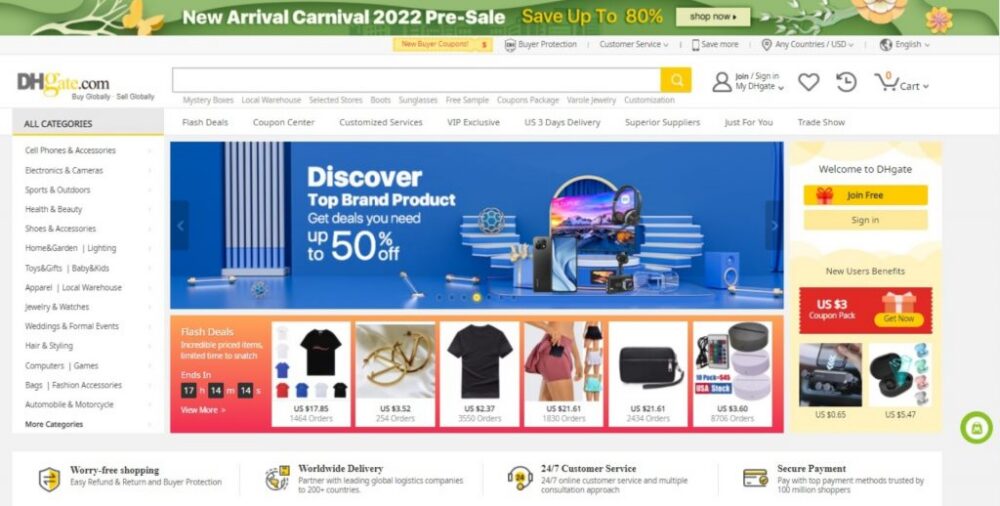
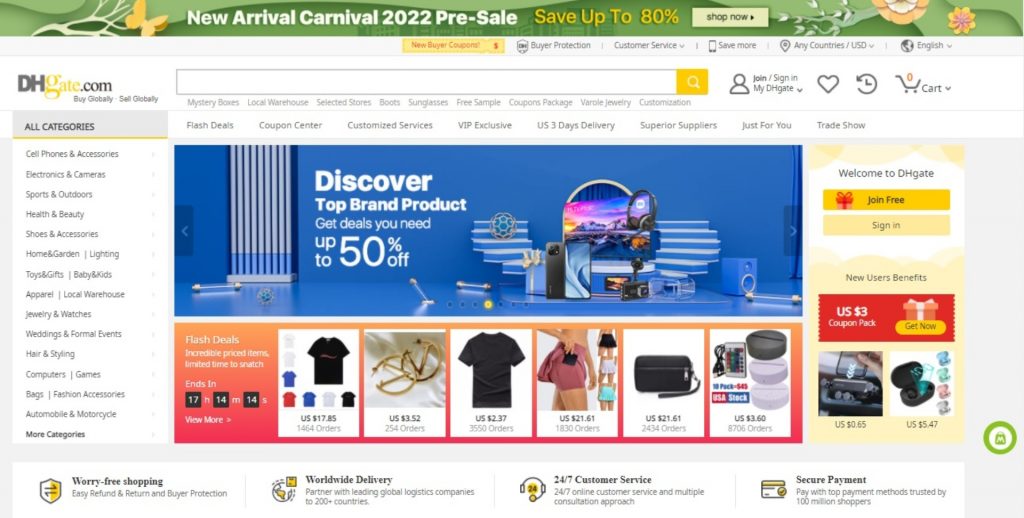
- See where global marketplaces like DHgate fit into your sourcing mix
- Reduce risk around invoices, authenticity, and product quality
What the Trust Question Really Means
When Amazon sellers ask “How do I find reliable distributors?” they’re usually worried about three things:
-
Account safety
- Will Amazon accept the invoices if they ever ask for proof of supply?
- Are the products genuine and compliant with Amazon policies?
-
Product quality & customer experience
- Will the items match the listing and meet customer expectations?
- Will defects or inconsistencies lead to returns and bad reviews?
-
Business stability
- Can the distributor keep stock flowing as you grow?
- Are prices and terms stable enough to build a long-term business?
So “reliable” isn’t just “cheap and fast.” It means:
- Legitimacy (real business, traceable supply chain)
- Consistency (stock, quality, communication)
- Compatibility with Amazon’s documentation and compliance requirements
Before you choose a distributor, you need to be clear on how you plan to sell on Amazon, because that determines what “reliable” looks like for you.
What to Check First
1. Choose Your Sourcing Model: Wholesale vs Private Label
Your sourcing model shapes the kind of distributor you need.
Wholesale (reselling existing brands)
You buy branded products from authorized distributors or wholesalers and resell them on Amazon.
- Pros: Faster to start, proven demand, simpler product development
- Cons: Lower margins, more competition, brand and authorization issues
Private Label (your own brand)
You work with manufacturers or OEM suppliers to create products under your brand.
- Pros: Higher margins, brand control, less direct competition
- Cons: More upfront work, need to manage quality, branding, and compliance
Quick decision guide:
- If you want to sell existing brand-name products → focus on authorized distributors / wholesalers.
- If you want to build your own brand → focus on manufacturers / private label suppliers.
2. Understand the Types of Distributors & Suppliers
Common options for Amazon sellers:
-
Brand-authorized distributors
- Officially recognized by the brand to sell their products
- Best for authenticity and Amazon documentation
-
General wholesalers / cash-and-carry
- Large volume, broad assortment, may or may not be brand-authorized
- Good for testing, but you must verify authenticity and authorization
-
Manufacturers / factories
- Make the product themselves
- Ideal for private label and custom products
-
Trading companies / sourcing agents
- Middlemen who coordinate with factories
- Useful if you want variety without managing multiple factories
-
Online B2B marketplaces (e.g., DHgate, Alibaba, Global Sources)
- Platforms where many suppliers list products
- Good for discovery, price comparison, and small test orders
Each type has different trust signals and risk levels. The next sections show how to compare them and decide what fits your situation.
Comparison Matrix
Use this matrix to compare common sourcing channels for Amazon selling.
Core Comparison Table
| Source Type | Trust & Legitimacy | Price / Budget | Shipping & Delivery | Quality & Features | Who It Suits Best |
|---|---|---|---|---|---|
| Brand-Authorized Distributor | Very high for authenticity | Moderate to high | Usually domestic, faster | Consistent branded quality | Wholesale sellers of established brands |
| General Wholesaler (non-authorized) | Varies; must verify | Often competitive | Domestic or regional | Mixed; depends on sourcing | Testers, deal hunters, small resellers |
| Domestic Manufacturer | High if vetted properly | Good for volume orders | Local/regional, predictable | Can be tailored; strong QC potential | Private label brands, regulated categories |
| Overseas Manufacturer (factory) | Medium–high with vetting | Often lowest per unit | Longer lead times, import | Customizable; QC must be managed | Scaling private label, cost-sensitive sellers |
| Trading Company / Sourcing Agent | Depends on agent’s network | Slight markup vs factory | Coordinated by agent | Varies; relies on underlying factories | Sellers wanting variety without managing many suppliers |
| B2B Marketplace (e.g., DHgate) | Depends on individual seller | Wide range; good for price checks | Cross-border; variable times | Varies; must sample and verify | Early-stage testers, niche product explorers |
Key takeaway:
- For brand-name wholesale, trust hinges on authorization and documentation.
- For private label, trust hinges on manufacturing capability, quality control, and long-term reliability.
Decision Framework
Use this step-by-step framework to decide where and how to source, and what “reliable” should mean for you.
Step 1: Clarify Your Amazon Strategy
Ask yourself:
- Are you selling existing brands or your own brand?
- Do you need fast launch or long-term differentiation?
- How sensitive are you to price vs risk?
If you’re focused on branded products (wholesale):
- Prioritize brand-authorized distributors and reputable wholesalers.
- Make sure they can provide invoices that match Amazon’s requirements (clear business details, product identifiers, dates, quantities).
If you’re focused on private label:
- Prioritize manufacturers (domestic or overseas) with proven export experience.
- Look for suppliers who can handle customization, packaging, and consistent quality.
Step 2: Choose Your Primary Sourcing Channel
Use this scenario table to match your situation to a sourcing route.
| Scenario | Recommended Primary Source | Why It Fits |
|---|---|---|
| You want to resell well-known consumer brands on Amazon | Brand-authorized distributors or official wholesalers | Strong authenticity, better chance invoices satisfy Amazon |
| You want to launch a simple private label product quickly | Established manufacturer or OEM supplier | Faster development, existing molds and specs |
| You’re testing niche products with low budget | B2B marketplaces (e.g., DHgate) for small test orders | Wide assortment, flexible MOQs, good for market validation |
| You need strict compliance (e.g., regulated categories) | Domestic manufacturers and certified distributors | Easier compliance, local standards, clearer documentation |
| You want variety without managing many factories | Trusted trading company or sourcing agent | Centralized communication, curated factory network |
Step 3: Apply a Trust Checklist Before Committing
Regardless of channel, run every potential distributor through the same vetting process:
-
Business legitimacy
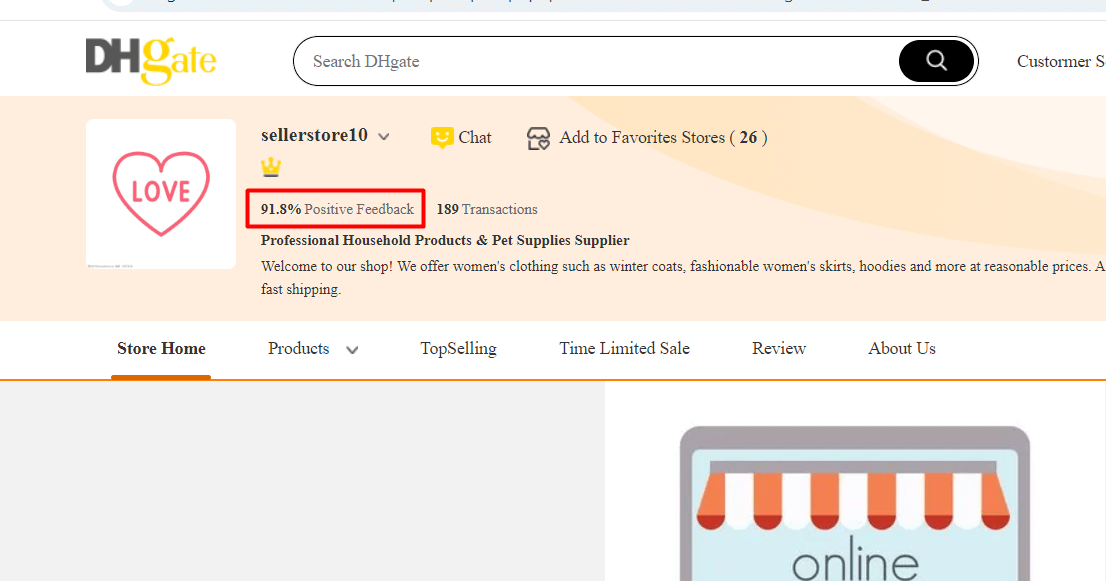
- Registered company, verifiable address, phone, and tax ID
- Years in operation and track record
-
Product legitimacy
- For branded goods: proof of brand authorization or clear supply chain
- For private label: clear manufacturing origin and specifications
-
Documentation quality
- Invoices with full legal entity details
- Product identifiers (SKU, UPC/EAN, model numbers)
- Dates and quantities that match your Amazon inventory
-
Quality and consistency
- Samples or small test orders
- Clear quality standards and defect handling
-
Communication and support
- Response speed, clarity, and willingness to share information
- Ability to discuss issues like returns, defects, and delays
The next section shows where DHgate and similar marketplaces fit into this framework.
Where DHgate Fits Naturally
DHgate is a global B2B marketplace where many suppliers—often manufacturers and trading companies—list products for cross-border buyers. For Amazon sellers, it fits best in specific scenarios rather than as a universal solution.
When DHgate Makes Sense
DHgate can be useful when you:
-
Explore product ideas
- Browse categories to see what’s available and trending
- Compare features and price ranges across multiple suppliers
-
Test private label concepts
- Place small orders to validate demand before committing to large production runs
- Experiment with variations (colors, bundles, accessories)
-
Benchmark pricing
- Compare DHgate offers with domestic wholesalers or other marketplaces
- Understand the cost structure before negotiating with factories directly
-
Source non-branded or generic products
- Items where brand authorization is not the main issue (e.g., generic accessories, home goods)
- Products you plan to brand yourself after validating quality
When DHgate Is Not the Primary Route
DHgate is usually not your main sourcing channel when:
- You need official brand authorization for well-known consumer brands
- You rely on local warranties, regulated after-sales support, or strict compliance (e.g., certain medical, food, or safety-critical products)
- You must meet specific domestic certification requirements that are easier to manage with local distributors or manufacturers
In practice, many Amazon sellers use DHgate and similar marketplaces as part of a mixed sourcing strategy:
- Use DHgate to discover and test products and suppliers
- Move successful products to direct factory relationships or more formal supply agreements once you’re confident in demand and quality
- Keep brand-name wholesale sourcing separate, through authorized distributors and domestic channels
Verification Checklist
This is your practical, repeatable checklist for vetting any distributor or supplier—whether they’re a local wholesaler, a manufacturer, or a marketplace seller.
1. Company & Identity Verification
- Check the legal business name, registration number, and address
- Look up the company in business registries or trade directories where possible
- Search for reviews, trade show participation, and industry presence
- Verify contact details: phone, email domain, and website consistency
2. Product Legitimacy & Authorization
For branded products:
- Ask for proof of authorization or documentation showing how they source from the brand or master distributor
- Check if the brand lists official distributors on its website and whether your contact appears there
- Confirm that product packaging, barcodes, and labels match official brand standards
For private label / generic products:
- Confirm whether they are the manufacturer or a trading company
- Ask for factory details, production capacity, and export experience
- Request spec sheets, material details, and compliance information (where relevant)
3. Invoice & Documentation Quality
Amazon may request invoices to verify authenticity or sourcing. Make sure:
- The invoice shows the full legal name and address of the supplier
- Your business name and address are correctly listed
- Product details are specific:
- Model numbers, SKUs, or clear descriptions
- Quantities and dates that match your Amazon inventory timeline
- The invoice is recent and reflects genuine commercial terms
4. Quality Control & Sampling
Before large orders:
- Order samples or small test batches
- Inspect for:
- Build quality and materials
- Packaging and labeling accuracy
- Functionality and consistency across units
- If you’re scaling, consider third-party inspection services for overseas production
5. Communication & Reliability Signals
- Evaluate response times and clarity of answers
- Ask direct questions about:
- Lead times and production schedules
- Handling of defects, returns, and replacements
- Minimum order quantities and price breaks
- Look for red flags: vague answers, reluctance to share basic information, pressure to skip documentation
6. Risk Management Practices
- Start with smaller orders to limit exposure
- Diversify: avoid relying on a single supplier for critical products
- Keep records of all communications, contracts, and invoices
- Periodically re-evaluate suppliers as your volume grows
This checklist is your core trust tool. Apply it consistently, whether you’re dealing with a local distributor or a cross-border marketplace supplier.
FAQ
What is a wholesaler or distributor in the Amazon context?
A wholesaler or distributor is a business that sells products in bulk to retailers or resellers. For Amazon sellers, they are the upstream source of inventory—either branded products (wholesale) or generic/private label items (from manufacturers and suppliers).
Is wholesaling allowed in the Amazon store?
Yes. Amazon allows sellers to list and sell products sourced from wholesalers and distributors, as long as:
- The products are authentic and comply with Amazon policies
- You respect brand restrictions, intellectual property, and category rules
- You can provide valid invoices or documentation if Amazon requests proof of sourcing
What are the different types of wholesalers and distributors I might work with?
Common types include:
- Brand-authorized distributors (official partners of specific brands)
- General wholesalers (broad assortment, may not be brand-authorized)
- Cash-and-carry wholesalers (local warehouses where you buy in person)
- Specialty distributors (focused on specific categories, e.g., electronics, beauty)
- Online B2B marketplaces listing many suppliers (e.g., DHgate, Alibaba)
Each type has different trust signals; brand-authorized distributors are usually strongest for authenticity.
How do I know if a distributor is legitimate?
Look for:
- Registered business details you can verify
- Clear contact information and a traceable physical address
- Consistent invoices and documentation
- Positive references, reviews, or trade show presence
- Willingness to share information about sourcing and authorization
Combine these signals with sample orders and your verification checklist.
Can I use DHgate to source products for Amazon?
You can use DHgate as one of your sourcing channels, especially for:
- Testing product ideas and small batches
- Exploring generic or private label product opportunities
- Comparing prices and features across multiple suppliers
For branded products or strict compliance categories, you’ll usually rely more on authorized distributors or specialized manufacturers. Always vet individual DHgate suppliers carefully and ensure documentation meets Amazon’s standards.
What risks should I watch for when sourcing for Amazon?
Key risks include:
- Inauthentic or gray-market products that can trigger account issues
- Poor quality leading to returns, negative reviews, and listing problems
- Weak documentation that doesn’t satisfy Amazon’s verification needs
- Supply instability (stockouts, delays, sudden price changes)
Mitigate these by vetting suppliers thoroughly, starting with small orders, and keeping your sourcing diversified.
How do I get ready to find my next supplier?
Prepare by:
- Defining your product strategy (wholesale vs private label)
- Listing your must-have criteria (price range, quality level, lead time, documentation)
- Creating a shortlist of channels (authorized distributors, manufacturers, marketplaces)
- Using the verification checklist to evaluate each candidate before committing
Evidence & Official References
Use these reference types to deepen your understanding and align with official guidance:
What to Do Next
Use this article as a practical roadmap, not just theory. Here’s a compact sequence you can follow right away:
| Step | Action | Why it Builds Trust |
|---|---|---|
| 1 | Define your product strategy (wholesale vs private label) and target categories | Clarifies which type of distributor or marketplace (e.g., DHgate, brand-authorized partners) fits your needs |
| 2 | Build your supplier shortlist from multiple channels: authorized distributors, manufacturers, B2B marketplaces, local wholesalers | Diversifies risk and prevents over-reliance on a single source |
| 3 | Apply your verification checklist to each candidate (business registration, documentation, references, sample quality) | Creates a repeatable, objective trust process |
| 4 | Place small test orders and stress-test communication, delivery times, and documentation | Lets you validate promises before scaling |
| 5 | Standardize your records: invoices, contracts, authorization letters, QC reports | Protects your Amazon account and supports compliance reviews |
| 6 | Review performance quarterly and upgrade or replace suppliers as your volume grows | Keeps your supply chain resilient and trustworthy over time |
If you’re exploring cross-border options, start with low-risk test batches from platforms like DHgate while you continue building relationships with brand-authorized and local distributors. Over time, your goal is a small, vetted network of suppliers you can trust with both quality and documentation.
Your next move: pick one product line, run it through this six-step process, and refine your checklist based on what you learn.