
The safest way to buy a life vest online is to start with three non‑negotiables: it should be U.S. Coast Guard–approved, matched to your main activity (like kayaking, jet skiing, or kids’ boating), and snug enough that it can’t slide over your nose when someone lifts it by the shoulders. Once you know your activity, size, and preferred style (foam vs inflatable), compare specific product labels, photos, and seller details across marketplaces such as DHgate and U.S. specialty retailers, instead of just chasing the lowest price.
Life vests 101: why type and fit matter for your safety
A life vest (or personal flotation device, PFD) is designed to keep you afloat and reduce your risk of drowning if you end up in the water unexpectedly. For U.S. recreational boating and paddling, safety groups and the U.S. Coast Guard recommend choosing a vest that’s approved by the Coast Guard, sized correctly for your body, and appropriate for your typical conditions and activity.
Different USCG life jacket types and performance levels are built for different use cases, from calm inland lakes to offshore, rough water. Guides from organizations like BoatUS and West Marine stress that you should match vest type to how and where you boat, not just grab any vest on sale. A badly fitting or mismatched vest can ride up around your face, restrict movement, or fail to keep you comfortably afloat long enough for rescue.
Kids and weak swimmers are especially vulnerable to poor fit. Safety campaigns highlighted by Safe Kids and the National Drowning Prevention Alliance emphasize checking the manufacturer label for the child’s weight range and verifying USCG approval as step one.
Matching vest types to your activity and body
You’ll see two big design families online: standard foam vests and inflatable vests.
Standard foam life jackets are the workhorses. They’re always “on” (no activation needed) and generally low‑maintenance. You don’t have to check CO₂ cartridges or worry about mechanisms before every trip, which is why they’re common on rental boats and family crafts. The tradeoff is bulk: foam can feel bigger around your chest and shoulders, which matters if you’re paddling hard or trying to cast a fishing rod all day.
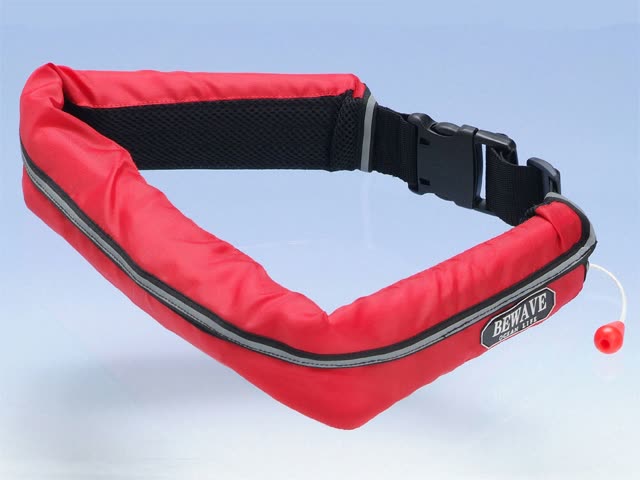
Inflatable vests are much lighter and less bulky when uninflated. Many resemble slim yokes or belt packs and give you almost full freedom of movement. But they only provide buoyancy after manual or automatic activation and, as West Marine’s how‑to guides note, they demand more maintenance and periodic cartridge replacement. They’re typically aimed at capable swimmers and adults who understand the activation system.
Common activity scenarios and good vest choices
Below is a practical mapping of vest styles and typical USCG type choices to popular activities. These are usage patterns, not legal rules, so always confirm requirements for your state or outfitter.
| Activity / user scenario | Typical vest style & USCG type (editorial guidance) | Key fit/feature priorities |
|---|---|---|
| Tubing, water skiing, jet skis | Foam Type III with wide arm openings | Snug fit, strong buckles, impact resistance |
| Kayaking & canoeing | Foam Type III paddling vest or low‑profile inflatable | Wide arm openings, thin or segmented back for sitting comfort |
| Recreational fishing | Foam Type III with pockets/gear loops | Room to cast, storage tabs, all‑day comfort |
| Whitewater rafting | High‑float foam vest often in Type III or specialized whitewater style | Very secure straps, high‑cut front to lean forward, durable smooth fabric |
| Stand‑up paddleboarding | Lightweight foam vest or inflatable belt pack (adult, able swimmer) | Maximum flexibility, minimal bulk, clear activation instructions |
| Kids on boats or docks | USCG‑approved child foam vest in correct weight range | Snug torso fit, crotch strap, bright color and reflective elements |
This lines up with activity‑specific advice in historic DHgate editorial and U.S. paddling safety materials, which highlight freedom of movement for kayakers, impact‑ready designs for personal watercraft, and highly secure, often heavier vests for whitewater.
Body shape matters too. Many adult vests are unisex, but frequent boaters may prefer gender‑specific designs that contour better around the torso, making a snug but comfortable fit easier to achieve. Broad‑chested paddlers often appreciate shorter, more compact vests that don’t dig into their thighs when seated.
Buying online: sizing, safety checks and DHgate vs alternatives
Online, you don’t get a dockside try‑on, so you have to make the sizing and label details do more of the work.
Quick sizing-and-fit workflow
- Use the label, then verify fit in person. USCG and child‑safety groups consistently recommend starting with the manufacturer’s label: check that the vest is USCG‑approved, and that your weight, chest size, and age group fall within the stated range. The USCG “Right Life Jacket” brochure stresses this as step one.
- Measure your chest before you order. Wrap a soft tape around the fullest part of your chest over the clothing layers you’re likely to wear (e.g., light rash guard vs. hoodie). Compare that number to the size chart, not just S/M/L letters.
- On arrival, do a strap test. Widely shared guidance from USCG materials and paddling retailers suggests this fit test:
- Loosen all straps and zippers.
- Put the vest on and tighten straps starting at the waist, then work up. Aim for snug but comfortable.
- Raise your arms above your head and ask someone to pull up on the shoulder tops.
- If the vest slides up and the front edge can pass your chin or nose, it’s too big or poorly tightened.
- Check range of motion. Mimic your activity: paddle with an imaginary kayak blade, cast an imaginary rod, or twist as if you’re on a PWC. Any pinching or chafing now will be worse on the water.
Safety and feature checks on any marketplace
When you’re scanning product pages — whether on DHgate or a U.S. specialty site — look for:
- Explicit USCG approval wording and label photos. For U.S. use, favor vests that clearly state “U.S. Coast Guard approved” and show the actual label in photos. Lack of clear labeling is a red flag if you need the vest for boating where enforcement is common.
- Stated type or performance level. Many retailers, including West Marine’s life jacket guides, explain how Type III jackets are widely used for watersports and paddling. Matching your typical conditions (inland lake vs. offshore) to the listed type helps avoid buying a vest that’s overbuilt or underbuilt for your environment.
- Bright colors and reflectivity. Historic DHgate editorial and drowning‑prevention groups highlight visibility: high‑visibility colors and reflective tape help rescuers spot you in low light.
- Closure and strap design. For high‑impact sports and kids, prioritize multiple buckles or a zipper‑plus‑buckle combo, along with a crotch strap for child vests so they can’t slip over a child’s head.
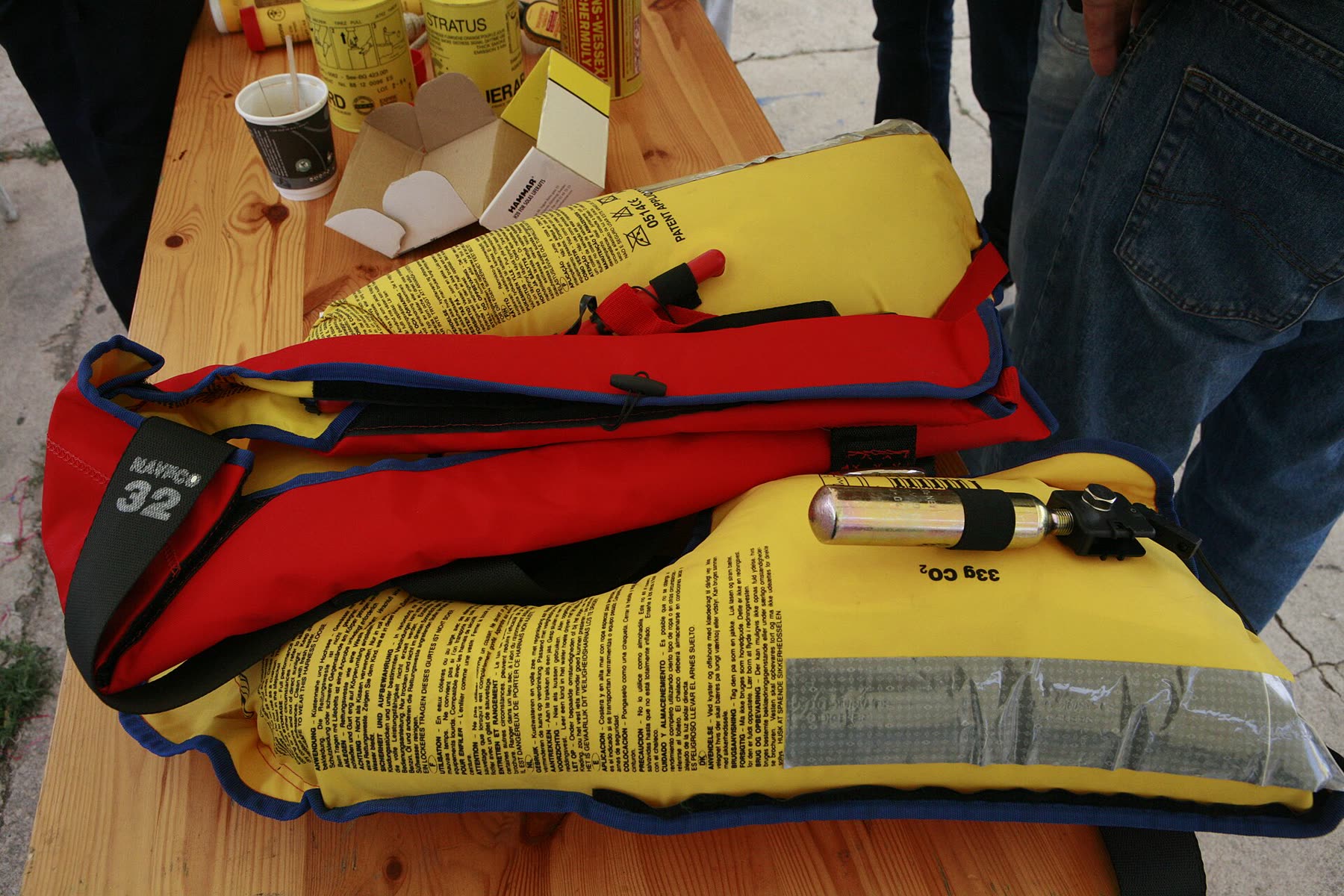
- Inflatable maintenance details (if applicable). For inflatable models, the listing should specify whether it’s manual or automatic, what type of CO₂ cartridge it uses, and how often to inspect or replace components.
DHgate vs U.S. specialty retailers: how to decide
DHgate functions as a global marketplace with many independent sellers. You’ll typically see attractive pricing and a wide variety of generic and branded‑style vests, including foam and inflatable designs. That can be useful if you:
- want budget‑friendly adult foam vests for occasional use,
- are comfortable evaluating listings yourself for safety wording and build quality,
- don’t need brand‑specific technology or a precise performance level.
U.S. specialty retailers — such as those producing the guides referenced above — often focus on recognizable brands, clearly documented USCG types and buoyancy ratings, and staff or documentation that tie specific models to activities like offshore sailing, whitewater, or SUP. They may be the better fit if you:
- need a kid’s vest that aligns with U.S. child‑safety expectations,
- want advanced inflatable tech from a known manufacturer,
- prefer clear, activity‑specific recommendations and in‑store fitting support.
On DHgate specifically, treat each life vest listing as its own mini‑research project:
- Compare the description against USCG and safety‑group guidance: does it name a USCG type, show the approval label, and list weight/size ranges?
- Use photos to inspect stitching, buckles, and strap layout; look for multiple, adjustable points rather than a single thin belt.
- Read buyer reviews for comments about real‑world fit and perceived quality, not just star ratings.
If a DHgate listing doesn’t clearly state USCG approval or type and you need the vest for regulated boating, it may be safer to buy from a U.S. specialty retailer instead. For casual pool or non‑boating use where regulation isn’t a concern, a well‑built, non‑approved vest can still offer some flotation, but it should never replace close supervision or appropriate swimming skills.
In practice, many U.S. buyers end up mixing sources: DHgate for inexpensive backup or occasional‑use vests, and domestic specialty outlets for primary vests for children, whitewater, or serious offshore trips. Use the safety criteria above to decide which purchases you’re comfortable making in each channel.