
If you want affordable 1‑quart paint and you’re wondering whether DHgate can match the speed of a local Canadian hardware store, the key difference is that DHgate is a cross‑border marketplace with no local pickup and typically slower international shipping. This guide explains how paint listings, payment, shipping, customs, tracking, and buyer protection work on DHgate so you can decide whether the lower prices and extra options are worth the added time and uncertainty for your project.
How DHgate fits (and doesn’t fit) your search for fast, affordable 1‑quart paint
If you’re used to grabbing a 1‑quart can of paint from a local hardware store in Canada and having it in your hands the same day, DHgate works very differently. DHgate is a cross‑border online marketplace that connects you to independent sellers, most of them based overseas, rather than a single domestic retailer with physical stores.
Because of that structure, DHgate does not run local stores in Canada and cannot offer true in‑store pickup, even if some listings use pickup‑style language. For a Canadian buyer, any DHgate paint order is effectively an international shipment, with delivery measured in days or weeks instead of hours.
Where DHgate can help is on price and variety: you may find lower per‑unit costs or niche paint options that are harder to source locally. The trade‑off is slower, more complex shipping and more uncertainty around timing and condition when the paint arrives.
The rest of this guide stays focused on that trade‑off for 1‑quart and other small‑volume paint purchases. It will walk through how DHgate paint listings are structured, how payment and buyer protection work, what to expect from shipping and customs, and how to handle delays or damage so you can decide whether the savings are worth the wait for your specific project timeline.
How DHgate paint listings work and how to confirm you’re really buying a 1‑quart quantity
On DHgate, every paint listing belongs to an individual seller who writes the title, uploads images, and fills in the description and specification fields. DHgate provides the marketplace framework, but it’s the seller who decides how to describe the product, including the volume, packaging, and any size or pack variants.
That means you cannot assume a standard 1‑quart can just because you see a familiar image or a general paint description. Volumes might be listed in metric units like millilitres (mL) or litres (L), in kilograms for heavier coatings, or as multi‑can bundles. Some photos are illustrative and may not show the exact container you’ll receive, so the written details are your primary evidence of what you’re actually buying.
Understanding this seller‑controlled structure is essential before you rely on DHgate for a small project: you need to read each listing carefully, check the stated volume and units, and understand whether the price covers one can, a set, or a concentrated formula, so you don’t accidentally order a sample size when you really need around a quart.
- Use volume as your anchor: 1 quart is roughly 0.95 L, so a listing that clearly states 1 L of paint is close to a quart, while smaller volumes like 250–500 mL are far below what you’d get in a typical 1‑quart can.
- Check the product title and specification fields for explicit volume and units (for example, mL, L, or kg) rather than assuming size from the photo or a generic description.
- Open the variant or option menus and confirm which size or pack count you have selected, since switching variants can change the volume per container or the number of cans included in the price.
- Scan the listing photos for clues such as the container’s label, stated capacity, or relative size, but treat images as supporting evidence only, not your sole basis for judging volume.
- Read the description carefully to see whether the price is for a single can, a multi‑can set, or a concentrated product that must be diluted, so you understand how much usable paint you’ll actually receive.
- If any detail about volume, number of cans, or packaging is unclear, message the seller through DHgate and wait for a clear, written reply before placing your order; if the seller cannot clarify, treat that as a signal to look for a better documented listing.
Step‑by‑step: How to search, compare, and vet DHgate paint offers
- Start your search with specific, paint‑relevant keywords that include type and approximate volume, such as “acrylic wall paint 1L” or “spray paint 400ml,” and apply any available filters for destination, price range, or shipping method.
- Scan the search results for listings whose titles, thumbnails, and brief specs suggest the right kind of paint and a near‑quart volume, then bookmark or shortlist a small set of promising options instead of deciding from the first page alone.
- Evaluate each shortlisted seller by checking overall rating, how many orders they’ve completed, and the recency and content of reviews—paying extra attention to comments about packaging quality, leaks, dents, color accuracy, and shipping speed.
- Open the listings that pass this first trust check and read the product details carefully: confirm the stated volume and units, color, finish, intended surface (e.g., wall, metal, fabric), and look for photos of the actual can and label rather than only stylized images.
- Compare total cost and timing for each candidate, including item price, shipping fees, estimated delivery window, and any mention of duty or tax so you have a realistic sense of what the paint will cost you and how long it may take to arrive in Canada.
- Message the seller through DHgate when important points are unclear—such as exact volume per can, suitability for your surface, or how quickly they usually dispatch orders—and use the clarity of their reply to confirm or drop that listing from your shortlist.
How ordering and payment work for a DHgate paint purchase
Once you’ve chosen a paint listing, the DHgate checkout flow is fairly standard: you add the item to your cart, confirm your shipping address, choose the available shipping method, and then complete payment through DHgate’s own checkout using commonly supported options such as bank cards or major digital payment services, depending on what’s available in your region.
Instead of paying the seller directly, you pay DHgate as an intermediary. In most cases DHgate holds the funds while the order is processed and shipped, and only releases payment to the seller after you confirm receipt or after a protection period passes without a dispute being opened.
This escrow‑like structure is designed to give buyers some leverage if an order is not received or is clearly not as described. It does not guarantee a particular outcome in every case, but it means your money is not automatically handed over the moment you place the order.
Shipping speed and delivery trade‑offs when ordering paint on DHgate
For most Canadian buyers, paint ordered through DHgate will travel internationally, often from warehouses in Asia. That adds distance, hand‑offs, and customs steps compared with a domestic hardware store order, so the logistics are inherently slower and more variable.
DHgate listings usually show an estimated delivery window both on the product page and again during checkout. Treat these ranges as indicative, not as guaranteed arrival dates: they reflect typical transit times under normal conditions, but can stretch if there are carrier delays, busy seasons, or extra checks on the shipment.
In practice, you should plan for DHgate paint deliveries to take many days to several weeks, rather than the overnight or same‑day timing you might expect from local pickup. That slower baseline is the trade‑off for potentially lower prices or access to more niche products.
- Cheaper, slower shipping: lower upfront shipping cost, but transit can be long and unpredictable, with fewer tracking updates and more sensitivity to delays. For time‑critical paint projects, this variability can easily push you past your planned start date.
- Faster, more expensive options: higher shipping fees, generally shorter and better‑tracked journeys, but still no absolute guarantee—especially for heavier or regulated liquids like paint that may face extra handling or checks.
- Align shipping choice with project urgency: if your timeline is flexible and you mainly care about price, economy methods can make sense; if a delay would derail a scheduled job, paying more for the fastest available option—or choosing a local source instead—is usually the safer move.
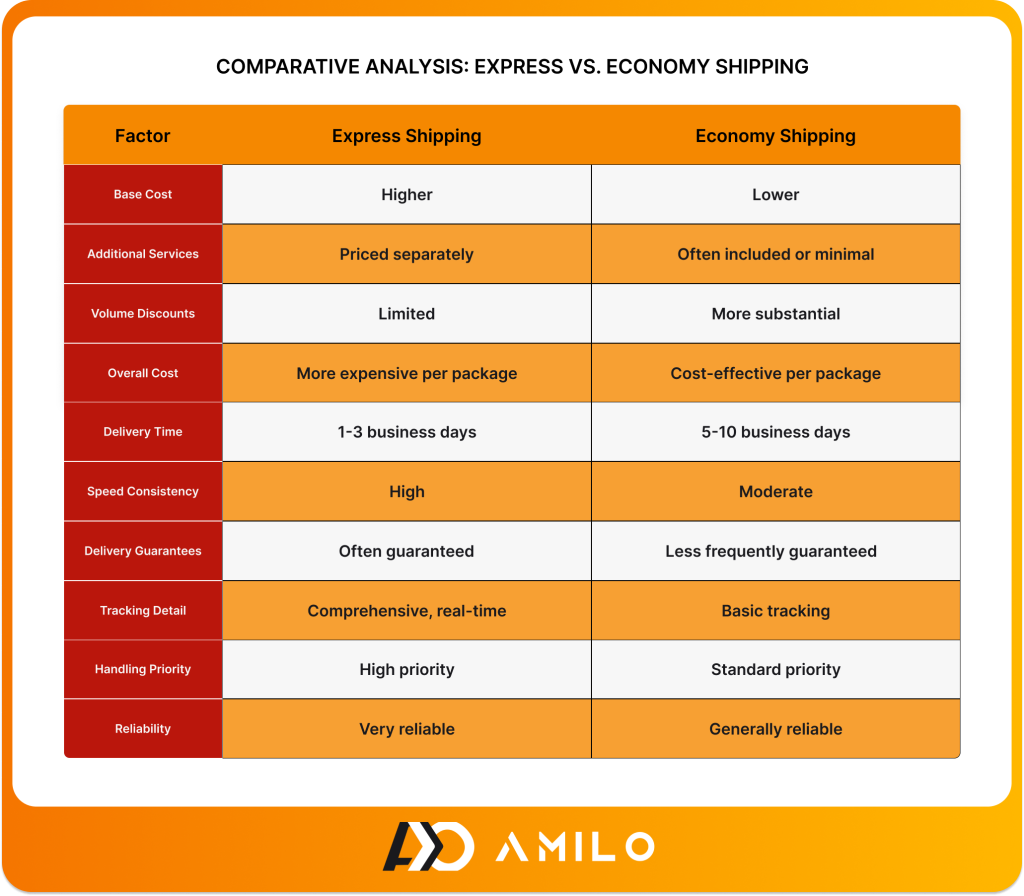
The diagram contrasts an economy shipping path—with longer transit segments, fewer scans, and a wider delivery window—against an express path that has more frequent tracking updates and a shorter, but still not guaranteed, timeline for getting paint from overseas to Canada.
Key risks of buying 1‑quart paint through a cross‑border marketplace
Tracking your DHgate paint shipment and what to do if it seems stuck
Once your DHgate paint order shows as shipped, you’ll usually see tracking information inside the order details page in your DHgate account. The seller or platform may also send notifications when a tracking number is added or the status changes, and many international shipments include a separate carrier tracking link or code you can use on the postal or courier website.
DHgate’s own status labels tend to be broad—phrases like “shipped,” “in transit,” or “delivered”—while the carrier’s tracking page shows more granular scan events, such as departure and arrival at sorting centers or customs facilities. It’s normal for international shipments to sit in the same status for several days, or to show brief gaps in scans while the parcel moves between countries or through customs, before the next update appears.
- First, copy the tracking number exactly as shown in your DHgate order and paste it into the carrier’s official tracking page to see whether there are more detailed scans or location updates than the summarized status on DHgate.
- If the status has not changed for a while beyond the estimated pattern for international shipping, send a polite message to the seller through DHgate asking them to confirm that the package is still moving and to share any updated information from the carrier.
- Keep an eye on the order’s buyer‑protection deadline and estimated delivery window shown in DHgate so you know the latest date by which you should consider opening a dispute if there is no progress or the paint fails to arrive.
- If you chose a very low‑cost shipping method, expect that tracking may be limited or less frequent; in that case, proactive monitoring of dates and timely communication with the seller become more important than relying on detailed scan history.
Customs, import fees, and how they can affect DHgate paint deliveries to Canada
Because most DHgate paint orders to Canada cross international borders, they may be inspected by customs and can be charged import taxes, duties, or handling fees depending on the shipment’s value and how the contents are classified. These checks and charges are managed by Canadian authorities and can add both time and cost beyond the price and shipping shown on the listing.
Paints, coatings, and other chemical products often receive closer scrutiny than ordinary consumer goods, and some shipments may require extra documentation or safety information before they are released, which can extend delivery times. The exact rules, thresholds, and amounts depend on Canadian law and the specific product being imported, and this guide cannot interpret or quantify them for your situation.
If you plan to order larger quantities of paint or specialized coatings, it is wise to review official Canadian government or postal resources for up‑to‑date information on importing paints, liquids, or chemicals so you understand any potential duties, taxes, or restrictions before you place a DHgate order.
Using DHgate buyer protection if your paint is late, damaged, or not as described
When a DHgate paint order is late, seriously damaged, or clearly not what you bought, you don’t have to rely only on private messages with the seller. Within the buyer‑protection period shown on your order, you can open a dispute through DHgate for non‑receipt, significant damage, or items that are plainly not as described—such as the wrong color, a different product type, or a noticeably smaller volume than advertised.
For paint, common dispute scenarios include leaking cans, severe dents that make the container unsafe or unusable, missing units from a multi‑pack, or a shipment that arrives in a color or finish very different from the listing photos and description. The stronger and more specific your evidence, the easier it is for DHgate to understand what went wrong.
As soon as you spot a problem, document it before you throw anything away: take clear photos of the outer box, shipping labels, internal packaging, and the paint containers themselves. Capture close‑ups of leaks, dents, or incorrect labels, and save screenshots of the listing title, specifications, and any seller promises on volume, color, or pack size. This creates a record that supports your side if the situation escalates.
You then submit a dispute through the order page on DHgate, selecting the issue type and briefly explaining what happened. In that form you can propose outcomes such as a full refund, a partial refund to reflect damage or missing units, or a replacement shipment. The seller can respond inside the DHgate system, and you should reply to their messages there so all communication stays within the platform’s record.
Keep a close eye on the buyer‑protection countdown in your order details. If the paint has not arrived, or negotiations with the seller are going nowhere, open a dispute before that deadline passes; waiting too long can limit your options. Once the dispute is active, continue responding promptly and provide any extra evidence DHgate or the seller requests.
DHgate’s buyer protection is a structured process, not a guarantee. Clear, timely documentation and realistic expectations improve your chances of a fair outcome, but decisions depend on the facts of the case and platform rules, and not every dispute will be resolved entirely in the buyer’s favor.
When DHgate is a good place to buy 1‑quart paint—and when you’re better off staying local
- DHgate makes sense when your project timeline is flexible and you can tolerate delivery in days or weeks rather than hours.
- It also makes sense if you’re curious about niche, experimental, or non‑urgent paint options and are primarily motivated by price and variety, not speed.
- The fit is better if you’re comfortable relying on detailed listings, seller ratings, and reviews, and willing to use buyer protection and disputes if something goes wrong.
- Choose it only with well‑reviewed sellers that clearly state volume, color, finish, and shipping methods, and be prepared to monitor tracking and customs.
- A local source is the safer choice when you have a hard project deadline and need paint in hand quickly for a scheduled job or event.
- Choose locally when you must match existing colors very precisely—for example, touching up a wall or trim where a noticeable mismatch would be unacceptable.
- Local products are preferable for spaces with higher safety or odor sensitivity, such as nurseries, schools, or small unventilated rooms, when you need full confidence in labeling and standards.
- A local purchase is also the better fit if you have low tolerance for customs checks, tracking gaps, possible extra fees, or the effort of opening and managing disputes if the order goes wrong.
- Overall, DHgate fits non‑urgent, price‑sensitive, or exploratory paint purchases where some delay and uncertainty are acceptable, while local sources generally make more sense for time‑critical or high‑certainty projects.
DHgate paint orders: quick answers to edge‑case questions
Can DHgate ever provide local pickup in Canada for paint orders?
DHgate itself does not run physical stores or pickup points in Canada, so you should assume paint orders are shipped, not collected in person. If a listing mentions pickup-style options, treat them cautiously: ask the seller through DHgate’s messaging to explain exactly what they mean, where the item would be collected, and whether it is genuinely available to you. If the seller cannot give clear, specific information, it is safer to rely on normal shipping or choose a different listing.
What should I do if only part of my paint order arrives, or a multi-pack is missing a can?
As soon as you notice that items are missing, keep all packaging and document the situation with clear photos of the outer box, labels, internal packing, and the cans you did receive. Then contact the seller through the DHgate order page, explain which units are missing, and share your photos. If the seller does not resolve the issue promptly, open a dispute before the buyer-protection deadline using those images and a short explanation so DHgate can review the case.
What if the paint’s labeling looks incomplete or the odor seems unusually strong?
If the product appears counterfeit, poorly labeled compared with the listing, or not as described, you can raise a dispute on DHgate and provide photos of the label, container, and any differences from the seller’s description. However, DHgate’s tools focus on transaction issues, not health guidance. For safety concerns—such as very strong odor, unclear ingredients, or missing safety warnings—rely on local safety regulations and official advice, and if you are unsure, do not use the paint. This guide cannot offer medical or toxicity advice.
How should I balance DHgate’s dispute tools with my own caution in edge cases like these?
DHgate’s systems are designed around objective problems such as non-delivery, damage, and clear misdescription, and they generally work best when you provide concrete evidence and act before deadlines. In edge cases involving partial deliveries or safety worries, use those tools to document and challenge the transaction, but make your own decision about whether to use or discard the paint based on local safety guidance and your comfort level, even if a formal dispute outcome is uncertain.