
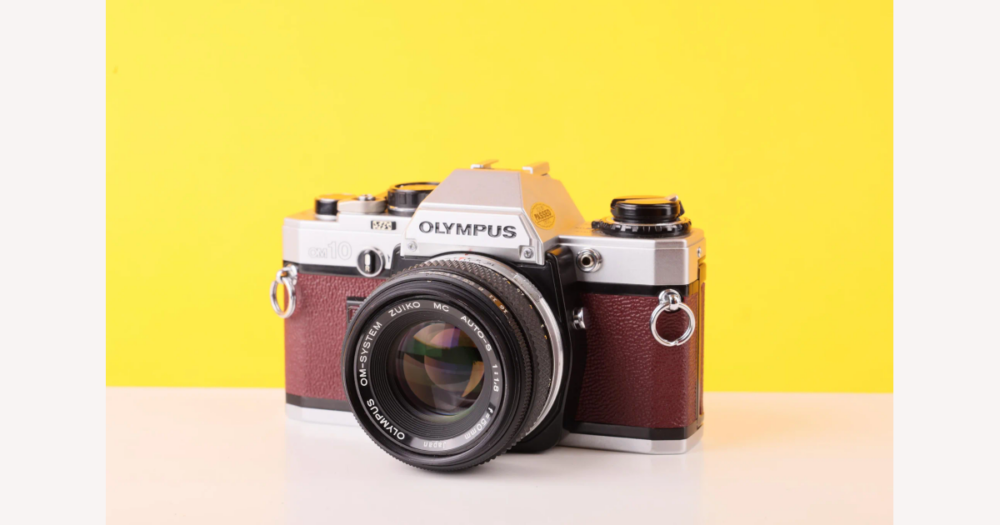
Buying a 1970s vintage or retro camera on DHgate means trusting a cross‑border marketplace that sits between you and merchant‑style sellers, rather than the peer‑to‑peer feel of many eBay or Etsy deals. That difference matters: your safest moves are to treat DHgate’s visible signals—seller metrics, listing detail, and platform‑handled payment and dispute tools—as the main way to judge whether a camera is likely to match its description and whether you’ll have meaningful recourse if it doesn’t.
How DHgate differs from eBay and Etsy for vintage 1970s cameras
When you move from eBay or Etsy to DHgate for a 1970s vintage or retro camera, the biggest shift is who you’re actually dealing with and how the money flows. DHgate is a cross‑border marketplace where you usually buy from merchant‑style sellers, often businesses shipping internationally, and the transaction runs through DHgate’s systems. Instead of you paying an individual directly, the platform processes and holds the payment in an escrow‑like way until certain order steps are completed, and it records the whole interaction between you and the seller.
On eBay and Etsy, many vintage cameras are sold peer‑to‑peer or by very small shops, and the feel of the transaction is closer to dealing with a single person: money tends to move more directly between buyer and seller, and any problem resolution can depend heavily on that individual’s approach plus the site’s policies. DHgate’s structure is different. Because the platform sits between you and the seller, manages payment, and hosts the messaging and order records, the practical way to manage risk is less about chasing a one‑off bargain and more about using DHgate‑specific signals—seller ratings and history, how clearly the listing distinguishes true vintage from replicas, and what the platform’s buyer protections allow—before you commit to a 1970s camera that might be hard to return if it’s not as described.
How to read DHgate seller ratings and feedback for camera purchases
On DHgate, the seller profile is your first shortcut to judging whether a 1970s camera listing is worth trusting. Look at the overall rating or score, the number of completed orders, and any signs that the seller has been active for a while rather than brand‑new. For a fragile item like a camera, I would give more weight to sellers with a solid rating backed by a decent volume of reviews that mention real details—product quality, how well items were packed, and whether shipping times matched expectations.
Thin or low‑quality feedback is a reason to slow down. If most reviews are very old, extremely generic, or feel copy‑pasted, you have less insight into how this seller treats buyers now, and I’d lean toward another listing with clearer buyer remarks. It also helps to send one or two polite questions about the camera’s condition or whether it’s truly vintage: how quickly and clearly the seller replies is a trust signal in itself. None of these metrics can guarantee a perfect outcome, but taken together—with the listing detail and DHgate’s platform protections in mind—they reduce the chance that you’ll be surprised by a misdescribed or poorly handled 1970s camera order.
Reading listing details and photos: vintage vs retro-styled cameras
After a DHgate seller passes an initial trust check, the listing itself has to prove that the camera is what you think you’re buying. Start by checking how the item is labeled: used, refurbished, or new retro-style. For any claimed vintage 1970s camera, look for clear statements about basic functions—whether the shutter fires, the film advances smoothly, and any meters or electronics power on and give plausible readings. If the listing only calls it “retro” or “fashion camera” without saying how it actually works, treat that as a sign you may be looking at a decorative or modern replica rather than a collectible film body.
Pay special attention to lens condition, because that has more impact on real-world use than scuffs on the body. Useful descriptions mention scratches, cleaning marks, haze, fungus, or separation, and ideally say whether the lens is usable as-is or needs service. Minor brassing or worn leatherette on the camera body is normal for older gear and less worrying than cloudy glass or fungus. The description should also tell you what comes in the box—lens caps, straps, case, batteries, or any manual—so you’re not surprised by missing essentials when the parcel arrives.
The photos are your main way to verify those claims. Strong listings show the actual item from multiple angles: front, back, top, and bottom, plus close-ups of the lens, viewfinder area, and controls. You should be able to see real wear, not just flattering, studio-style shots. Stock-like images, heavy filters, or a single distant photo make it much harder to judge condition and can hide scratches or dents. For a camera you want to use or collect, I would favour listings that look a bit honest and unpolished over ones that feel more like generic ad photos.
Wording is another clue to whether you’re looking at true vintage or a modern retro design. Phrases such as “vintage style” or “retro fashion camera” paired with minimal condition notes, no mention of film type, and no model name often point to a new product with a nostalgic look. In contrast, a listing that clearly names the model, roughly dates the era, and uses some form of condition grade or description (for example, noting specific cosmetic flaws and operational checks) is more likely to be a real 1970s or 1970s-inspired film camera.
Because you can’t handle the camera yourself, I would lean toward listings that combine explicit model and era information with honest, close-up photos of wear and the lens. If crucial details are missing—no clear lens close-up, no view of the shutter speed or aperture controls, or no explanation of whether it uses film at all—send the seller specific questions through DHgate or move on to a better-documented listing. Passing on an under-described camera is often safer than gambling on vague photos, especially when cross-border returns are slow and uncertain.
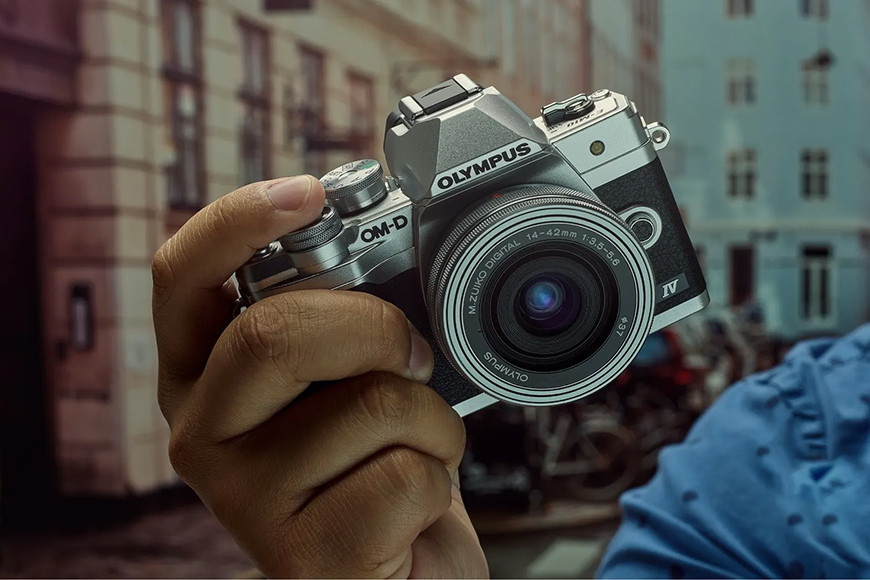
A polished product shot of a retro-style camera highlights how stock-like images can look appealing but reveal little about real wear or lens condition, compared with the multiple, close-up photos you’d want to see for a truly vintage 1970s camera.
A practical pre-purchase checklist for DHgate vintage-style cameras
- Check the seller’s overall rating, order volume, and review content for signs of consistent, reliable service, especially mentions of how well items were packed and whether deliveries matched expectations.
- Read the full product description and specifications for clear statements about condition and functionality, and about whether the camera is genuinely vintage or simply retro-styled.
- Inspect all available photos, looking for actual-item images that show the lens, controls, and visible wear from multiple angles rather than only polished or stock-like pictures.
- Message the seller with specific questions about condition or authenticity if anything is unclear, and notice how promptly and clearly they respond before you commit.
- Review shipping options, estimated delivery times, and any packaging notes to decide whether they seem adequate for a fragile camera travelling cross-border.
- If a listing fails several of these checks—thin description, vague photos, weak reviews—I would either skip it or treat it as a higher-risk purchase, and only proceed if you consciously accept that extra uncertainty in exchange for price or rarity.
Understanding DHgate’s order and payment flow
On DHgate, buying a vintage‑style camera generally means placing the order through the platform, paying with one of DHgate’s supported methods, and waiting for the seller to ship after the order is confirmed. The payment is processed and recorded inside DHgate’s system, which keeps a clear trail of who paid what, for which item, and when.
For a cautious purchase, the practical rule is simple: keep everything inside that official flow. Pay only through DHgate’s own checkout, and decline any suggestion from a seller to send money directly by bank transfer, external wallet, or any off‑platform arrangement. Once you move the payment outside DHgate, it may no longer be tied to the platform’s buyer protections, and it becomes much harder to prove what you agreed to if something goes wrong.
Using DHgate’s handled payments doesn’t guarantee a perfect outcome, but it does mean the transaction is visible to the platform if your camera arrives in worse condition than described. Because the order, payment, and messages are all recorded in one place, DHgate has more context to review a complaint or dispute, which is exactly what you want if you need to argue that an item was misrepresented.
Cross-border shipping, tracking, and customs for Canadian buyers
When you order a 1970s vintage or retro camera on DHgate to Canada, you should expect international shipping rather than domestic speed. Different services may offer faster or slower delivery, and most camera orders will come with some form of tracking, but the overall window can be noticeably longer than buying from a local marketplace. It’s normal for parcels to spend time in transit hubs before they reach Canada.
Shipments typically pass through Canadian customs, where they can be inspected and may incur duties or taxes depending on the camera’s value and how it is classified. You shouldn’t assume duty‑free treatment; instead, check the information DHgate and the shipping provider make available about potential import charges so you’re not surprised by extra costs or delays.
Because a camera is relatively delicate, I would favour sellers and shipping options that mention secure, protective packaging, tracking numbers, and realistic delivery estimates over the absolute cheapest, slowest method. Longer transit times and customs handling add chances for delays or rough treatment, so clear tracking and good packaging become more important. For a vintage or retro‑style camera, paying slightly more for a traceable, well‑packed shipment is often a better trade‑off than saving a few dollars on a bare‑bones option.
Key risks to watch for with vintage and retro cameras on DHgate
What to do if your DHgate camera isn’t as described
- Start by contacting the seller through DHgate’s messaging system as soon as you notice a problem. Explain clearly how the camera differs from what you expected—whether that’s damage, missing parts, or functionality issues—and keep the tone polite and factual.
- Share concrete evidence inside DHgate: photos of the camera from multiple angles, close-ups of any damage or defects, and short notes pointing out the specific mismatch with the listing description or photos. Keep all communication on-platform so there is a traceable record.
- If the seller’s reply does not resolve the issue, follow DHgate’s instructions to open a dispute or case for the order. When you submit the dispute, include the original listing details, your message history, and the photos showing the problem so the situation is easy to understand.
- Expect DHgate to review information from both you and the seller and then decide what remedies fit their current policies—such as a refund, return, or partial compensation. Outcomes are not automatic and can vary by case, so treat this process as a structured review rather than a guaranteed result.
- To give any dispute the best chance of a fair assessment, save screenshots of the original listing, copies of all DHgate messages, and clear, time-stamped photos or videos of the camera’s condition and behaviour. Thorough documentation makes it much easier for DHgate to see what went wrong and evaluate your request against their help resources and rules.
Is DHgate better for collectible vintage cameras or for retro-style buys?
Is DHgate better for collectible vintage cameras or for retro-style buys, and how strictly should I apply the safety checks in each case?
DHgate can host both true vintage cameras and modern retro-style designs, but it’s primarily a cross-border marketplace of merchants, not a specialised vintage camera forum. That mix means your level of caution should match your goal.
If you want a working, collectible 1970s camera, treat DHgate as a high-risk environment unless the listing and seller are exceptionally clear. I would only consider a true collectible there when all of these line up: a seller with strong, consistent ratings and a meaningful review history; detailed, honest descriptions of condition and functionality; multiple actual-item photos showing the lens, body wear, and controls; and a listing that clearly distinguishes genuine vintage from replicas. In that situation, apply every check from this guide strictly: scrutinise feedback, read the description line by line, question any gaps, insist on on-platform payment, and prefer well-documented shipping and packaging. If any of those signals feel thin or ambiguous, I’d rather pass than gamble on a collectible purchase that may be hard to fix if it disappoints.
If your main aim is an inexpensive, retro-looking camera for decoration or casual use, you might accept a bit more uncertainty—such as fewer reviews or lighter condition grading—because the stakes are lower. Even then, it’s still wise to keep the basic protections in place: pay only through DHgate’s official checkout, expect realistic international shipping times, check that the listing makes at least basic sense, and be ready to use DHgate’s messaging and dispute tools if the item is badly misrepresented.
Personally, I lean toward using DHgate for well-documented retro or vintage-style cameras from proven sellers, where the style and price are attractive but the listing and protections are clear. For a true collectible 1970s camera, I’d only proceed on DHgate if the documentation, seller reputation, and platform-visible protections are so strong that I feel confident I can show exactly what I agreed to and what went wrong if I ever need DHgate to review the case.