
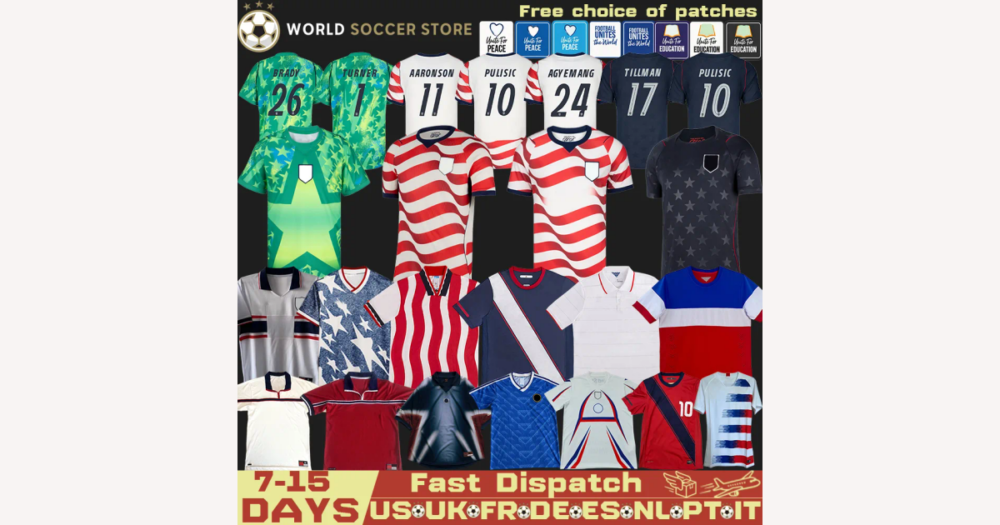
Discounts and coupon codes for 2026 jerseys on DHgate do exist, but they’re never guaranteed—and they only help if they actually lower your total landed cost after shipping, fees, and possible taxes. This guide shows you how to treat every jersey as a small cost equation, plug any discount into that equation, and then weigh the result against seller reliability and DHgate’s dispute and refund options so you’re saving money without inviting expensive surprises.
How much do DHgate discounts really matter for 2026 jerseys?
On DHgate, discounts and coupon codes for 2026 jerseys are possible but never guaranteed. DHgate as a marketplace sometimes surfaces platform-wide promotions, and individual sellers may run their own percentage-off deals, bulk-price breaks, or order-value incentives. Whether any one 2026 jersey has a discount depends on the specific seller, timing, and offer conditions, so you can’t assume there will be a code waiting for you on every listing.
I care more about knowing my total cost than chasing every last coupon. If shipping, taxes, or fees are vague or buried, I would rather skip a big headline discount than risk surprise charges later. For 2026 jerseys on DHgate, any coupon is just one variable in a bigger landed-cost equation: base item price, minus the discount that actually applies in checkout, plus shipping, possible customs or duties, and any platform or payment-related fees.
Think about a simple illustrative example. If a jersey is listed at $30 and you use a 10% discount, the item price drops to $27. But if shipping is $15 and there is a $3 processing or import-related charge, your total becomes $27 + $15 + $3 = $45. In contrast, a jersey at $32 with no discount but $8 shipping and no extra fees would be $40 all-in. The smaller or even absent coupon can easily beat the “bigger discount” once you include everything you actually pay.
For thin-margin buyers—like resellers or organizers ordering jerseys for a team—even a modest 5–15% item discount can be meaningful, as long as shipping and other charges stay under control. A $3–$5 reduction per jersey can add up across a squad or improve resale margins, but a coupon on its own doesn’t make a jersey cheap if the rest of the costs rise to compensate.
External coupon-listing sites may talk broadly about sportswear or jerseys and show impressive-looking codes, but they don’t guarantee live DHgate discounts for 2026 jerseys. The safest assumption is that deals are possible but uncertain: you only know a discount is real once you see it applied inside DHgate’s cart or checkout and can read the offer’s conditions.
A DHgate discount is only worth judging against your full landed cost, not its percentage-off label. That per-jersey calculation also gives you a way to weigh the offer type, seller reliability, and dispute options before deciding whether the deal is genuinely smart.
How to calculate your true landed cost for a 2026 jersey on DHgate
To see whether a DHgate deal on a 2026 jersey really fits your budget or profit target, treat landed cost as a simple breakdown: base item price, any discount that visibly applies, shipping and handling, possible taxes or duties, and any platform or payment-related fees shown at checkout. All of these pieces, not just the coupon, decide what you actually pay per jersey.
Here’s a straightforward illustrative calculation. Suppose the listed item price for one jersey is $28. At checkout you apply a DHgate discount worth $4, so the discounted item price is $24. Shipping for the order is $10, and the checkout shows an extra $3 in fees or import-related charges. Your total order cost is $24 + $10 + $3 = $37 for that jersey. If customs or taxes are billed separately in your country, those would need to be added on top based on DHgate’s guidance and your local rules.
When you buy multiple jerseys, convert that order total into a per-jersey landed cost. If you pay $120 for four jerseys after discounts, shipping, and fees, your landed cost is $120 ÷ 4 = $30 each. If shipping on DHgate is flat per order, adding more jerseys can lower the per-piece shipping share; if shipping is charged per item, the per-jersey cost may stay closer to the single-unit example because each jersey carries its own shipping line.
Comparing offers by per-jersey landed cost is more reliable than comparing headline discounts. One seller might show a 15% coupon but high per-item shipping, while another has a smaller or no coupon but low flat-rate shipping and no extra fees. Once you divide the full order cost by the number of jerseys, the “smaller discount” offer may end up with a lower landed cost per piece.
For profit or budget decisions, use that per-jersey landed cost as your base. A reseller might expect to sell a jersey for $45; if their landed cost is $30, their rough gross margin is $45 − $30 = $15 per jersey before other business expenses. A team organizer might have a $35 budget per player; if the per-jersey landed cost is $32, they’re within budget, while a $38 landed cost would overshoot it.
I would rather take a deal where every part of this landed-cost equation is clear upfront, even if the coupon is smaller. Opaque shipping, vague references to extra fees, or unclear customs handling can introduce surprise costs that wipe out any apparent savings. Once you’re comfortable with this calculation, the different DHgate promotion types and seller-specific offers you meet later in the guide all plug into the same formula: what matters is the final per-jersey number, not how dramatic the discount looks on the surface.
Types of discounts you might see on DHgate for 2026 jerseys
On DHgate, discounts for 2026 jerseys usually fall into a few broad categories. You may see platform- or app-level promotions, such as new-user offers or seasonal sales banners that apply to many categories, plus seller-level markdowns or coupons attached to a particular store, and volume or order-value incentives like discounts for buying multiple jerseys or crossing a spending threshold.
All of these are time-limited and depend on DHgate’s marketing cycle and each seller’s choices, so a 2026 jersey might be included in a promotion today and not tomorrow—or not included at all. The fine print determines whether the offer actually helps your landed cost: minimum order values, restrictions to certain items, exclusions for shipping or taxes, and limits to first-time buyers can all reduce the practical value of a coupon.
For example, a threshold coupon that only activates above a certain spend may push you to order more jerseys than you really need, and a promotion that cuts the item price but leaves high per-piece shipping untouched can still result in a landed cost that feels expensive. In those cases, the headline discount looks impressive, but the total you pay per jersey does not change much once you add shipping, fees, and any duties.
I would rather take a modest, clearly worded discount with simple, transparent conditions than chase a large but complicated offer where eligibility or shipping treatment is unclear. Whenever you see a promotion on DHgate, plug it directly into your landed-cost calculation from the previous section: recalculate the total you will pay and ignore any promo that does not show a clear, visible reduction in the final amount at checkout, regardless of how attractive the coupon label looks.
Steps to decide if a discounted DHgate jersey offer is actually good
- Vet the seller first. Check overall rating, the number of completed transactions, and recent reviews, paying attention to recurring complaints such as slow shipping, cancelled orders, or jerseys that do not match the description. Give more weight to stable sellers with consistent, detailed feedback, even if their discount is smaller.
- Confirm shipping and handling details. Look at the shipping cost, estimated delivery timeframe, and whether tracking is included. If you need 2026 jerseys for a specific event, consider whether the discount truly compensates for very long or uncertain delivery; a cheap price is less useful if the jerseys arrive late or cannot be tracked.
- Review order and payment terms. Check cancellation windows, whether you can modify the order (for example, change sizes or quantities), the accepted payment methods, and any mention of extra fees that may appear at checkout. Hidden charges can quietly raise your landed cost and erase the apparent benefit of the coupon.
- Check DHgate’s buyer protection, dispute, and refund options for the offer. Within your account and DHgate’s help content, note where to see how long you have to open a dispute and what typically happens when orders are not delivered or jerseys arrive with quality issues. You are not guaranteed a specific outcome, but understanding the available protection helps you judge how much risk you are taking on when you rely on a discount.
- After these checks, revisit the discounted price using the landed-cost method above. Consider whether the full picture—seller reliability, shipping and handling, order and payment terms, and buyer protection—makes the coupon worthwhile, or whether a slightly higher-priced but clearer offer would better protect your budget or profit margin.
When chasing discounts can backfire on DHgate
On DHgate, a big discount on a 2026 jersey can quietly disappear once you look at the full landed cost. A jersey that is 15% cheaper on the sticker price but comes with much higher shipping, handling, or add‑on fees can end up costing the same—or even more—than a less discounted alternative with reasonable delivery charges. Always compare the final payable amount, not just the percentage off.
Deep discounts can also tempt you toward sellers with weak or sparse ratings. A store offering unusually cheap 2026 jerseys but showing very few completed transactions, vague feedback, or recurring complaints about quality and delivery is effectively asking you to trade reliability for price. If you need jerseys for an event or plan to resell, that trade can be costly when orders arrive late, incomplete, or not as described.
Long or uncertain shipping estimates are another way apparent savings can backfire. A heavily discounted jersey that may take many weeks to arrive, or has inconsistent tracking, is a poor match for tournaments, fan events, or time‑sensitive promotions. In those cases, paying a bit more for a seller with shorter, more predictable delivery can protect your plans and reduce stress.
Restrictive refund or dispute terms can turn a cheap offer into an expensive problem. Short dispute windows, unclear return policies, or conditions that make it hard to prove problems mean you have less leverage if jerseys show up damaged, misprinted, or in the wrong sizes. For buyers working to a deadline or relying on resale income, unusable stock and unresolved disputes usually hurt more than the few dollars saved per jersey.
If you are buying for a specific date or planning profit margins around 2026 jerseys, the main risk is ending up with no usable jerseys when you need them. A slightly higher upfront price from a stable DHgate seller with clearer shipping and protection terms often delivers more value than a rock‑bottom discount that comes with high shipping, uncertain delivery, and fragile dispute options.
How to confirm a DHgate discount is real and enforceable
- Apply the DHgate discount or coupon within the platform and check that your item subtotal or overall order total visibly changes before you submit payment. A real discount should show up as a specific reduction in the amount you are about to pay for your 2026 jerseys.
- Compare what you see at checkout with the conditions stated in the offer text, such as minimum spend, eligible items, and whether shipping, taxes, or certain categories are excluded. If the discount applied does not match those rules, treat the offer with caution.
- Ignore any promotion that does not produce a clear numeric reduction in the payable amount. If marketing banners or pop‑ups mention savings but your cart and checkout totals stay the same, assume that discount is not actually active for your order.
- Keep simple records whenever a DHgate discount does apply: take a screenshot showing the reduced price and promotion details, save the order confirmation that reflects the lower total, and note any promotion name or reference ID. If you later need to contact support or open a dispute, these records help you demonstrate what discount you were promised and how it appeared on your order.
Should you wait for a better DHgate discount or buy your jersey now?
Waiting for a better DHgate discount on 2026 jerseys is always a gamble, because future promotions for this specific category can’t be predicted or promised. Instead of assuming a bigger coupon will appear, weigh what you actually need: your delivery deadlines for games, tournaments, or events; the chance that particular sizes, numbers, or styles sell out; and how much a slightly larger discount would really change your landed cost per jersey based on the calculation you’ve already done.
If your timeline is tight, you care about locking in stock, or you’re already comfortable with the profit margin or budget at today’s prices, I would buy once I find a clearly priced, transparent DHgate offer from a seller I trust rather than delay for a hypothetical future coupon. In contrast, if you’re extremely price‑sensitive, have flexible timing, and are only placing a small test order you’re willing to fight disputes over, it can be reasonable to wait, watch for deeper promotions, and experiment with coupons, knowing you may face extra hassle or delays.
Whichever path you choose, treat any current or future discount the same way: plug it into your landed‑cost equation, check the seller’s reliability and order terms, and verify in DHgate’s checkout that the discount is actually applied and documented before you rely on it in your budget or profit planning.