
Plastic saxophones and pocket saxes are appealing because they’re lighter, tougher and much cheaper than full metal horns. For Australian buyers, entry-level plastic instruments from major marketplaces usually sit well under the cost of a traditional student sax: simple pocket saxes and ABS mini horns commonly run below many brass student models, while branded beginner plastics (like Nuvo-style jSax instruments) still undercut standard student saxophones from big brands. Exact price differences depend on the brand and retailer you choose, and tax and shipping details can change over time.
Once you add international shipping and GST, you’re often looking at roughly sub‑A$200 landed for basic pocket-style options, with more for full beginner kits, but the final amount will vary with the specific shipment and current Australian rules. This guide focuses on what you’ll really pay, why prices jump between listings, and how Amazon AU, eBay, local shops and cross-border marketplaces stack up for both individual buyers and micro-retailers.
What Do Plastic Saxophones Cost to Get into Australia?
Plastic saxophones are marketed as lightweight, durable, and more affordable alternatives to brass instruments, often pitched at beginners or casual travel use.Plastic saxophone overview That “affordable” label can be misleading unless you unpack the full landed cost to Australia.
For a single plastic sax or pocket sax arriving in Australia you’ll usually face four main cost components:
- Instrument price – the headline price on Amazon, eBay or another marketplace.
- Shipping – domestic or cross-border postage, often a bigger percentage on low-cost items.
- GST/import charges – GST can apply to low-value overseas purchases; import duties are less common on individually shipped small musical instruments but can’t be ruled out in all cases. Exact GST and duty outcomes depend on current Australian rules and your specific shipment.
- Marketplace and payment fees – built into the price for buyers, but crucial for small resellers calculating margin.
Reference price bands
These ranges are indicative rather than promises, but they show how plastic sax products sit relative to traditional horns.
- Pocket-style plastic saxes (C key, limited keywork)
On large cross-border marketplaces, mini ABS pocket sax kits with reeds and bags tend to cluster somewhere around US$23–US$82 per unit as of 2026-10, depending on how complete the set is and how they’re pitched (toy vs beginner practice tool). DHgate pocket and mini sax listing snapshots sit within that band, including compact 8‑hole mini saxophones and pocket kits with mouthpieces and reeds.
- Branded beginner plastic saxes (Nuvo-style instruments)
Beginner-focused plastics such as the Nuvo jSax are sold by Australian music retailers as entry-level instruments, specifically described as starter saxophones rather than toys.Nuvo jSax beginner sax Their ticket prices are generally below many metal student saxes from mainstream brands, though the exact gap will depend on the shop and current offers.
- Traditional student brass saxophones
Independent guides to alto saxes consistently show that reliable student brass horns from established brands often cost several times more than the plastic alternatives, even for budget-conscious models.Alto sax buyers guide The precise ratio varies by model and retailer.
How that turns into landed cost
For a personal buyer in Australia ordering a budget pocket sax:
- A simple pocket sax around the lower end of the US$23–US$82 band may appear on Amazon AU or eBay listings with free or low-cost shipping. Cross-border sellers often build postage into the item price.
- Currency conversion and GST can push the final charged amount above the headline figure. The exact impact depends on your payment method, the seller’s tax settings and any thresholds that apply at the time you buy.
For a small ecommerce seller importing a small batch:
- Shipping moves from background annoyance to a major cost driver. Per-unit freight usually falls when you consolidate, but you may tip into different customs treatment or carrier surcharges.
- Marketplace fees on your resale platform (Amazon AU, eBay, your own site) plus GST on your sales compress margin compared with the ex‑factory or wholesale price.
Because taxes, carrier surcharges and brand pricing change over time, you should treat any savings over local metal student saxes as directional rather than fixed. It’s realistic to land basic pocket saxes below A$200 per unit, but not guaranteed once shipping and GST enter the picture.
Why Prices Vary: Design, MOQ, Customisation and Shipping Choices
Not all plastic saxophones are built or priced for the same job. Some are essentially novelty woodwinds; others are tightly designed learning tools.
Instrument design and playability
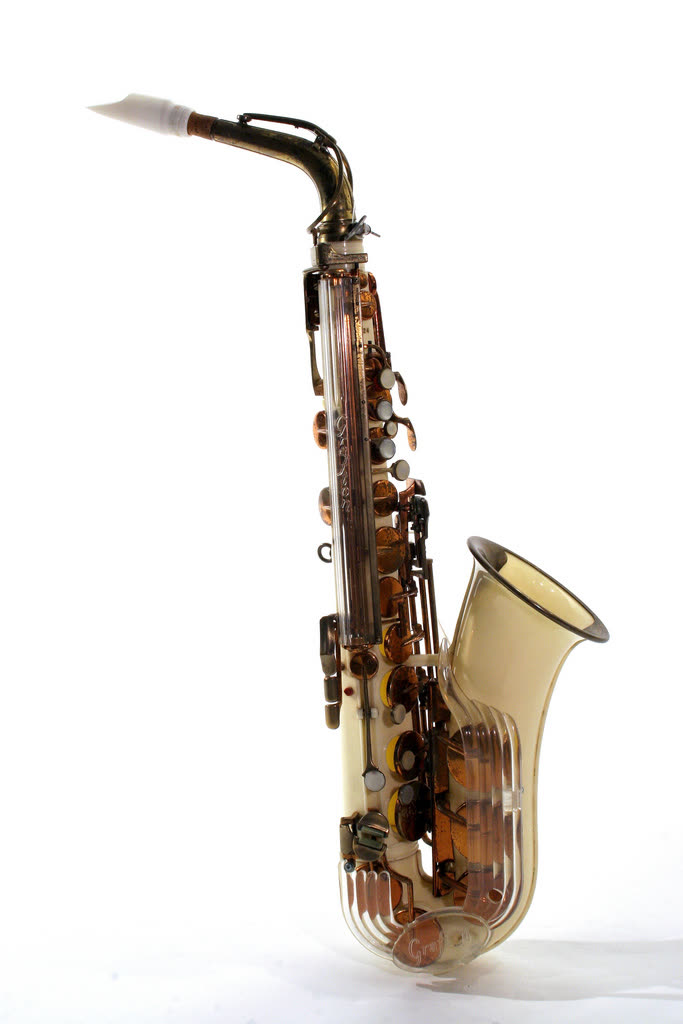
Plastic pocket saxes in C with a simple 8‑hole layout and very limited keywork usually sit at the cheaper end of the spectrum. They’re marketed around portability and ease: a small ABS body, basic mouthpiece, a handful of reeds and maybe a soft case.
Beginner-focused plastic saxes (such as Nuvo-style jSax instruments) are built much closer to a real saxophone experience. Product descriptions from retailers highlight features like:Nuvo jSax product details
- Full kits with mouthpiece, ligature, case and fingering charts
- Better-quality synthetic or cane reeds
- Brand-specific ergonomic design aimed at children and beginners
That extra engineering, bundled accessories and brand positioning push prices above toy-level pocket saxes, but still below many metal student horns.
Order volume and customisation
For a single instrument, you pay the sticker price. For a small reseller of plastic or pocket saxes, the math changes:
- Ordering a handful of unbranded pocket saxes from cross-border sellers generally keeps unit prices close to the public listing, but you may get incremental discounts. Because MOQs weren’t specified in the available data, it’s safer to treat them as a negotiation point rather than assume a fixed minimum.
- Asking for logo printing, custom colors or bundled accessories (e.g., extra reeds and upgraded bags) usually raises the unit cost, even if it improves resale value. With pocket saxes, these extras matter because many buyers expect a ready-to-play kit rather than having to source reeds and cases separately.
Shipping method and speed
A light ABS pocket sax is cheap to move; an order of several dozen units is not. Slower postal options tend to be cheaper per unit but extend delivery times, while express couriers raise your landed cost in exchange for predictability.
For buyers planning to resell, that trade-off matters: shaving a few dollars off freight by accepting long transit times may mean missing seasonal demand (for example, back-to-school music programs or Christmas gift buying) in Australia.
Choosing a Sourcing Channel: Amazon, eBay, Local Shops and Cross‑Border Marketplaces
Once you understand the cost levers, you need to pick a channel that matches your budget, risk tolerance and effort.
Amazon AU and local music shops
Amazon Australia’s saxophone category includes pocket-style saxophones and general sax listings, with many budget and educational options clearly tagged.Amazon AU saxophones These are usually positioned for casual players, students, or as gifts.
Local music retailers sometimes stock branded plastic beginner saxes such as the Nuvo jSax, marketed as entry-level instruments.Nuvo jSax Australian retailer Buying locally typically means:
- Clear GST-inclusive pricing
- No cross-border freight or customs surprises
- Easier returns and in-person advice
The trade-off is less access to ultra-cheap unbranded pocket saxes and fewer options for bulk buying.
eBay as a mixed marketplace
Global eBay listings range from mainstream saxophones to very cheap, lightly described pocket and plastic horns.eBay saxophone listings For Australian buyers, this can be a way to:
- Access low-cost plastic or mini saxes from overseas sellers
- Compare used and new options side by side
You’ll see wider variation in description quality, bundled accessories and shipping policies than on curated local shops, so expect more time spent vetting individual listings and factoring the total cost of accessories like reeds and cases.
DHgate as one pocket‑sax option within cross‑border sourcing
For pocket-style plastic saxes specifically, cross-border marketplaces include options that are built around small ABS bodies, simple keywork and beginner kits. As one example of this type of marketplace, DHgate hosts multiple pocket sax and mini plastic sax listings that are clearly pitched at beginners or casual use and could be relevant to small resellers.
A snapshot checked on 2026-10-15 shows several pocket or mini sax listings with price ranges broadly within the US$23–US$82 band discussed earlier, such as:
- A compact pocket sax set with alto mouthpiece and carrying bag in the low‑US$20s range per unit.Pocket sax kit for beginners
- An 8‑hole ABS mini saxophone with four reeds and a fingering chart priced in the upper‑US$30s to around US$40.ABS mini sax with reeds
- A more elaborate portable pocket saxophone kit marketed for stage performance and daily practice, with prices in the upper‑US$70s to low‑US$80s range.Portable pocket saxophone kit
There are also compact ABS mini saxophones with cleaning cloths and bags in the high‑US$20s bracket.Compact ABS mini sax for beginners Prices and availability on any marketplace can change, so treat these figures as indicative only.
For a small Australian reseller comparing channels, DHgate and similar cross-border marketplaces can make sense when you specifically want:
- Pocket sax kits with bundled reeds, charts and bags so buyers receive a self-contained product
- Several close variants (different colors, accessory mixes or designs) to test in small quantities before deciding which product type to focus on
In that scenario, it’s important to check recent buyer reviews and rating patterns for each individual seller and to model landed cost conservatively, including freight, GST and your resale platform’s fees.
If you need more detail on how total cost compares across marketplaces or how customs and tariffs behave for cross-border orders into Australia, articles like the DHgateWiki guide that compares DHgate with AliExpress, Alibaba and Temu, and its overview of customs, tariffs and import fees, can help frame the broader channel decision while this page stays focused on plastic saxophone budget specifics.
Cost Levers and Tactics for Budget Buyers and Small Sellers
Whether you’re buying one plastic sax for yourself or testing stock for a micro-store, a few focused tactics can keep the budget under control without drifting into unusable toy territory.
For personal buyers in Australia:
- Decide first whether you want a learning instrument or a fun gadget. Nuvo-style beginner plastics sold by Australian music shops sit closer to “real instrument” expectations than ultra-cheap pocket saxes with very limited keywork.
- On Amazon AU and eBay, filter for listings that clearly show the contents (mouthpiece, reeds, bag, fingering chart) so you don’t have to buy accessories separately and accidentally erase the apparent saving.
- Treat cross-border “free shipping” with caution: factor in GST, potential duty and currency conversion before assuming it’s cheaper than a local shop, especially for heavier full-size plastic saxes.
For small ecommerce businesses focused on plastic and pocket saxes:
- Pick a clear product tier: inexpensive pocket sax gifts vs better-designed beginner plastics like jSax-style instruments. Mixing both in a tiny catalog can confuse buyers who may not understand why one plastic sax is toy-like and another is meant for serious practice.
- Run a simple spreadsheet for each sourcing scenario (local distributor for Nuvo-style saxes, eBay bulk buys of pocket saxes, cross-border pocket sax kits). Include unit price, estimated freight per unit, GST on import and resale, accessories you must add (reeds, bags, charts), plus your own platform fees. For pocket saxes, note that bundled accessories can shift the real cost even when headline prices look similar.
- Test playability and durability with very small orders across two or three suppliers before committing to any MOQ-heavy deal. A single batch of pocket saxes that are difficult to play or come with poor reeds will generate returns and complaints that wipe out any apparent unit-price advantage.
- Align shipping choices with your specific audience: if you’re marketing pocket saxes as school starter instruments, paying more for predictable, faster shipping may be worth it to hit Australian back-to-school or term-start dates.
If your comparison suggests that plastic saxes barely beat metal student saxes once you count shipping, taxes, accessories and returns handling, it can be more rational to stock reliable used brass instruments locally and position plastic horns as niche add-ons for travel or very young beginners. Budget decisions here are less about chasing the lowest sticker price and more about balancing playability, margin, and the true cost of getting instruments into Australia.
Example landed-cost snapshot table
The table below sketches how different plastic saxophone types can sit in the budget landscape for Australian buyers. Values are indicative only and will change with brand, seller and policy shifts.
| Product type | Typical role in Australia | Instrument complexity | Indicative unit price band* |
|---|---|---|---|
| Simple ABS pocket sax (C, 8 holes) | Travel gadget, casual practice, gifts | Minimal keywork, small body | Around US$23–US$40 on cross-border marketplaces |
| Pocket sax kit with extra accessories | Beginner-focused pocket instrument | Small body, bundled reeds/bag | Around US$40–US$80 on cross-border marketplaces |
| Branded beginner plastic sax (jSax) | Entry-level learning instrument | More sax-like design, full kit | Below many metal student saxes at Australian retailers |
| Traditional student brass alto sax | Main school or graded-instrument use | Full metal saxophone | Several times the price of many plastic options |
*Price bands based on evidence available as of 2026-10; exact prices will vary by seller, brand, and promotions.