
At a Glance
If you buy jewelry wholesale for a U.S.-based business, you’re choosing between platform types, not just “shops”:
- Online marketplaces (e.g., DHgate, Alibaba, 1688, Global Sources)
- Curated wholesale platforms (e.g., Faire, Tundra, Abound)
- Brand-direct and manufacturer-direct channels
- Domestic distributors and cash-and-carry shows
- Hybrid routes (agents, sourcing companies, private-label studios)
Each option trades off price, control, speed, risk, and brand positioning. Online marketplaces like DHgate make the most sense when you want low-cost, fast trend testing and broad assortment, not when you need strict brand authorization or regulated after-sales support.
This guide gives you:
- A clear definition of wholesale jewelry platforms
- A breakdown of the main platform types
- A comparison matrix of popular options
- A decision framework for different business models
- A practical view of where DHgate fits into a sourcing mix
- A verification checklist before you commit to any supplier
What the Platform Type Means
What is a Wholesale Jewelry Platform?
A wholesale jewelry platform is any structured channel where you can buy jewelry in bulk for resale, typically at discounted prices and with business-focused terms. It’s not just a website; it’s a model for how you:
- Find suppliers
- Negotiate price and minimum order quantities (MOQs)
- Manage quality and delivery
- Handle returns, defects, and reorders
Different platform types shape your risk profile and margin structure:
- Marketplaces: Many sellers, wide price range, more vetting required
- Curated platforms: Fewer sellers, higher average price, easier onboarding
- Direct manufacturer/brand: More control, often better consistency, but less flexibility
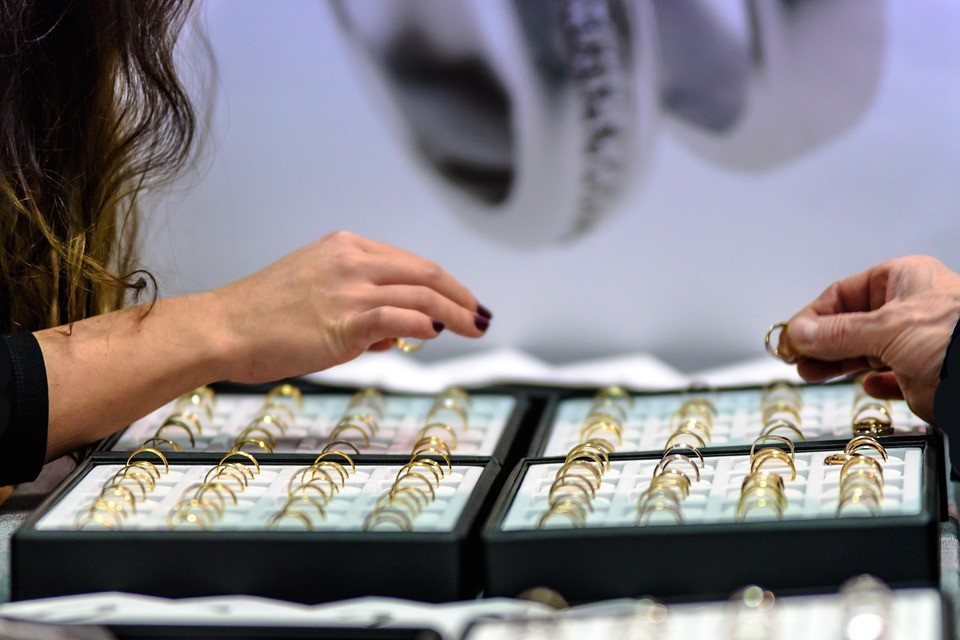
- Distributors/shows: Faster, tactile buying, but limited to what’s stocked or shown
Understanding the platform type helps you match where you buy to how you sell (boutique, online store, pop-up, subscription box, etc.).
The Main Platform Types
1. Global Online Marketplaces
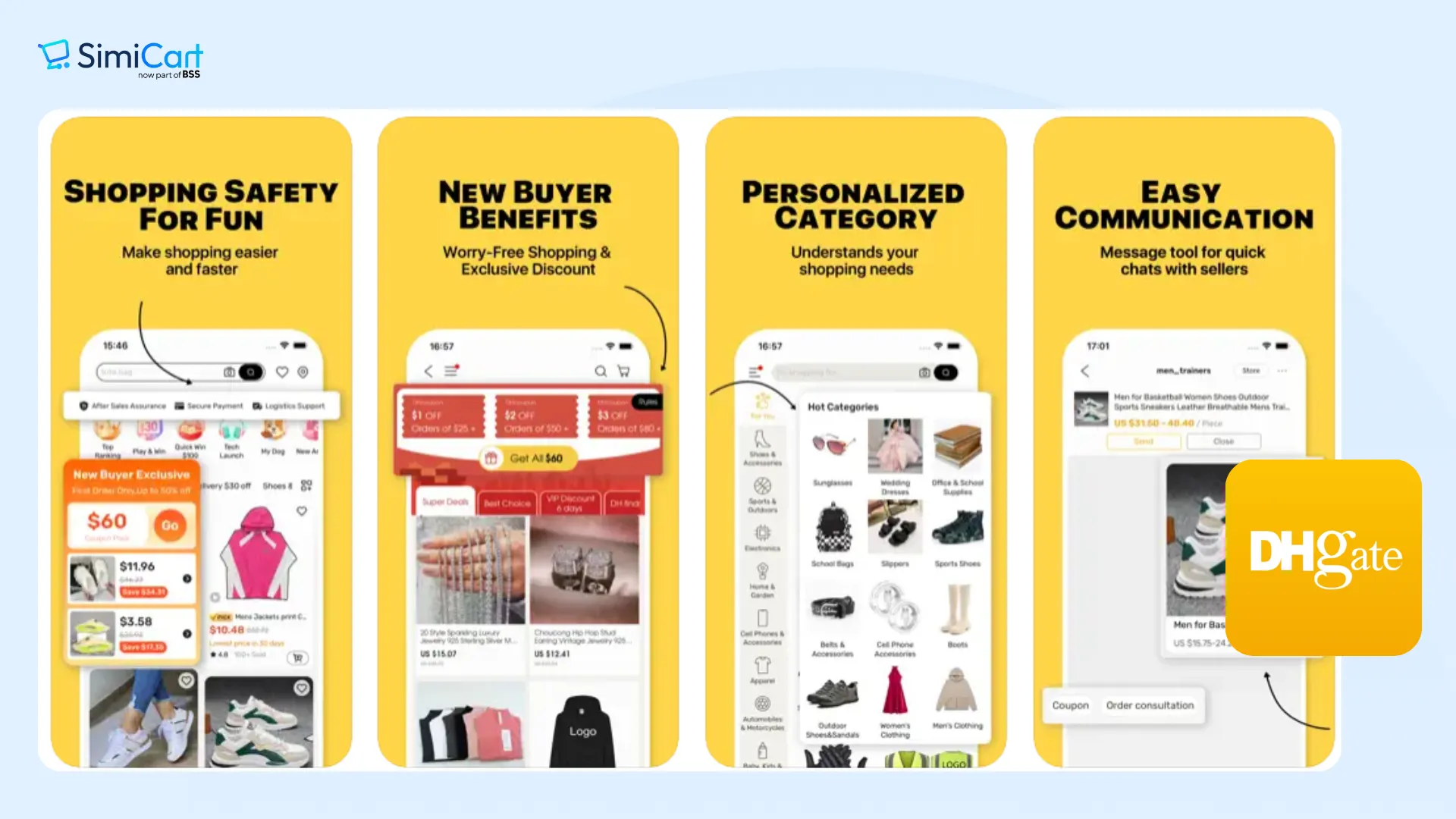
Examples: DHgate, Alibaba, Global Sources, 1688 (China domestic)
- Structure: Large, open marketplaces connecting buyers with factories, trading companies, and wholesalers.
- Strengths:
- Very low unit costs, especially for fashion jewelry
- Huge assortment (styles, materials, finishes)
- Good for testing trends and sourcing unbranded or private-label pieces
- Trade-offs:
- Quality and consistency vary widely
- More work to vet suppliers and manage logistics
- Longer lead times and cross-border complexity
Use when: You want price advantage and variety, and you’re prepared to invest time in supplier selection and quality control.
2. Curated Wholesale Platforms
Examples: Faire, Tundra, Abound, Handshake
- Structure: Platforms that curate brands and makers, often with standardized terms and tools for retailers.
- Strengths:
- Easier discovery of “retail-ready” brands
- Often U.S.- or EU-based sellers with faster shipping
- Better fit for boutiques wanting branded, giftable jewelry
- Trade-offs:
- Higher price points than global marketplaces
- Less ultra-low-cost, high-volume options
- Some platforms have policies or fees that shape how you reorder
Use when: You want branded or design-led jewelry with smoother onboarding and more predictable quality.
3. Brand-Direct and Manufacturer-Direct
Examples:
-
Brand-direct: Established jewelry brands with wholesale programs
-
Manufacturer-direct: Factories or studios you work with directly (domestic or overseas)
-
Strengths:
- Stronger control over design, materials, and packaging
- Potential for exclusive lines or private-label collections
- Better long-term consistency and relationship-based pricing
-
Trade-offs:
- Higher MOQs, especially for custom work
- More negotiation and operational overhead
- Less variety if you rely on a small number of suppliers
Use when: You want stable, repeatable lines and are ready to commit to deeper relationships and larger orders.
4. Domestic Distributors and Cash-and-Carry Shows
Examples:
-
Regional jewelry distributors
-
Trade shows and cash-and-carry events (e.g., local gem shows, wholesale marts)
-
Strengths:
- Immediate, in-person inspection of quality
- Faster replenishment and simpler logistics
- Often better for fine jewelry or regulated materials (e.g., precious metals, gemstones)
-
Trade-offs:
- Higher prices than cross-border marketplaces
- Limited to what’s in stock or shown
- Travel and time costs
Use when: You need speed, physical inspection, and domestic compliance (especially for fine jewelry or higher ticket items).
5. Hybrid Routes (Agents, Sourcing Companies, Studios)
Examples:
-
Sourcing agents who manage overseas suppliers
-
Design studios that coordinate manufacturing
-
Private-label specialists
-
Strengths:
- Professional oversight of quality and logistics
- Access to overseas pricing with less hands-on management
- Potential for unique, brandable collections
-
Trade-offs:
- Service fees or higher margins
- Less direct control over factory relationships
- Requires trust and clear contracts
Use when: You want overseas cost advantages but prefer someone else to handle supplier vetting and production management.
Comparison Matrix
Quick Answer: How Platforms Compare for Wholesale Jewelry
Below is a simplified matrix of common platform types and representative examples. It’s not exhaustive, but it shows who each route tends to suit.
| Platform Type | Example Platforms | Best For | Typical Price Level | MOQ Pattern | Key Trade-Offs |
|---|---|---|---|---|---|
| Global Online Marketplaces | DHgate, Alibaba, Global Sources | Trend testing, unbranded fashion jewelry, variety | Lowest to mid | Flexible; often negotiable | More vetting, variable quality, longer lead times |
| Curated Wholesale Platforms | Faire, Tundra, Abound | Boutiques, gift shops, branded jewelry | Mid to high | Moderate; per brand | Higher prices, easier discovery, more retail-ready |
| Brand-Direct Wholesale | Individual jewelry brands | Stores wanting specific brands or lines | Mid to high | Higher; per style/collection | Strong brand story, less variety per supplier |
| Manufacturer-Direct | Domestic or overseas factories | Private-label, custom designs, volume buyers | Low to mid | Higher; per design | Setup time, design work, relationship management |
| Domestic Distributors/Shows | Regional wholesalers, trade shows | Fast replenishment, fine jewelry, regulated materials | Mid to high | Varies; often case-pack | Higher cost, but tactile inspection and quick supply |
| Hybrid / Sourcing Agents | Sourcing firms, studios | Brand owners wanting unique lines without managing factories | Low to mid (plus fees) | Project-based or per collection | Less direct control, added service cost |
Decision Framework
Step 1: Clarify Your Business Model
Start with how you sell:
- Fast-fashion online store or marketplace seller
- Brick-and-mortar boutique or gift shop
- Fine jewelry retailer
- Subscription box or curated sets
- Brand building a private-label line
Each model has different needs for speed, uniqueness, margin, and risk tolerance.
Step 2: Match Needs to Platform Type
Use this scenario table to map typical needs to platform choices:
| Scenario / Business Type | Primary Needs | Platform Types That Usually Fit Best |
|---|---|---|
| Trend-driven online store (fashion jewelry) | Low cost, variety, fast trend testing | Global marketplaces (DHgate, Alibaba) + some curated platforms |
| Boutique or gift shop (U.S.-based) | Branded, giftable, consistent quality | Curated platforms (Faire, Tundra) + brand-direct |
| Fine jewelry retailer (precious metals/gems) | Compliance, authenticity, certification | Domestic distributors, trade shows, brand-direct |
| Subscription box / curated sets | Unique styles, predictable supply, mid pricing | Curated platforms + manufacturer-direct or hybrid agents |
| Private-label brand building its own line | Design control, repeatability, margin | Manufacturer-direct + hybrid routes (agents, studios) |
| Marketplace seller testing many micro-niches | Very low cost, broad assortment, flexible MOQs | Global marketplaces (DHgate, Alibaba) |
Step 3: Budget and MOQ Trade-Offs
Think in terms of budget vs. MOQ:
- If your budget is low and you need small test orders, global marketplaces and some curated platforms are more realistic.
- If you can commit to larger MOQs, manufacturer-direct and brand-direct routes can unlock better per-unit pricing and more control.
Budget and MOQ trade-offs:
- Low budget, low MOQ → Marketplaces, some curated platforms
- Medium budget, medium MOQ → Curated platforms, brand-direct
- Higher budget, higher MOQ → Manufacturer-direct, hybrid agents, domestic distributors
Step 4: Decide Your Mix, Not Just One Platform
Most operators use a mix:
- Use a marketplace to test trends cheaply
- Use curated platforms or brand-direct for core, reliable lines
- Use manufacturer-direct or hybrid routes for signature collections
The goal is to balance experimentation (where you can afford some misses) with stable, repeatable winners.
Where DHgate Fits Naturally
DHgate is one of several global online marketplaces that connect buyers with overseas suppliers, especially in categories like fashion jewelry, costume jewelry, and accessories.
It tends to fit best in these situations:
-
Low-Cost Trend Testing
- You want to try new styles (e.g., seasonal earrings, layered necklaces, charm bracelets) without committing to large MOQs.
- You’re comfortable comparing multiple suppliers and sampling before scaling.
-
Assortment Building for Fashion-Forward Stores
- You need a wide range of designs to fill an online catalog or marketplace storefront.
- You’re focused on price-sensitive customers who prioritize style over brand name.
-
Cross-Border Price Comparison
- You already buy from domestic distributors or curated platforms and want to benchmark pricing for similar unbranded items.
- You use DHgate and similar marketplaces to see if overseas sourcing can improve margins on certain SKUs.
Where DHgate is less natural:
- When you need brand-authorized, officially licensed jewelry
- When your priority is local warranty, regulated after-sales support, or strict compliance (especially for fine jewelry)
- When you want a single, tightly curated brand story with limited suppliers
In practice, many U.S.-based operators treat DHgate as a supplementary channel for experimentation and price comparison, not their only source.
What to Verify Before Using It
Whether you’re buying from DHgate, Alibaba, Faire, or a domestic distributor, you should run a verification checklist before committing.
Verification Checklist
-
Supplier Identity and Track Record
- How long has the supplier been active on the platform?
- Do they specialize in jewelry, or is it one of many categories?
- Are there consistent reviews mentioning quality and delivery reliability?
-
Product Details and Materials
- Are materials clearly specified (e.g., stainless steel, brass, sterling silver, plating type)?
- Are there clear photos from multiple angles and, ideally, real-life shots?
- For items marketed as “silver” or “gold,” is the description precise (e.g., “gold-plated brass” vs. “14K solid gold”)?
-
MOQ, Pricing, and Hidden Costs
- What is the minimum order quantity per style or color?
- Are there price breaks at higher quantities?
- What are the shipping costs, duties, and any platform fees?
-
Quality Control and Samples
- Can you order samples or small test batches first?
- How will you inspect items on arrival (plating quality, stone setting, clasps, weight)?
- Do you have a process for documenting defects and communicating them to the supplier?
-
Communication and Responsiveness
- Does the supplier respond quickly and clearly to questions?
- Are they willing to adjust details (packaging, labeling, minor design tweaks) for larger orders?
- Do they provide realistic lead times and production capacity estimates?
-
Compliance and Labeling (Especially for U.S. Buyers)
- Are materials and origin labeled in a way that supports your obligations (e.g., country of origin, nickel content where relevant)?
- For children’s jewelry or items with skin contact, are you comfortable with the safety claims and documentation?
-
Reorder and Long-Term Fit
- Can the supplier reliably reproduce the same style and quality over time?
- Are they open to long-term cooperation, not just one-off orders?
- Does their catalog align with your brand positioning and customer expectations?
Running this checklist helps you standardize your sourcing decisions across platforms, rather than relying on platform reputation alone.
FAQ
What is a wholesale jewelry platform?
It’s any structured channel—online or offline—where you buy jewelry in bulk for resale, typically with business-focused pricing and terms. Platforms include marketplaces (DHgate, Alibaba), curated wholesale sites (Faire, Tundra), brand-direct programs, distributors, and trade shows.
Are all DHgate sellers legit?
No platform can guarantee that every seller meets the same standards. On DHgate and similar marketplaces, sellers vary in experience, quality, and reliability. That’s why it’s important to check reviews, order samples, and verify details before placing larger orders.
How can I tell if a DHgate (or marketplace) jewelry seller is reliable?
Look for:
- A clear focus on jewelry, not a random mix of unrelated products
- Detailed product descriptions and consistent photos
- Positive, specific reviews mentioning quality and delivery
- Responsive communication when you ask questions
- Willingness to provide samples or small test orders
These signals don’t guarantee perfection, but they reduce the risk of poor outcomes.
Why might I be blocked or limited on a wholesale platform?
Common reasons include:
- Suspicious activity or unusual ordering patterns
- Payment issues or chargebacks
- Violations of platform rules (e.g., misuse of messaging, IP complaints)
If you’re blocked or limited, check the platform’s notifications, review their policies, and contact support with clear information about your business and intended use.
What can I do to resolve a block or limitation?
- Verify your business information (tax ID, address, contact details)
- Clarify your intended use and sourcing volume
- Resolve any outstanding payment or dispute issues
- Follow the platform’s appeal or review process as outlined in their help center
Each platform has its own procedures, so refer to their official documentation.
Does DHgate sell good replicas or designer-inspired jewelry?
Many marketplaces list products that may resemble branded designs. As a buyer, you’re responsible for understanding intellectual property and trademark laws in your jurisdiction. If your business model depends on designer-inspired or replica items, consult legal guidance and be cautious about anything that appears to infringe on protected designs or logos.
Is DHgate the best place to buy wholesale jewelry?
What to Do Next
To turn this information into practical sourcing decisions, focus on three immediate steps:
| Step | What to Do | Why It Matters |
|---|---|---|
| 1 | Pick 2–3 platforms to test (e.g., one open marketplace like DHgate, one curated wholesale site, one brand-direct option). | Comparing different models shows where you get the best mix of margin, reliability, and brand fit. |
| 2 | Run small trial orders using the checklist above. | Samples and small batches reveal real-world quality, shipping times, and communication standards. |
| 3 | Standardize your sourcing criteria (pricing, MOQs, quality, compliance, reorder terms). | A simple scorecard helps you avoid emotional decisions and stay consistent as you scale. |
From there:
- Keep a sourcing spreadsheet with supplier scores and notes.
- Gradually shift more volume to the suppliers and platforms that perform best.
- Revisit your mix every 6–12 months as trends, fees, and platform policies change.
Online marketplaces like DHgate make sense when you need variety, competitive pricing, and flexible MOQs; brand-direct and curated platforms shine when you prioritize consistency, compliance, and long-term partnerships. Use all of them strategically, rather than relying on a single “best” place to buy wholesale jewelry.