
Choosing the right Infantino baby carrier starts with style and fit, not with price or brand. First decide how old your baby is, which carry positions you need (front-inward, front-outward, hip, back), and whether you prefer a soft, tie-on wrap or a more structured, buckle-up carrier. Infantino’s range covers wraps, Mei Tai, hybrids and soft‑structured ergonomic carriers documented on its carrier styles page and carrier collection. Once you know the style and positions that suit your family, you can compare an official Infantino model with generic ergonomic carriers sold cross‑border, including DHgate: look for the same weight range, leg support, strap adjustability and breathable fabrics, then factor in total landed cost and your comfort level with unbranded stock.
What Infantino Baby Carriers Are and Who They Suit
Infantino’s carrier family is broad but built around a few clear types:
- Wraps – long, soft fabric you tie around your body. Infantino promotes wraps as especially good for newborns thanks to close contact and flexible positioning, in line with its advice in pieces like “Types of Baby Carriers for Newborns” on infantino.com.
- Mei Tai (Meh Dai) carriers – a rectangular body panel with long waist and shoulder straps you tie. These bridge the gap between a simple wrap and a structured carrier.
- Hybrid wraps – Infantino also offers hybrids that combine wrap-like softness with some pre-shaped structure and adjustability.
- Soft‑structured ergonomic carriers (SSC) – buckle carriers with padded shoulder straps and a waistband, often supporting multiple positions and growing with baby.
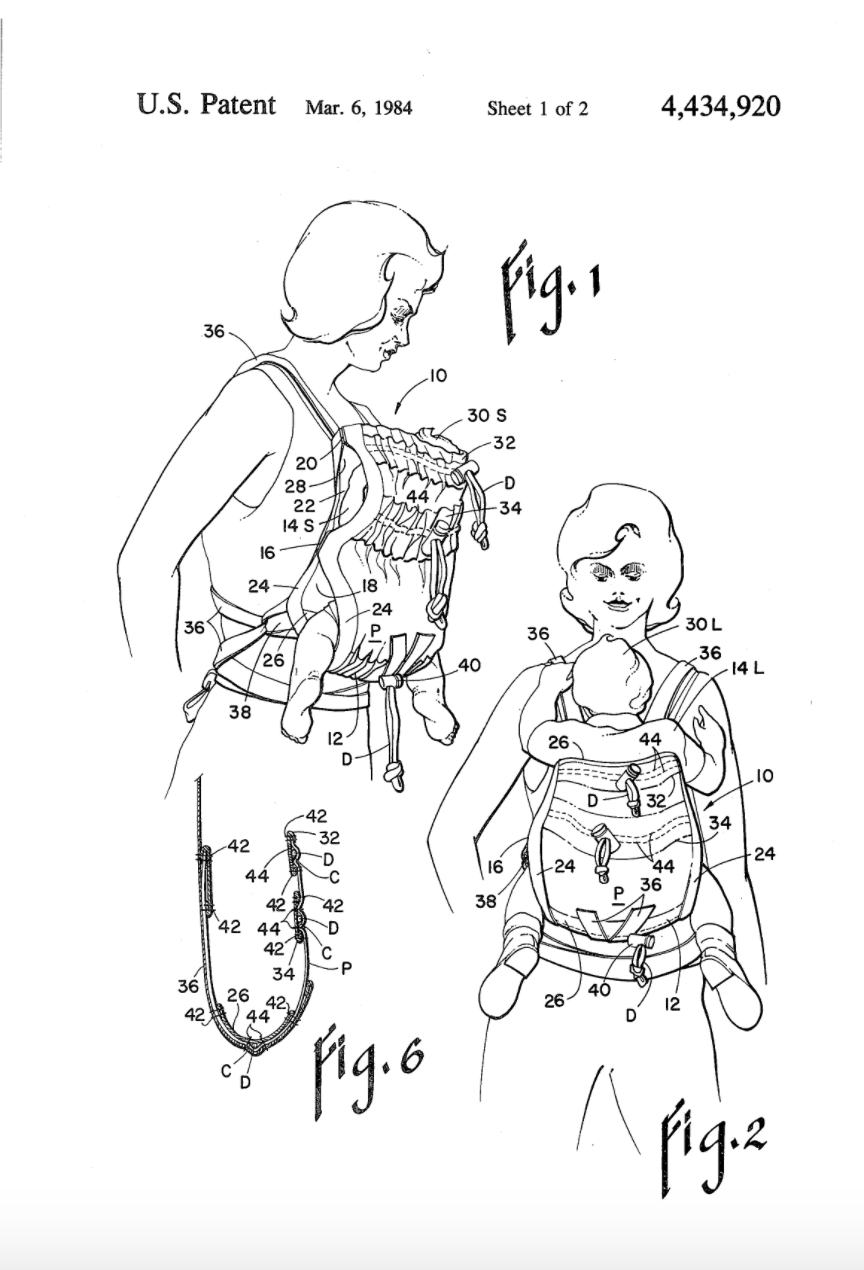
Infantino’s own carrying positions overview shows how these styles translate into real use: front-inward for newborns and young babies, front-outward for curious older infants, plus hip and back carries as babies gain head and trunk control. If you’re a parent in Australia doing school runs and grocery trips, you’re typically choosing between a front-inward newborn option (wrap or front-structured carrier) and an SSC that will eventually let you move to back carrying.
Small ecommerce buyers looking at Infantino are usually targeting entry‑level ergonomic SSCs and hybrids: affordable, familiar to mainstream parents, and easier to size than fully custom wraps. That’s the baseline you’ll want to match if you consider non‑Infantino carriers.
Key Style and Fit Choices: Matching Infantino Specs to Your Needs
Independent guides like ergonomic-baby-carriers.com highlight the same core buying factors Infantino builds around: ergonomic design, baby’s age and weight, caregiver size, carry positions, and upkeep. Here’s how those map to Infantino’s styles and to your decision.
1. Baby age and carrying positions
Infantino’s positions guide links each carry to age and development:
- Newborns – front-inward only, with proper head and neck support. Wraps and some front-structured carriers are designed for this.
- Older babies (often around 4-6+ months, depending on development) – front-outward, hip or back carries become options once baby has strong head/trunk control.
For a first carrier, ask: Do I need true newborn support, or is my baby already past that stage? If you’re buying for a shop, you might prioritise SSCs that cover 3-36 lb or similar ranges, but you still need the product copy to spell out newborn suitability and any insert requirements.
2. Ergonomic seat and leg position
Infantino emphasises “ergonomic” carriers with a wide, supportive seat (often described as ‘M’ position for the legs). Babywearing educators, including the Australian Babywearing Association, focus less on brand and more on whether the carrier holds baby high, close, and with knees comfortably supported.
Use these checkpoints:
- Does the seat look wide enough to support baby’s thighs, not just the crotch?
- In product photos, are knees lifted at or above hip level?
- Is there an adjustable setting for narrow vs wide seat for younger vs older babies?
A basic Infantino SSC will typically offer at least a narrow/wide seat toggle. Any generic substitute should, at minimum, visibly support a similar spread‑squat position.
3. Caregiver fit and adjustability
Infantino’s carrier descriptions call out padded straps, adjustable waistbands and sometimes lumbar support. For families and small resellers, this matters because one carrier often needs to work across different body types.
Check:
- Length range of shoulder straps and waistband in the specs or visuals.
- Whether buckles and sliders are easy to see and likely to adjust smoothly.
- If the carrier allows both front and back carry for taller wearers who prefer the weight higher.
Wraps and Mei Tai styles are inherently more size-flexible because you tie them yourself, but they add a learning curve some buyers won’t want.
4. Materials and maintenance
Infantino markets breathable mesh and washable fabrics, reflected in product listings like Flip‑style carriers on retailers such as Shopee’s Infantino Flip 4‑in‑1 listing. From a practical perspective, you want:
- Machine‑washable materials.
- Breathable or mesh panels for Australian summers.
- Fabric that doesn’t look too stiff or too stretchy for the weight range.
If you’re sourcing unbranded carriers, these details can vary more than in an established brand range, so they should be a deliberate part of your spec comparison.
Compact checklist: what to lock in before you compare channels
- Baby stage: newborn vs older baby vs toddler.
- Must‑have positions: front-inward only vs multi‑position (outward, hip, back).
- Seat: wide ergonomic support, with clear narrow/wide options if needed.
- Caregiver fit: strap length and waist range that covers your typical wearer.
- Fabric: breathable, washable, with enough structure to hold baby securely.
Once these are clear, you know exactly which Infantino style family you’re mimicking if you look at alternatives.
Infantino vs DHgate and Other Platforms: When Generic Carriers Are Enough
Searches like “Infantino carrier” on DHgate bring up a wholesale page (dhgate.com/wholesale/infantino%20carrier.html), but the visible products are mostly generic ergonomic baby carriers and wrap slings, not confirmed official Infantino stock. Around 2026-10-15, DHgate’s Carriers, Slings & Backpacks category showed listings such as:
- 4 In 1 Multifunction Baby Carrier Front Facing Infant Sling Wrap Baby Kangaroo Bag Washable Lumbar Stool – multi‑position front carrier with a waist stool, price range about USD 23.67-61.51.
- Multi-Functional Baby Carrier Front Carry Horizontal Waist Stool Newborn Carriers Breathable Adjustable Ergonomic Babies Items – front‑carry ergonomic design with a hip stool, USD 39.35-82.43.
- Sunveno Adjustable Baby Wrap Carrier, Infant and Child Sling – Simple Pre-Wrapped Holder – an adjustable wrap‑style sling, USD 80.81-84.64.
- Ergonomic Carriers Portable Infant Backpack – SSC‑style backpack carrier, USD 62.42-65.37.
Prices and availability change, but the pattern is clear: DHgate acts as a discovery pool for generic ergonomic SSCs, hip‑stool carriers and wraps rather than a straightforward source of branded Infantino.
Here’s how the main Infantino style families line up against what you’ll typically see on DHgate:
| Infantino style family | Typical age/use focus | Common carry positions documented by Infantino | Closest DHgate carrier type |
|---|---|---|---|
| Wraps | Newborns, contact-heavy everyday use | Front-inward | Adjustable fabric wraps and simple front-hold slings |
| Mei Tai / Meh Dai | Newborn to toddler, flexible, tie-on fit | Front-inward, hip, back | Some panel carriers with tie-like straps (less common) |
| Hybrid wrap carriers | Newborns and small babies; easier learning | Front-inward, sometimes outward | Pre‑wrapped slings and hybrid buckle‑plus‑wrap designs |
| Soft‑structured ergonomic carriers | Infant to toddler; multi‑position, daily wear | Front-inward/outward, hip, back | Ergonomic backpack‑style carriers and hip‑stool SSCs |
Where generic carriers can be a sensible alternative:
- You’ve already defined the exact specs (positions, age range, seat width, materials) using Infantino as your model.
- You find a DHgate listing whose photos and description clearly match those ergonomic requirements.
- For a small ecommerce business, you want margin and you’re comfortable building your own brand around an unbranded ergonomic carrier.
Where sticking with Infantino (or another established brand from local retailers) is often safer or simpler:
- You need the reassurance of a known brand’s testing and documentation, especially for first‑time parents.
- Your buyers expect recognisable names on packaging.
- You’re not set up to do deep product vetting across multiple anonymous suppliers.
If you decide DHgate is worth exploring beyond these product‑fit questions, it’s helpful to understand how the marketplace works and how to vet individual sellers rather than relying on brand names. For that, see What DHgate is and how the marketplace works, then apply the checks in Find trusted sellers on DHgate and the DHgate order-readiness checklist before checkout.
Used this way, Infantino’s range acts as your ergonomic blueprint. DHgate and other cross‑border platforms then become optional sourcing channels for carriers that genuinely match those specs, rather than vague “Infantino‑style” mentions that may not deliver what parents in Australia actually need.