
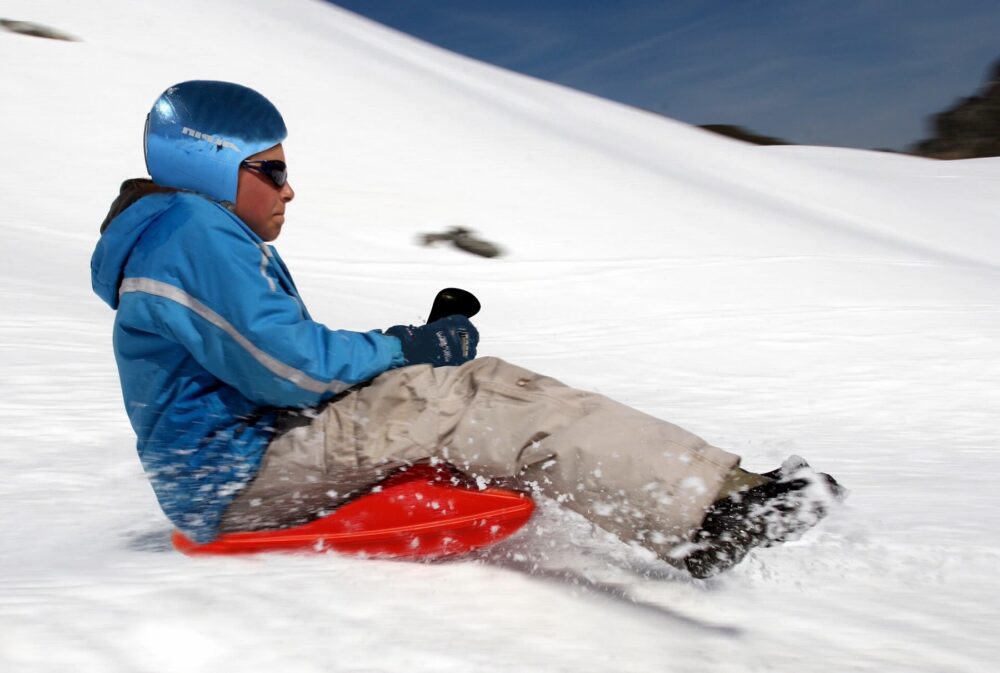
Zipfy sleds are compact, feet‑first snow sleds that appeal to families and winter toy sellers who want something more maneuverable than a plastic toboggan and less intense than a full luge. For Canadian buyers, the most reliable ways to get one are the official Zipfy store, Canadian retailers such as health and toy sites that stock the brand, and big marketplaces like Amazon.ca. If you’re cautious about return policies, Canadian‑based sellers with clear terms are usually a better bet than cross‑border deals, while second‑hand platforms offer cheap extras if you’re comfortable inspecting items yourself.
What Zipfy Sleds Are and Who They’re For
Zipfy markets its sleds as lightweight, compact downhill toys with a distinctive feet‑first riding position. You sit low, hold the central handle, and steer primarily by leaning into turns. According to Zipfy’s own descriptions, riders control speed by using their heels to slow or stop on a downhill run, which makes the ride feel more active and controllable than just lying prone on a traditional sled.https://www.zipfy.com
Most listings that carry Zipfy in North America describe them as suitable for kids roughly five years and up and able to support adults up to around 250 pounds.https://well.ca/brand/zipfy.html That range makes Zipfy a shared family toy: one product can cover children, teens, and adults as long as your hill and conditions are appropriate. They’re typically promoted for groomed hills and parks, not backcountry steep terrain.
For small ecommerce businesses, Zipfy sits in the “higher‑interest winter toy” bucket: it’s recognizably different, small enough to ship without freight logistics, and has a clear brand story (compact, carving sled with a Canadian design team) that you can explain in a product description.https://www.zipfy.com/about
Zipfy Models and Related Winter Toys: Picking the Right Type
The Zipfy range is centered on two main models sold online: the Zipfy Classic and the Zipfy Freestyle Mini Luge. Both follow the same general concept, but they’re positioned for slightly different riding styles.https://www.zipfy.com/shop
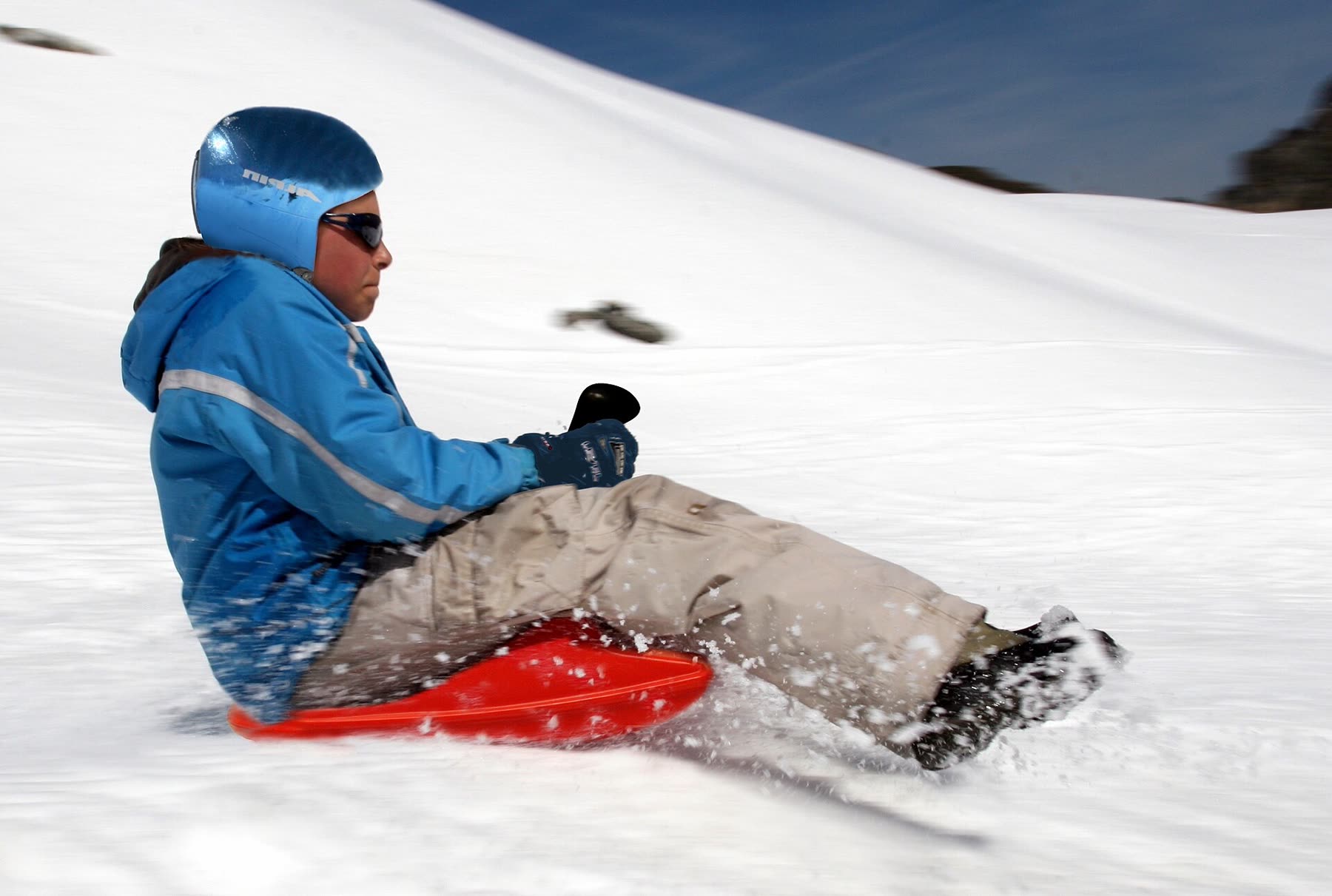
The Classic tends to be the all‑round family choice. Canadian retailers that stock Zipfy, such as Well.ca, carry the Classic in multiple colors and describe it as a compact, lightweight sled for general downhill fun.https://well.ca/products/zipfy-classic-snow-sled-blue_80201.html For most households or general toy stores, this is the default SKU.
The Freestyle Mini Luge leans more into sport‑style riding. Amazon.ca listings for the Freestyle highlight carving control and a more aggressive downhill experience, often emphasizing quality and durability for repeated winter use.https://www.amazon.ca/Zipfy-Freestyle-Mini-Luge-Snow/dp/B0G2CTJRLV If your customer base is older kids, teens, or adults who want a sharper carve, this model is worth considering.
For stocking decisions, think in terms of rider profile and price sensitivity:
- Family‑friendly inventory: One or two colors of Zipfy Classic plus a couple of non‑Zipfy sleds (simple plastic toboggans, foam sleds) give you a ladder from budget to premium without overcomplicating SKUs.
- Sporty or resort‑adjacent inventory: The Freestyle Mini Luge plus helmets and goggles can be merchandised as a more serious winter sports toy.
- Complementary toys: Zipfy is often presented alongside other snow toys like discs and kids’ snowboards on retailer sites. Even if you only carry Zipfy, your copy and cross‑selling can acknowledge those alternatives to show shoppers you understand the category.
Scenario snapshots
- Family buyer in Ontario: Wants two sleds that both kids and parents can share. Buying two Classics from a Canadian retailer with free shipping over a certain cart value will usually keep logistics simple and avoid surprise duties.
- Small ecommerce seller in Alberta: Focused on curated winter toys. Carrying a small run of Freestyle Mini Luge sleds and listing them with clear age and hill recommendations can differentiate your catalog from generic big‑box sleds.
Where Canadians Can Buy Zipfy Sleds Online and What to Watch For
For a Canadian address, you realistically have four channel types: brand‑direct, Canadian retailers, large marketplaces, and second‑hand platforms. Each behaves differently on shipping and returns.
Here’s a compact view of the main options:
| Channel type | Typical role for Canadians | Shipping scope (as observed) | Return policy patterns (as observed) |
|---|---|---|---|
| Zipfy official site | Brand‑direct purchase, global availability | Ships orders internationally with stated flat per‑order and per‑item fees.https://www.zipfy.com/shop | Has a posted return policy; details and costs vary by order. |
| Canadian retailers | Low‑friction option for consumers and small sellers | At least one retailer limits Zipfy sleds to Canadian customers only.https://well.ca/products/zipfy-classic-snow-sled-red_80197.html | Some Zipfy items are marked as final sale (no returns). |
| Large marketplaces | Mix of new inventory and third‑party sellers | Amazon.ca and similar generally ship domestically; cross‑border offers can appear.https://www.amazon.ca/Zipfy-Freestyle-Mini-Luge-Snow/dp/B0G2CTJRLV | Return terms depend on each seller and listing. |
| Second‑hand sites | Cheapest option, good for extras and experiments | Local meetups or domestic shipping through platforms like Kijiji.https://www.kijiji.ca/b-canada/zipfy-sleds/k0l0 | Typically buyer‑negotiated; platform protections vary by site. |
1. Zipfy’s own store
The official Zipfy shop offers direct ordering and lists flat per‑order and per‑item shipping fees, including for international destinations.https://www.zipfy.com/shop This can be attractive for a small seller who wants to test a few units without hunting for distributors. The trade‑off is that international shipping from a brand site may cost more per sled than consolidating within Canada, and delivery times can be longer than domestic options.
Tip for small ecommerce businesses: If you’re considering brand‑direct sourcing, run the math on landed cost per unit versus buying from domestic wholesalers or retailers that offer business accounts. The simplicity may be worth it for a limited seasonal experiment, but margin will be tight.
2. Canadian health and toy retailers
Well.ca carries Zipfy under its winter toys assortment and highlights that certain Zipfy Classic sled listings are only shipped to Canadian customers and are marked as final sale.https://well.ca/products/zipfy-classic-snow-sled-red_80197.html Similar Canadian toy‑focused sites, like Mastermind Toys, have historically stocked winter riding toys, making them natural places to look for Zipfy or comparable products.https://www.mastermindtoys.com
For individual buyers, this Canada‑only approach can be an advantage: no duties surprises, and shipping thresholds are tailored to domestic orders. The downside is the lack of returns if an item is clearly labeled as final sale, so you should be confident about the model and rider suitability before buying.
For small businesses, ordering at consumer retail pricing from these sites is usually best for micro‑scale tests (a handful of units) rather than ongoing wholesale. The policies are tuned for end users, not resellers.
3. Marketplaces and classifieds
Zipfy appears on Amazon.ca and global marketplaces, typically through brand listings or third‑party sellers.https://www.amazon.ca/Zipfy-Freestyle-Mini-Luge-Snow/dp/B0G2CTJRLV On the used side, Kijiji in Canada returns results for Zipfy sleds, showing that resale and local pickup are common.https://www.kijiji.ca/b-canada/zipfy-sleds/k0l0
For families, marketplaces can be a straightforward way to grab a Zipfy with fast domestic shipping, but terms vary by seller. For second‑hand purchases via Kijiji or similar, you trade formal returns for low prices and the chance to inspect in person.
For ecommerce sellers, marketplaces can be a path to source a few units or to resell Zipfy yourself, but you’ll need to factor in platform fees, competition, and the seasonal nature of sled demand.
For Canadian buyers and small sellers, Zipfy sits in a sweet spot between simple plastic sleds and specialized winter sports gear. If you want low‑friction shopping and clear policies, Canadian retailers and Amazon.ca are usually the easiest. If you’re experimenting with a niche winter toy offering or need specific colors or models, the official Zipfy store and a mix of marketplace and second‑hand sourcing give you more flexibility, at the cost of more homework on shipping and returns.