
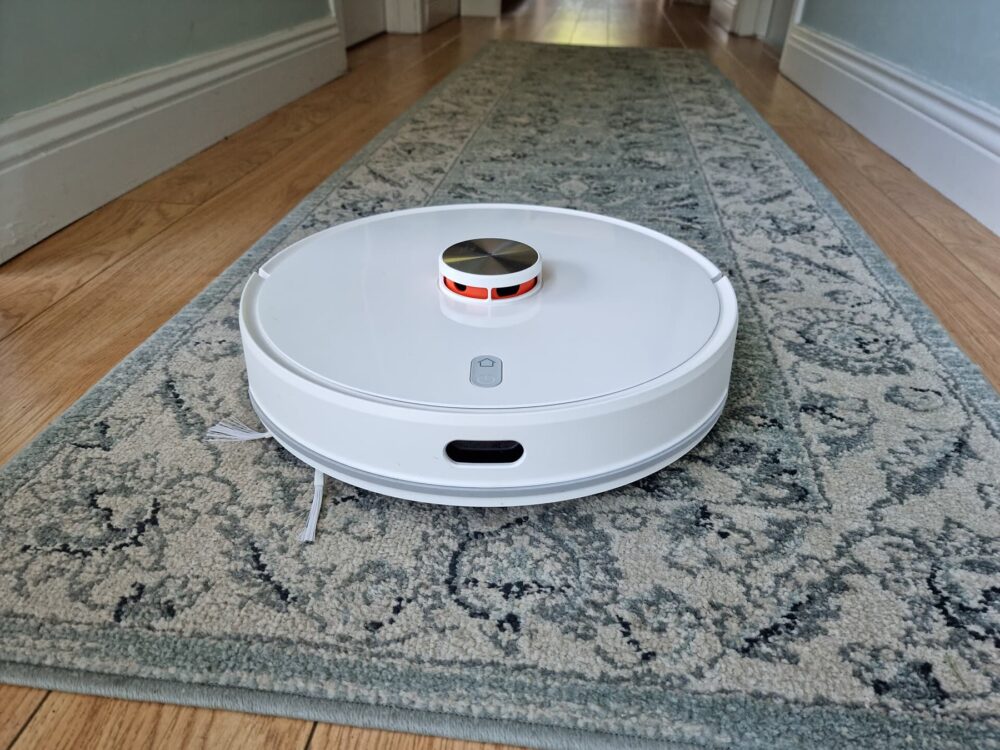
If you’re in Australia and chasing robot coupon codes & deals, the best savings rarely come from a single magic site. You’ll usually do better by pairing one or two coupon/deal hubs with a mainstream marketplace or brand store, then timing big events like Black Friday, Cyber Monday and Click Frenzy. For iRobot and similar robovacs, that often looks like: find a promo code on a coupon aggregator, confirm the price against Amazon or a local retailer, then pounce during a sale window rather than buying at full RRP.
This guide walks through how those platforms actually work, where robot discounts tend to surface for Australians, and how to choose the right route whether you’re buying one Roomba for home or sourcing stock for a small ecommerce shop.
How Robot Coupon Codes & Deals Actually Work Across Different Sites
“Robot coupon codes & deals” is a loose label for all the promotions you can use on robot products: robot vacuums like Roomba and Ecovacs, robotic mowers, and even specialist hardware from robotics retailers. The offers themselves usually live on retailers’ and brands’ checkout pages; coupon and deal sites mainly help you discover them.
For example, Goodshop’s iRobot page aggregates multiple coupons and promo codes for irobot.com at any one time, all pointing back to brand‑direct offers. You don’t buy on Goodshop; you click through, copy a code, and redeem it on iRobot’s own checkout.
Specialist robotics retailers are handled similarly. CouponArea’s RobotShop listing shows discount codes for RobotShop, a niche store selling robot hardware. Again, the coupon site is just a discovery layer, but it illustrates how robot‑specific gear gets covered.
In Australia, you also get deal hubs that track robot hardware across many stores. WhatsCheap runs local “robotic vacuum cleaner” and “robotic mower” tags that surface whichever retailers are discounting those products right now, from big-box chains to smaller ecommerce sites (robot vacuums, robotic mowers). You click out to the actual retailer to buy.
Finally, some promotions are event‑based. During major sale events, Click Frenzy’s Ecovacs page showcases limited‑time robot vacuum deals aimed squarely at Australian shoppers. Those price drops are real, but deeply time‑limited and specific to that event.
Put together, the flow usually looks like this:
- You see a headline like “Roombas up to 50% off” in a deal round‑up or event site.
- You click through to Amazon, iRobot, or a local retailer, where the actual discount applies.
- You optionally stack a coupon code from a site like Goodshop or CouponArea if the retailer allows it.
Platform Types for Robot Vacuum Discounts: How Each Channel Plays Its Part
You’ll save more consistently if you treat platforms as roles in the discount stack rather than competitors fighting for the same sale.
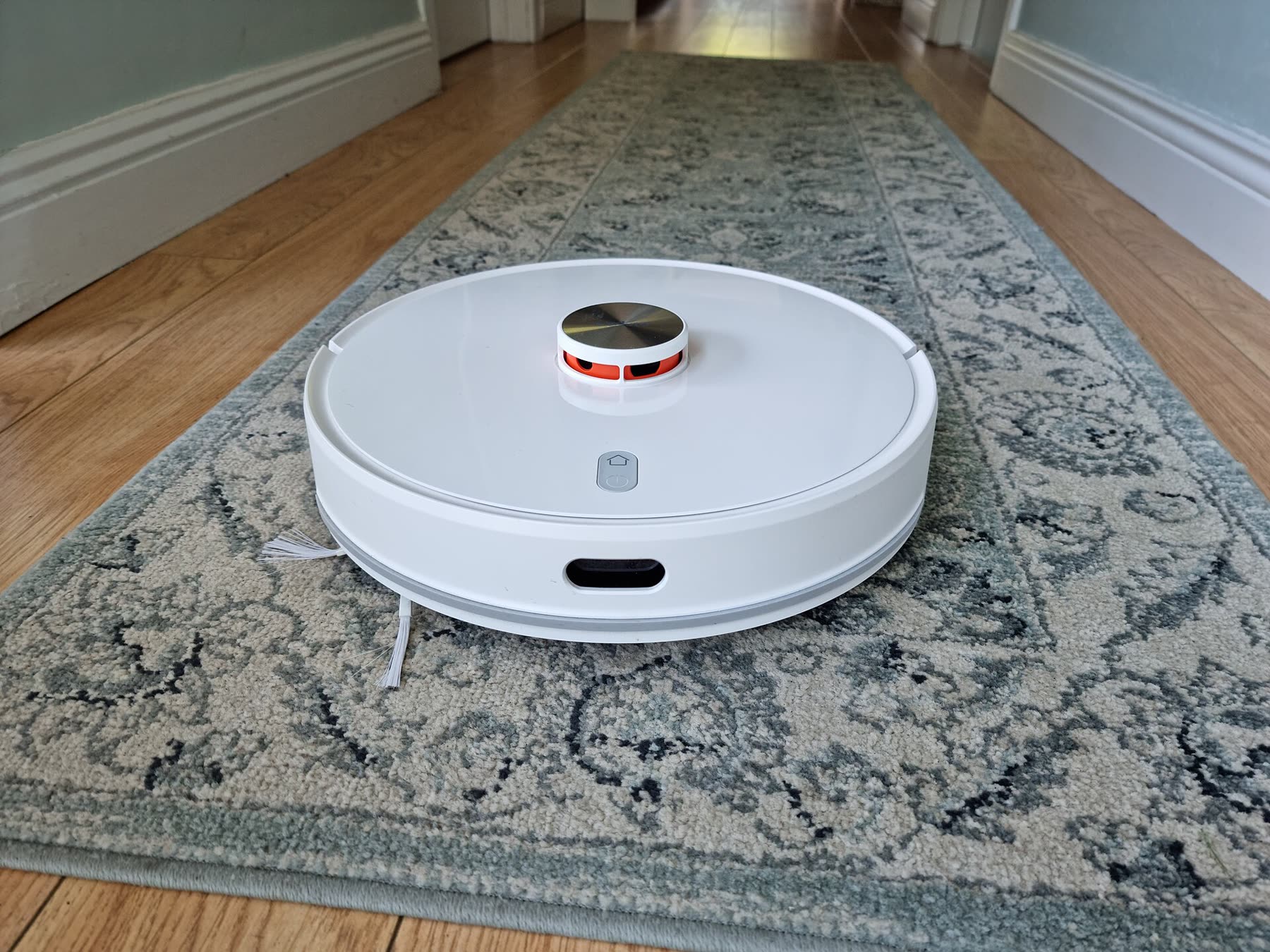
Coupon aggregators (iRobot, RobotShop and friends)
Coupon aggregators exist mostly to surface codes and brand promos in one place.
- Operational model: They partner with brands or scrape public offers, then list codes and deal headlines. You click through to the brand or retailer and redeem there.
- Examples: Goodshop for iRobot (irobot.com coupons), CouponArea for RobotShop (RobotShop codes).
- Typical savings: Often smallish percentages, free shipping, or “dollars off” on specific models or accessories. Exact numbers change constantly.
- Pros: Low effort way to check if you can shave something off the price you already planned to pay.
- Cons: Codes can expire or apply only to certain SKUs; you must still compare the final price with marketplaces and local retailers.
Buyer flow: you decide to buy a Roomba from iRobot.com, search Goodshop, grab a current code, confirm it works in checkout, then apply it if the total beats other channels.
Australian deal hubs (WhatsCheap and similar)
AU deal hubs focus on live discounts across retailers rather than coupon codes.
- Operational model: They track sale prices and promos from multiple local stores and tag them by product type.
- Example: WhatsCheap’s robotic vacuum cleaner deals and robotic mower deals show which retailers are discounting robots right now.
- Typical savings: Can range from modest markdowns to big seasonal cuts when a store clears old stock.
- Pros: Fast way to see who in Australia is currently cheapest on a category, without manually checking every retailer.
- Cons: Listings are time‑sensitive; a great price you see today may be gone tomorrow.
Buyer flow: you decide you want “any decent mid‑range robovac under $500” and sort WhatsCheap’s robot vacuum tag by latest or steepest discounts, then click out to a retailer that meets your budget.
Marketplaces and retail sites (Amazon, iRobot.com, major chains)
Marketplaces and big retailers are where most actual robot vacuum purchases happen.
Coverage from deal‑focused media shows how strongly marketplaces discount robots during events. PCMag Australia’s Cyber Monday robot vacuum guide highlighted sizeable one‑day savings across multiple brands, and Yahoo Tech’s more recent piece on Amazon’s Spring Sale detailed Roombas marked significantly below usual pricing (Roomba Spring Sale). The exact percentages and prices change every season, but the pattern is consistent: big events drive aggressive robo‑vacuum discounts.
- Operational model: You buy directly; coupons or promo codes apply in their checkout. Some brands (like iRobot) also run their own online stores with brand‑exclusive bundles.
- Typical savings: Small year‑round deals plus larger event‑based cuts.
- Pros: Wide selection, familiar payment methods, and often local stock for Australian buyers.
- Cons: Prices fluctuate; deals highlighted in media are often short‑lived and tied to specific events and sellers.
Event sale platforms (Click Frenzy)
Sale‑event platforms don’t usually handle checkout; they highlight short bursts of deals.
Click Frenzy’s Ecovacs page is a good example: during major Frenzy events it showcases Ecovacs robot vacuum promotions for a limited window, pushing shoppers to partner retailers or brand pages.
- Operational model: Concentrate discounted offers into a short event period, with landing pages for brands.
- Typical savings: Often stronger than ordinary sale cycles, but highly time‑boxed.
- Pros: Excellent if you can wait and plan your robot purchase around a predictable event.
- Cons: Not useful if you need a robo‑vac tomorrow or you’re shopping off‑cycle.
How these platform types compare for robot deals
Here’s a quick way to think about where each platform sits in your robot‑buying stack:
| Platform type | Main job in your deal hunt | Where you actually pay | Best used for |
|---|---|---|---|
| Coupon aggregators | Finding codes for brand/retail checkouts | Brand or retailer site | Shaving extra dollars off a decided purchase |
| AU deal hubs | Spotting which local store is on sale | Retailer site | Category browsing under a price ceiling |
| Marketplaces/retail | Hosting the real transaction & inventory | On‑site checkout | Final purchase, returns and delivery |
| Event sale platforms | Concentrating short‑term, high‑visibility deals | Retail/brand sites | Timed buys around Black Friday/Frenzy |
Choosing Where to Buy: Matching Platforms to Your Robot Scenario
There’s no single “best” site for robot coupon codes & deals. The right route depends on whether you’re a household shopper or a small seller, and how flexible you are on timing.
If you’re buying one robo‑vac for home
- You want the lowest trusted price on a known model (e.g., an iRobot Roomba). Start with an event‑driven roundup from a reputable tech outlet or deal hub, such as PCMag’s Cyber Monday robot vacuum page or Yahoo’s Spring Sale coverage. Check which retailer or marketplace is currently offering the strongest deal on your preferred model.
- Then try to stack a coupon. Once you’ve picked a store (say iRobot.com or a major retailer), look for brand‑specific codes on a coupon site like Goodshop. If a code applies and doesn’t disqualify the sale price, you’ve effectively stacked two channels.
- If you’re not brand‑fixed. Use WhatsCheap’s robot vacuum tag to see which models are meaningfully discounted in Australia today, then research the specific robot’s cleaning performance before buying.
If you’re a small ecommerce seller testing robot vacuums as a product line
Your task is different: you care about margin and supply as much as the one‑off deal.
- Use AU deal hubs and media coverage to understand price floors. WhatsCheap’s tags and seasonal round‑ups like Yahoo’s Black Friday robot vacuum deals in Australia show what “good” sale pricing looks like in the local market. That helps you avoid sourcing inventory at costs that will never be competitive.
- Consider cross‑border marketplaces for stock, but be cautious. Global platforms can list smart vacuums, parts, and accessories well below Australian RRPs. DHgate, for example, publishes editorial content describing itself as an affordable source of smart vacuum cleaners with user reviews to guide purchases, positioning around value rather than branding (DHgate smart vacuum blog). If you explore that route, treat each listing and seller as its own risk profile: check specs carefully, compare landed cost against Australian deal‑event prices, and account for warranty support being overseas rather than local.
- Decide whether you’re a “deal flipper” or a steady‑price seller. If you plan to resell robots bought during deep local sale events, you’ll be competing with the very same events your customers see. Cross‑border sourcing may make more sense if you can secure a stable wholesale‑like price and differentiate on bundles or accessories.
For both households and resellers, you’ll usually get the best outcome by:
- Watching event‑driven coverage (Cyber Monday, Black Friday, Click Frenzy) for big robot vacuum drops.
- Checking AU hubs like WhatsCheap or individual retailers against those event prices.
- Using coupon aggregators to trim the final total on whichever route you pick.
- Keeping cross‑border marketplaces in reserve for accessories, parts, or experimental stock once you’ve done the math on shipping time, landed cost, and support.
If you decide to explore any marketplace beyond the usual suspects, it’s worth reading platform explainers like our overview of online marketplaces and shopping platforms or a neutral breakdown of how DHgate works as a marketplace before committing to a robot purchase or sourcing strategy.