
Capybara costumes for Australians are easiest to find on mainstream costume sites and general marketplaces: you’ll mostly see inflatable “ride-on” suits for adults, plush onesies for lounging or themed events, and hooded jumpsuits for kids. To get good value and reliable delivery, start by deciding which type fits your use (high-impact party outfit vs cozy sleepwear), then check materials, sizing charts, and recent reviews on whichever platform you choose. For small ecommerce sellers, domestic suppliers like costume retailers and marketplaces can cover small batches, while international capybara boutiques add niche designs but introduce longer and less predictable shipping.
What Capybara Costumes Are and Who Buys Them
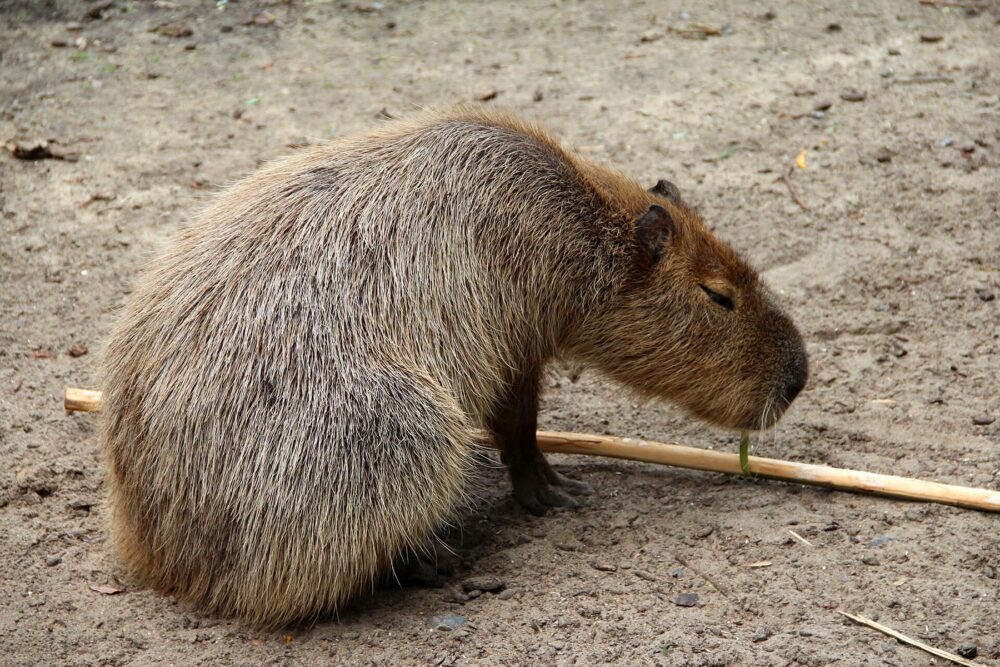
A capybara costume is an outfit designed to mimic the look of a capybara – the large, calm South American rodent with a blunt snout and rounded body. Commercial costumes typically exaggerate that shape: big soft heads, rounded muzzles, and stocky bodies in brown or orange tones. Adult full-body suits exist, but the category also includes ride-on inflatables where you look as if you’re sitting on a giant capybara.
In Australia, buyers tend to use capybara costumes for Halloween, themed parties, school dress-up days, and social media content. Small ecommerce businesses treat them as a niche novelty product: a way to stand out in crowded animal-costume categories dominated by dinosaurs and unicorns. If you’re reselling, think in terms of use case: loud, short-term party wear vs repeat-use pajamas, because that will drive both quality expectations and return risk.
Capybara Costume Types and How They Differ
Online listings show a few distinct styles. Understanding the practical differences helps you avoid mismatches on comfort or resale.
1. Adult inflatable “ride-on” capybara suits
Australian retailers stock inflatable capybara costumes where you appear to ride an oversized orange capybara. For example, Blossom Costumes sells an adult riding orange capybara inflatable costume targeting parties and Halloween.
Key traits:
- Built-in fan powered by batteries to keep it inflated
- Lightweight synthetic material (often polyester)
- Strong visual impact and good for short events
- Noisy fan, warm to wear, and limited sitting mobility
For resale, inflatables are a “wow” product but can generate complaints if fans fail or seams tear. They’re best for occasional use, not as an everyday costume.
2. Kids hooded jumpsuit costumes
Kids’ capybara costumes tend to be one-piece jumpsuits with a hood shaped like a capybara head. Australian-focused costume sites, such as HalloweenCostumes.com.au’s kids capybara costume, follow this pattern.
Typical features:
- Soft fabric (often fleece-like or brushed polyester)
- Front zipper or snaps for easy dressing
- Tail and ears to convey the animal look without full padding
These work for school events and lighter play. If you’re buying for a child, prioritize breathable fabric and ease of washing. For resellers, they sit between novelty and practical children’s loungewear.
3. Plush onesie and pajama-style costumes
Capybara onesies blur the line between costume and sleepwear. General marketplaces like Dick Smith list capybara animal pyjamas, such as a capybara onesie for adults and kids.
Common traits:
- Full-length, loose-fitting body with a front closure
- Plush or fleece fabric designed for comfort
- Minimal structure, focused on coziness rather than realism
These are ideal if you want a “low-effort” costume for movie nights, sleepovers, or conventions. For ecommerce sellers, onesies usually have broader appeal and fewer complaints about tight fits or mechanical failures compared with inflatables.
4. Niche boutique designs and doll-scale costumes
Outside mainstream sites, capybara-themed boutiques carry more experimental designs. Capybara Boutique’s costume collection shows multiple variants – from full suits to themed accessories – aimed at global buyers.
There are also capybara cosplay outfits for collectible dolls: for example, labubu doll capybara costume clothes appear on specialty and Australian micro-brands, giving hobbyists a way to dress figures rather than people. These are more about fandom culture and customization than wearability.
Inflatable vs Onesie: Quick Fit Guide
Here’s how the two main human-focused types compare for both events and small resale.
| Costume type | Best use cases | Comfort level (editorial) | Typical risk points |
|---|---|---|---|
| Inflatable ride-on suit | Parties, Halloween, viral videos | Medium (warm, limited flex) | Fan failure, seam tears, battery hassles |
| Kids hooded jumpsuit | School events, light cosplay | Medium–high | Sizing inaccuracies, fabric too warm in summer |
| Plush onesie/pajamas | Lounging, sleepovers, casual wear | High for most users | Shrinkage or pilling after washing |
Inflatables are better if your goal is attention and short-term spectacle. Onesies and jumpsuits suit longer wear, gift buying, and ecommerce buyers who care about repeat use and comfort.
Where to Buy Capybara Costumes Online and What to Check First
Australians can source capybara costumes both domestically and via overseas sellers. Each option has specific pros and trade-offs.
Domestic-focused options
Several sites already target Australian buyers:
- Costume specialists – Blossom Costumes’ adult inflatable capybara and HalloweenCostumes.com.au’s kids capybara costume show that both adult and child options are available locally.
- General marketplaces – Dick Smith’s capybara onesie sleepwear listing demonstrates that capybara-themed pajamas are stocked alongside other novelty items.
Domestic platforms typically mean shorter shipping distances and clearer returns processes, though exact delivery times and policies vary by seller.
Cross-border boutiques and international costume sites
If you want more variety or niche designs, international sellers expand your options:
- Capybara-themed boutiques – Capybara Boutique’s costume collection offers multiple capybara-themed outfits and accessories for global buyers.
- Overseas costume sites – Sites like HalloweenCostumes.ca carry adult capybara suits, and some may ship to Australia depending on their policies.
Cross-border orders can offer styles you won’t see locally, but shipping times to Australia may be longer and less predictable, and you can face import duties or taxes depending on order value and carrier. Treat anything shipping from overseas as a longer lead-time purchase and build buffer into event dates or launch schedules.
Specific checks for buyers and small resellers
To make sure the costume you choose matches your needs, focus on capybara-specific details rather than generic marketplace advice:
- Material and heat: Inflatable suits and plush onesies both trap warmth. For Australian climates, look for listings that specify breathable polyester or cotton blends and avoid heavy pile fabrics if you’ll wear them outdoors.
- Sizing charts for bulky shapes: Full-body or ride-on capybara costumes have unusual proportions. Compare the costume’s stated height and chest/waist measurements with your own and consider layering (e.g., clothing underneath a onesie). Kids’ hooded jumpsuits usually list age ranges; treat those as rough guidance and look for actual height data.
- Review patterns, not just star ratings: For inflatables, scan reviews for mentions of fan reliability and seam strength. For onesies and jumpsuits, look for comments about fabric softness, true-to-size fit, and washing outcomes.
- Shipping expectations from overseas: When ordering from a capybara-focused boutique outside Australia, check whether they state approximate transit windows and whether duties may be payable. Use cautious assumptions like “may take several weeks” rather than planning to receive an item within a specific number of days.
For a party host buying a single costume, a domestic inflatable or onesie with clear photos and a few detailed reviews is usually enough. For a small ecommerce seller testing capybara costumes, consider starting with a mix of one inflatable and a couple of onesies sourced locally, then layering in one or two boutique imports once you understand demand and your customers’ tolerance for wait times.