
Eco-friendly chocolate packaging is worth sourcing only if it still protects your product: you need materials that manage fat, aroma, moisture, and light, match your shelf-life needs, and fit the way you sell (bars, bonbons, pouches, or gift boxes). For most small Canadian and US brands, that means pairing either a good barrier film or inner pouch with a more sustainable outer layer—like FSC-certified paper or recyclable cardboard—then choosing suppliers whose certifications, MOQs, and lead times fit your scale. Local packaging specialists and short-run flexible printers are often safer for primary food-contact packaging, while cross-border routes and marketplaces can make sense for branded outer boxes when you’re comfortable vetting eco claims and logistics.
Chocolate Packaging Basics: Barrier Needs and Realistic Eco Options
Chocolate behaves differently than cookies or chips. It’s sensitive to:
- Fat and aroma migration – you want a barrier that keeps cocoa butter and flavor locked in.
- Moisture – too much humidity can cause sugar bloom or texture changes.
- Light and oxygen – especially for milk and inclusion bars, which can stale or oxidize faster.
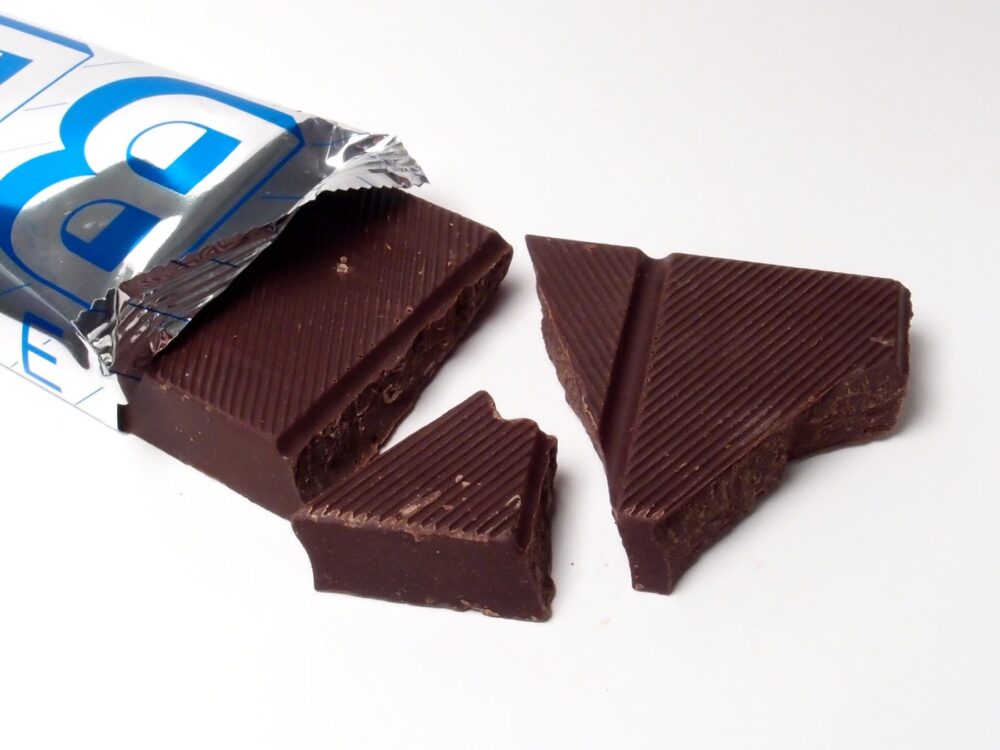
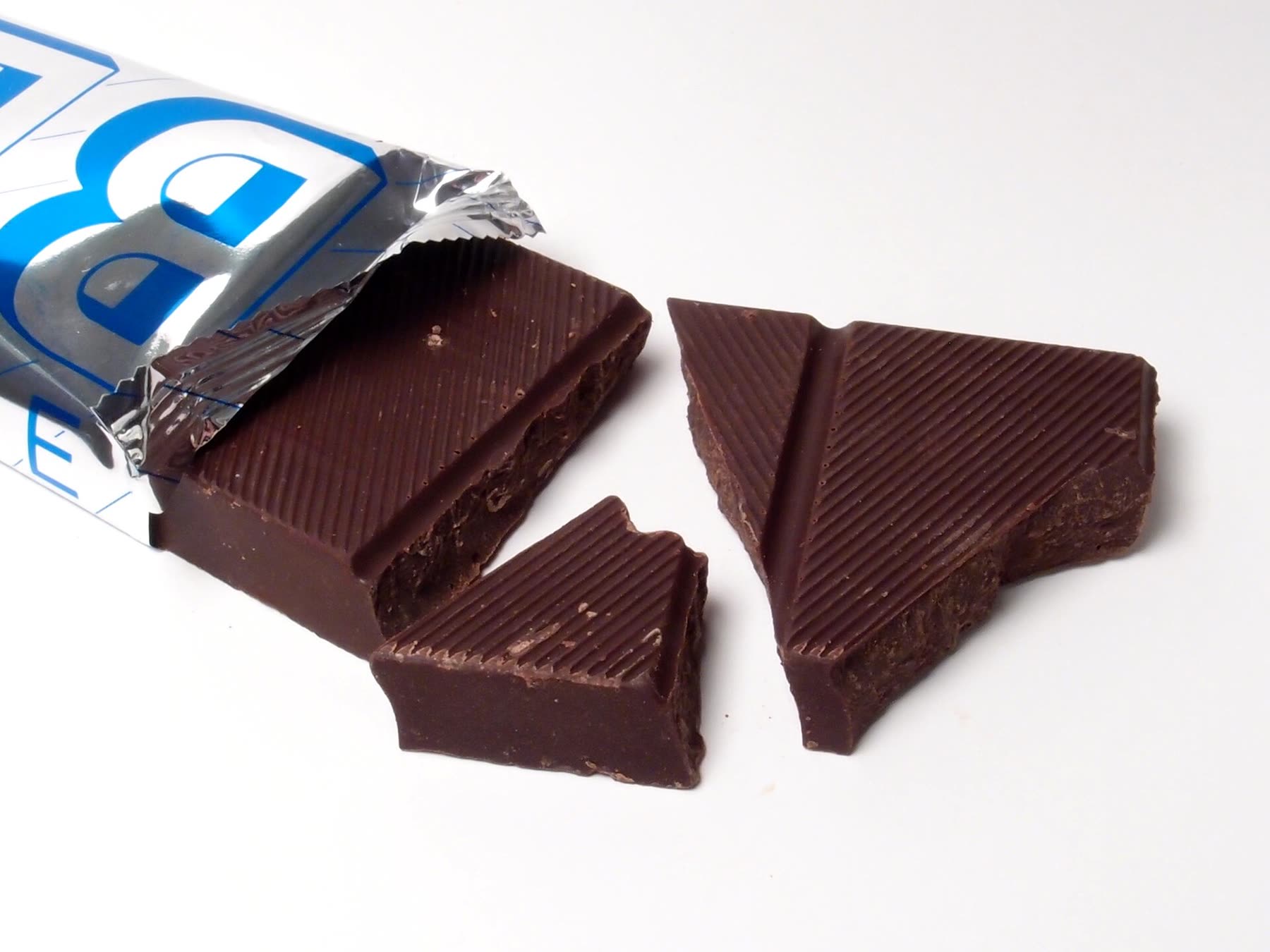
Traditional craft chocolate packaging often uses a multilayer structure: a good barrier inner (foil or plastic laminate) plus a printed outer paper wrapper or box. As Cacao Craft’s working guide points out, jumping straight to compostable films without understanding barriers can noticeably shorten shelf life. The exact impact depends on your recipe and storage, but the tradeoff is real.
Here’s a simple way to think about eco materials by use case:
| Main product type | Primary barrier need (inner) | Outer pack that can be more eco |
|---|---|---|
| Shelf-stable bars | Strong fat, aroma, and moisture barrier | FSC-certified paper wrapper or recyclable cardboard box |
| Filled bonbons/pralines | High moisture and oxygen barrier, often rigid tray | Recycled paper carton or reusable tin/glass jar |
| Panned items (dragées) | Moderate moisture, light protection | Compostable pouch (if turnover is fast) + paper label |
| Seasonal gift assortments | Barrier for individual units, often internal trays | Branded cardboard or kraft gift box, possibly reusable |
A few practical eco directions that chocolate brands are using:
- Certified paper and board: Brands like organic chocolate maker Vivani highlight use of FSC-certified and responsibly sourced paper to cut footprint on the outer layer while keeping food safety.
- Compostable or bio-based films: Suitable for high-turnover items or brands willing to accept shorter shelf life, especially for pouches and small bags. Specialized suppliers such as Ecolution’s compostable chocolate pouches offer structures tuned for confectionery.
- Recyclable mono-material films: A middle ground for bars or pouches where you still need barrier but want post-consumer recycling potential.
- Rigid reusable formats: Glass jars or tins for premium gifts. DHgate’s own candy-packaging editorial notes glass is fully recyclable and reusable, but you’ll need to design a refill or reuse story that fits your brand.
For a small chocolate business, the key is to decide upfront:
- How long your products must realistically last (on shelf, in transit, at the customer).
- How much risk you’re willing to take on compostable or lower-barrier films.
- Whether your eco focus is outer pack optics (paper, board) or full-system (including inner film and shipping materials).
That clarity will drive which suppliers and channels make sense.
Finding and Vetting Eco-Friendly Chocolate Packaging Suppliers
For food-contact packaging in Canada and the US, you want suppliers who can prove both safety and sustainability, not just marketable buzzwords.
Where suppliers sit in the ecosystem
You’ll typically encounter four types of companies:
- Eco packaging distributors in Canada and the US that import or stock compostable, recyclable, and paper-based formats for food service and retail. Canadian examples discussed by KimEcopak show that domestic distributors often pair their own branded eco lines with products from international manufacturers.
- Flexible packaging printers such as ePac Canada, which offer custom pouches and films for natural/organic food brands. ePac specifically markets low minimum orders and turnaround in roughly 5-15 business days for custom runs, which can be a game-changer for small chocolate makers needing branded barrier packaging.
- Material manufacturers (films, compostable resins, specialty papers) that sell via converters or directly for larger orders.
- Boutique box and carton makers that specialize in branded paperboard boxes for bars and assortments.
Directories like Revenuebase’s list of sustainable packaging material suppliers in Canada suggest there’s a healthy number of eco-focused suppliers headquartered in Canadian cities, but you still have to vet them individually.
What to ask and check (specific to chocolate)
When you contact a supplier, your email or RFQ should be specific to your chocolate use case. For example:
We produce 70% dark bars (~60g) for retail sale in Canada and the US, with a target shelf life of 9-12 months at 18-20°C. We’re looking for an inner film or pouch with strong fat and aroma barrier and a more sustainable outer paper or box. Can you share:
– Recommended structures for chocolate bars
– Any compostable or recyclable options you’ve tested with chocolate
– Relevant food-contact and sustainability certifications
– Minimum order quantities and typical lead times for custom print
Then, press on three areas:
- Food-contact and barrier performance: Ask for data sheets and, ideally, chocolate-specific references. A supplier who has multiple chocolate or confectionery clients can often point to structures that have already worked, reducing your trial-and-error.
- Sustainability claims and certifications: For compostable or bio-based materials, look for third-party marks (such as BPI or TÜV Austria’s OK Compost) rather than generic “biodegradable” language. For paper and board, ask about FSC or PEFC certification.
- Realistic MOQs and lead times: Short-run specialists like ePac may accept much lower MOQs than traditional converters and print custom pouches in a couple of weeks, but that doesn’t mean every chocolate format is supported. Clarify minimums by size and structure.
Sampling is non-negotiable. Order printed or blank samples and run a simple shelf-life trial: store filled bars or bonbons under your normal conditions and check for bloom, flavor changes, or staining of the packaging. Online discussions of eco shipping materials, such as this Canadian small-business thread, show how quickly real-world use can diverge from marketing promises—your own tests matter more than any brochure.
Wholesale Channels and Cross-Border Sourcing: Local vs. Marketplaces
Once you know what you need technically, the next decision is where to buy. For eco-friendly chocolate packaging, the channel choice usually comes down to volume, customization, and your risk tolerance on cross-border logistics.
Local and regional specialists
For primary food-contact structures (inner films, pouches, bar wraps), local or regional packaging specialists in Canada or the US are often the safest route:
- They’re more likely to understand North American food regulations.
- Lead times and communication tend to be straightforward.
- Short-run printers like ePac and similar firms can balance low MOQs with custom print, especially for pouches aimed at natural/organic foods.
You’ll pay more per unit than ultra-high-volume imports, but you’re buying packaging that’s much closer to your technical spec and brand story.
General distributors and importers
Eco packaging distributors who stock compostable clamshells, paper bags, and pouches can work well for:
- Inner bags for dragées or seasonal items, if barrier and shelf life are acceptable.
- Outer bags, boxes, or shipping materials where food contact is indirect.
KimEcopak’s wholesale overview notes that Canadian food businesses routinely buy eco packaging wholesale from domestic distributors or international manufacturers shipping into Canada. The tradeoff is usually less customization at very low volumes, but easier reordering and more predictable logistics.
Marketplaces and cross-border options (including DHgate)
Online marketplaces can be useful for outer gift boxes and presentation packaging once your inner barrier is solved. For example, DHgate lists many customizable paper and cardboard candy boxes and gift packaging styles. On 2026-10-15, a quick product snapshot showed:
- A cardboard gift/candy box listed as “Gift box; Packaging box; Storage box; Candy box; Souvenir. Customize.” in the Custom Packaging category, around US$0.91 per unit at the observed price range (view listing).
- Small kraft pillow-style candy boxes (“packaging box, Small gift candy box, paper folding pillow paper box, gift box. Custom processing”) with prices in the roughly US$0.31-0.33 band (view listing).
- Handbag-style paper gift boxes (“Handbag packaging box, Customize.,wedding gift box, wedding candy box,Packaging boxes”) in the US$0.41-0.44 range (view listing).
If you explore this route for chocolate:
- Treat marketplace-sourced boxes as outer packaging only unless the seller can prove compliant food-contact materials.
- Ask directly about board sourcing (recycled content, FSC), print methods, and any sustainability claims—then verify through samples.
For help evaluating individual DHgate sellers, you can use DHgateWiki’s more focused guidance, such as finding wholesale suppliers on DHgate or how to choose a DHgate wholesale supplier. The key is to see DHgate and similar marketplaces as one option for branded outer packaging, not your primary source of engineered chocolate barrier films.
How to match channels to your order size
- Micro-batch (hundreds of units per run): Prioritize short-run flexible printers for inner pouches and local box makers or distributors for outer packs. Marketplaces only if you’re comfortable with sampling and longer lead times.
- Growing regional brand (thousands to tens of thousands): Hybrid approach—engineered films or pouches from regional specialists, cartons from domestic or cross-border converters; marketplaces mainly for seasonal gift boxes.
- High volume, national distribution: You’ll likely move into direct relationships with material manufacturers and converters, long-term contracts, and detailed barrier engineering. Eco decisions become part of a larger packaging strategy, not just a box choice.
If you hold onto one idea, make it this: nail the barrier and safety first, then use eco options on the outer layers and shipping materials to tell a credible sustainability story without compromising the chocolate.