
Buying castor oil by the gallon (or drum) makes sense once you’re clear on three things: how fast you’ll use it, which grade you actually need, and what your landed cost looks like from each supplier type. For most small US brands and soapmakers, conventional cosmetic‑grade castor oil in 1-5 gallon sizes runs in the tens of dollars per gallon before shipping, with organic, certified, and specialty grades costing more. The right move is to choose a grade that matches your end use, then compare per‑gallon prices plus freight from a few wholesale channels rather than chasing the lowest sticker price.
How Bulk Castor Oil Is Produced and Sold to US Buyers
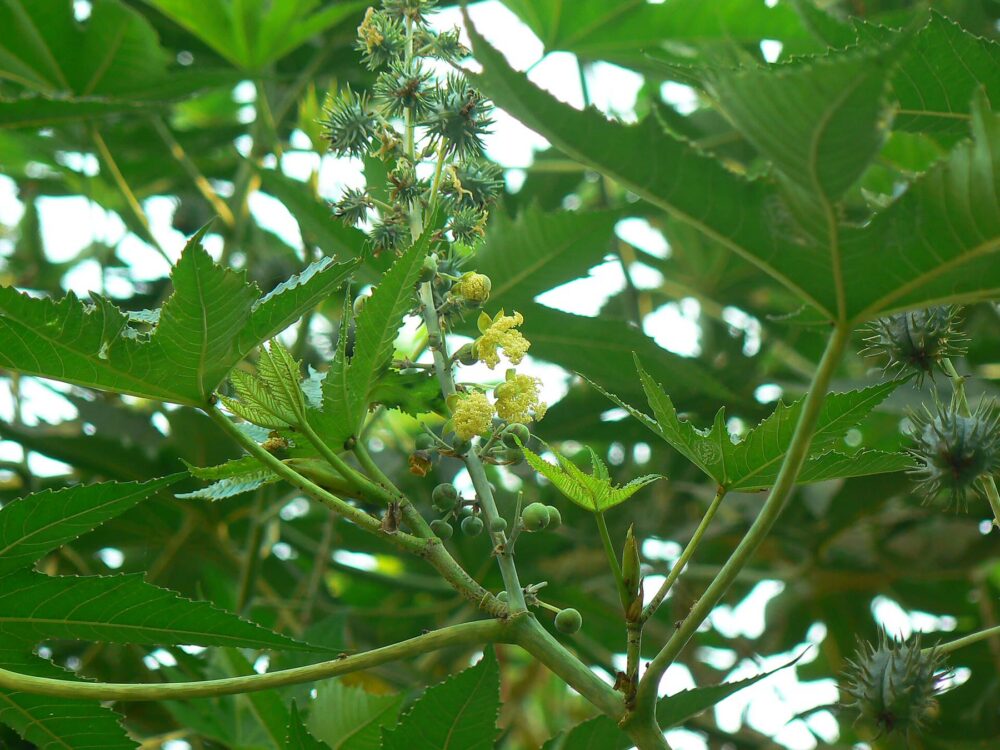
Castor oil is a commodity: it’s pressed from castor beans (Ricinus communis), then refined into different grades and shipped worldwide. Production is concentrated in countries like India and Brazil; US buyers rarely buy from farms directly. Instead, you’ll be dealing with importers and wholesalers who already handle the logistics and quality checks.
In practice, you’ll see a few recurring bulk formats:
- Multi‑gallon packs for mixed uses. Suppliers such as Naturevibe Botanicals sell pure, cold‑pressed castor oil in packs around 6-7 gallons, positioned for beauty, wellness, and industrial applications. These are typical for small brands who need more than retail bottles but less than a pallet.
- Carrier‑oil positioning for cosmetics/pharma. US wholesale sites like Natural Wholesale frame castor oil as a versatile carrier oil for cosmetics, personal‑care, and some pharmaceutical use. Here you’re usually choosing between cosmetic/USP grades, sometimes with “hexane‑free” or “cold‑pressed” listed for marketing and process transparency.
- Heavy drums for business and industrial customers. Business‑focused suppliers such as Wholesale Botanics offer sizes up to roughly 400 lbs. These are aimed at industrial users or larger manufacturers; pricing and freight are often custom‑quoted.
On top of size, you’ll need to select a grade:
- Conventional cosmetic/USP: refined for skin and hair products, often hexane‑free, but not necessarily organic.
- Certified organic: some suppliers, like Body Butter Supplies, highlight USDA or similar organic certification and emphasize “100% pure, no preservatives or additives.” That positioning is common for wellness brands and castor‑oil pack sellers.
- Industrial grades: used for mold release, lubricants, and other non‑cosmetic applications; price and specs revolve more around viscosity and performance than organic claims.
Your first decision is to map your use case to a grade. A facial serum or belly‑rub oil usually justifies cosmetic or organic castor oil with clear purity labeling, while a cement mold release or rubber lubricant typically doesn’t.

Judging Suppliers and Pricing When Buying Gallons or Drums
Once you know your grade and format, you’re trying to interpret supplier claims and per‑gallon prices. For small US buyers, several patterns show up repeatedly.
Price ranges and what drives them
From soapmaking communities and wholesale sites, real‑world gallon pricing for conventional cosmetic‑grade castor oil tends to fall in the tens of dollars per gallon, not single‑digit bargains or triple‑digit luxury prices. In a popular thread on the SoapMakingForum, soapers discuss buying 1‑gallon jugs in that range and point out that shipping quickly becomes a major part of total cost.
Expect prices to move based on:
- Grade: certified organic and USP‑labeled oils cost more than generic “pure castor oil.”
- Packaging size: larger formats tend to lower the per‑gallon price but hike shipping costs and breakage risk.
- Certifications and claims: suppliers that emphasize “100% pure, no preservatives, no additives” and list third‑party certifications often charge a premium.
Packaging and freight: why “cheap” gallons aren’t always cheap
Castor oil is heavy. A 5‑gallon pail can weigh 40-50 lbs, which increases both carrier rates and the risk of leakage or box damage in transit. The industrial listing from Douglas and Sturgess explicitly warns that shipping items at 50 lbs and above carries a breakage risk and suggests in‑store pickup.
If you’re buying online, think in landed cost, not just product price:
- Base price per gallon
- Shipping cost per order
- Any hazmat or freight surcharges
Soapmakers often reduce per‑oil shipping by bundling oils (castor, olive, coconut, etc.) into one box, as described in the same SoapMakingForum discussion. For a small brand, this can easily beat buying single gallons from multiple retailers.
Practical supplier checks (without getting generic)
For castor oil specifically, you can quickly narrow viable suppliers by:
- Reading the grade and process details: Look for terms like “USP,” “cosmetic grade,” “cold‑pressed,” “hexane‑free,” or “organic certified” on product pages such as Natural Wholesale or Plant Therapy’s bulk organic castor carrier oil.
- Checking purity language: Organic‑focused listings like Body Butter Supplies’ certified oil stress “100% pure, no preservatives or additives.” That’s the level of detail you want to see, rather than vague “premium quality” claims.
- Confirming business orientation: Sites that openly advertise bulk sizes for “industrial or business needs” (e.g., Wholesale Botanics) are more likely to handle drums, pallets, and repeat orders smoothly.
If a supplier can’t clearly explain the grade, origin, and packaging options, treat that as a red flag for gallon‑scale purchases.
A simple landed‑cost comparison example
Imagine you’re a US soapmaker who uses 3 gallons of castor oil every two months.
- Supplier A: sells 1‑gallon jugs at a mid‑range price, with flat‑rate shipping up to 40 lbs.
- Supplier B: sells a 6.6‑gallon pack of cold‑pressed oil at a slightly lower per‑gallon price but higher freight.
If you buy three 1‑gallon jugs from Supplier A and add a few other oils, you may spread the shipping cost across several inputs. With Supplier B’s large pack, you cut the per‑gallon product price but pay more freight at once and need storage space. Running the math on both product and shipping often flips what looks like the cheaper option.
Choosing a Sourcing Channel: Domestic Wholesalers, Importers, and Marketplaces
The same castor oil can reach you through very different channels. Your order size and tolerance for complexity decide which is worth the hassle.
Common sourcing routes
Here’s how a few realistic options stack up for US buyers:
| Channel type | Typical sizes available | Who it fits best | Key tradeoffs (editorial judgment) |
|---|---|---|---|
| US cosmetic/soap wholesalers | Quarts, 1-5 gallon jugs | Indie beauty brands, soapmakers | Higher per‑gallon price than drums, simpler logistics |
| Industrial/import distributors | 5‑gallon pails, drums up to ~400 lbs | Manufacturers, industrial users | Lower unit cost, heavier logistics and MOQs |
| Marketplaces (Amazon, etc.) | Retail bottles, some 32-128 oz | Tiny brands testing recipes, hobby users | Fast, easy, but often highest per‑ounce price |
| Cross‑border marketplaces | Small bottles, accessories | Brands sourcing ancillary items (packs, tools) | Good for accessories; bulk liquid supply often limited |
If you’re under 5 gallons per month, domestic wholesalers and marketplace‑sold gallons are usually simpler. Once you pass that threshold and have predictable demand, industrial distributors and importers get more attractive.
Where marketplaces like DHgate actually fit
General marketplaces can be useful, but they don’t always offer the formats you need for bulk oil itself.
As of a 2026-10-14 check, DHgate listings tied to castor oil skew toward small cosmetic bottles and accessories:
- 100 ml cosmetic‑style bottles such as the listing titled “100ml Body Skin Castor Essential Oil Base Dry Cracked Repair Massage Nourishing DIY Moisturizing Beauty Health Natural” (example product).
- Castor‑oil pack kits and compress wraps (e.g., reusable pack sets and foot/ankle wraps).
- General oil dispensers, small kitchen bottles, and other hardware that could be used to portion or apply oil.
In other words, DHgate currently looks more suitable for accessories and small packs than as a primary source of gallon or drum‑scale castor oil. If you do buy through a marketplace for these ancillary items:
- Treat each listing as its own deal: examine product photos, descriptions, and user reviews.
- Ask sellers direct questions about materials, capacity, and suitability for your formulations.
For vetting marketplace suppliers in general (not specific to oil), you can dig into platform‑focused guides such as Find wholesale suppliers on DHgate, Find DHgate suppliers, and Choose a DHgate wholesale supplier.
Matching channel to your order size
A quick way to decide your route:
- Testing a new product (under 2 gallons total): start with US wholesalers or marketplace gallons. The price per ounce is higher, but you avoid import complexity.
- Stable small‑brand production (3-15 gallons per batch): compare multi‑gallon packs from domestic wholesalers (e.g., 6.6‑gallon cold‑pressed formats) against quotes from distributors. Include shipping and storage costs in the calculation.
- Industrial or private‑label volumes (drums and pallets): talk directly to importers or industrial suppliers who offer up to 400‑lb drums and business terms.
Castor oil is widely available across these channels. Your edge as a small business comes from picking the grade and packaging that truly match your usage, then doing the land‑ed‑cost math instead of chasing the lowest headline price.