
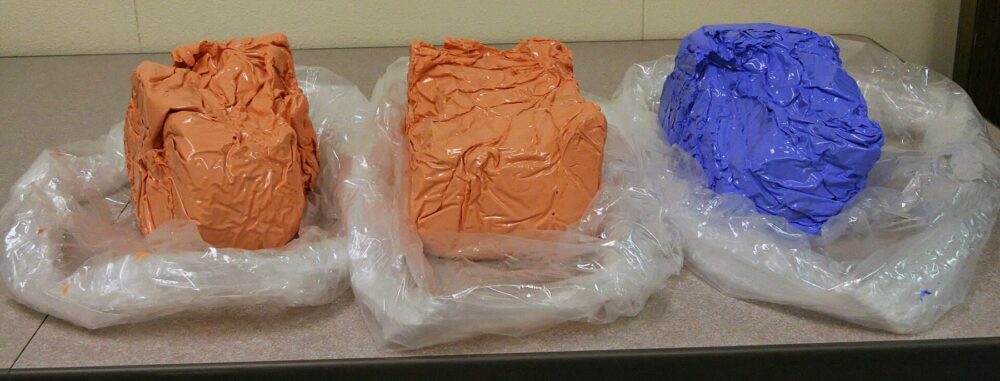
Bulk Silly Putty supplies are usually case packs of Silly Putty eggs or similar putty toys sold in lots of 24, 48, or 72 units for resale. As a U.S. small business, your first decision is whether to pay for branded Silly Putty (for predictable safety and easy marketing) or to chase higher margins with unbranded or novelty putty. That choice hinges on who your customers are—kids and parents looking for known brands vs. adults buying gag gifts or inexpensive sensory toys—and how comfortable you are managing product safety and labeling yourself.
If your audience is schools, fundraisers, or kid-focused subscription boxes, branded bulk packs from established toy companies tend to be the safer, more straightforward route. If you’re building a novelty or fidget shop and want variety (glow, metallic, “fart” putty, slime hybrids), generic putty assortments and cross-border sourcing can widen your range but demand much closer supplier vetting.
What Counts as Bulk Silly Putty Supplies for U.S. Resellers
Silly Putty itself is a toy compound containing silicone polymers that stretches, bounces, and can be molded without drying out, which makes it a durable fidget and sensory toy for kids and adults.Source In wholesale form, you’re not buying loose compound; you’re buying pre-packaged units ready to drop into gift baskets, classroom treasure chests, or online orders.
On the branded side, Crayola sells Silly Putty in bulk assortments. For example, its Silly Putty 24-egg bulk variety pack includes assorted putty toys positioned as gifts and sensory/fidget items for children.Source This is typical of branded wholesale: a single case yields 24 individually packaged eggs you can sell one-by-one or bundle.
Toy and party-supply wholesalers offer similar structures. One example is a 72-count “super brights” Silly Putty pack marketed as a bulk option for events and resellers.Source That kind of high-count case is common for low-price party favors. You’ll also see generic cousins of Silly Putty:
- Non-branded stretchy putty or slime in small cups or eggs
- Themed putties (metallic, glow, neon, “fart” putty) intended as gag or novelty toys
- Sensory putty assortments marketed for fundraiser prize tables
General merchandise wholesalers such as DollarDays list bulk slime and putty assortments specifically for resellers and fundraising buyers. These packs usually come pre-assorted by color and style and give you a mix of bright colors, glitter, and slime-like variants that complement or substitute for branded Silly Putty.
The branded vs. generic distinction matters for:
- Safety and compliance: Branded products often have clearer age grading and testing information on the packaging. Generic imports may not.
- Marketing: Recognizable names like “Crayola Silly Putty” can be featured in product titles and ad copy; generic “stretchy putty” needs more descriptive positioning.
- Margins: Branded eggs cost more per unit but can justify higher retail prices. Generic packs will usually be cheaper but require you to build trust with your own branding.
How to Vet and Communicate With Bulk Putty Suppliers
Because these products are handled by kids and often used in schools or party settings, you should treat supplier vetting as a quality and liability check, not just a price comparison.
Start by recognizing the main supplier types you’ll encounter:
- Branded toy distributors and educational suppliers carrying Crayola Silly Putty and similar lines
- General merchandise/party-favor wholesalers selling assorted putty, slime cups, and novelty compounds
- Cross-border exporters and factory-direct listings for custom or generic putty toys
For each type, tailor your questions to putty-specific risks and needs:
Composition and safety questions
- What is the base material (e.g., silicone-based compound vs. borax-activated slime)? You’re looking for something consistent with known toy compounds like Silly Putty rather than homemade-style slime.
- Is the product labeled non-toxic and age-graded (e.g., 4+)? Ask for packaging photos or spec sheets.
- Has the compound been tested to U.S. toy safety standards (such as heavy metal limits)? Don’t assume compliance; request documentation or third-party test reports if your buyers are schools or child care centers.
Labeling and packaging
- Request a close-up photo of the egg or cup label: it should show at least a brand or factory name, age recommendation, basic safety warnings, and country of origin.
- Confirm whether individual units are barcoded. Branded 24-egg cases often have retail-ready eggs; generic bulk assortments may not, which affects how smoothly you can list and scan products.
Assortment and case consistency
Wholesalers like DollarDays sell mixed packs of slime and putty for resellers.Source Before buying, clarify:
- How many distinct colors or styles come in a case
- Whether each case is packed identically, or assortments vary box to box
- If any SKUs in the assortment are seasonal or may change without notice
For generic or cross-border suppliers, ask them to spell out the assortment breakdown in writing (e.g., 72 pieces: 24 glow, 24 metallic, 24 neon). That helps you plan listings and avoid surprises.
Communication habits that protect you
Rather than a generic “check seller reputation,” focus on how suppliers respond to concrete putty questions:
- Do they provide ingredient summaries and age grading when asked, or only repeat marketing phrases?
- Can they send current case-pack photos rather than older catalog shots?
- Will they commit to keeping the same formulation and labeling across repeat orders, or do they warn that contents may change?
Suppliers who answer these specifics clearly are more likely to be organized and compliant. Vague or evasive replies are a sign to keep your order small or move on.
Pricing, MOQs, and Channel Choices for Bulk Putty Orders
From a U.S. small reseller’s perspective, bulk putty is typically accessible at case-pack MOQs rather than pallet scale. Retail-facing platforms like Walmart list bulk Silly Putty packs—such as a 24-egg Crayola assortment—indicating that you can start with a single case rather than committing to hundreds of units.Source Wholesale and fundraising sites following the same pattern also keep entry-level MOQs low.
Toy and party wholesalers that carry 24- or 72-count packs often expect you to buy multiple cases for the best per-unit economics, but they will usually let you test the line with one case. Generic slime and putty assortments from general merchandise wholesalers also tend to be sold case-by-case, which is friendly to school stores, PTA fundraisers, and small eCommerce brands.Source
Here’s how the main sourcing routes stack up for bulk putty orders:
| Sourcing route | Typical products | MOQ shape for small buyers | Strengths | Key risks/limitations |
|---|---|---|---|---|
| Branded U.S. distributors (Crayola, educational suppliers) | Original Silly Putty eggs, branded variety packs | Usually 1 case (e.g., 24 eggs) per SKU | Clear branding, established safety/testing, retail-ready packaging | Higher unit cost; less variety in novelty styles |
| U.S. party/general wholesalers (DollarDays, party-favor sites) | Generic putty, slime cups, novelty “fart” or glow putty | Often 1 case of 24-72 units per item | Low MOQs, wide assortment, good for events and fundraisers | Labeling and testing vary; you must review packaging yourself |
| Cross-border marketplaces (e.g., Cross-border multi-seller) | Generic or custom putty toys, craft compounds | Listing-specific; sometimes small lots, sometimes higher case MOQs | Potentially lower factory-direct pricing and custom designs | Listings and seller quality vary; you need to verify each supplier, and shipping times and import compliance add complexity.Source
That cross-border row is where DHgate fits. It’s an online marketplace that hosts craft and toy-related supplies, including slime ingredients and accessories in its broader catalog.Source For bulk putty toys, it’s an option if you want factory-direct pricing or custom colors, but it’s not plug-and-play: you need to vet each listing and seller individually and treat safety documentation as a must-have, not a nice-to-have.
If you go that route, pair generic marketplace checks with putty-specific ones: ask for full packaging photos, written ingredient summaries, and any available testing reports before committing. Internal guides on finding and evaluating DHgate suppliers—such as finding wholesale suppliers on DHgate, how to find DHgate suppliers, and choosing a DHgate wholesale supplier—can help you add structure to that vetting process.
A practical sourcing scenario
- If you run a kid-focused online store or stock classroom rewards, start with branded 24-egg Silly Putty packs from distributors or retail-facing platforms like Walmart, then layer in U.S. wholesale assortments of slime and putty from sites such as DollarDays to add variety.
- If you’re chasing margins on novelty fidget toys and your audience is older kids or adults, you can experiment with generic novelty putty from party wholesalers and, in small test orders, cross-border marketplace suppliers. Keep those orders small until you’re satisfied with formulation consistency and packaging.
You do not have to choose one route forever. Many U.S. resellers run a hybrid model: a core of branded Silly Putty for reliability, surrounded by generic sensory and gag putty bought opportunistically where pricing and supplier documentation meet their comfort level.