
At a Glance
Quick answer: choose a marketplace based on the purchase you need to make—not simply because it is familiar. Large retailers and strong regional platforms can be better for fast delivery and easier returns; resale or specialist platforms can be better for specific categories; and cross-border marketplaces can make sense for planned, price-sensitive sourcing when you are prepared to compare sellers carefully.
Bazaarshop.cc alternatives — use this guide to compare the practical route for your budget, delivery timeline and purchase needs.
If you’ve used or considered bazaarshop.cc, you’re likely looking for:
- A place to buy a wide range of products at low or mid-range prices
- A platform that feels safer and more established
- Clear tradeoffs between global marketplaces (like DHgate), big retail sites, and local options
This guide walks through the main marketplace types, compares popular alternatives, and shows when a cross‑border marketplace such as DHgate makes sense versus retail or local platforms.
What the Reader Is Actually Comparing
Before listing alternatives, it helps to clarify what “similar to bazaarshop.cc” really means. Most buyers and small sellers are comparing:
-
Cross‑border marketplaces
- Many independent sellers, often based in different countries
- Wide assortment, competitive prices, longer shipping times
- Examples: DHgate, AliExpress, Temu‑style platforms
-
Large retail marketplaces
- Mix of direct retail and third‑party sellers
- Faster shipping, more standardized service, higher average prices
- Examples: Amazon, Walmart.com, Target.com (region‑specific)
-
Specialized or brand‑authorized platforms
- Focused categories (electronics, fashion, handmade, etc.)
- Stronger emphasis on authenticity or craftsmanship
- Examples: eBay, Etsy, Newegg, Zalando, regional fashion sites
-
Local and regional marketplaces
- Country‑specific sites with local payment and delivery norms
- Better fit for local warranties and returns
- Examples: Mercado Libre (Latin America), Flipkart (India), Jumia (Africa), Allegro (Poland)
When you move away from a lesser‑known site like bazaarshop.cc, you’re really choosing among these platform types, each with different strengths in price, trust, and convenience.
The Main Platform Types and How They Differ
1. Cross‑Border Marketplaces (Including DHgate)
What they are
Platforms that connect buyers with sellers across countries, often focusing on low prices and broad assortment. Many sellers are manufacturers or wholesalers.
Typical strengths
- Very wide product range, including niche and bulk items
- Competitive pricing, especially for unbranded or lightly branded goods
- Useful for resellers, small businesses, and budget‑conscious buyers
Typical tradeoffs
- Longer shipping times and more complex returns
- Variability in product quality and seller reliability
- Import duties or customs considerations depending on your country
Examples
- DHgate – known for wholesale‑style and bulk sourcing, plus single‑item purchases
- AliExpress – broad consumer assortment, strong presence in many regions
- Other global marketplaces with low‑cost, cross‑border offers
2. Large Retail Marketplaces
What they are
Big platforms that combine their own retail operations with third‑party sellers. They emphasize fast delivery and standardized service.
Typical strengths
- Fast shipping (often 1–3 days in core markets)
- Clear return policies and customer service channels
- Strong brand recognition and extensive buyer reviews
Typical tradeoffs
- Higher average prices than cross‑border wholesale platforms
- Less access to factory‑direct or bulk‑only listings
- Some categories may be limited by region
Examples
- Amazon (global, with country‑specific sites)
- Walmart.com (US‑focused, some international reach)
- Target.com and similar regional retail platforms
3. Specialized Marketplaces
What they are
Platforms focused on specific product types or buyer needs, such as handmade goods, fashion, or electronics.
Typical strengths
- Curated selection and clearer category focus
- Often stronger emphasis on authenticity or craftsmanship
- Easier to compare like‑for‑like products within a niche
Typical tradeoffs
- Narrower assortment compared with general marketplaces
- Prices can be higher, especially for branded or artisan goods
- Shipping and returns vary by seller and region
Examples
- eBay – auctions and fixed‑price listings across many categories
- Etsy – handmade, vintage, and craft supplies
- Newegg – electronics and computer components
- Regional fashion platforms (e.g., Zalando in Europe)
4. Local and Regional Marketplaces
What they are
Country or region‑specific platforms that align with local payment methods, delivery networks, and regulations.
Typical strengths
- Local warranties and easier returns
- Familiar payment options and language support
- Better fit for regulated categories (e.g., certain electronics, appliances)
Typical tradeoffs
- Smaller assortment than global cross‑border sites
- Prices may be higher than factory‑direct options
- Limited access to some international brands or niche items
Examples
- Mercado Libre (Latin America)
- Flipkart (India)
- Jumia (Africa)
- Allegro (Poland), Rakuten (Japan), and similar regional sites
Comparison Matrix
The table below compares common marketplace types and named examples against the factors most people care about when moving away from a lesser‑known site like bazaarshop.cc.
| Platform / Type | Who It Suits Best | Shipping / Delivery | Reviews & Trust Signals | Price / Budget Level | Quality / Features Notes |
|---|---|---|---|---|---|
| DHgate (cross‑border) | Small businesses, resellers, bulk buyers, budget shoppers | International; varies by seller; longer on average | Seller ratings, buyer feedback, listing details | Generally low to mid; good for bulk | Wide assortment; quality varies by supplier; compare carefully |
| AliExpress (cross‑border) | Budget‑focused consumers, variety seekers | International; economy and standard options | Extensive buyer reviews, ratings | Low to mid | Many styles and variants; check photos and reviews |
| Amazon (retail + marketplace) | Everyday consumers wanting speed and convenience | Fast in core markets; same‑day/next‑day options | Large volume of reviews; strong brand recognition | Mid to high, with deals in some categories | Broad mix of branded and generic products; more consistent experience |
| Walmart.com (retail + marketplace) | US‑based buyers wanting value and local pickup | Fast shipping; store pickup options | Reviews, known retail brand | Mid; value‑oriented | Focus on mainstream consumer goods |
| eBay (specialized / mixed) | Deal hunters, collectors, buyers of used/refurbished items | Varies by seller and region | Seller feedback, transaction history | Wide range: low to high | Unique, used, and collectible items; authenticity varies |
| Etsy (specialized) | Buyers seeking handmade, custom, or vintage goods | Varies by seller; often small‑scale shipping | Shop reviews, item reviews | Mid to high | Emphasis on craftsmanship and uniqueness |
| Newegg (specialized) | Tech enthusiasts, PC builders | Standard and expedited options | Product reviews, tech‑focused community | Mid; competitive in electronics | Focused on components and electronics |
| Mercado Libre (regional) | Latin American buyers wanting local options | Local/regional; often faster than cross‑border | Local reviews, established regional brand | Mid; aligned with local markets | Good for mainstream goods with local support |
| Flipkart (regional) | India‑based buyers | Local delivery; cash‑on‑delivery options in some areas | Reviews, local presence | Mid; competitive locally | Mix of branded and generic goods; local warranties |
This matrix is a starting point. The right alternative to bazaarshop.cc depends on whether you prioritize price, speed, local support, or assortment.
Decision Framework
Use this simple framework to decide which type of marketplace fits your situation.
Step 1: Clarify Your Primary Goal
-
Lowest possible price or bulk sourcing
- You’re willing to accept longer shipping and more comparison work.
- Consider cross‑border marketplaces (DHgate, AliExpress).
-
Fast delivery and predictable service
- You want items quickly with straightforward returns.
- Consider large retail marketplaces (Amazon, Walmart.com) or strong regional sites.
-
Authenticity, craftsmanship, or niche items
- You care more about uniqueness or brand assurance than price.
- Consider specialized platforms (Etsy, Newegg, brand‑authorized sites).
-
Local warranty and support
- You need easy repairs, returns, or compliance with local regulations.
- Consider local/regional marketplaces (Mercado Libre, Flipkart, Jumia).
Step 2: Match Your Scenario to a Platform Type
| Scenario | Best‑Fit Platform Type | Example Routes |
|---|---|---|
| Starting a small online shop and testing product ideas | Cross‑border marketplace | Browse DHgate or AliExpress for sample and bulk options |
| Buying a single household item you need this week | Large retail marketplace or local | Amazon, Walmart.com, or a strong regional site |
| Ordering custom gifts or handmade decor | Specialized marketplace | Etsy or local artisan platforms |
| Upgrading a PC or building a new rig | Specialized electronics marketplace | Newegg, plus local electronics retailers |
| Stocking a physical store with low‑cost accessories | Cross‑border marketplace | Compare suppliers on DHgate and similar platforms |
| Buying a major appliance with local installation | Local/regional marketplace or retail | Regional sites, local chains, brand‑authorized dealers |
Step 3: Check Practical Constraints
- Location – Some platforms have limited shipping to certain countries.
- Payment methods – Ensure your preferred payment option is supported.
- Import rules – For cross‑border orders, check customs and duties.
- Return logistics – Understand where returns go (local vs. overseas).
Where DHgate Fits Naturally
DHgate is one of several cross‑border marketplaces that can serve as a safer, more established alternative to lesser‑known sites like bazaarshop.cc, especially when your needs are closer to wholesale or bulk sourcing.
DHgate tends to fit best in scenarios like:
-
Testing products for resale
- You want to order small quantities from multiple suppliers to see what sells.
- DHgate’s assortment and supplier variety can help you compare options.
-
Bulk purchasing for events or promotions
- You need many units of similar items (e.g., accessories, decor, simple electronics).
- Cross‑border marketplaces often offer tiered pricing for larger orders.
-
Price benchmarking
- You’re checking whether local prices for certain items are reasonable.
- Browsing DHgate and similar platforms can give you a sense of factory‑level pricing.
Where DHgate is less of a natural fit:
-
Strict brand‑authorized purchases
- If you need official warranties or brand‑authorized channels (e.g., high‑end electronics, medical devices), local retail or brand sites are usually more appropriate.
-
Urgent, time‑sensitive orders
- If you need an item in a day or two, large retail marketplaces or local stores are more reliable for speed.
Think of DHgate as one option in your toolkit: useful when cross‑border sourcing, assortment breadth, and price sensitivity matter, but not necessarily the default for every purchase.
How to Compare Listings or Sellers Safely
Regardless of which marketplace you choose, safer shopping comes from how you evaluate listings and sellers.
1. Check Seller History and Ratings
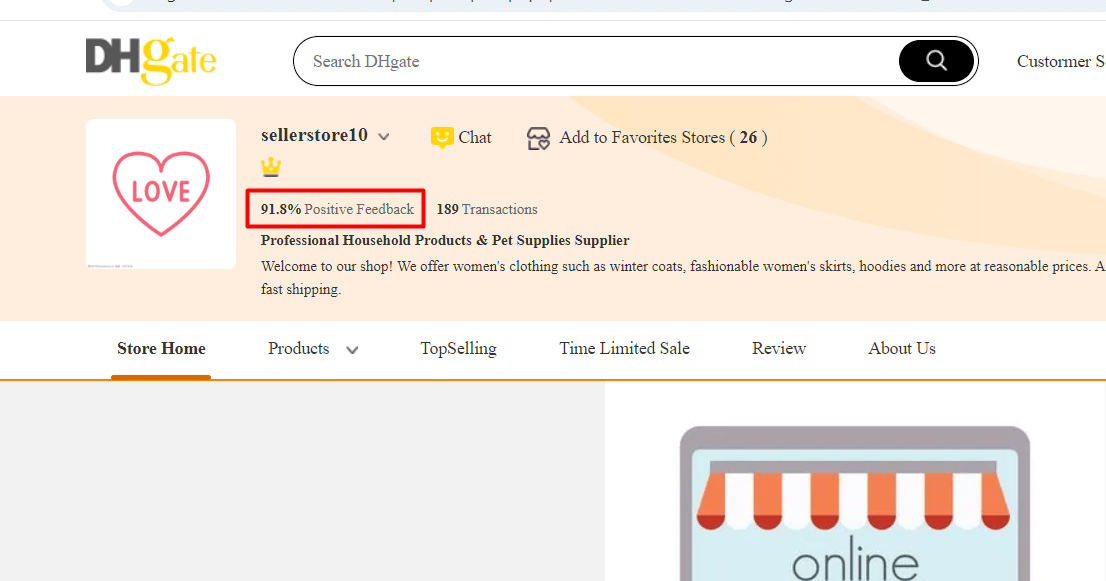
- Look for consistent positive feedback over time, not just a high average rating.
- Review recent comments to see if quality or service has changed.
- On platforms with seller levels or badges, treat them as a signal, not a guarantee.
2. Read Product Descriptions Carefully
- Confirm specifications (size, material, voltage, compatibility).
- Check whether the item is new, used, refurbished, or handmade.
- Look for clear information on what’s included (cables, accessories, packaging).
3. Use Photos and Reviews Strategically
- Compare seller photos with buyer photos in reviews.
- Pay attention to reviews that mention durability, fit, and actual use.
- Be cautious of listings with many generic or very short reviews.
4. Understand Shipping and Returns
- Note estimated delivery times and whether tracking is provided.
- Check return windows and who pays for return shipping.
- For cross‑border orders, consider whether returns go to a local address or overseas.
5. Start Small When Testing New Sellers
- Place a small test order before committing to large quantities.
- Use the test order to evaluate quality, packaging, and communication.
- If you’re sourcing for resale, test multiple suppliers to find a reliable match.
These steps apply equally to DHgate, AliExpress, Amazon third‑party sellers, eBay shops, and most other marketplaces.
FAQ
What is bazaarshop.cc, and why look for alternatives?
Bazaarshop.cc appears to be a lesser‑known online shopping site. Many buyers look for alternatives because they prefer platforms with more visible reviews, clearer policies, and broader recognition. Established marketplaces offer more transparent information about sellers and products, which helps reduce risk.
What are the best Amazon alternatives to shop online?
Good Amazon alternatives depend on your region and needs:
- Global / US‑focused: Walmart.com, Target.com, eBay
- Cross‑border: DHgate, AliExpress
- Regional: Mercado Libre (Latin America), Flipkart (India), Jumia (Africa)
Each offers different tradeoffs in price, speed, and local support.
What is the best alternative to AliExpress?
If you like AliExpress’s cross‑border variety and pricing:
- DHgate – useful for bulk and wholesale‑style sourcing, plus single‑item purchases
- Other cross‑border marketplaces with similar low‑cost assortments
If you want faster shipping and more standardized service, large retail marketplaces or strong regional sites may be better.
Are cross‑border marketplaces safe to use?
Safety depends on how you use them:
- Choose well‑rated sellers with a track record.
- Read product descriptions and reviews carefully.
- Understand shipping, returns, and any import duties.
No marketplace is risk‑free, but careful comparison and small test orders can significantly reduce issues.
Why have I been blocked or restricted on a marketplace?
Accounts can be restricted for reasons such as:
- Unusual login patterns or security concerns
- Payment disputes or chargebacks
- Policy violations (e.g., prohibited items, misleading listings)
If you’re blocked, check the platform’s account or policy center, review any emails or notifications, and follow the instructions to verify your identity or resolve outstanding issues.
What can I do to resolve a marketplace issue?
- Start with the platform’s help or support center.
- Use official channels to contact customer service.
- Provide order numbers, screenshots, and clear descriptions of the issue.
- If you’re a seller, review policy pages to understand what triggered the problem.
Is DHgate only for businesses?
No. While DHgate is often used by small businesses and resellers, many listings are available for single‑item purchases. It can be practical for individual buyers who want to compare prices or source items that aren’t easily available locally, as long as they’re comfortable with cross‑border shipping times and the need to compare suppliers carefully.
Evidence & Official References
Use official sources to confirm policies, coverage, and current features:
What to Do Next
To move from bazaarshop.cc to safer, better‑known marketplaces, focus on three practical steps:
| Step | What to Do | Why It Helps |
|---|---|---|
| 1. Shortlist 3–5 marketplaces | Include a mix like Amazon, eBay, DHgate, AliExpress, and a strong regional site. | Gives you options with different strengths in price, speed, and protection. |
| 2. Test with small orders | Try one or two items from different sellers on each platform. | Lets you compare quality, shipping, and support with minimal risk. |
| 3. Standardize your checks | Always review ratings, policies, and buyer protection before purchase. | Builds a repeatable process that works across any marketplace. |
From here:
- Use the comparison points in this article whenever you try a new platform or seller.
- Keep notes on which marketplaces and suppliers perform best for your needs.
- Gradually shift more of your shopping or sourcing to the platforms that prove most reliable.
By treating each marketplace—whether it’s DHgate, AliExpress, or a local giant—as something you test and verify, you can enjoy wider choice and better prices without sacrificing safety.