
Resin bracelets and bangles for a Canadian brand usually start with two sourcing decisions: buy finished pieces from wholesalers, or import the inputs—resin, molds, pigments, charms—and make or assemble them yourself. In practice, most small makers blend both. They get reliable resin and safety gear from domestic craft suppliers, then experiment with global marketplaces for inexpensive molds, decorative charms, and sometimes finished chunky bangles, always checking quality and total landed cost before increasing order size.
If you’re in Canada, that mix is often the sweet spot: keep anything safety‑critical or hard to return local, and use cross‑border sourcing strategically for variety and margin.
How Resin Bracelets & Bangles Are Produced and Sourced at Wholesale Scale
Resin bracelets and bangles are usually cast or assembled rather than carved. At a basic level you need:
- Resin (commonly epoxy or polyester) and a compatible hardener.
- Molds in bangle or bracelet shapes.
- Pigments, glitter, and other embellishments.
- Mixing cups, stir sticks, and tools for finishing.
- Safety gear: gloves, safety glasses, and good ventilation.
Resin charms—small decorative pieces you attach to bracelets or embed inside bangles—are made by pouring mixed resin into molds, then adding glitter, dried flowers, beads, or tiny trinkets before curing. Once hardened, they’re sanded and polished for a glossy finish, then attached to cords, chains, or bangles as accent components.
For molds, silicone, plastic, and metal are all common:
- Silicone molds are flexible and make it easy to release a cured bangle or charm. They’re popular for DIY and small‑batch production because they’re forgiving and available in many shapes.
- Plastic molds tend to be sturdier and can offer more rigid shapes, but releasing the cured piece can be trickier, especially with fine detail.
- Metal molds are durable and suitable for high repetition, with potential for very crisp detail, but they cost more and take more care.
From a sourcing perspective, think of three layers in the supply chain:
- Raw and craft inputs – resin, pigments, safety gear, basic molds. These are widely available from Canadian craft chains and specialist online shops.
- Design components – unique molds (chunky geometric bangles, adjustable cuffs), resin charms, rhinestone or pearl embellishments, bracelet findings. These often come from small overseas vendors or marketplaces where variety is higher and prices per piece drop with volume.
- Finished resin bracelets/bangles – factories or studios in Asia and elsewhere produce ready‑to‑sell retro translucent bangles, multi‑piece sets, and resin‑plus‑metal bracelets that you import as completed inventory.
Your sourcing plan should match how far up that chain you want to control design and production.
Choosing Resin Bracelet Suppliers: From Inputs to Finished Goods
You don’t need one supplier for everything. Breaking the category into supplier types helps you manage risk and quality.
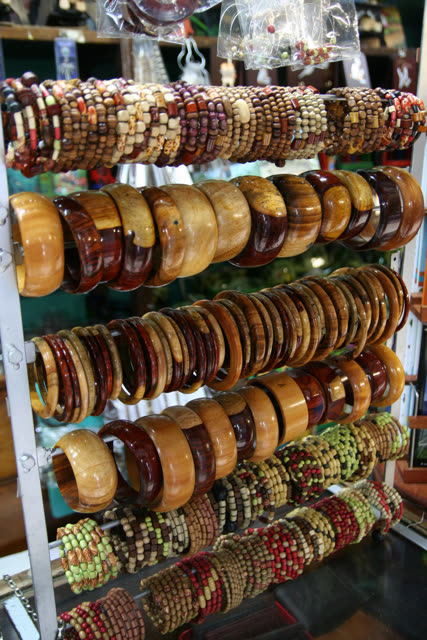
1. Resin and pigments: keep quality and safety front‑and‑center
Resin itself is the backbone of your product, and working with it calls for ventilation and personal protective equipment because fumes and sanding dust can be harmful if mishandled. For small Canadian orders, it’s usually worth sourcing:
- Resin and hardener from domestic craft or industrial suppliers that clearly state intended use (jewelry/casting vs floor coating) and provide mix ratios.
- Pigments and glitter that are designed for resin, so color doesn’t bleed or fade as quickly.
- Safety gear – gloves, glasses, and masks – through trusted hardware or safety retailers.
Questions for potential resin suppliers:
- Do they specify epoxy vs polyester and expected cure times?
- Are mix ratios and safety instructions clear and consistent?
- Will they ship to your province quickly enough for your production schedule?
2. Molds for bracelets and charms: matching material to your scale
For bracelets and bangles, molds are capital equipment. Your choice affects yield and labor:
- For short runs and frequent design changes, silicone molds are usually best. Flexible walls make it easier to pop out a thick bangle or charm without breakage.
- For repeatable geometric bangles or cuffs, you might test sturdier plastic or metal molds once volumes justify the cost, knowing release can be trickier.
When you talk to mold suppliers, ask specifically about:
- Mold material and thickness.
- Expected lifespan (how many casts before degrading is typical in their experience).
- Size tolerances, so you’re not surprised by fit on Canadian wrist sizes.
3. Charms, findings, and embellishments: where global sourcing usually shines
Resin bracelet appeal often comes from embedded or dangling elements: floral charms, rhinestones, pearls, or mixed‑material links.
Small Canadian brands often:
- Buy basic findings (jump rings, clasps) locally for predictability.
- Source visual embellishments in bulk from global sellers to access more patterns and lower unit cost.
For these decorative parts, your vetting is mostly about visual quality and consistency:
- Request photos of multiple production batches so you can gauge color variance.
- Clarify coatings or metals used for any hardware, especially if you want to avoid rapid tarnish on bracelets.
4. Finished resin bracelets and bangles: treating suppliers like small factories
If you import finished goods, the vendor is essentially your manufacturing partner. In that case, you should dig deeper than a generic review score:
- Ask for clear photos of bangles from different angles, including inner edges and seams.
- Clarify how they achieve patterns: solid color resin vs marbled acrylic, embedded glitter vs surface spray.
- Confirm what they do after curing: sanding, polishing, and any protective coating on the bracelet.
A simple first outreach email can be very effective if it’s specific:
“We’re a small Canadian jewelry brand planning an initial order of 100-200 resin bangles. Can you share: 1) material details (epoxy vs acrylic, any metal components), 2) typical bracelet inner diameter and width, 3) photos from recent production batches, and 4) an approximate lead time for this quantity? We may increase volumes over time if quality and communication are reliable.”
Being upfront about small initial quantities but potential growth helps many suppliers take your inquiry seriously.
MOQ, Pricing, and Channel Choices for Cross‑Border Resin Bracelet Sourcing
For a Canadian maker or reseller, the economics shift depending on whether you’re buying inputs or finished bracelets.
How small-batch orders usually behave
As editorial judgment based on typical craft and marketplace behavior:
- Inputs (resin, pigments, molds) often work at very low quantities: a few kilograms of resin or a handful of molds.
- Charms and embellishments tend to be packed in tens or fifties, with price breaks at a few hundred pieces.
- Finished resin bracelets/bangles are usually sold in sets or minimum packs, with better per‑piece pricing as you move into dozens.
Here’s a simple channel comparison framed for a Canadian small business:
| Sourcing target | Best starting channel (editorial judgment) | Typical upside for small orders | Typical trade‑off |
|---|---|---|---|
| Resin, hardener, safety gear | Canadian craft/industrial suppliers | Clear labeling, easier returns, faster replenishment | Higher unit cost than bulk import |
| Basic molds & findings | Domestic craft or Amazon.ca retail | Fast delivery, simple customer service | Limited shapes, more generic designs |
| Unique molds, charms, embellishments | Global marketplaces (Etsy shops, overseas sellers) | Wide variety, lower cost per design piece | Longer shipping, more variance in quality |
| Finished resin bracelets & bangles | Overseas manufacturers or marketplaces | Strong margin if quality is reliable at scale | Needs careful vetting and sample orders |
Marketplace example: resin bangles and sets via DHgate
On 2026-10-14, a snapshot of DHgate listings shows a spread of resin bangles and bracelet sets positioned as fashion gifts, with wholesale‑style pricing in USD and multi‑piece bundles. Examples include:
- Retro translucent color resin bangles listed between about USD 13.92-17.09 per item range, described as simple solid acrylic bracelets for women’s fashion jewelry gifts (example listing).
- Vintage round smudging resin bangles with inlaid rhinestones at roughly USD 14.16-14.85 per piece, marketed as geometric chunky bracelets for gifts (example listing).
- 3‑piece vintage brown resin bracelet sets at around USD 21.06-22.06 for the set, positioned as boho/punk chunky bangles for daily party wear (example listing).
- Resin chunky bangles plus rings jewelry sets at roughly USD 47.87-50.14 per multi‑piece set, aimed at party accessories and gifts (example listing).
Prices and availability can change, and each seller operates independently. If you test DHgate for finished bracelets or bangles, treat it as one option in your mix:
- Start with small test orders and inspect curing quality, surface finish, and inner edge comfort.
- Take time to review seller profiles and communicate clearly about specs before committing to larger quantities.
If DHgate seems promising once you’ve done that legwork, you can layer in more structured supplier discovery using buyer‑oriented resources like Find wholesale suppliers on DHgate while still keeping your overall strategy marketplace‑agnostic.
Building scenarios that fit a Canadian small brand
A simple way to move from idea to action is to pick a scenario and align channels:
- DIY‑heavy brand: buy resin, pigments, and safety gear in Canada; import unique molds and charms; keep bangles handmade or small‑batch local.
- Hybrid brand: cast a few signature bracelet designs yourself, but supplement with imported retro bangles and multi‑piece sets to fill your catalog quickly.
- Import‑heavy brand: focus on vetting overseas vendors for finished bracelets and bangles. Use domestic sourcing only for minor assembly or packaging.
Whichever path you choose, keep your first orders small, document quality and landed costs carefully, and only then scale volumes with the suppliers who prove they can deliver both consistent resin work and reliable communication.