
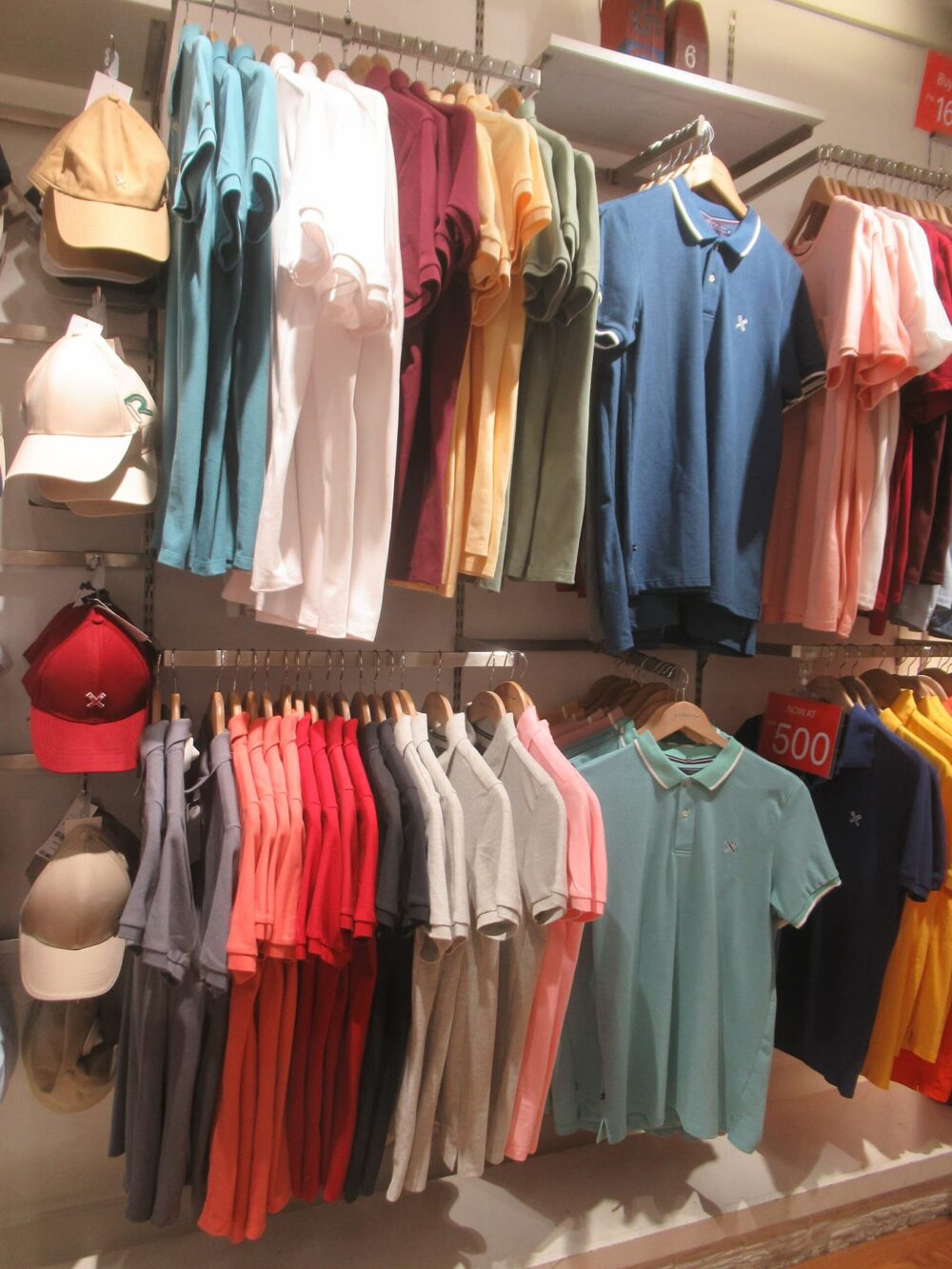
If you treat DHgate as a test‑and‑verify marketplace, it can be useful for sourcing wholesale T‑shirts and apparel for a small brand. The practical path is: use targeted search terms to find blank or customizable tees, aggressively filter and vet suppliers, place paid samples before committing, and scale only with the one or two partners who prove they can meet your fabric, fit, and print standards. If you need large, fully custom runs right away, DHgate may be a stepping‑stone rather than your long‑term route.
How Wholesale T‑Shirts and Apparel Typically Flow Through Marketplaces like DHgate
Most of the wholesale T‑shirt inventory you’ll see on DHgate traces back to Chinese factories or trading companies that work with those factories.
In broad strokes:
- Factories knit or buy fabric, cut and sew garments, and sometimes handle printing or embroidery. These tend to focus on specific niches (e.g., cotton basics, sportswear, heavyweight fleece).
- Trading companies and middlemen collect products from multiple factories, build catalog‑style listings, and sell them to global buyers through marketplaces. They may not control production but can combine styles and handle export paperwork.
- Marketplaces such as DHgate host many of these factories and traders, especially in apparel categories. DHgate’s own fashion coverage notes that it connects global buyers with a large network of Chinese apparel sellers and is known for a wide variety of everyday clothing at competitive pricing.
For your T‑shirt brand, that means a single DHgate “store” might represent:
- One factory that can adjust fabric weight, fit, and colors over time, or
- A trader who is reselling stock from different factories and may have less control over specs.
Both models can work, but you need to assume variation and verify everything through samples and clear communication before you rely on a supplier for production.
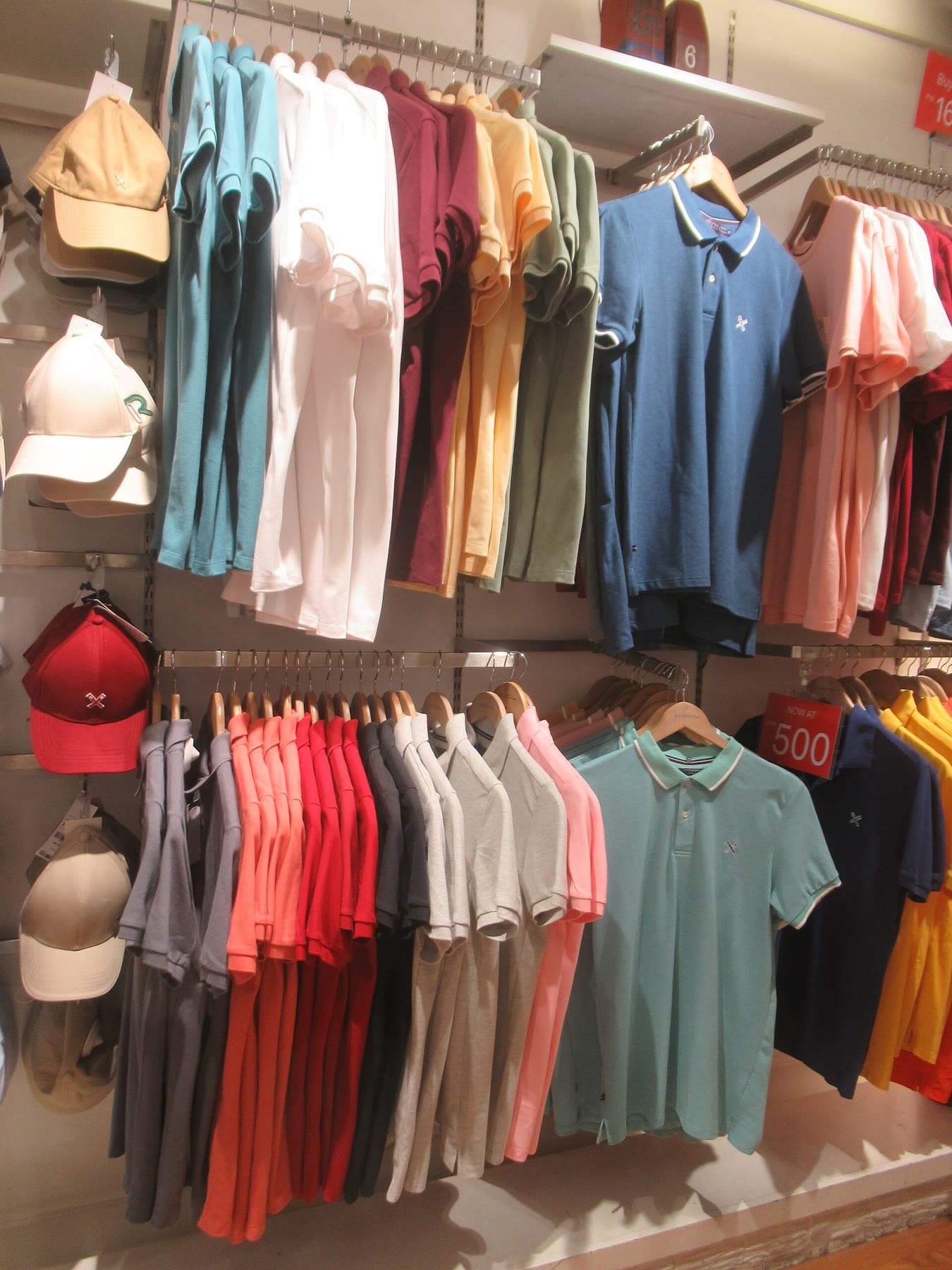
Turning DHgate Search Results into a Shortlist of T‑Shirt and Apparel Suppliers
The risk on DHgate is not a lack of options; it’s drowning in generic listings. You need a disciplined workflow that turns thousands of T‑shirt results into 3-5 suppliers worth sampling.
Step 1: Use apparel‑specific search terms
Start in DHgate’s search with terms that reflect exactly what you want to sell:
- “pure cotton t‑shirt wholesale” or “cotton blank t‑shirt” if you need breathable basics for printing.
- “custom t‑shirt wholesale” or “embroidery printing t‑shirt” if you want suppliers who’ll handle decoration.
- “oversized streetwear t‑shirt” or “heavyweight sweatshirt” to surface streetwear‑style blanks.
These phrases align with how current listings are titled, such as “High‑quality custom t‑shirt wholesale” and “Hot‑selling men’s clothing, pure cotton t‑shirts, custom multi‑color embroidery and printing, wholesale t‑shirts”.
Step 2: Filter before you read every listing
Use DHgate’s filters to narrow down the firehose:
- Category: restrict to Men’s T‑Shirts, Women’s T‑Shirts, or Hoodies & Sweatshirts depending on your product plan.
- Price range: set a sensible band for blank tees (often low single‑digit USD per unit for basic cotton tees at the time of research) so you don’t mix high‑fashion pieces with wholesale basics.
- Seller type: when available, prioritize more established or “industry” sellers rather than one‑off accounts.
DHgate’s own ecommerce guidance recommends using filters to align listings with your criteria before you get into supplier vetting.
Step 3: Read listings like a sourcing document, not a consumer ad
For each promising listing, check details that matter specifically for wholesale apparel:
- Fabric and weight: Do they specify cotton vs blends, and any GSM or thickness? Many listings will just say “pure cotton” without GSM; note that as something to confirm.
- Sizing and cut: Are there full size runs and clear size charts (chest, length)? Asian sizing is often different from US sizing, so you want measurements, not just S–XL labels.
- Customization language: Terms like “custom printing,” “embroidery,” or “OEM” suggest they can add logos or designs, but you must confirm file formats, color limits, and minimums in chat.
- Photos: Look for product photos that show stitching, collar construction, and fabric texture, not only lifestyle shots.
DHgate’s apparel editorial guidance points out that detailed listings are one of the signals of a more serious seller. Sparse or copy‑paste descriptions are a red flag for a T‑shirt brand.
Step 4: Use supplier history and communication as your main filters
DHgate’s blog on clothing sourcing suggests four practical checks:
- Supplier ratings and transaction volume: Higher scores and more sales tend to indicate more reliable operations, though they’re not guarantees.
- Reviews and feedback: Read reviews on the specific T‑shirt listing if available, and scan the store’s other items for patterns (complaints about thin fabric, inconsistent sizing, color fading).
- Responsiveness: Send a short, concrete message: your target quantity, fabric preference (e.g., 100% cotton, heavier weight), and any print needs. How quickly and clearly they reply is a real sorting tool.
- Listing depth across their store: A seller with a coherent catalog of tees and sweatshirts is more likely to have a stable supply chain than a store selling unrelated categories.
If a seller won’t answer basic questions about GSM, size charts, or customization, don’t try to “rescue” them with a big order. Move on.
For more general DHgate supplier search strategies, you can cross‑reference the broader guidance in How to Use DHgate to Find B2B Wholesale Suppliers and Find DHgate suppliers.
DHgate Listing Snapshot: What Current T‑Shirt Offers Look Like (2026-10-14)
| Product (DHgate link) | Category | Pitch / Style | Price range (USD) | Reviews |
|---|---|---|---|---|
| High-quality custom t-shirt wholesale | Men’s T-Shirts | Custom wholesale tee, likely for printing | 5.03 | 0 |
| Pure cotton custom embroidery/printing tee | Men’s T-Shirts | “Pure cotton” with multi‑color embroidery/print, wholesale | 3.86-4.35 | 0 |
| Designer short sleeve graphic tee | Men’s T-Shirts | Designer‑style graphic polo/tee, sporty streetwear | 13.41-15.77 | 0 |
| Women’s sport breathable T‑shirt | Women’s T-Shirt | Breathable summer sports tee for women | 12.07-12.64 | 0 |
| Pure cotton versatile men’s short-sleeve | Outdoor T-Shirts | Versatile pure cotton short‑sleeve, more premium | 56.22-75.79 | 3 |
You can see the spread: some listings pitch low‑single‑digit unit prices for basic cotton tees, others sit well above $10 per unit and are marketed as designer or niche outdoor pieces. Most snapshot listings show no explicit MOQ in the summary view and have few or no reviews, which is why your supplier conversations and sample orders matter more than the price tag alone.
Planning Test Orders, Customization, and Deciding if DHgate Fits Your Brand
Once you have a shortlist, your next job is to structure your first orders so they protect your brand and wallet.
Use samples to resolve all the ambiguity
DHgate’s ecommerce guidance explicitly recommends requesting samples before larger wholesale purchases, and that’s especially true in apparel where GSM, shrinkage, and fit can’t be judged from a listing.
For each supplier, plan to:
- Order a small mix of sizes and colors (e.g., S–XL, one or two colors) for each candidate tee.
- Wash and wear them yourself or with friends to check shrinkage, print behavior, and comfort.
- Compare the actual measurements to their size chart; note any systematic differences so you can adjust your own sizing advice.
Treat sample costs as part of your product development budget. If a seller resists sample orders or insists on large minimums without prior testing, that’s a sign they may be better suited for big buyers than for a new brand.
Clarify MOQ, pricing tiers, and customization in writing
Many DHgate listings don’t show MOQ clearly in the public snapshot. Use chat to lock down:
- Minimum batch size for plain blanks vs custom printing/embroidery.
- Price breaks at different quantities (e.g., 100 vs 300 units) and whether prices change for multi‑color prints.
- Customization process: accepted file formats, color limits, print locations (front, back, sleeves), and any artwork setup fees.
Keep these details in your own records. Even without making platform‑wide assumptions, having written agreement with the seller makes it easier to manage expectations and compare suppliers.
Logistics and brand fit: when DHgate is a good route
In DHgateWiki’s comparison of heavyweight T‑shirt sourcing routes, marketplaces like DHgate show up as especially useful for small, experimental runs where you’re still testing demand, fabric preferences, and designs, and you’re not ready to commit to factory‑level MOQs.
That pattern holds for general T‑shirts and apparel:
DHgate is usually a good fit if:
- You’re in the US or AE and want to test a handful of blank or semi‑custom tees before choosing a long‑term spec.
- Your initial orders are in the dozens to low hundreds of units, not thousands.
- You’re willing to manage sampling, QC checks, and ongoing communication directly with suppliers.
You should start looking beyond DHgate (e.g., domestic wholesalers or direct factory deals) if:
- You’ve already proven a specific T‑shirt spec and need very consistent repeat production.
- You’re ready to order 1,000+ units with deep customization (unique fabric, custom patterns, specific 300 GSM heavyweight specs).
- You want tighter control over production timing and brand‑specific standards.
Before choosing a DHgate supplier, use Find wholesale suppliers on DHgate.
If you need help evaluating a supplier before scaling, the checklist in Choose a DHgate wholesale supplier pairs well with the apparel‑specific steps here. And if you’re moving into heavier or more specialized tees, the route analysis in Sourcing 300 GSM Heavyweight Tees: Routes Compared can help you decide when to graduate from marketplace tests to factory‑level commitments.