
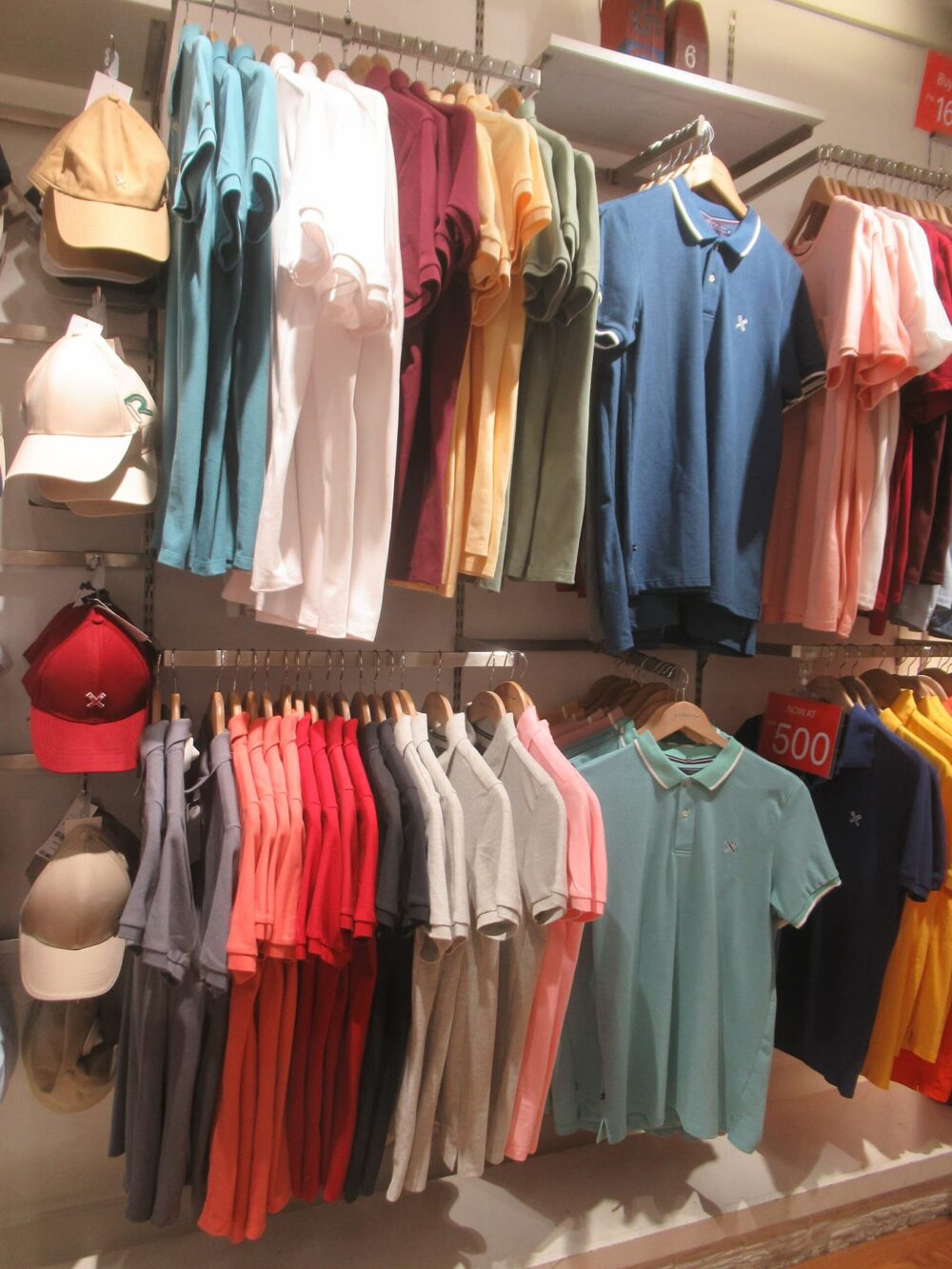
Launching a custom t‑shirt brand with wholesale blanks is profitable when you match the right supplier to your order size, test quality with samples, and know your total landed cost before committing. In practice, that means deciding whether you need fast, low-risk domestic blanks from a distributor like Apparel Globe or BlankTees, or lower unit costs from a manufacturer or China-based marketplace, then negotiating bulk pricing and inspecting shirts before you tie up cash in inventory.
This guide walks through how wholesale t‑shirt supply works, how to vet suppliers, and how pricing and channel choices affect your margin.
How Wholesale T‑Shirt Supply Fits a Custom Tee Business
Wholesale t‑shirt and apparel suppliers specialize in selling blank clothing — tees, hoodies, sweatshirts, polos — in bulk at discounted prices to decorators, print shops, small brands, and organizations. They sit between mills/factories and you, the brand that adds design and markup.
The typical flow for an inventory-based custom tee business looks like this:
- Fabric & manufacturing – Mills produce cotton, blends, or performance fabrics; factories cut and sew blanks in regions like China, South Asia, and in some cases the US.
- Wholesale blank suppliers – Businesses such as Skyland Apparel (a blank apparel manufacturer) and distributors like Apparel Globe offer ranges of styles and brands, often warehousing stock domestically.
- Decorators / print shops – You or a local print shop screen print, DTG, embroider, or apply heat transfers to the blanks.
- Retail & ecommerce – Finished shirts are sold via your online store, marketplaces, or offline events.
For a small brand, buying blanks from wholesale suppliers instead of retail stores does three things:
- Drops your unit cost through bulk pricing and discounts.
- Widens your style options (fits, fabric weights, colors) so you can align with your niche.
- Gives you predictable base quality if you stick with the same body and supplier over time.
The trade‑off is that you take on inventory risk: you need to forecast demand and store stock while you sell through.
Choosing and Vetting Wholesale T‑Shirt & Apparel Suppliers
Your profit and brand reputation ride on your blank quality and supplier reliability. That’s why the shortlisting and vetting stage matters as much as your designs.
Shortlist the right types of suppliers
For a US‑based custom tee brand, you’ll usually start with one of three supplier types:
- Domestic distributors – Companies like Apparel Globe and BlankTees carry multiple brands and styles, from basic cotton tees to heavier fleece. They’re good for smaller MOQs, faster delivery, and easier communication.
- Domestic manufacturers – Players such as Skyland Apparel run their own manufacturing and can offer consistent blanks or private‑label cuts if you grow. You may see higher MOQs but more control over specs.
- Cross‑border wholesalers or marketplaces – Platforms and factories outside the US can offer aggressive bulk pricing, especially on staple cotton tees, but you shoulder longer lead times and import complexity.
Start by filtering for suppliers that actually serve your niche: e.g., unisex streetwear fits, heavyweight cotton, or performance fabrics for sports.
Use reviews and reputation with specific checks
Good supplier reputation isn’t a vague notion; you can check it in concrete ways:
- Customer reviews and ratings – Read feedback on quality consistency, sizing accuracy, and delivery reliability. Look for patterns like “neckline stretched after one wash” or “colors don’t match photos” rather than just star counts.
- Industry presence – Some wholesalers highlight work with decorators, schools, or promotional agencies. Sites like Apparel Globe position themselves as apparel and decorating blanks specialists, which suggests experience with print shops and branding use cases.
- Peer recommendations – Ask other small brands or print shops which suppliers they trust for everyday blanks versus premium lines.
If you’re considering a new or cross‑border supplier, treat thin review history or vague contact details as a red flag that requires extra checking.
Always order samples before bulk
Editorial guidance from wholesale t‑shirt buying tips consistently stresses one tactic: order samples before committing to a bulk purchase. A sample run lets you:
- Feel fabric weight and hand (does it drape like you want? Is it see‑through?)
- Check fit and grading across sizes.
- Inspect construction quality — seams, hems, collars, side seams, and stitching density.
Even if samples cost a bit, they’re cheap insurance compared with sitting on boxes of shirts your customers won’t wear.
To make sampling efficient:
- Request your core sizes (e.g., M, L, XL) and any size where fit is often off.
- Test your printing or customization method on the sample blanks; some blends behave differently under DTG or screen printing.
- Wash and dry samples a couple of times to see shrinkage and pilling.
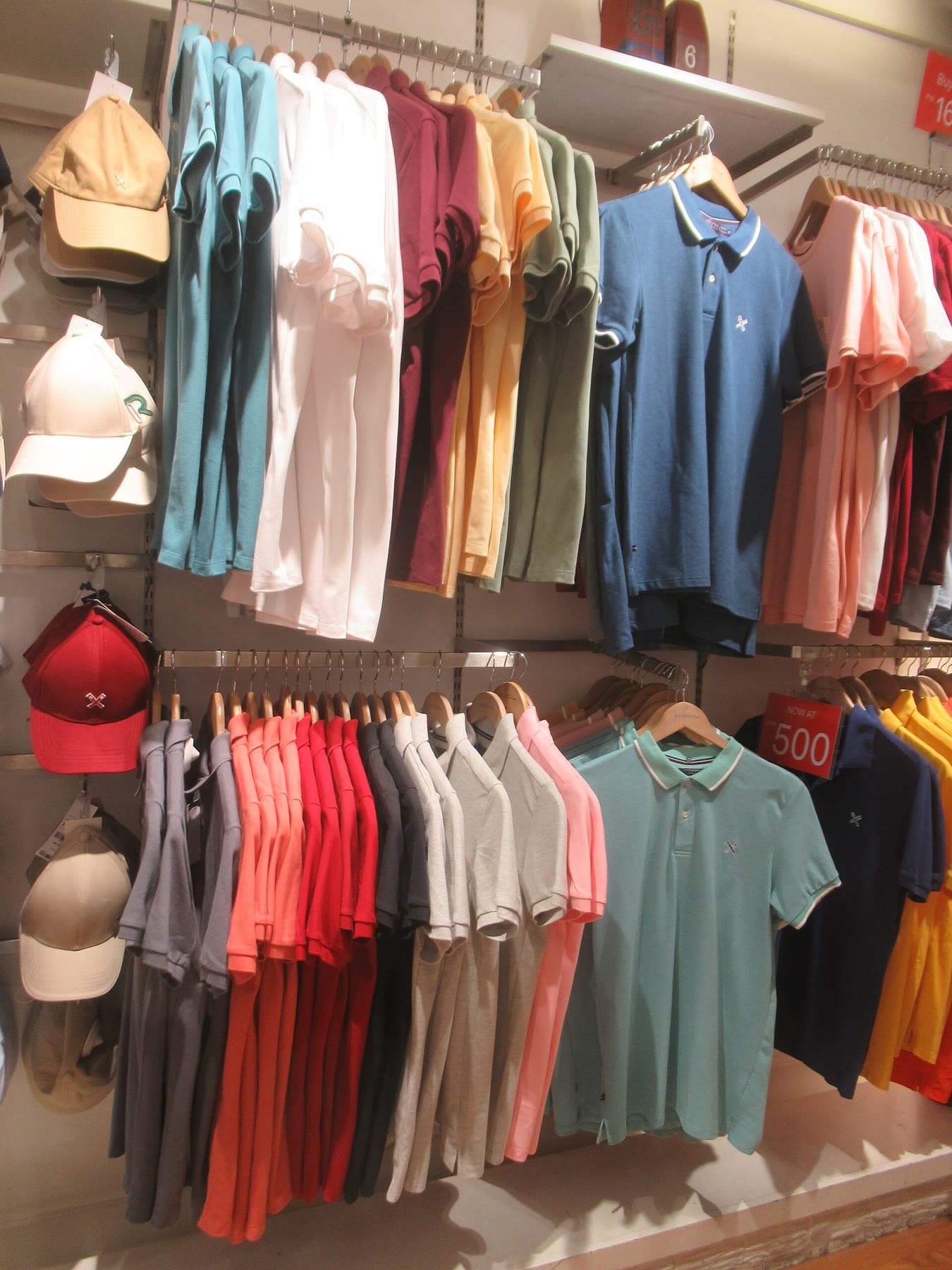
Quick visual vetting checklist
Use this simple checklist before you wire serious money:
- Clear business identity (website, address, phone/email) and consistent branding
- Specific fabric descriptions (weight, composition) tied to each SKU
- Evidence of other wholesale buyers (decorators, schools, brands)
- Willingness to provide samples or small test orders
- Straight answers on lead times, re‑stock cycles, and minimums
If you can’t tick most of these boxes, move that supplier down your list.
Pricing, MOQ, Customization and Channel Choices
Wholesale t‑shirt economics are driven by bulk pricing, order minimums, and how you pay for customization. Understanding these levers upfront helps you avoid under‑pricing or over‑ordering.
How bulk pricing and MOQs usually work
Buying in bulk almost always lowers your per‑shirt cost. Editorial guidance for printing professionals highlights a few consistent patterns:
- Larger order brackets unlock bulk discounts, which drop unit cost and make your retail price more competitive.
- Many suppliers run seasonal promotions around holidays or events, which can stack on top of bulk discounts.
- Building a relationship with a supplier can open up negotiated pricing once you’re a repeat customer.
Minimum order quantities (MOQs) vary widely, but the logic is simple: higher MOQs typically mean lower unit cost and more customization options, while low MOQs cost more per piece but reduce inventory risk.
Here’s a simple decision view:
| Order style | Typical MOQ feel* | Pros for a small brand | Risks / trade‑offs |
|---|---|---|---|
| Domestic distributor | Low–moderate | Fast delivery, simpler reorders | Higher unit cost vs factories |
| Domestic manufacturer | Moderate–high | Consistent blanks, potential custom cut | Bigger upfront spend, storage need |
| Cross‑border factory/marketplace | Moderate–high | Lower unit cost, wide style range | Long lead times, import handling |
\*These are editorial heuristics, not fixed numbers. Check each supplier’s listed MOQ.
Customization flow: who does the printing?
You have two main paths:
- Buy blanks and decorate locally – You source blank tees from a wholesale supplier like BlankTees or Skyland Apparel, then either print in‑house or work with a local print shop. This gives you tight control over print quality and faster re‑runs of popular designs.
- Order pre‑decorated from a supplier – Some suppliers and factories offer embroidery or printing services, especially for simple logos or text. You trade flexibility and local control for fewer moving parts.
For a new brand testing designs, buying blanks and decorating locally usually offers more flexibility. As you scale, you can experiment with factory‑level customization to lower total cost, provided you can validate their print quality via samples.
Certifications and positioning your brand
If your audience cares about sustainability or ethical production, certifications can help differentiate your blanks. Guidance on wholesale blank t‑shirts cites labels such as:
- GOTS (Global Organic Textile Standard) for organic cotton
- Fairtrade International for social and economic standards
- OEKO‑TEX for tested, non‑harmful textiles
Ask suppliers which certifications their blanks carry and request documentation. Certified blanks usually cost more, but they can support higher retail pricing and clearer brand storytelling.
Domestic vs cross‑border routes (including marketplaces)
You’ll often face a channel choice: buy domestically or source cross‑border.
- Domestic wholesale (US‑based distributors/manufacturers) – Better for speed, smaller initial orders, and simpler returns or exchanges. Platforms like Apparel Globe or Skyland Apparel illustrate how US‑based businesses position themselves to serve decorators and brands with a mix of blanks and support.
- Cross‑border factories or marketplaces – Attractive when you’re chasing lower unit costs or specific styles not stocked domestically. China‑based B2B marketplaces such as DHgate are examples: they host many sellers offering shirts and tops in bulk to global buyers.
The practical rule: use domestic channels to prove your concept and refine fits; consider cross‑border sourcing once you understand your best‑selling designs and can handle longer lead times with confidence.
If you keep your supplier vetting disciplined — real reviews, physical samples, clear MOQs and pricing tiers — wholesale t‑shirt and apparel suppliers become an asset, not a gamble, for your custom tee business.