
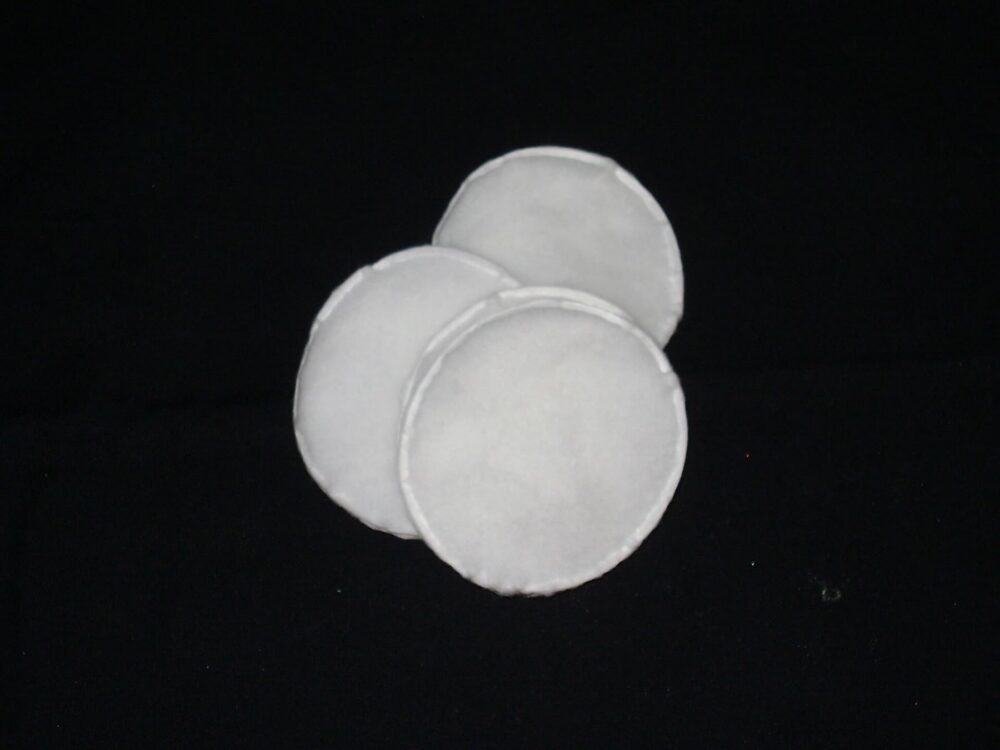
Wholesale cotton pads and rounds start to make sense the moment you care about consistent feel, absorbency, and cost per use across thousands of units—not just the next bag from Target. For a small U.S. skincare or beauty brand, your key decisions are: do you want simple bulk resale or true private label, are you buying disposable or reusable pads, and which supplier type gives you the best landed cost per pad without wrecking cash flow.
The short version: cosmetic cotton pads and rounds are a relatively simple product, but the wholesale market is stratified. Higher-quality pads use better fibers and more controlled nonwoven structures, private‑label factories expect higher MOQs in exchange for customization, and domestic wholesalers trade flexibility for less branding. Getting this right means matching your expected order size and branding ambition to the right tier of supplier.
How Wholesale Cotton Pads and Rounds Are Made and Sold
Cotton pads and rounds are soft, absorbent discs or squares used to remove makeup, apply toner, and cleanse the skin. They’re usually made from natural cotton fibers or nonwoven materials engineered for softness and absorbency. In medical hygiene they’re used around wound care and general cleaning, but those medical pads sit in a different regulatory bucket than cosmetic cotton rounds.
On the cosmetic side, manufacturers such as Deyi Hygiene and Little Cotton position themselves squarely in the wholesale/private‑label space. They don’t just sell retail packs; they offer customizable cotton pads and rounds suited to brands, pharmacies, and beauty chains that want their own packaging, logo, or pad design.
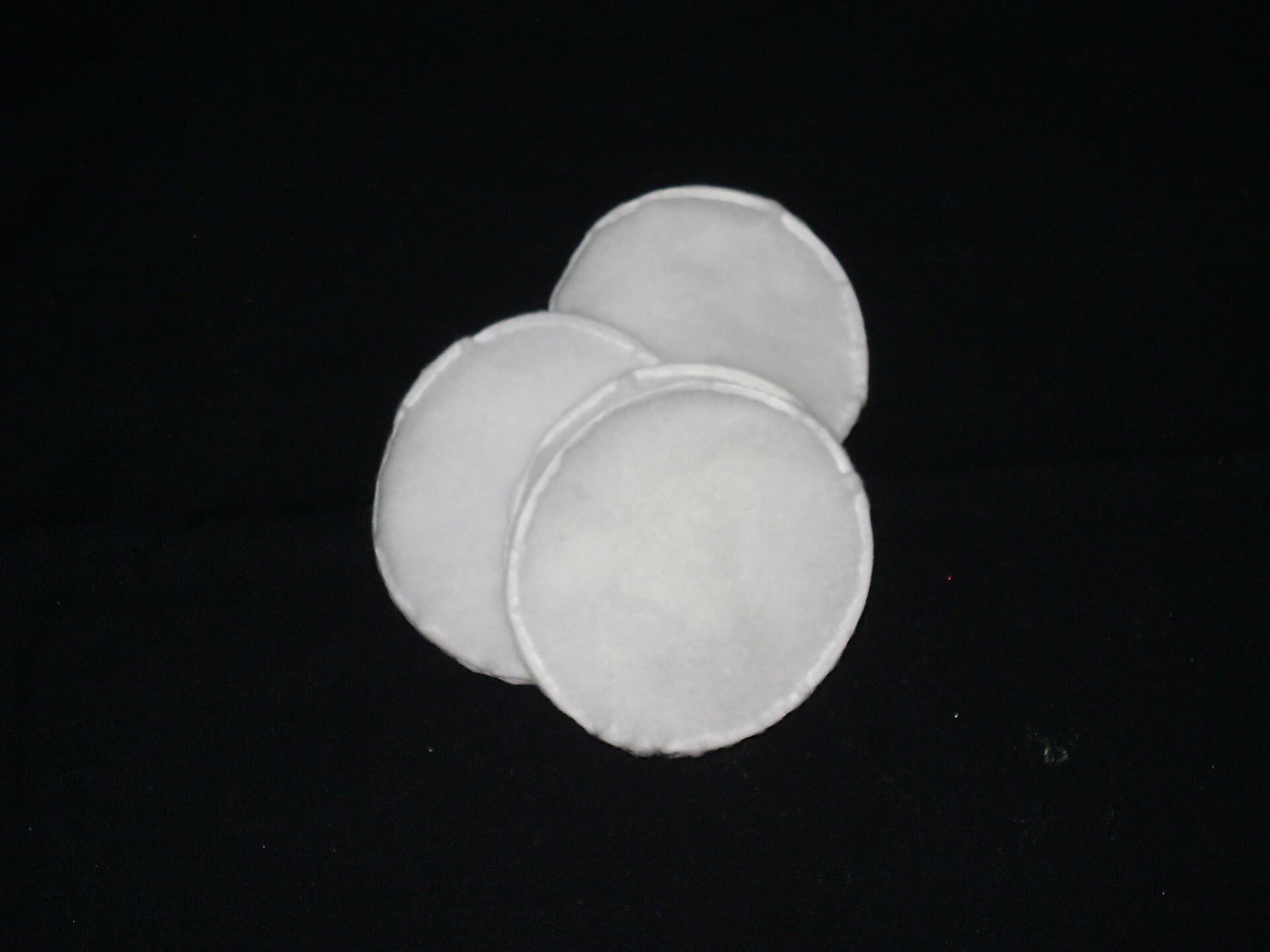
High‑quality cosmetic pads pay attention to fiber choice and structure. As nonwoven specialists explain in their breakdown of circle cotton pad design, better pads rely on 100% natural cotton fibers that are soft and hypoallergenic, with engineered absorbency and surface texture optimized for skincare use rather than rough exfoliation or linty shedding.Source That design work is why some pads feel cloud‑soft and drink up product efficiently while others feel scratchy or leave fibers behind.
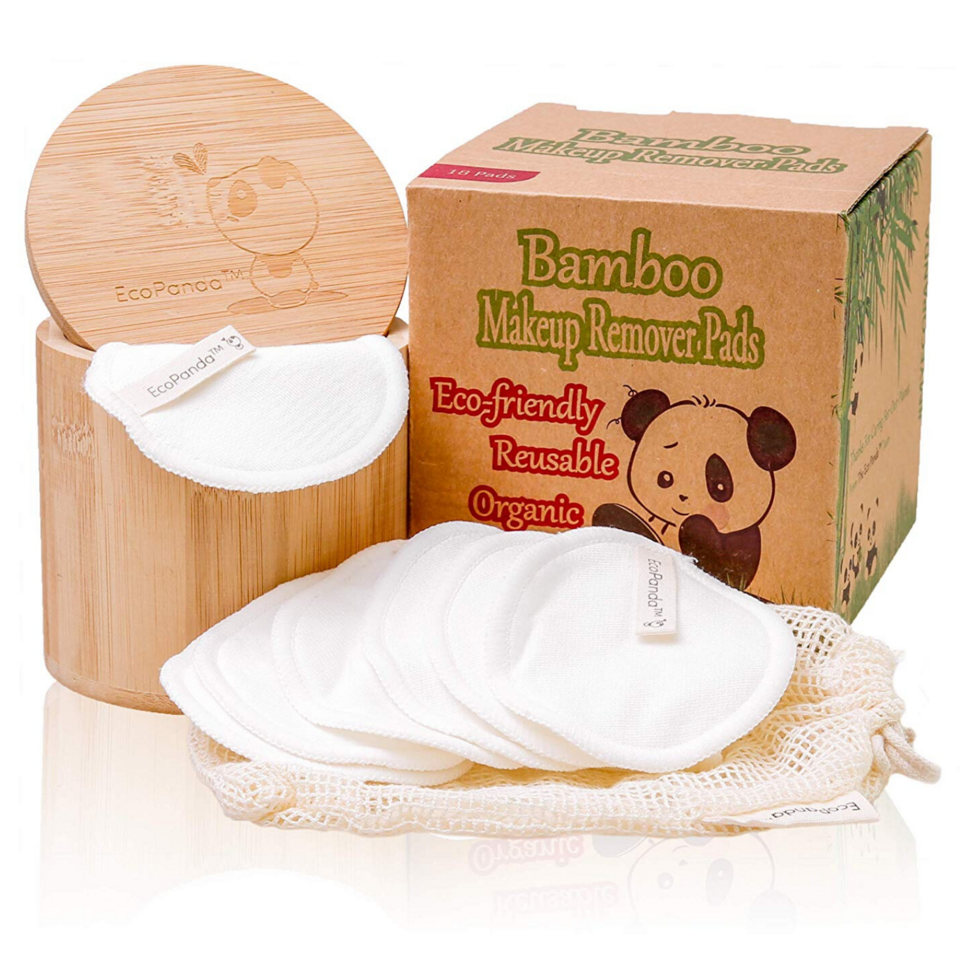
Disposable pads aren’t the only option in wholesale. Reusable cotton rounds, seen from brands like EcoRoots and described in LastObject’s guide, use organic cotton or bamboo blends as a gentler, lower‑waste alternative. These typically run through textile and eco‑lifestyle suppliers rather than hygiene factories, and the wholesale reality is different: smaller MOQs, higher per‑unit cost, and a bigger story around sustainability rather than pure consumable margin.
In broad strokes, the market looks like this:
- Cosmetic disposable pads/rounds – sold by hygiene factories and private‑label specialists, and repacked by brand owners and retailers.
- Medical pads – sold via medical distributors with specific regulatory and quality demands.
- Reusable rounds – sold by textile/eco brands; wholesale opportunities often piggyback on broader zero‑waste or skincare assortments.
You don’t need to buy direct from a factory. Domestic wholesalers such as GLWholesale’s bulk cosmetic pad listings stock standard sizes and packaging aimed at beauty supply stores and discount retailers. That route is closer to cash‑and‑carry than product development.
Choosing and Vetting Cotton Pad Suppliers
A reliable cotton pad supplier for a U.S. skincare brand is defined less by glossy photos and more by three things: fiber specs, pad structure, and their ability to hit your packaging/branding needs consistently.
For cosmetic disposable pads, look directly at:
- Material claims – Ask if pads are 100% cotton or cotton/nonwoven blends. Higher‑quality cosmetic pads emphasize natural cotton, softness, and hypoallergenic properties.Source Request a spec sheet showing fiber content and basic absorbency/grammage.
- Pad construction – Double‑sided embossing or quilting can improve strength and control lint. Thin, loosely bonded pads are more likely to shred when saturated with micellar water or nail polish remover.
- Lint and residue behavior – Samples are essential. Run them through your actual toner or remover and check for fiber shedding on the skin.
On the supplier side, you’re looking for signals that they truly focus on pads, not random assortments:
- Product range coherence – Firms like Deyi Hygiene and Little Cotton present multiple pad formats (rounds, squares, layered pads) and mention OEM/private label. That’s a sign they’re structured around pads and brand work, not just surplus resale.
- Regulatory awareness – For anything near medical use, suppliers should be able to discuss relevant standards and documentation. For purely cosmetic pads, you still want them to understand export documentation and fiber safety.
- Private‑label infrastructure – Look for in‑house or partnered printing/packaging capabilities, not just bulk bags. The more they talk about custom logo, bag size, and barcode options, the better fit for a branded skincare line.
Reusable rounds require slightly different vetting:
- Fiber origin and blend – Guides like LastObject’s highlight organic cotton and bamboo as gentler, lower‑waste choices.Source For wholesale, ask if fabrics are certified (e.g., organic claims) and how they behave with repeated washing.
- Durability testing – You want rounds that survive dozens of washes without becoming scratchy or misshapen. Request care instructions and any internal wash‑test data.
Because cotton pads are tactile, you can’t skip sampling. A compact test is to:
- Order 3-5 pad SKUs from your shortlist.
- Run them with your own formulae: toner, micellar water, oily makeup remover, even nail polish remover if that’s a use case.
- Compare:
- softness against the eye area
- product absorption vs. waste
- structural integrity when saturated
You’ll quickly feel which suppliers are merely “cheap cotton” and which are actually engineering cosmetic pads.
MOQ, Pricing, Customization and Best‑Fit Channels
MOQ (minimum order quantity), price per pad, and how much branding you want will largely decide where you buy.
Typical patterns in this category
There are no universal numbers across all suppliers, but you can expect these broad behaviors:
- Domestic wholesalers – Often accept smaller orders and sell pre‑branded or generic pads in cases. Less room for customization, higher landed cost per pad, but simpler logistics for a U.S. buyer.
- Private‑label factories – Expect larger MOQs because they set up specific embossing patterns, packaging runs, and sometimes print your brand. In exchange, you can push the per‑pad cost down and control the look/feel.
- Reusable rounds suppliers – Because rounds are higher‑value textile items, MOQs tend to be comparatively smaller, but per‑unit prices are higher.
A small U.S. skincare brand planning a first run of 10,000 pads is sitting at a crossover point:
- At true factory scale, 10k often looks almost like a sample run, but it can still unlock basic logo printing and custom bag sizes.
- For domestic wholesalers, 10k units spread over multiple SKUs may be realistically achievable with standard stock pads, letting you test your customer response before investing in custom tooling.
Here’s how the major channel types line up, in practical terms:
| Channel type | Typical products | MOQ feel for a 10k‑pad brand | Customization potential |
|---|---|---|---|
| Domestic cosmetic wholesalers | Standard disposable pads/rounds | Manageable, often case‑based | Low – mainly label and bundling |
| Private‑label factories | Custom pad designs, branded packs | Medium/high – setup driven | High – embossing, pack, branding |
| Reusable rounds suppliers | Organic/bamboo washable rounds | Low/medium per SKU | Medium – fabric color, packaging |
Where marketplaces like DHgate sit
Global marketplaces such as DHgate host a wide range of bulk goods, including hygiene and beauty‑adjacent items. If you explore cotton pads or related categories there, treat each seller as its own business: you’ll need to independently verify product specs, fiber content, photos vs. reality, and negotiate MOQs and pricing on a listing‑by‑listing basis. For broader guidance on finding and screening sellers, DHgateWiki has neutral walkthroughs such as how to find wholesale suppliers on DHgate and how to choose a DHgate wholesale supplier.
Marketplaces can be helpful if you want to scan multiple factories quickly, but they won’t solve the core pad‑quality questions for you—you still need samples and spec sheets.
Quick cost/MOQ rule‑of‑thumb
For a small U.S. skincare brand:
- If you mainly need pads as a supporting SKU (sold next to cleanser/toner), domestic wholesale or simple marketplace bulk buys often make sense. You prioritize low hassle over perfect customization.
- If pads are central to your brand story (e.g., “ultra‑soft, low‑waste facial rounds”), direct relationships with private‑label cotton pad makers or reusable‑rounds specialists are worth the higher MOQs and longer setup.
For many small businesses, the smartest path is a phased approach: start with simpler bulk pads to validate demand, then move up to custom embossing or reusable rounds when you know customers care enough about pad quality and sustainability to justify the investment.