
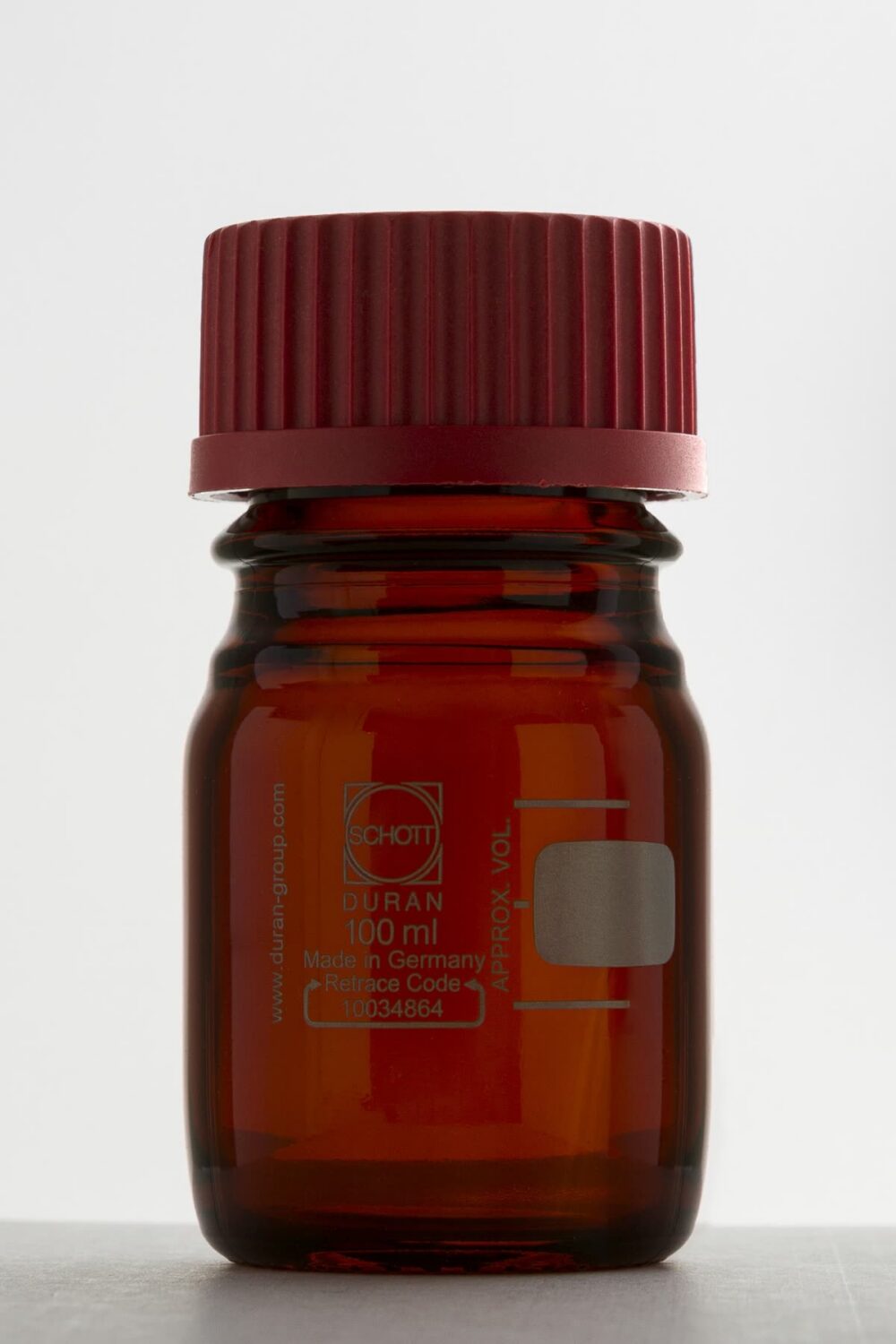
For food and beverage brands in Australia, “Bottle Source” usually means specialist packaging suppliers that sell bottles in bulk, not a single product. You’re choosing between local wholesalers, branded water suppliers, and global bottle platforms such as Bottle Source Corporation and BottleStore.com, plus general marketplaces. The right route depends on how many bottles you need, how customised they must be, how strict your food‑contact and sustainability requirements are, and how much risk you’re willing to take on cross‑border shipping.
If you’re launching a drink, sauce, or oil locally and care about eco credentials, you’ll likely be weighing glass against recycled or plant‑based plastics, maybe cork or bamboo elements. Those choices affect cost, breakage rates, and how easily you can prove the packaging is suitable for food.
What “Bottle Source” Means in Food‑Grade, Sustainable Packaging
In packaging, “Bottle Source” is shorthand for online suppliers whose core business is bottles and closures. Two useful examples:
- Bottle Source Corporation offers glass, plastic, and aluminum containers, closures, and customisation across food, cosmetics, and other industries. Their site lets you browse by industry use case.
- BottleStore.com positions itself as a one‑stop shop for bulk glass and plastic containers, with sections specifically for food and beverage and options for custom orders.
These kinds of sites are different from general marketplaces because the catalog and support are built around packaging problems: neck finishes, closures, lining materials, and compatibility with your filling line.
For Australia‑based buyers, you can layer in local options:
- Bulk bottled water and ready‑filled brands such as Source Direct and Custom Bottled Water supply pre‑filled, branded water bottles for events and promotions. They’re less useful if you need empty bottles for your own product, but they illustrate how local suppliers can combine packaging and filling services.
- Local bottle and jar wholesalers listed on directories like Yellow Pages can cover basic glass jars, PET bottles, and closures with shorter lead times.
Quick material lens for eco and food‑use bottles
Most sustainable bottle sourcing decisions sit on a few material families:
- Glass – highly recyclable, inert, and commonly used for food and beverage. It’s heavy and breakable, but strong on perceived quality and taste neutrality.
- Recycled plastics (rPET, etc.) – turn post‑consumer plastic into new bottles, cutting waste. They stay lightweight and durable but still rely on plastic recycling systems.
- Bamboo and wood accents – often used for exterior shells or lids. They’re renewable and biodegradable but usually need an inner food‑contact liner.
- Plant‑based plastics and biodegradable composites – cornstarch or PLA blends can cut fossil plastic usage and are marketed as compostable. You still have to check how they behave with your product and under Australian waste systems.
- Cork – used for stoppers or decorative bottles; renewable and biodegradable, with good sealing properties for certain liquids.
Whatever looks “eco,” any bottle that touches food or drink must be suitable for food contact in practice. Glass and certain plastics are routinely used for this, but you still need suppliers to provide specifications and, ideally, certifications for your exact material grade.
Vetting Bottle Suppliers for Food Safety, Sustainability, and Reliability
You can’t rely on a product page saying “eco” or “food‑grade.” Use a structured check before committing to a large run.
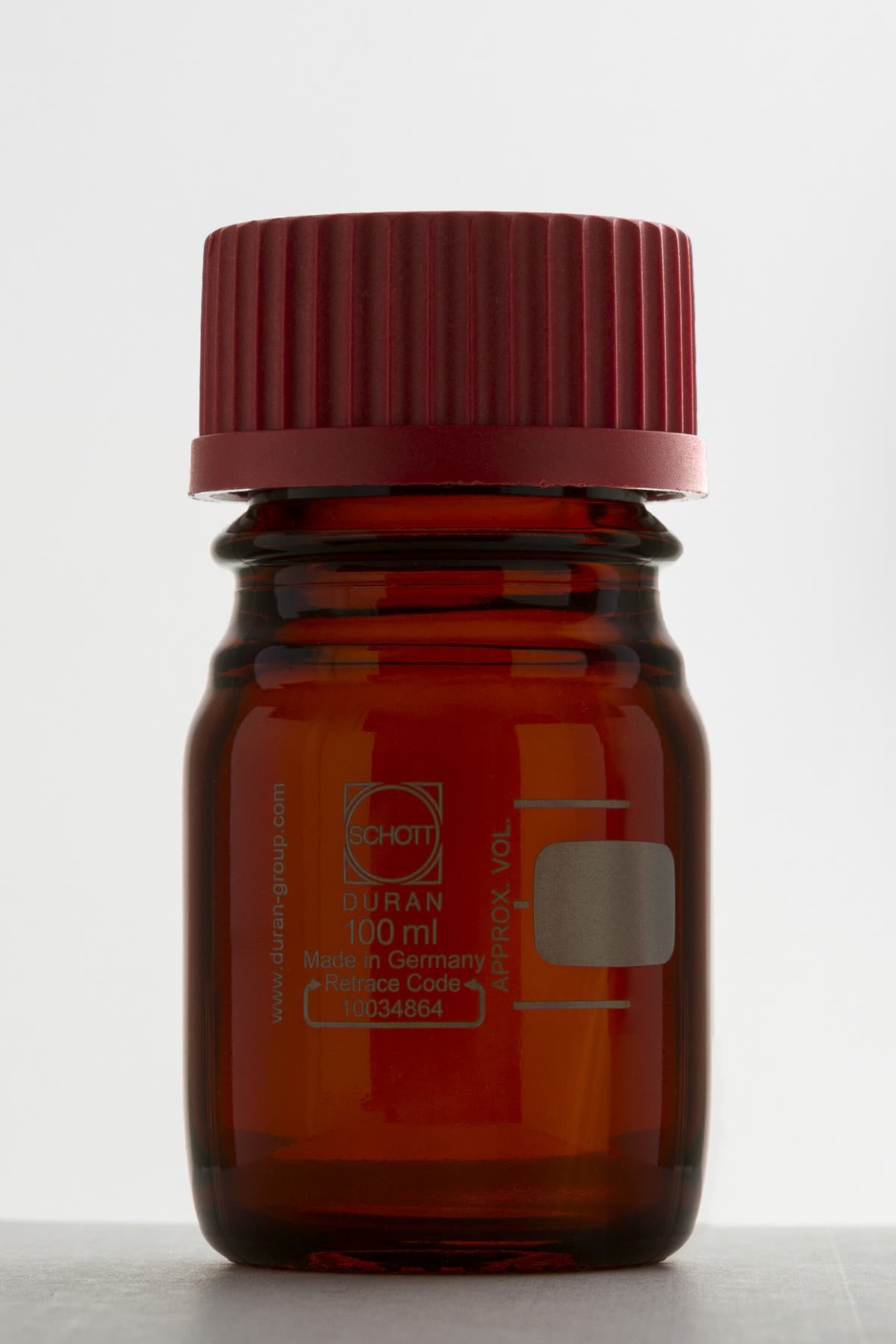
Practical vetting checklist:
- Material specs in writing
Ask for the exact material (e.g., type of glass, PET vs rPET, PLA blend) and any limitations: max temperature, acidity, alcohol content. Packaging‑focused sites like Bottle Source Corporation typically list these specs or can provide data sheets on request.
- Food‑contact suitability
Request documentation that the bottle and closure are designed for food use: internal product codes, technical sheets, or statements about typical applications (e.g., sauces, juices, oils). Treat this as a risk check, not a legal sign‑off.
- Sustainability evidence, not just adjectives
If a supplier claims “recycled,” “biodegradable,” or “compostable,” ask what percentage is recycled content and which standard or lab testing backs the claim. For bamboo or cork components, ask if they’re sourced from managed plantations and how they should be disposed of in practice.
- Samples under real‑world conditions
Order a small batch or sample kit and run them through your filling, capping, transport, and storage to check:
- Leaks or paneling (especially for thin plastics).
- Odour or flavour transfer.
- Label adhesion and scuff resistance.
- How the bottle holds up in refrigeration or ambient storage.
- Supplier focus and support
A packaging‑specialist supplier should be able to talk closures, liners, and compatibility with filling equipment. Browse their “food & beverage” or similar sections on sites like BottleStore.com to gauge how much of their business is actually bottles for consumption.
- Track record and communications
For offshore suppliers, look for years in business, repeat clients, and case studies. Pay attention to how quickly and clearly they answer detailed questions; that responsiveness often predicts how issues will be handled once you’re in production.
Ordering at Scale: MOQs, Customisation, Logistics, and Channel Choice
Once you’re confident in the bottle itself, you have to match order size and complexity to the right supplier type. Minimum order quantities (MOQs) and costs can swing widely by channel.
Here’s a compact view of how three common online supplier types line up for an Australia‑based food brand (editorial judgement based on their business models, not fixed rules):
| Supplier type | Typical MOQ range | Customisation fit | Sustainability fit |
|---|---|---|---|
| Local AU bottle/jar wholesaler | Low to medium; often viable from a few cartons upward | Basic: color, size, maybe custom caps | Depends on stock; good for glass and standard PET, limited niche eco options |
| Global bottle platforms (Bottle Source Corporation, BottleStore.com) | Medium; often require a minimum order value and full case quantities | Strong: custom shapes, colors, closure systems, sometimes full packaging design | Broad mix: glass, aluminum, recycled plastics, some eco materials, backed by packaging expertise |
| Branded water suppliers (Source Direct, Custom Bottled Water) | Medium; sized for events/promotions | Labelling and branding only; bottle format is usually fixed | Packaging may be standard PET or glass; focus is brand impact more than advanced eco materials |
How this plays out in real scenarios
- Small gourmet condiment brand in Melbourne (1,000-3,000 bottles per SKU)
Glass or high‑quality PET from a local wholesaler or from a global platform that ships smaller pallets can work. You’ll care more about consistent supply and food‑contact documentation than extreme custom shapes.
- Fast‑moving RTD beverage aiming for supermarket shelves
You’re likely in medium to high MOQs and need a bottle that runs reliably on high‑speed lines. Global bottle platforms that support detailed technical consultation or a regional contract filler with integrated packaging will be a better fit than ad‑hoc marketplace buying.
- Event‑focused brand needing branded water bottles
Local suppliers such as Source Direct or Custom Bottled Water are set up to personalise labels and handle filling, which saves you from managing caps, seals, and water quality yourself.
Where general marketplaces (including DHgate) realistically fit
General marketplaces can still play a role, but mostly around simpler or supplementary packaging, and they demand more vetting effort from you.
On 2026-10-14, DHgate listed various bottle‑related products, including:
- A PE plastic bottle with scale and long spout described as food‑grade, positioned as a quantitative oil dispenser under Custom Packaging (listing).
- Plastic square water bottles with straws marketed for household juice use in the Water Bottles category, with a small price range and at least one positive review (listing).
- A set of mini sauce squeeze bottles for condiments like ketchup and soy sauce, sitting in Herb & Spice Tools (listing).
Prices and availability can change, and these examples are not endorsements. If you use a marketplace like DHgate for food‑use bottles, treat each listing like a micro‑supplier search: scrutinise descriptions for material and food‑grade claims, ask the seller for specifications and samples, and only move to bulk orders once you’ve tested the bottles with your product.
For readers who decide that marketplace sourcing might complement, not replace, specialist packaging suppliers, there are buyer‑specific DHgate guides such as Find wholesale suppliers on DHgate and Choose a DHgate wholesale supplier that focus on seller evaluation and negotiation.
The strongest pattern across all channels: use packaging‑focused platforms or local wholesalers to lock down your core food‑grade bottle supply, and treat any marketplace buys as carefully vetted extras rather than the foundation of your packaging strategy.