
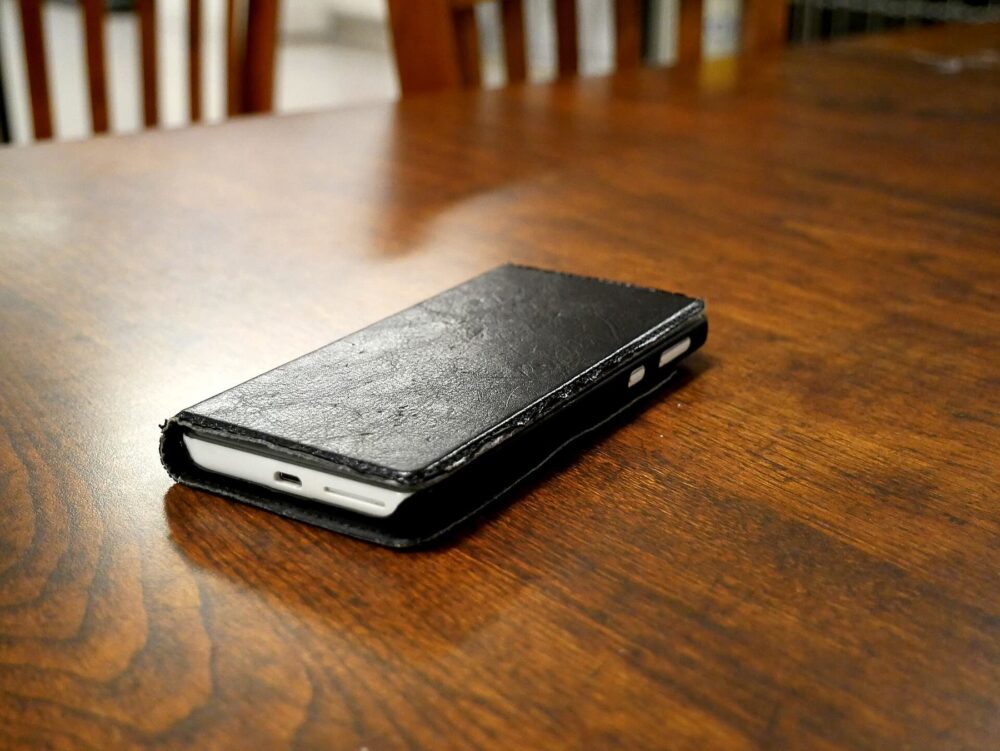
You can still source Kobo Sage cases that protect the screen without turning the device into a brick, but you have to be careful about fit, materials, and where you buy. Kobo’s own SleepCover and PowerCover for Sage are documented on its accessory pages, but the device itself is now discontinued, so official stock is limited and demand is niche.Kobo’s product listing and its broader accessories catalog show the core design pattern: a sleep-style magnetic folio that keeps the screen covered while staying relatively slim. For wholesale buyers, that design is your benchmark whether you source original or third‑party.
Canadian retailers like Best Buy and Indigo still list Kobo Sage sleep covers and third‑party slim TPU cases, which signals ongoing accessory manufacturing beyond Kobo.Best Buy’s Kobo Sage SleepCover page and Indigo’s Kobo Sage SleepCover listing are useful reference points for how retail packaging, colors, and positioning look. They also remind you that, for a discontinued 8″ e‑reader, volumes are modest and misfit inventory is a real risk.
How Kobo Sage Case Supply Works Now
Kobo Sage launched in 2021 and has since been retired from Kobo’s current lineup. Official accessories such as the Kobo Sage SleepCover and the PowerCover are still documented by Kobo on regional sites, for example the Canadian SleepCover page and the U.S. PowerCover page.Kobo’s SleepCover and PowerCover listings highlight key Sage‑specific features: precise 8″ fit, auto sleep/wake magnets, folio design that fully covers the screen, and stylus compatibility.
While those official parts aren’t clearly marketed as wholesale, third‑party manufacturers have stepped in. Best Buy’s listing for a Fintie slim case for Kobo Sage, described as a “soft TPU protective back cover with auto wake sleep for 8″ Kobo Sage eReader,” shows that generic tablet case factories have created Kobo Sage molds.The Fintie slim case listing is a good indicator of what these designs look like: TPU back shells with raised edges, plus sometimes a separate folio front.
Behind those retail SKUs is a supply chain dominated by factories and assemblers in China making:
- Kobo‑branded SleepCover/PowerCover to Kobo’s spec.
- OEM/ODM folio covers and TPU shells compatible with Kobo Sage, often sold under brand labels like Fintie.
- Unbranded cases distributed via wholesalers, small importers, and marketplaces.
For a Canadian micro‑brand or shop, this means your sourcing options skew heavily toward cross‑border suppliers rather than domestic manufacturing.
Selecting Durable, Slim Kobo Sage Case Suppliers
The challenge is balancing screen protection with low bulk. Device case markets commonly hit that balance with dual‑layer constructions: a hard polycarbonate (PC) shell for rigidity plus a softer TPU layer to absorb impact, raised bezels around the screen, and a folio flap that covers the display.DHgate’s editorial overview of protective cases describes similar dual‑layer PC + TPU patterns as typical for slim, durable covers. These aren’t mandatory for Kobo Sage, but they’re a useful yardstick.
For Kobo Sage in particular, ask suppliers about:
1. Fit and magnet behavior
- Exact mold: The Sage has its own dimensions and button placement. You want a mold explicitly labeled for “Kobo Sage,” not just “8″ e‑reader.”
- Auto sleep/wake: Kobo’s SleepCover relies on a magnet placed where Sage’s sensor sits.Kobo’s accessories catalog shows sleep‑style folios as an established form factor. Ask the factory to confirm their magnet location and, ideally, send a short video demonstrating wake/sleep.
2. Materials and bulk profile
- Shell composition: PC + TPU or high‑quality TPU alone usually provides impact resistance without huge thickness. Avoid suppliers that can’t specify resin type.
- Folio thickness: Compare their sample to Kobo’s official SleepCover as a reference image. Many factories can match that approximate profile while still offering microfiber lining for the screen.
3. Kobo‑specific usability
- Stylus storage: Kobo Sage supports a stylus; Kobo’s PowerCover integrates battery plus stylus storage.Kobo’s PowerCover page shows how premium covers handle this. Decide whether you need stylus loops or recessed slots and specify that clearly.
- Hand‑strap or stand: Several Kobo and generic e‑reader folios use tri‑fold fronts to create stands. Determine if you want a simple book‑style folio or a stand design and ensure it doesn’t add excessive bulk.
Here’s a focused supplier check list tailored to slim Kobo Sage covers:
| Question to ask supplier | Why it matters for Sage | Acceptable signal |
|---|---|---|
| “Is this mold designed specifically for Kobo Sage, not Libra or Clara?” | Libra 2 and Sage are different sizes; mislabeling is common. | Tech drawings or photos showing Sage fit and button cutouts. |
| “What materials are used in the back shell and folio?” | Confirms durability vs. bulk trade‑off. | Clear mention of PC, TPU, PU leather, microfiber lining. |
| “Does the cover support auto sleep/wake, and where is the magnet located?” | Ensures sleep function works and magnets won’t interfere with the screen. | Short demo video or explanation referencing Sage sensor area. |
| “Can you provide 2-3 physical samples before bulk order?” | Reduces misfit inventory risk for a discontinued device. | Willingness to ship samples at reasonable cost or include samples in first batch. |
| “Do you offer neutral or custom branding on the folio?” | Matters for micro‑brands and white‑label retailers. | Options for blank covers or simple logo print/emboss. |
For a small retailer restocking 20-50 covers, push hard on samples. A single mis‑sized mold across 50 units is usually worse than paying slightly more per piece for proven fit.
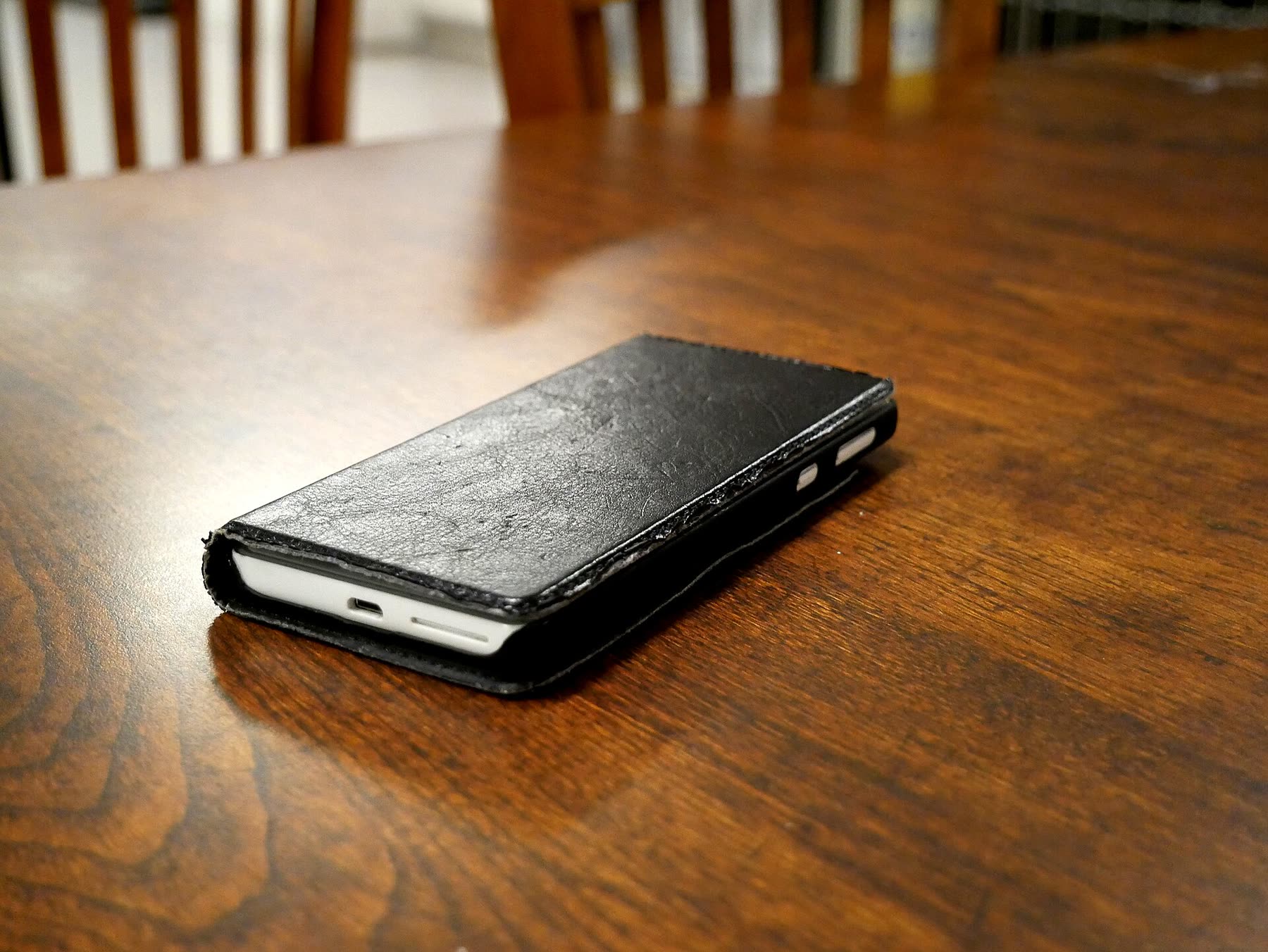
MOQs, Pricing and Channel Choices for Cross-Border Orders
Because Kobo Sage is niche and aging, you typically won’t see huge factory MOQs like you might for current iPad or iPhone cases. Many suppliers treat Kobo‑compatible molds as part of a broader e‑reader line and may accept relatively small runs, especially if they already produce for brands like Fintie.
Broadly, expect:
- Smaller MOQs or mixed‑model orders when you work with factories that already make Libra 2, Clara, and Sage cases.
- Mid‑range per‑unit pricing due to modest demand and more limited economies of scale.
- Customization surcharges (for logos, special colors, stylus features) to be proportionally higher on low quantities.
Example: Marketplace listing behavior (DHgate)
A concrete example of small‑batch friendly terms comes from a DHgate product snapshot checked on 2026-10-14: a listing titled “for kobo libra 2 libra2 case for kobo sage case multifolding stand ebook smart cover for funda kobo libra 2nd gen 7 inch.” The listing sits in the Tablet PC Cases category and shows a price range of about USD $36.33–$40.14 with no visible minimum order quantity in the snapshot.You can view the listing here.
That tells you two things about marketplaces as a channel:
- They can support micro‑brand experiments where you import very small batches of Kobo Sage‑compatible folios to test demand.
- Terms, molds, and quality vary by seller. For any marketplace listing, you should manually verify title vs. description (is Sage actually supported or just Libra 2?), check materials, ask for real‑device photos, and clarify unit counts before treating it as a wholesale source.
If you’re considering DHgate more broadly as a supplier pool, DHgateWiki has separate guides on how to find wholesale suppliers on DHgate, locate DHgate sellers, and choose a DHgate wholesale supplier. Those resources focus on seller vetting and platform‑specific due diligence.
Direct factories vs. distributors vs. marketplaces
For Kobo Sage covers, channel choice should reflect your order size and risk tolerance:
- Direct factory (OEM/ODM) – Best fit if you’re a micro‑brand planning 200-500 units and possibly future runs. You can control materials, branding, and stylus/stand features. The trade‑off is more work: sample rounds, negotiated MOQs, and coordination on shipping and customs into Canada.
- Regional distributors / importers – A practical route for independent bookstores or electronics shops needing 20-50 units a few times per year. You’ll pay a margin but gain easier reordering and domestic logistics.
- Marketplaces (including DHgate) – Useful for very small test buys or hard‑to‑find mold variants. Because listings are individual sellers, treat each one as its own sourcing project: verify Kobo Sage compatibility, ask detailed construction questions, and treat the first order as a live‑fire sample.
For a discontinued device like Sage, the most common pattern we see is: test demand via small‑batch marketplace or distributor orders, then, if sell‑through is strong and the Kobo Sage installed base in your audience looks stable, graduate to a direct factory relationship where you can lock in a mold and branding. That sequence limits your exposure to a design that might not move and gives you time to validate how much bulk your customers will tolerate around their e‑reader.