
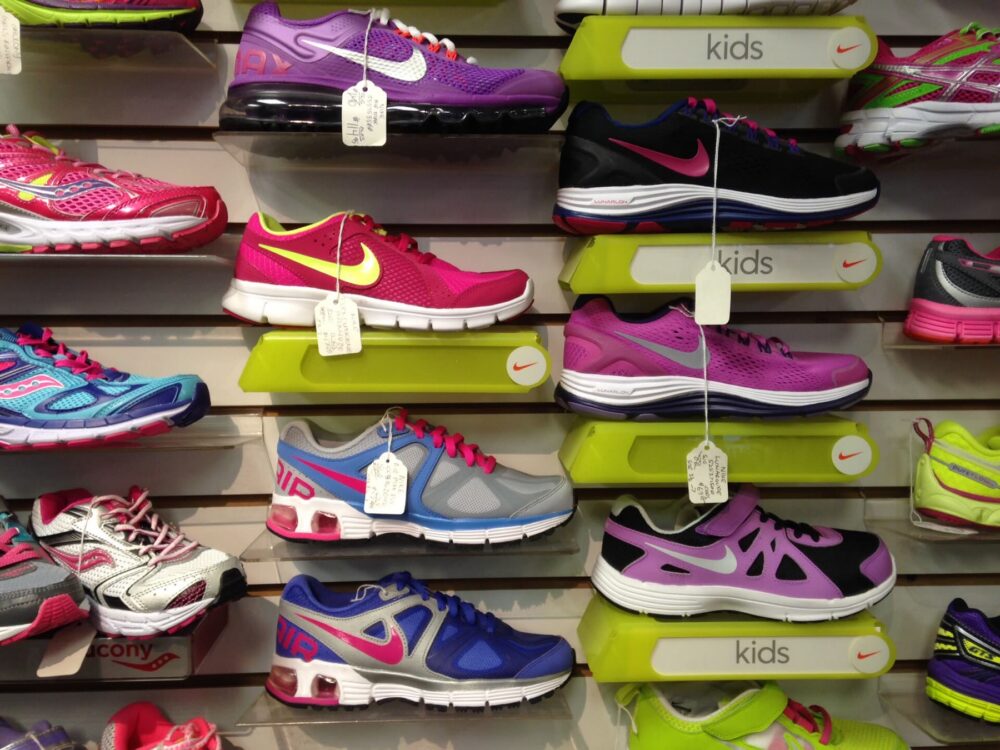
Wholesale shoes and bulk footwear means buying multi-pair lots directly from manufacturers or authorised distributors at tiered prices, then reselling at a margin. For Australian retailers and small ecommerce brands, the key decision is whether those lots come from domestic wholesalers or cross-border suppliers, and whether the landed cost (product + freight + GST/duties) still leaves room for profit.
This guide focuses on that decision: how the footwear supply chain works, how to choose supplier types, and how pricing, minimum order quantities (MOQs) and shipping into Australia affect whether bulk footwear sourcing is viable for you.
How Wholesale Shoes and Bulk Footwear Supply Works for Australian Buyers
Wholesale shoes and bulk footwear are simply shoes purchased in larger quantities from manufacturers or authorised distributors at discounted unit prices, rather than ones and twos at retail. That model is widely described by wholesalers such as Southern Crest and wholesale education sites like SaleHoo. Retailers and resellers buy cartons or mixed-size runs, then sell at retail prices in-store or online.
Globally, footwear production is concentrated in a few major hubs. China is widely cited as producing around half of the world’s footwear, with many international brands running factories or contract manufacturing there, according to editorial context on DHgate’s own blog. That scale is why most international bulk footwear offers, especially low- to mid-priced fashion and sports shoes, trace back to Chinese or other Asian factories, whether you buy through a domestic distributor or a cross-border deal.
Australia plugs into this supply chain in two ways:
- Domestic wholesalers and distributors. There are local businesses that specialise in wholesale shoes, listed in directories such as Ensun’s Australian manufacturer search. They typically import shoes, handle customs and compliance, and sell to Australian retailers on wholesale terms.
- Direct imports and cross-border platforms. Some retailers and ecommerce sellers bypass local middlemen, sourcing directly from overseas factories or using global B2B marketplaces and wholesale websites that connect buyers and suppliers.
Your job is to decide how close you want to get to the factory. The closer you get, the more control you may have over price and customisation, but the more risk and logistics work you take on.
Choosing and Vetting Footwear Suppliers: From Factories to Platforms
You’ll see three broad supplier types for wholesale shoes:
- Australian wholesale suppliers/distributors
- Overseas factories or trading companies
- B2B platforms and wholesale websites that sit in between
Multiple wholesale websites and B2B platforms specialise in bulk shoes and connect manufacturers, distributors and retailers worldwide. DHgate’s blog mentions sites such as Wholesale Central and other shoe-focused platforms as examples of this ecosystem, and European platforms like Oversoles (from the SERP) target sneaker resellers.
For footwear, vetting needs to go beyond generic “check reviews” advice because material and fit issues can destroy your margin via returns.
Inline footwear supplier vetting checklist
For any supplier or listing, local or overseas, look for:
- Upper and lining materials clearly specified (e.g., leather vs PU vs textile). Ask for close-up photos of stitching, especially at flex points like the vamp and heel.
- Sole construction details (cemented, stitched, vulcanised). Poor bonding shows up as visible excess glue or uneven sole edges in photos.
- Size runs and grading aligned with Australian sizing. Confirm whether sizing is EU/US and how it translates; cheap bulk lines often run small.
- Return or defect handling on B2B orders at the seller level. You’re not guaranteed retail-like returns, so clarify how they treat obvious manufacturing defects.
- Evidence of repeat wholesale business, not just consumer sales. Australian wholesalers typically present themselves as B2B on their sites; platform sellers often show multiple bulk listings and buyer reviews mentioning resale.
A quick, practical way to trial a new supplier is:
- Request a small test order or paid samples in multiple sizes.
- Physically check glue lines, stitching, insole comfort, and flexibility; bend each shoe and look for cracks or separation.
- Have a few regular customers or staff wear-test them for a week and give blunt feedback.
For cross-border suppliers, add two more checks:
- Communication quality: Can they explain materials, production lead times and packing details clearly in writing? Vague answers often foreshadow quality or delay issues.
- Document readiness: Ask upfront if they can provide commercial invoices and basic packing lists suitable for Australian customs.
Pricing, MOQs, Customisation and Shipping: Making Bulk Footwear Orders Pencil Out
Wholesale footwear usually follows a tiered structure: as you buy more pairs, your price per pair drops. MOQs vary by category and supplier, but a few broad patterns are common in the shoes you see on global marketplaces and wholesale sites.
Here’s a compact table using current DHgate listing data (observed 2026-10-14) to illustrate typical bulk price ranges by shoe type. These are not endorsements, just real-world examples; prices and availability can change at any time.
| Example product (DHgate listing) | Category | Price range (USD) | What it suggests for bulk sourcing |
|---|---|---|---|
| Men’s low-top business/casual sports shoes | Other shoes | 29.90-32.89 | Mid-range casual mens shoes in bulk can sit around low-30s USD per pair before freight and tax. |
| Women’s casual flat shoes | Casual shoes | 50.14-52.51 | Women’s flats for resale can land around 50+ USD per pair from certain suppliers at bulk levels. |
| Bowling sports shoes | Bowling shoes | 34.30-40.24 | Niche sports footwear often prices higher than generic sneakers, reflecting smaller production runs. |
| Barefoot-style running sneakers | Outdoor shoes | 41.22-92.25 | Specialised designs show wide price spreads; custom features or branding push prices up. |
| Women’s sandals, flat buckle | Sandals | 60.76-63.64 | Fashion sandals for women can sit in a higher wholesale range when design and finish are the focus. |
Those ranges remind you to run the maths all the way through to landed cost in AUD. For cross-border orders into Australia you need to budget for:
- Freight: per-carton or per-kilo shipping, typically via sea for large orders and air for urgent or smaller runs.
- GST and possible duties on imported footwear, depending on category and value.
- Local handling: customs broker fees, storage, and last-mile delivery to your warehouse or shop.
Because numbers change and depend on your circumstances, treat any price range as a starting point and get current quotes from your logistics provider rather than assuming a fixed percentage uplift.
Customisation (e.g., putting your brand on insoles, boxes or uppers) usually raises MOQs and per-pair costs. Some suppliers on marketplaces even advertise “wholesale customized shoes” with bulk pricing for branded slippers or sandals. If you’re a young Australian brand, consider:
- Testing your logo on packaging first, before altering the shoe design itself.
- Locking in a clear spec sheet (materials, colours, logo placement) to minimise surprises.
Local vs cross-border channel choices, including DHgate
For small Australian retailers, the realistic channels are:
- B2B marketplaces and wholesale platforms: useful for testing new categories or price points without committing to a full factory program.
DHgate’s own blog describes its marketplace as a place where buyers can order various shoes in bulk and resell them. That positions it, and similar platforms, as a potential test bed: you might trial a small run of casual sneakers or sandals via a marketplace listing before deciding whether to negotiate directly with a factory or switch to a local distributor.
If you explore a marketplace route, keep it disciplined:
- Treat listings as supplier leads, not guaranteed quality; vet each seller as described earlier.
- Compare the all-in AUD landed cost against offers from Australian wholesalers listed in directories such as Ensun.
For more marketplace-specific supplier checks, you can also look at DHgateWiki’s coverage of general DHgate sourcing, such as finding wholesale suppliers on DHgate, finding DHgate suppliers and choosing a DHgate wholesale supplier. Those pages focus on how to interpret seller signals; this one helps you decide if wholesale shoes themselves fit your business.